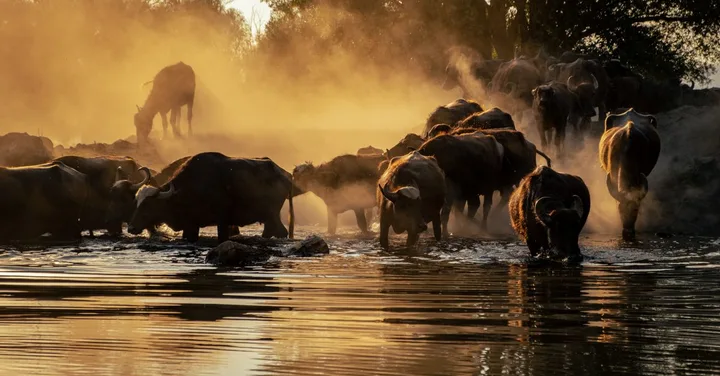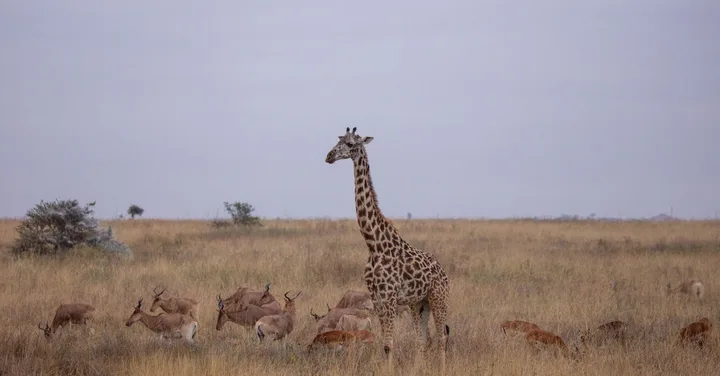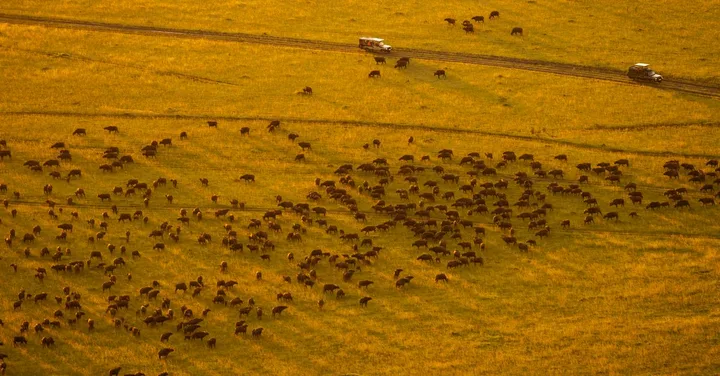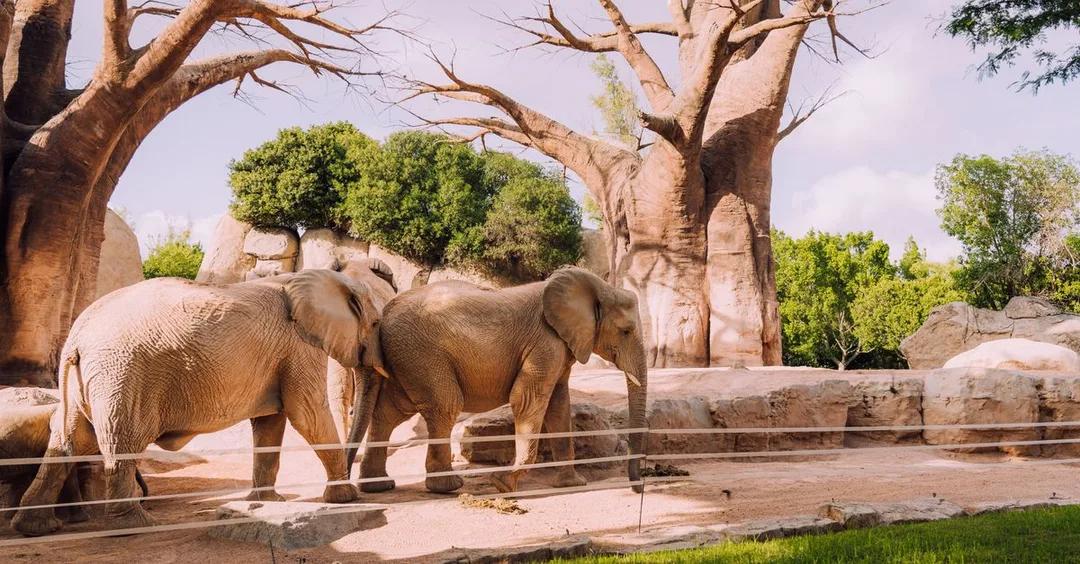
Picture this: you're sitting in an open 4x4, the morning air still cool and carrying the faint smell of dry grass and wild sage. Ahead of you, a herd of a hundred elephants moves slowly across a sand riverbed, trunks swinging, babies tucked between their mothers' legs. A few baobab trees the size of apartment buildings stand watch in the background. There's no other vehicle in sight. No crowd. No jostling for position. Just you, the light, and one of Africa's most spectacular wildlife scenes playing out in total silence.
This is Tarangire National Park on a regular morning. Not a special occasion. Just Tuesday in Tanzania.
Most Indian travellers planning a Tanzania safari have heard of the Serengeti and the Ngorongoro Crater. Fewer have Tarangire on their radar, which is exactly why it deserves to be first on yours.
Why Tarangire Is Perfect for Indian Travellers
Tarangire sits in northern Tanzania, roughly a four-hour drive from Kilimanjaro International Airport and about three hours from Arusha. It's almost always combined with the Serengeti and Ngorongoro, making it an easy addition to any Tanzania Safari Packages without adding significant travel time.
Here's the thing about Tarangire that most people don't talk about: the density of wildlife here during the dry season rivals anything you'll see in East Africa. The Tarangire River is one of the only permanent water sources in the region when everything else dries up, so animals pour in from hundreds of kilometres around. Elephants in particular show up in numbers that will genuinely stop your breath. Tanzania's elephant population is one of the largest on the continent, and Tarangire is their stronghold. According to Tanzania National Parks, the park regularly sees elephant herds numbering in the hundreds during peak dry season.
For Indian travellers specifically, a few things make Tarangire an especially good fit.
Value for your money. Because it's less famous than the Serengeti, lodge prices at Tarangire are generally lower while the wildlife experience is comparable, sometimes better. You get luxury tented camps and full-board safari experiences at a price point that makes the overall Tanzania trip feel more accessible.
Less crowd, more experience. The Serengeti during peak season can feel surprisingly busy with safari vehicles. Tarangire almost never has that problem. You'll routinely find yourself alone at a sighting, which changes how the whole thing feels.
The baobab landscape is like nothing else. You've probably seen photos. But being among ancient baobab trees that are genuinely older than many Indian civilisations, surrounded by elephants and zebras, is a specific kind of awe that doesn't translate well into words. You just have to be there.
Family-friendly and genuinely comfortable. Most quality camps in Tarangire are well-run, have excellent food (vegetarian options are usually available, and camps are used to Indian dietary preferences if you mention ahead of time), and are set up for guests of all ages.
After 12+ years and more than 15,000 trips, Safari Sutra Holidays has seen how consistently Tarangire converts first-time Africa travellers into lifetime fans of the continent.
Best Time to Visit
Tanzania has two dry seasons and two wet seasons, and each changes what Tarangire looks and feels like. Here's an honest breakdown:
June to October: Peak dry season, this is the sweet spot. The bush thins out, water sources shrink, and every animal within range converges on the Tarangire River. Elephant sightings are extraordinary. You'll also spot lion, leopard, cheetah, buffalo, zebra, wildebeest, and a remarkable concentration of bird species. Mornings are cool, afternoons warm. October is the tail end of this window but still excellent. This is when you want to go.
January to February: The short dry season. Less crowded than June to October, and baby animals are everywhere because this follows the short rains of November. Calves, foals, fawns, the whole lot. Birdwatching is exceptional because migratory species are present. A solid second choice, especially if June to October dates don't work for you.
November: Short rains begin. Wildlife disperses slightly as water becomes more available elsewhere. Landscapes turn green quickly. Not the ideal time for pure game viewing, but the park is beautiful and rates drop noticeably. Good option if you're on a tighter budget.
March to May: Long rains (heavy). This is the lean season. Tracks can become difficult, some camps close, and game viewing is harder. Avoid unless you're a birder or specifically looking for the lowest prices.
The honest answer: if you can, go between June and October. If you're booking an India-to-Tanzania trip with school holidays in mind, October breaks often align beautifully with peak season.
What's Included in Tarangire Packages
Tanzania safari packages from India almost always include Tarangire as part of a larger northern circuit covering Tarangire, Serengeti, and Ngorongoro Crater. Here's what a well-structured package typically covers:
- International flights from Mumbai, Delhi, Bengaluru, or Hyderabad to Kilimanjaro (usually via Nairobi, Doha, Dubai, or Addis Ababa)
- Airport transfers and all in-country road or bush plane transfers
- Accommodation in tented camps or lodges on a full-board basis (all meals included)
- Game drives, morning and evening, with an English-speaking naturalist guide in a 4x4 safari vehicle
- Park entry fees and conservation levies for all parks visited
- Tarangire-specific experiences like walking safaris (where available) and night drives at select camps
- Tanzania visa fee if booked as part of a complete package
- Travel insurance (check specifically for safari and medical evacuation cover)
What's typically not included: tips for guides and camp staff (budget USD 10-15 per day per guide, USD 5-10 per day for camp staff), personal shopping, alcohol beyond what's included at the camp, and optional balloon safaris over the Serengeti if you choose to add those.
Package Options and Prices in INR
Prices are per person on twin-sharing basis and include international flights from Delhi/Mumbai unless stated otherwise (land-only prices are lower by roughly INR 80,000 to 1,20,000 per person depending on season and routing). All prices are approximate and vary with departure date, group size, and availability.
1. Essential Northern Tanzania Circuit (8 nights / 9 days)
Tarangire + Serengeti + Ngorongoro. Mid-range tented camps, solid guides, great game viewing.
Approximate price: INR 2,80,000 to 3,40,000 per person (including flights)
2. Classic Safari with Lake Manyara (10 nights / 11 days)
Adds Lake Manyara to the northern circuit. Known for its tree-climbing lions and flamingos. Slightly upgraded accommodation.
Approximate price: INR 3,50,000 to 4,20,000 per person (including flights)
3. Premium Tented Lodge Safari (10 nights / 11 days)
Same northern circuit with high-quality lodges like Tarangire Sopa, Serengeti Serena, or equivalents. Better room standards, spas, infinity pools, elevated dining.
Approximate price: INR 5,00,000 to 6,50,000 per person (including flights)
4. Luxury Small-Group Safari (10 nights / 11 days)
Private vehicle, premium camps, private guide throughout. Maximum flexibility, minimum crowd.
Approximate price: INR 7,50,000 to 9,50,000 per person (including flights)
5. Family Safari with Add-On Zanzibar Beach (14 nights / 15 days)
Full northern circuit with Tarangire, followed by 4-5 nights in Zanzibar. Ideal for families combining wildlife with a proper beach holiday.
Approximate price: INR 8,00,000 to 12,00,000 per person (including flights), depending on Zanzibar accommodation tier
Plan Your Trip with Safari Sutra to get a quote matched to your exact dates, group size, and budget.
Practical Travel Tips
Visa: Indian passport holders need a visa for Tanzania. The good news is that Tanzania offers an e-visa that you can apply for online before travel at the official Tanzania Tourist Board portal. Single-entry tourist visa costs USD 50. Processing usually takes 5-10 working days. Apply at least 3 weeks before departure to be safe. A valid return ticket and hotel bookings are required at the time of application.
Flights: There are no direct flights from India to Tanzania. Common routing options are:
- Delhi/Mumbai via Nairobi on Kenya Airways (usually best connection times)
- Delhi/Mumbai via Doha on Qatar Airways to Kilimanjaro
- Delhi/Mumbai via Dubai on Emirates/FlyDubai to Kilimanjaro or Dar es Salaam
- Delhi/Mumbai via Addis Ababa on Ethiopian Airlines
Kilimanjaro International Airport (JRO) is the gateway for northern Tanzania safaris. Expect total travel time of 12-18 hours depending on layover duration.
Packing:
- Neutral colours: khaki, olive, brown, beige. Avoid blue (attracts tsetse flies) and bright colours.
- Layers are essential: mornings in the bush are genuinely cold, especially June to August. Afternoons can touch 30+ degrees.
- Good walking shoes and one pair of rubber sandals for camp use
- High-SPF sunscreen and quality sunglasses
- Binoculars (8x42 magnification works well in the bush)
- A wide-brim hat
- Any prescription medication with you in sufficient quantity
Health:
- Tanzania is a malaria zone. Consult your doctor about antimalarial tablets before travel. Start medication before you leave India.
- Yellow fever vaccination certificate is required if you're arriving from a yellow fever risk country (check the current list with your doctor).
- Routine vaccines should be up to date: Hepatitis A, Typhoid.
- Carry a basic first aid kit with oral rehydration salts, antihistamines, and a broad-spectrum antibiotic as advised by your doctor.
Currency: Tanzania uses the Tanzanian Shilling (TZS), but USD is widely accepted for tips and extras at camps and lodges. Carry USD 200-300 in cash. Most camps don't accept UPI.
Frequently Asked Questions
Q: Is Tarangire National Park suitable for families with young children?
Yes, absolutely. Most quality tented camps in Tarangire have family tents or interconnecting rooms and are very comfortable for children. Game drives are generally child-friendly, and seeing elephants at close range is the kind of thing kids remember for decades. That said, walking safaris are typically restricted to guests aged 12 and above. If you have very young children (under 5), confirm with the specific camp about their policies, as some lodges have minimum age requirements for certain activities.
Q: How does Tarangire compare to the Serengeti? Should I skip one?
Skip neither if you can help it. The Serengeti offers the Great Migration (seasonal), wide open plains, and an extraordinary density of predators. Tarangire offers the best elephant viewing in Tanzania, a dramatically different landscape with baobabs and dry riverbeds, and far fewer vehicles. They complement each other perfectly. Most of our Tanzania itineraries include both, and travellers consistently say they loved Tarangire more than they expected.
Q: What's the best way to get from India to Tarangire?
Fly into Kilimanjaro International Airport (JRO). From there, it's roughly a 3.5-4 hour drive to the park gate via Arusha. Alternatively, there are scheduled bush flights from Arusha Airport (ARK) to Tarangire's airstrips, which cut travel time dramatically and are worth considering if your budget allows.
Q: Can vegetarians and people with dietary restrictions eat well in Tanzania?
Better than most people expect. Quality safari camps are used to handling dietary preferences, especially for Indian travellers. Inform your travel operator when booking, and the camp kitchen will usually prepare dedicated vegetarian meals. Jain food and specific allergy requirements can also be accommodated at most premium properties with advance notice. This is one thing Safari Sutra Holidays always flags with camps before your arrival.
Q: Is it safe to travel to Tanzania as an Indian tourist?
Tanzania is one of the safer and more politically stable countries in East Africa. The safari regions in northern Tanzania are well-established tourism zones with reliable infrastructure, experienced guides, and camps that have hosted international travellers for decades. The usual common-sense travel precautions apply: don't carry large amounts of cash visibly, keep your valuables secure, and follow your guide's instructions in the bush.
Q: When is the cheapest time to visit Tarangire?
November and March to May offer the lowest lodge rates, sometimes 30-40% below peak season pricing. November is a reasonable compromise: some rain, greener scenery, decent wildlife, and significantly lower costs. March to May (the long rains) is genuinely the off-season and best avoided for a first-time safari unless birding is your primary interest.
Q: Do I need a yellow fever certificate to enter Tanzania from India?
India is on the list of countries with risk of yellow fever transmission, so yes, a yellow fever vaccination certificate is required when arriving from India. Get vaccinated at least 10 days before departure from an authorised vaccination centre in India (major government hospitals and travel clinics offer this). Carry your yellow card throughout the trip as it may be checked at immigration.
Plan Your Trip with Safari Sutra Holidays
Tarangire is the kind of place that stays with you. The elephants, the baobabs, the mornings so quiet you can hear a hornbill land on a branch fifty metres away. It's a real safari experience, not a manufactured one, and it's one that Indian travellers are increasingly discovering for exactly the right reasons.
At Safari Sutra Holidays, we've been building Tanzania itineraries for over 12 years. We know which camps actually deliver, which guides go beyond the game drive to give you real wildlife knowledge, and how to combine Tarangire with the rest of Tanzania's northern circuit in a way that feels natural rather than rushed.
Whether you're planning a family trip, a honeymoon, or a solo adventure, the right itinerary makes all the difference. And the right time to start planning is now, because the best camps in Tanzania book out fast, especially for the peak June to October window.
Ready to plan your trip? Contact Safari Sutra Holidays today.

Safari Sutra Team
Travel curators with 13 years of experience planning Indian and international holidays — from safari adventures to island escapes.
View All Posts