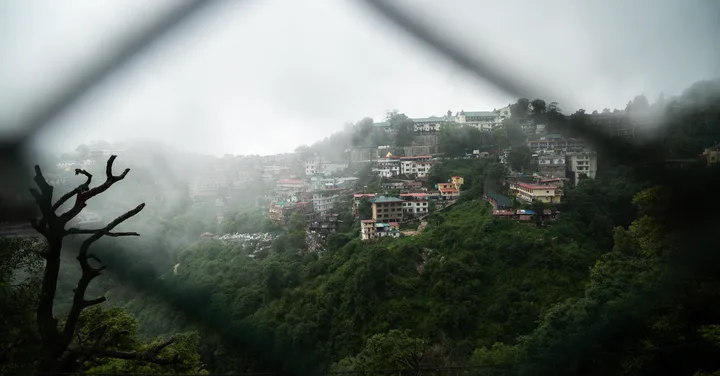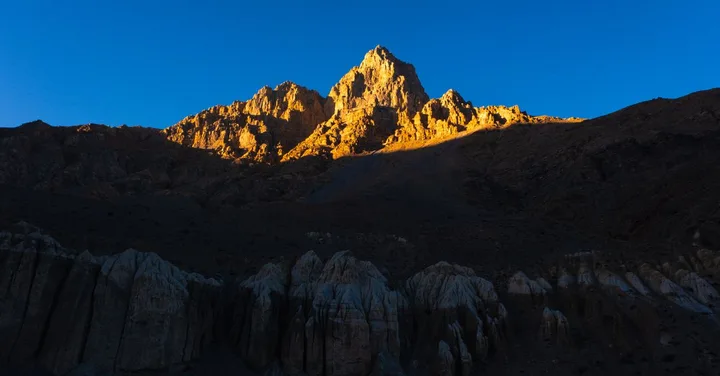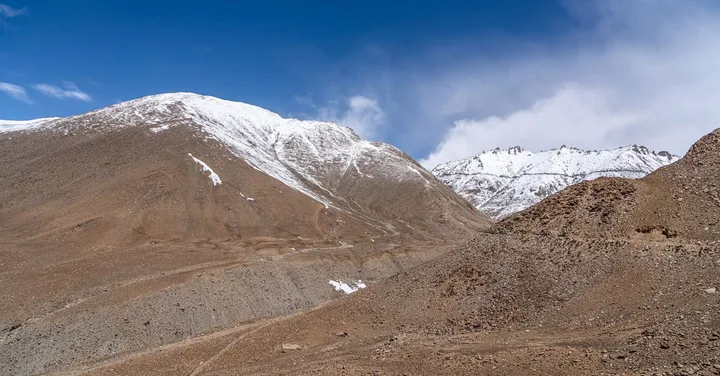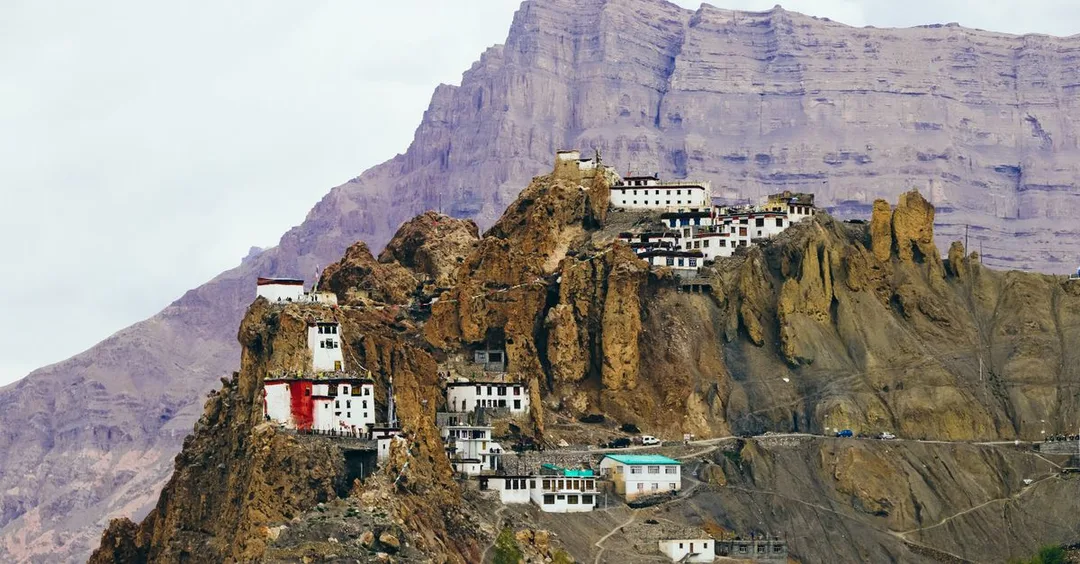
You're standing at 4,550 metres above sea level. The air is thin, the sky is an impossible shade of blue, and in front of you sits a 1,000-year-old monastery that has watched empires rise and fall. There's no phone signal. No Instagram. Just wind, silence, and the faint smell of juniper smoke drifting from a butter lamp inside. This is Spiti Valley, and it does something to you that no beach or city holiday ever could. It rewires you.
If you've been thinking about a Spiti Valley trip in 2026 from Mumbai, this is the guide that gives you everything: the real route, honest timing, practical costs in INR, and the kind of advice you'd only get from someone who has actually been there.
Why Spiti Valley Is Perfect for Indian Travellers
Spiti is not just a destination. It's a test of how much you actually want to see something real.
For Indian travellers who have done Goa, Manali, and Rajasthan and are quietly wondering what comes next, Spiti is the answer. It sits in the cold desert of Himachal Pradesh, sandwiched between Tibet and the rest of India, and it feels like both and neither at the same time. The culture is Tibetan Buddhist. The landscapes look like they belong on Mars. The food is dal-chawal with a side of altitude.
What makes Spiti particularly brilliant for Indian travellers is that you don't need a visa. This is a restricted area, but a simple Inner Line Permit (ILP) handles that, and it's easy to arrange. You're visiting a slice of Tibet without crossing any international border, which is genuinely rare and genuinely special.
The route itself is part of the adventure. The classic circuit goes from Shimla to Kaza (via the Hindustan-Tibet Highway) or from Manali to Kaza (via Rohtang Pass), and ideally you do both, entering one way and exiting the other. Each direction gives you a completely different landscape. The Shimla side is greener, more gradual, almost disbelieving before it gets dramatic. The Manali side hits you fast with high passes, glaciers, and roads that make you grip the door handle.
For travellers flying in from Mumbai or Delhi, the entry point is either Shimla (fly to Shimla airport or take a train to Kalka, then taxi) or Manali (fly to Bhuntar near Kullu, then drive to Manali). The Incredible India tourism board has detailed information on Himachal Pradesh's protected zones and permit requirements if you want official documentation before you travel.
At Safari Sutra Holidays, we've helped thousands of Indian travellers plan Spiti trips over our 12+ years in the business, and the one thing we hear most on return is: "Why did I wait so long?"
Best Time to Visit
The honest answer is that Spiti has two very different personalities depending on when you go, and neither is wrong. They're just different trips.
June to September: The Open Season
This is when the valley is fully accessible, both the Manali-Kaza road and the Shimla-Kaza road are open, and the landscape is at its most alive. "Alive" in Spiti means patches of green near river banks, wildflowers on high passes, and yaks grazing on brown hillsides. It's still sparse and dramatic, which is the whole point.
- June: Early season. Manali side may still have snow at Rohtang and Kunzum Pass. Shimla side opens first. Fewer tourists, cool temperatures.
- July-August: Peak season. Both routes open. Monasteries are active. Festivals like Pin Valley's fair and Ladarcha happen in August. Higher chances of rain causing brief road blockages, but generally manageable.
- September: The sweet spot. Crowds thin, skies clear, and the golden light on the mountains is something else. This is the month most experienced Himalayan travellers prefer.
October to May: The Closed Season (With Exceptions)
By late October, Rohtang and Kunzum passes close due to snow. The Shimla-Kaza route via Kinnaur stays open longer but is tricky by November. In winter, Kaza is accessible only by road through Kinnaur or by helicopter, and temperatures drop to minus 25 degrees Celsius.
Winter trips exist for the very serious and the very warm-clothed. Snow leopard tracking in Pin Valley (December to March) has become a genuine draw for wildlife enthusiasts. But for most travellers, especially first-timers, June to September is the window to plan around.
For a Spiti Valley trip in 2026 from Mumbai: aim for mid-June to end of September. Book early, because flights to Kullu-Bhuntar and accommodation in Kaza fill up faster than you'd expect.
What's Included in Spiti Valley Packages
A well-structured Spiti package is not just hotel bookings and a driver. The logistics here are genuinely complex, and what's included can make or break the trip.
Here's what a good Spiti package from Mumbai covers:
- Flights: Return airfare from Mumbai, typically routed through Delhi and then to either Shimla or Bhuntar (Kullu). Direct flights from Mumbai to these airports don't exist, so connections through Delhi are standard.
- Airport transfers and road transport: A 4WD vehicle (Innova, Ertiga, or Bolero) with a local driver who knows the roads. This is non-negotiable in Spiti. You need someone who has driven Kunzum Pass more than once.
- Accommodation: Options range from basic but charming homestays in villages like Langza and Hikkim to proper guesthouses in Kaza and the handful of boutique properties now operating in the valley.
- Meals: Most Spiti packages include breakfast and dinner. Lunches are typically eaten at small dhabas on the road, which is actually part of the experience.
- Permits: Inner Line Permit (ILP) processing for Spiti, which is compulsory for all visitors including Indian nationals.
- Sightseeing with a guide: Key monasteries like Key, Dhankar, Tabo, and Ki, plus villages like Chicham, Komic, Langza, and the Pin Valley National Park.
- Altitude acclimatisation plan: Any reputable operator, including Safari Sutra Holidays, builds this into the itinerary. Rushing to Kaza without a day in Shimla or Manali first is how trips go wrong.
What is usually NOT included: personal travel insurance (please buy this separately), tips, any drinks or snacks, and emergency medical costs. Altitude sickness can require evacuation, and that's expensive without insurance.
Package Options & Prices in INR
Spiti trips vary a lot in price depending on the level of comfort, number of days, and whether you're doing a one-way or circuit route. Below are realistic 2026 price ranges based on per person costs for a group of two to four travellers, flying from Mumbai.
Option 1: Budget Explorer (8 Nights, 9 Days)
Approx. INR 45,000 to 55,000 per person
Shimla to Kaza one-way. Homestays and basic guesthouses. Shared meals with hosts. Shared 4WD with other travellers. Covers Key Monastery, Kaza, Pin Valley, Langza, Hikkim. No-frills but genuinely warm, local experience. Flights extra.
Option 2: Classic Spiti Circuit (10 Nights, 11 Days)
Approx. INR 70,000 to 85,000 per person
Manali-Kaza-Shimla full circuit. Private vehicle. Mix of guesthouses and one or two boutique stays. Guide for monastery visits. All breakfasts and dinners included. Covers Kunzum Pass, Chandratal Lake, Key, Dhankar, Tabo, Pin Valley, and more. Flights extra.
Option 3: Comfort Spiti (10 Nights, 11 Days)
Approx. INR 1,00,000 to 1,25,000 per person
Full circuit with the best available accommodation in each location: boutique camps near Chandratal, top-rated guesthouses in Kaza, eco-lodges in Tabo. Private vehicle throughout. Local expert guide. Meals included. A couple of experiential additions like a cooking session with a local family or a guided walk in Pin Valley. Flights included from Mumbai.
Option 4: Premium Spiti with Snow Leopard Tracking (8 Nights, 9 Days, Winter)
Approx. INR 1,50,000 to 1,80,000 per person
December to February. Fly into Shimla, drive the Kinnaur-Spiti route (which stays partially open). Based in the Pin Valley area. Expert wildlife guides. Heavy-duty cold-weather gear provided for field days. Heated accommodation. For serious wildlife travellers only. Flights included.
Option 5: Spiti Family Special (10 Nights, 11 Days)
Approx. INR 90,000 to 1,10,000 per person (for families with children 8+)
Modified pacing with acclimatisation days built in. Comfortable accommodation prioritised. Activities chosen for mixed groups. Emphasis on cultural visits over high-altitude passes. Best for families who want the Spiti experience without the extreme adventure elements. Flights extra.
All prices are indicative for 2026 travel. You can Plan Your Trip with Safari Sutra Holidays to get a personalised quote based on your dates, group size, and the kind of experience you're looking for.
Practical Travel Tips
Getting There from Mumbai
Fly Mumbai to Delhi, then Delhi to Bhuntar (Kullu) for Manali access, or Delhi to Shimla for the Kinnaur route. Indigo and Air India operate Delhi-Bhuntar flights. Shimla has a small, sometimes weather-affected airport, so Chandigarh is a reliable alternative with a 4-hour drive to Shimla.
Train option: Mumbai to Kalka overnight, then the iconic toy train to Shimla. Romantic but adds a full day. Works if you have 12+ nights.
Altitude and Health
Kaza sits at 3,800 metres. Langza and Komic are above 4,200. Your body needs time. Spend at least one night in Shimla or Manali before pushing higher. Diamox (acetazolamide) is commonly used for altitude acclimatisation, but consult your doctor before the trip. Carry basic medicines: paracetamol, ibuprofen, ORS sachets, antacids.
Symptoms of altitude sickness include headache, nausea, dizziness, and breathlessness. If they get severe, the only treatment is descent. Don't ignore them.
Permits
Indian nationals need an Inner Line Permit to enter the Spiti region. This can be arranged in Kaza or Shimla through the Sub-Divisional Magistrate office, or your travel operator handles it. Cost is nominal (around INR 500 per person) but the paperwork takes time. Sort it before you arrive at checkpoints.
What to Pack
- Layers, not just warm clothes. Temperature swings from 20 degrees in the afternoon to 0 at night are common.
- Sturdy, broken-in hiking shoes. Not brand-new boots.
- UV-protective sunglasses and high-SPF sunscreen. The UV at altitude is intense.
- A power bank. Electricity in remote villages is solar-dependent and often patchy.
- Cash in hand. There are very few ATMs in Spiti (Kaza has one, sometimes working). Carry sufficient INR from your last city stop.
- A good physical map or downloaded offline maps. Mobile data is largely absent outside Kaza.
Connectivity
BSNL has the best coverage in Spiti. If your primary SIM is Jio or Airtel, consider getting a BSNL SIM before leaving Shimla or Manali. Even then, expect long stretches of zero signal. This is, yaar, actually one of Spiti's greatest gifts.
You can explore all destinations on the Safari Sutra website if you're comparing Spiti with other Himalayan options like Ladakh or Sikkim before making a decision.
Frequently Asked Questions
Q: Is Spiti Valley safe for solo travellers from Mumbai?
Yes, absolutely. Spiti has a very low crime rate and locals are genuinely welcoming. The main safety concerns are road conditions and altitude, not personal safety. Solo travellers do need to be more proactive about finding shared transport or joining small group tours, since renting a private vehicle solo can be expensive. Women travelling solo report feeling safe here, though it's smart to travel with a local guide or join a group for the more remote passes.
Q: How many days do I need for a proper Spiti trip?
Minimum 8 nights if you're doing a one-way route. 10 to 12 nights is better for the full circuit from Manali to Shimla. Anything shorter and you're rushing through a place that specifically rewards those who slow down. Account for at least one acclimatisation day and one buffer day for weather or road delays.
Q: Can I do Spiti with my parents or family with young kids?
With parents who are fit and open to some discomfort, yes, it's doable with the right pacing. Focus on the Shimla-Kaza route, which has a more gradual altitude gain. Avoid high passes like Kunzum if there are elderly travellers with heart or respiratory conditions. With children under 8, the altitude risk is higher, and most doctors advise caution above 3,500 metres for young kids.
Q: What's the road condition like on the Manali-Kaza route?
Bindaas thrilling and occasionally terrifying. The Manali-Kaza road via Kunzum Pass (5,050 metres) is unpaved in long stretches, narrow on mountain edges, and can have fresh snowmelt crossing the road in June. It is safe with an experienced local driver in a 4WD vehicle. The road itself is part of the experience; just don't do it if you have severe motion sickness.
Q: Is there good food in Spiti for vegetarians?
Spiti is surprisingly good for vegetarians. Thukpa (Tibetan noodle soup), momos, tsampa (roasted barley flour), dal, rice, and paranthas are available everywhere. Locals rely heavily on vegetarian food themselves, so you won't struggle. Finding good coffee is harder, tea is everywhere.
Q: What's the best route for a first-time Spiti traveller from Mumbai?
Fly Mumbai to Delhi to Bhuntar. Drive to Manali (4 hours). Spend 2 nights in Manali acclimatising. Then drive Manali-Kaza via Kunzum Pass over 2 days. Spend 4 to 5 nights in and around Kaza exploring the villages and monasteries. Exit via Shimla through the Kinnaur valley. Fly Delhi back to Mumbai. This gives you the full circuit and the most dramatic scenery on the entry.
Q: Do I need travel insurance specifically for Spiti?
Yes, and not just any policy. Make sure your travel insurance covers high-altitude trekking and helicopter evacuation. Many standard domestic travel policies cap coverage below 3,500 metres or exclude adventure activities. Read the fine print before you buy. Given that the nearest proper hospital from Kaza is in Shimla or Manali (several hours away), evacuation coverage is genuinely important here, not a formality.
Plan Your Trip with Safari Sutra Holidays
Spiti is one of those rare places that gives back exactly as much as you bring to it. Come rushing through in 5 days to tick a box and you'll leave wondering what the fuss was about. Come with 10 days, a willingness to sit in a monastery courtyard for an hour doing nothing, and an appetite for altitude and emptiness, and it'll rearrange something in you.
We've been planning Himalayan trips for over 12 years and across 15,000+ trips, the ones that generate the most messages from travellers months later are always Spiti. Something about that cold desert light and the quiet that follows you home.
Whether you want a straightforward 8-night package, a winter snow leopard expedition, or something built exactly around your family's pace and comfort level, we'll figure out the right version of Spiti for you.
Ready to plan your trip? Contact Safari Sutra Holidays today.

Safari Sutra Team
Travel curators with 13 years of experience planning Indian and international holidays — from safari adventures to island escapes.
View All Posts