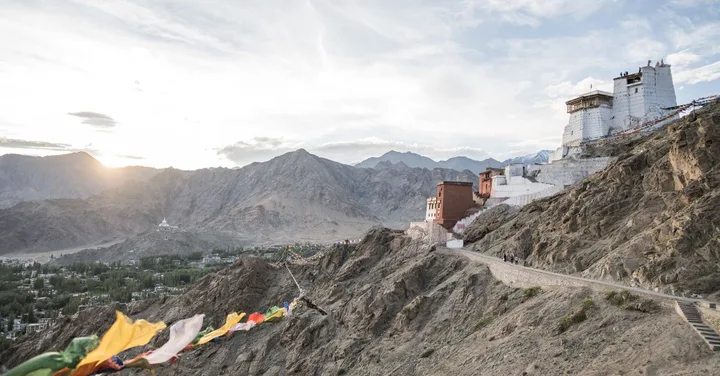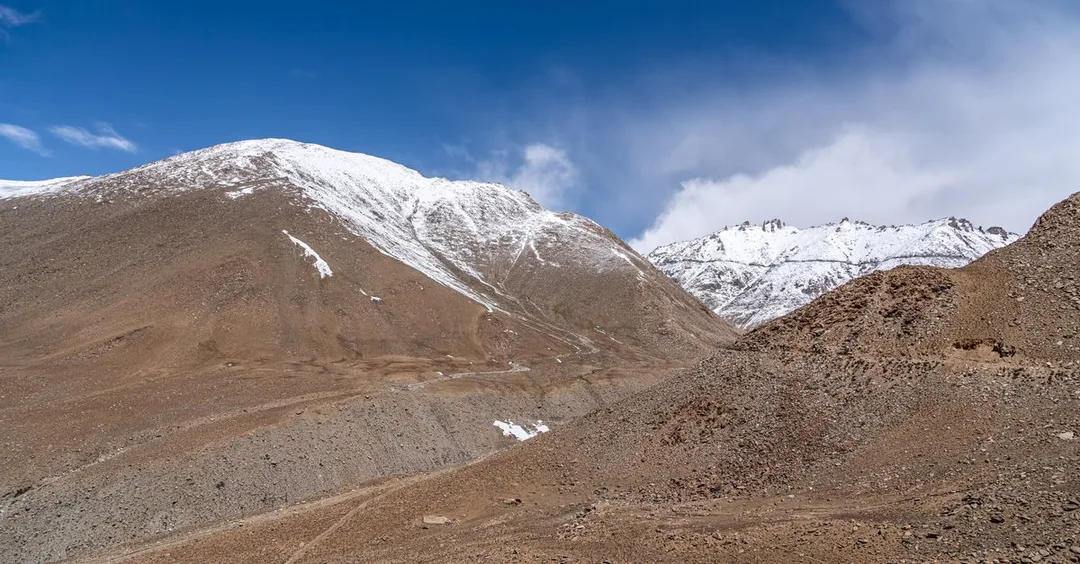
The moment your flight breaks through the clouds and Leh appears below you, white stupas dotting a rust-brown valley with snow peaks rising on every side, you understand immediately why people cry on this approach. It's that sudden. That complete. The air hits you at Kushok Bakula Rimpochhe Airport like nothing else in India: cold, thin, and startlingly clean. You step out, and for a second, you're not sure if you're dizzy from the altitude or just from the sheer scale of what surrounds you.
This is Ladakh, and it will rearrange something inside you.
Leh Ladakh Trip from Mumbai by Air for Indian Travellers: What You Actually Get
A Leh Ladakh trip from Mumbai by air is genuinely one of the best decisions an Indian traveller can make. You skip the gruelling two-day road journey from Manali or Srinagar, land directly in Leh in under three hours, and arrive with energy to actually enjoy the place rather than recover from reaching it.
What you're getting here is not just scenery, though the scenery is extraordinary. You're getting moonscapes and monasteries. A Buddhism-meets-trekking culture unlike anything else in India. Pangong Lake, which looks digitally colour-corrected in real life. Magnetic Hill, which bends your brain. Food that's simple and warming: thukpa (noodle soup), momos, butter tea that takes some getting used to. Monks in maroon robes walking past Ladakhi women in traditional perak headdresses. Sunsets that turn the mountains orange, then pink, then a colour that doesn't have a name yet.
For Indian travellers, there's a particular ease here. No international visa. Your Indian SIM usually works, though Jio and BSNL are more reliable than Airtel in remote areas. The Indian rupee. Familiar foods alongside local ones. And yet, you feel like you've left the country entirely.
The one thing to understand before you go: Ladakh rewards the patient. This is not a destination to rush. You need time to acclimatise, time to sit by Pangong at sunrise, time to drive the Khardung La without watching the clock.
Check out the full range of Ladakh Tour Packages to understand what shape your trip could take before you start planning.
Best Time to Visit (Month-by-Month, Honest)
May to June: The roads to Pangong, Nubra, and Tso Moriri are opening up. Flowers are blooming in the Indus Valley, temperatures are pleasant (5°C to 20°C), and the crowds haven't hit peak levels yet. This is a genuinely excellent window. Pangong will still have some ice lingering on the edges in early May, which is actually a treat.
July to August: Peak season, and for good reason. Everything is open, the days are long, and the light is magical. You will share Pangong with other travellers, but the experience still holds up. Watch out for flash floods during this period, especially on mountain roads. Flights can occasionally get disrupted. Book accommodation and packages well in advance, at least three to four months ahead.
September: Possibly the best month of the year. Crowds thin out, the light turns golden and warm, and the air gets sharper. Monasteries feel calmer. The Ladakh Festival usually happens in early September, with mask dances, archery, and polo played the traditional Ladakhi way.
October: A late window that works for experienced travellers. Pangong starts freezing at the edges, Khardung La can see early snow, and some guesthouses and roads begin closing. The landscape turns stark and surreal. Temperatures at night drop to minus 10°C and below. Not for everyone, but unforgettable for those who go prepared.
November to April: Leh town remains open, and this is when the Chadar Trek happens, frozen Zanskar River walking in January-February. But most of the major attractions are closed, inaccessible, or under snow. Unless you're doing Chadar specifically, this is not the window for first-timers.
The honest verdict: June, September, and early October give you the best experience-to-crowd ratio. July and August are great but busy. Plan accordingly.
Top Experiences You Can't Miss
Pangong Tso: The lake sits at 4,350 metres and changes colour from turquoise to cobalt to steel grey over the course of a single morning. Stay overnight at a camp on the banks. Watch the sun rise over the Himalayan ridgeline. This is the image you've seen in photos and the reality is better.
Nubra Valley: Cross Khardung La, one of the world's highest motorable passes at 5,359 metres, and drop down into a valley that feels like a desert. Sand dunes at Hunder, double-humped Bactrian camels, and apricot orchards all coexist here in a setting that shouldn't make geographic sense but somehow does.
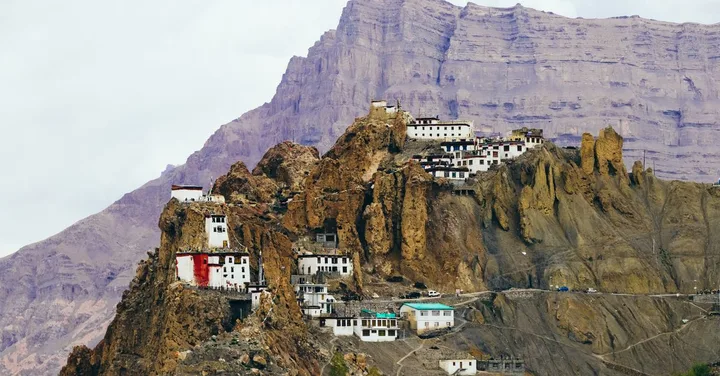
Monasteries: Thiksey is the one to prioritise. It looks like a miniature Potala Palace and the morning puja at 6am, with monks chanting and butter lamps flickering in the half-dark, is something that stays with you. Also visit Hemis (the largest monastery in Ladakh), Diskit in Nubra Valley, and Alchi for its ancient murals.
Magnetic Hill and Gurudwara Pathar Sahib: Two stops on the Leh-Kargil highway that most people rush through, but shouldn't. The gurudwara is genuinely moving, built around a rock that Sikh tradition holds bears the imprint of Guru Nanak. The langar (community kitchen) serves hot food to every visitor, traveller, and army convoy driver. Stop and eat.
Tso Moriri: Fewer people know this lake. It sits higher than Pangong, at 4,522 metres, and is home to bar-headed geese and Tibetan gazelles. The village of Korzok beside it feels like the edge of the world. If your itinerary allows it, this deserves a night.
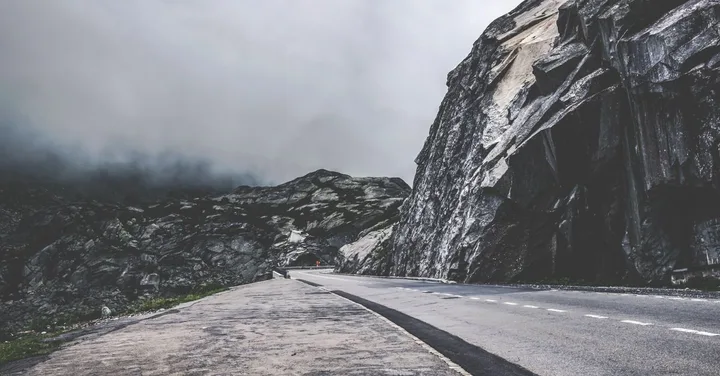
The Drive Itself: Between Leh and Pangong, Leh and Nubra, everywhere really, the roads are the experience. Sheer drops, hairpin turns, rivers running alongside you, army convoys, and every few kilometres a landscape that looks completely different from the last. Hire a local driver who knows the roads.
Safari Sutra Package Options and Prices in INR
At Safari Sutra Holidays, with over 12 years and 15,000+ trips behind us, we've put together Ladakh packages for every kind of traveller: the minimalist adventurer, the family that wants comfort, the couple wanting a private road trip. Here's a realistic breakdown.
Essential Ladakh, 5 Nights/6 Days: Starting from INR 28,000 per person (twin sharing)
Covers flights ex-Mumbai, accommodation in Leh (hotel), Pangong day trip, Nubra Valley with Khardung La, monastery visits. Basic but well-organised. Good for budget-conscious first-timers who want the key experiences without extras.
Classic Ladakh, 7 Nights/8 Days: Starting from INR 42,000 per person (twin sharing)
Adds a night at Pangong Lake camp, more flexibility on Nubra, Tso Moriri option, better hotels in Leh, and a local guide throughout. This is the package most of our travellers choose. It gives you breathing room without pushing the budget into luxury territory.
Ladakh in Comfort, 8 Nights/9 Days: Starting from INR 65,000 per person (twin sharing)
Premium guesthouses and boutique stays, private vehicle throughout, guided monastery visits with context (not just photo stops), and a more personalised day-by-day itinerary. Ideal for couples, honeymooners, or anyone who values quality of experience over quantity of stops.
Luxury Ladakh, 9 Nights/10 Days: Starting from INR 1,10,000 per person (twin sharing)
Includes top properties like The Grand Dragon or Nimmu House, charter-style vehicle arrangements, curated experiences like a private monk interaction, astrophotography night at Pangong, and full concierge support. Best for those who want Ladakh without compromise.
Family Adventure Ladakh, 7 Nights/8 Days: Starting from INR 55,000 per person (family of four)
Designed around families with children aged 8 and above. Careful altitude management, child-friendly accommodation, and activities calibrated for energy levels that vary. We plan rest days that don't feel like rest days.
All prices are indicative and based on season and availability. Flights are included in the above estimates for Mumbai departures. Plan Your Trip with Safari Sutra to get an accurate quote for your specific dates.
Getting There: Flights from India
Flying into Leh is not just convenient, it's dramatic. The approach through the Himalayas is one of the great flight experiences in aviation, full stop.
From Mumbai, direct flights to Leh (IXL, Kushok Bakula Rimpochhe Airport) operate on IndiGo and Air India. Flight time is approximately 2 hours 40 minutes. One-way fares range from INR 4,500 to INR 14,000 depending on how early you book and the season.
From Delhi, there are more daily options and slightly lower fares. If you're flexible, a positioning flight Mumbai-Delhi-Leh can sometimes work out cheaper in peak season and gives you a chance to acclimatise slightly at Delhi's altitude (negligible, but better than nothing).
Book flights as early as possible for the July-August window. Fares spike sharply from May onwards. Early birds booking in February-March for a June trip regularly get fares under INR 6,000 one-way from Mumbai.
A practical note: Leh Airport is an Indian Air Force facility, and flights can be delayed or cancelled due to weather and military priority. Build buffer days into your itinerary, especially around entry and exit. Never book a tight connection home from Delhi on the day you're flying out of Leh.
The Incredible India tourism portal has useful official information on Ladakh's entry requirements and Inner Line Permit details, which is worth a read before you go.
Visa, Vaccinations and Practical Prep
Inner Line Permit (ILP): Indian nationals need an Inner Line Permit to visit certain areas of Ladakh, specifically Nubra Valley, Pangong Tso, Tso Moriri, and the areas near the Line of Actual Control. This is straightforward to get, either online at the official Ladakh portal or through your hotel and tour operator on arrival. Cost is minimal (under INR 500 per person). Don't skip it. Checkpoints are real, and authorities do check.
No visa required: This is India, so Indian passport holders travel freely. Foreign nationals visiting Ladakh have their own permit considerations, but if you're holding an Indian passport, you're set.
Vaccinations: No specific vaccinations are required for Ladakh. Basic travel health sense applies: carry a first aid kit, altitude sickness medication (Diamox, prescribed by a doctor), and personal medications in your carry-on, not checked luggage. Flights get delayed. Bags sometimes take extra time.
Altitude and acclimatisation: This is the single most important practical note in this entire guide. Acclimatise properly. Two nights in Leh before any high-altitude activity is non-negotiable. We've seen clients skip this and spend half their trip unwell. Leh sits at 3,500 metres. Your body needs time. Rest on day one. Walk gently on day two. Drink water constantly. Avoid alcohol in the first 48 hours. On day three, you'll feel like yourself again.
Clothing: Pack for a 20-degree range in a single day. Mornings at Pangong can be minus 5°C even in July. Afternoons in Leh can hit 25°C. Layers are your best friend. Sunscreen is essential; the UV intensity at altitude is significantly higher than at sea level.
Connectivity: BSNL and Jio have the widest network coverage. Download offline maps (Google Maps or Maps.me) before you go. Power banks are useful in remote camps where charging points can be limited.
Frequently Asked Questions
Q: How many days is enough for a Leh Ladakh trip from Mumbai by air?
Seven to eight days is the ideal minimum for a first-timer flying from Mumbai. This gives you two nights in Leh to acclimatise properly, a trip to Nubra Valley, overnight at Pangong, and time for monastery visits without feeling rushed. Five days is possible but tight, and you'll likely feel the altitude pressure more if you're trying to pack too much in early.
Q: Is Leh Ladakh safe for solo travellers and women travelling alone?
Yes, Ladakh has a well-earned reputation as one of the safer destinations in India for solo travellers, including women. The local Ladakhi and Buddhist culture is genuinely welcoming and non-intrusive. That said, go with a reputable operator for logistics like transport and permits, especially for remote areas. Having someone who knows the roads and checkpoints makes a real difference.
Q: What about altitude sickness? How bad is it really?
Honest answer: most people experience some symptoms, usually a mild headache and fatigue in the first 24 to 48 hours. A small percentage have it worse, with nausea, dizziness, and breathlessness. Serious altitude sickness (HAPE or HACE) is rare but exists. The solution is simple: don't rush, rest on arrival, drink water, carry Diamox (on prescription), and don't push activities on day one or two. If symptoms worsen rather than improve after 48 hours, descend.
Q: What is the best time for a Leh Ladakh trip from Mumbai for families with children?
June and early September are the best windows for families. Temperatures are manageable, all roads are open, and children's energy levels don't get taxed by extreme cold. Ensure kids are at least 8 to 10 years old before planning high-altitude excursions like Khardung La or Pangong overnight. Always consult your paediatrician before the trip.
Q: Can I drive to Leh instead of flying? What are my options?
Yes, the Manali-Leh Highway (approximately 490 km) and the Srinagar-Leh Highway (approximately 434 km) are two classic overland routes. Both are open only between May and October and require a minimum of two days of driving. They're extraordinary experiences, but they're not something to take lightly. Road conditions are challenging, altitude gain is rapid, and weather can shift quickly. First-timers who want to cover the main highlights efficiently are better off flying in. Once you've been to Ladakh and want the full road experience, plan a dedicated road trip.
Q: Is Leh Ladakh worth it in October?
For experienced travellers, yes. The crowds are gone, the light is extraordinary, and Pangong Lake begins to freeze. But temperatures drop sharply, some guesthouses close, and you need to be prepared for cold nights. Go with a trusted operator who can confirm which roads and stays are still operational for your specific dates.
Q: How much should I budget per day in Ladakh beyond the package cost?
Budget roughly INR 1,500 to 3,000 per person per day for meals, tips, small shopping (pashmina stoles, local handicrafts, Ladakhi spices), and incidentals. Leh has good cafes and restaurants, and food is not expensive. The main discretionary spend is usually souvenirs and any optional activities your package doesn't cover.
Plan Your Leh Ladakh Trip from Mumbai by Air with Safari Sutra
Ladakh doesn't just sit on your bucket list. It lives in your mind long after you've left, in the specific blue of Pangong at 7am, the sound of drums at a monastery festival, the way the Nubra Valley dunes look completely wrong and completely right at the same time.
You don't need to figure out every detail on your own. The permits, the acclimatisation schedule, the right properties for your travel style, the drivers who know when to stop for a chai and when to push through: this is exactly what Safari Sutra Holidays handles. We've been doing this for over 12 years, across 15,000+ trips, and Ladakh remains one of the destinations we are most passionate about because we know how profoundly it affects people.
The best version of this trip is a planned one. Yaar, trust us on this.
Ready to start planning? Contact Safari Sutra Holidays and we'll handle everything.

Safari Sutra Team
Travel curators with 13 years of experience planning Indian and international holidays — from safari adventures to island escapes.
View All Posts