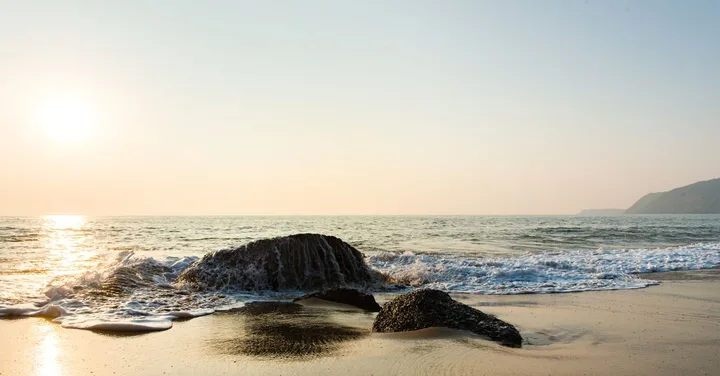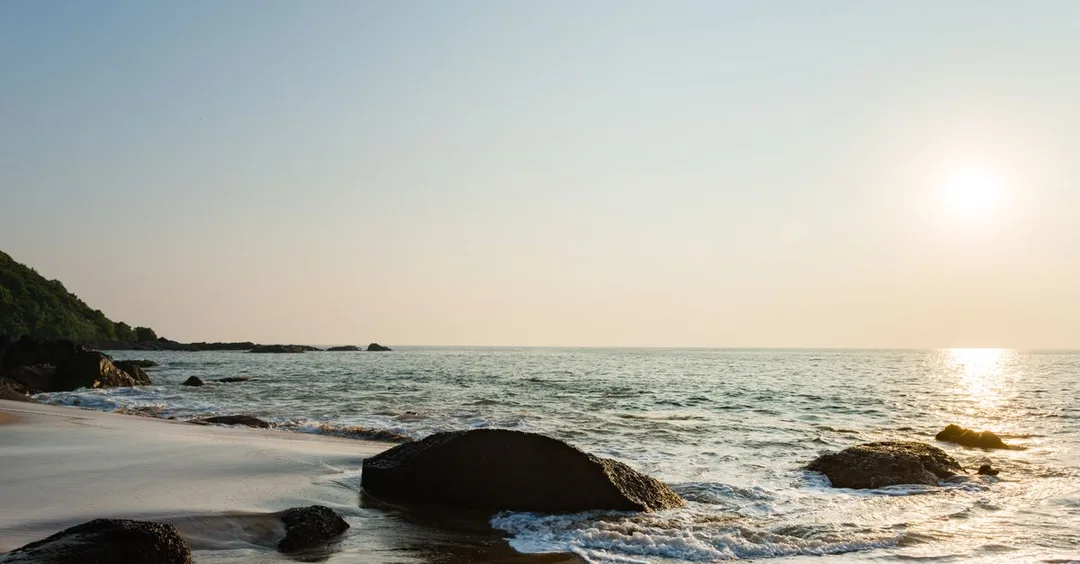
If you've done Baga, survived the Calangute crowds, and eaten one too many tandoori fish platters next to a sound system playing Punjabi remixes at full blast, you already know: there's a better Goa waiting for you.
This isn't a list of "secret" beaches that stopped being secret the moment some Instagram reel hit a million views. These are real alternatives, the kind where you'll actually hear the waves, where the shack uncle knows your name by day two, and where the sand isn't shared with four hundred strangers by noon. Some of these beaches are a short drive from the tourist belt. Others require a little effort. All of them are worth it.
By the time you're done reading, you'll know exactly where to go, which season works best, and how to build a real Goa trip that doesn't feel like a copy-paste of everyone else's Instagram feed. Whether you're planning a solo reset, a couples trip, or a family holiday where you actually want to relax, there's a beach on this list with your name on it. And if you want someone to handle the logistics for you, the Goa Beach Holiday Packages at Safari Sutra Holidays are a solid place to start.
Let's get into it.
1. Butterfly Beach, South Goa
Butterfly Beach doesn't have a road leading to it. That's the whole point.
You reach it by a short boat ride from Palolem, usually a ten-to-fifteen minute hop around the headland, or you can trek down through the forest if you're feeling adventurous. The beach itself is small, crescent-shaped, and genuinely quiet. No loud shacks, no DJ sets, no one trying to sell you a banana boat ride. Just coconut palms leaning over pale sand and turquoise water that shifts colour as the light changes through the day.
It gets its name from the butterflies that are apparently drawn to the forest around it, though what you'll remember more is the silence. Go early morning if you want the beach almost entirely to yourself. Pack water and snacks because supplies are limited. This is one of those places where the journey, the boat ride past fishing villages and cliff faces, is half the experience.
2. Cola Beach (Khola Beach), South Goa
Cola Beach has a freshwater lagoon sitting right behind the sand, separated from the sea by a narrow strip of land. When you see it for the first time, it looks almost too picturesque to be real.
The water in the lagoon is calm and warm. The sea in front is swimmable for most of the year. There are a handful of eco-huts and tented camps set right on the property, and if you stay here overnight, you'll wake up to one of the quieter mornings Goa has to offer. Birdsong, the sound of the lagoon, maybe a fishing boat passing in the distance.
Getting here requires navigating a rough dirt track, which keeps the crowds away naturally. A car with decent clearance helps, and going in a group makes the journey more fun. Check the Goa Tourism website for any seasonal access updates before you go.
3. Kakolem Beach (Tiger Beach), South Goa
Kakolem is the kind of beach that rewards effort. It's a steep climb down through forest, roughly a hundred steps or so, but what waits at the bottom is a wide, completely uncrowded stretch of dark golden sand backed by forested cliffs.
The name "Tiger Beach" sounds dramatic but the only wildlife you'll encounter is the occasional bird and some very bold crabs. The beach faces west, which makes it spectacular for sunsets. Bring your own food and water because there's very little here in the way of facilities. A waterproof bag for your phone and wallet isn't a bad idea either, since you'll be clambering over rocks.
If you want a beach that feels genuinely off the tourist track, this is it. The fact that it takes a bit of effort to get here means most people skip it entirely. That's your advantage.
4. Galgibaga Beach, South Goa
Galgibaga sits very close to the Karnataka border and is one of the few protected beaches in Goa, partly because Olive Ridley sea turtles nest here between November and February.
It's a long, wide, almost empty beach with clean sand and a river mouth at one end. The village nearby is small and unhurried. A few fishing boats, some basic local dhabas, and an atmosphere that feels closer to coastal Karnataka than to the Goa most tourists see. If you're travelling between November and February, you might catch sight of the turtle nesting activity at night, though access is managed and respectful observation is important.
This is the kind of beach where you spend three hours and realise you've barely moved from your spot. That's the goal.
5. Agonda Beach, South Goa
Agonda walks the line between known and quiet better than almost any beach in Goa. It appears on lists, yes, but because it has no water sports, no all-night clubs, and no shacks blasting music, it naturally filters out a certain kind of traveller.
What you get instead is a long, clean beach with gentle waves, good for swimming in season, with a row of low-key beach huts and restaurants that serve fresh seafood without the tourist markup of North Goa. The crowd here skews towards people who are actually trying to slow down. Yoga studios, paperback books, long lunches. The vibe is genuinely relaxed in a way that Palolem, its more famous neighbour, can no longer claim on a busy weekend.
6. Polem Beach, South Goa
Polem is the southernmost beach in Goa and almost no one makes the effort to get there. The drive from Palolem is about forty minutes, the road is manageable, and the payoff is a beach that still feels like it belongs to the local fishing community rather than to tourism.
There's a small fishing village, a few basic shacks, and very little else. The water is clear and calm thanks to the bay's natural shape. You can rent a kayak from the locals and paddle out towards the Karnataka coast on a good day. Bring lunch, because the options here are limited and that's genuinely part of the charm.
7. Siridao Beach, North Goa
Most people spend their North Goa trip bouncing between Baga, Anjuna, and Vagator. Almost no one drives twenty minutes further to Siridao, which is your gain.
Siridao sits on the Mandovi River estuary, which gives it a slightly different character from the open-ocean beaches. The water is calmer, the light has a softness in the evenings, and there are old Portuguese-era ruins and a church near the beach that give the area some historical texture. It's a good spot to combine with a heritage drive through Old Goa if you're spending time in the northern belt.
Not a swimming beach by typical standards, but absolutely worth it for an afternoon of quiet, some photography, and a cold beer while watching the light change over the estuary.
8. Ashwem Beach, North Goa
Ashwem doesn't get the same attention as Morjim just next to it, or Mandrem a little further north, but it's arguably the pick of that entire stretch.
The beach is wide and long, the sand is pale, and the section near the river mouth at the north end is particularly calm for wading and swimming with kids. There are a few good beach shacks and restaurants, the kind that actually care about their food rather than just getting tables filled. The crowd here is a mix of long-stay travellers and Goans from the city who know better than to go to Baga on a weekend.
If North Goa is your preference and you want to balance some beach action with actual rest, Ashwem is the answer.
9. Keri (Querim) Beach, North Goa
Keri is at the very northern tip of Goa, on the other side of the Tiracol River from the Tiracol Fort. You cross over on a small ferry, which is part of the experience, and arrive at a beach that most Goa tourists never see.
The beach stretches for several kilometres with almost no development. The fort sits on the headland across the river, visible from the sand, which gives the whole place a dramatic backdrop. There are a handful of shacks open in season. The water is good for swimming when the conditions are right. And the drive up through Pernem district, with its cashew orchards and quiet villages, is worth doing slowly.
10. Mandrem Beach, North Goa
Mandrem is the quieter cousin of Arambol, which is itself already quieter than the main tourist belt. It sits on a long stretch of coast between Ashwem and Arambol, with a freshwater river running behind it that creates a shallow lagoon popular with families.
The beach is clean and uncrowded by North Goa standards. A few yoga retreats and guesthouses operate along the shore, mostly catering to people on extended stays. The vibe is mellow without being boring. The seafood at the local shacks is honest and good, the kind of places that have been feeding the same regulars for a decade.
This is a strong contender for anyone who wants to stay in North Goa but sleep soundly at night.
11. Betul Beach, South Goa
Betul sits at the mouth of the Sal River and is almost completely off most tourist radars. The beach faces the Sal estuary on one side and the Arabian Sea on the other, which creates an unusual landscape where you can watch fishing boats come and go with the tide while being surrounded by mangroves and casuarina trees.
The village of Betul nearby has a fish market and some of the freshest, cheapest seafood in all of Goa. Getting here requires a bit of navigation, and there's very little English signage, but that's not a problem if you're using Google Maps. The people are friendly, the food is excellent, and the beach feels genuinely untouched in a way that's getting harder to find in Goa.
How to See All of These in One Trip
You can cover most of these beaches in a well-structured ten to twelve day Goa trip if you divide your time sensibly between North and South.
Spend four to five days based in South Goa, using Agonda or a property near Palolem as your base. From here, day trips to Butterfly Beach, Kakolem, Galgibaga, Cola, Polem, and Betul are all manageable. South Goa's roads are better than their reputation suggests, and a rented scooter or hired cab gives you full flexibility.
Then move north for four to five days, staying somewhere around Ashwem or Mandrem. From this base, Keri, Siridao, and Arambol are all within easy reach. You can also dip into Old Goa's heritage sites, the spice plantations around Ponda, or the Saturday Night Market at Arpora if you want a change of pace.
The one practical note: road conditions between the two halves of Goa mean a direct south-to-north drive takes about two hours without traffic. Budget the drive on a separate day so you're not arriving tired and missing a sunset.
What This Trip Costs from India
Flights from Mumbai to Goa are short, usually under an hour, and often available from around Rs 3,000 to Rs 6,000 return depending on how early you book. From Delhi, budget around Rs 5,000 to Rs 10,000 return in regular season.
On the ground, here's a rough range for a ten-night trip for two people:
- Budget level: Rs 40,000 to Rs 60,000 (guesthouses, local shacks, hired scooter for most days)
- Mid-range: Rs 80,000 to Rs 1,20,000 (solid beach hotels, mix of restaurants, hired cab for longer days)
- Premium: Rs 1,50,000 to Rs 2,50,000 (boutique properties, private vehicle throughout, better dining)
The single biggest lever on cost is accommodation. South Goa's quieter beach properties are genuinely good value compared to equivalent quality in Baga or Candolim. A Rs 6,000-per-night beach hut with a garden view in Agonda would cost twice that in the north.
One thing worth knowing: Monsoon Goa from June to September is genuinely beautiful and 40 to 60% cheaper than peak season. The sea is rough, so swimming isn't really on the cards, but the waterfalls are running at full force, the hills are a deep green, the beaches are empty, and the whole state has a different, slower energy. If you've only ever been in November to February, a monsoon trip is a completely different Goa.
Plan Your Trip with Safari Sutra if you want someone to match the right properties to the beaches on this list. After 12+ years and 15,000+ trips, we know which properties actually deliver on their promise.
Frequently Asked Questions
Q: Which is the most secluded beach in Goa for someone who wants zero crowds?
Kakolem (Tiger Beach) and Butterfly Beach are your best bets for genuine seclusion. Both require some effort to reach, Kakolem by foot through forest, Butterfly Beach by boat, which keeps the crowds naturally low. Polem and Betul are also very quiet but slightly more accessible. If you go on a weekday during shoulder season (October or late February), you may have these beaches almost entirely to yourself.
Q: Are these hidden beaches safe for families with young children?
Yes, several of them are excellent for families. Cola Beach has its calm lagoon which is ideal for children who aren't strong swimmers. Mandrem's river inlet is shallow and safe. Ashwem has a calm northern section. Beaches like Kakolem or Butterfly Beach are better suited to adults given the trek or boat ride required to reach them. Always check sea conditions locally before swimming anywhere in Goa, regardless of the beach.
Q: Is it worth visiting Goa during the monsoon to access these quieter beaches?
Absolutely, if your goal is beaches for walking, photography, and atmosphere rather than swimming. The hidden beaches on this list actually benefit more from the monsoon than the popular ones, because they're already quiet in peak season. During monsoon, you're likely to have them completely to yourself. Some shacks and beach huts close during this period, so accommodation options thin out, but the ones that stay open often offer significantly better rates.
Q: How do I get to beaches like Butterfly Beach and Cola Beach without my own transport?
Butterfly Beach is best reached by booking a local boat from Palolem, which any beach shack or hotel there can arrange for you. Cola Beach requires a car or bike due to the rough access road, and a local taxi driver who knows the area is your easiest option. For most of the other beaches on this list, a rented scooter (around Rs 400 to Rs 600 per day) gives you the most flexibility. If you'd rather not navigate yourself, a hired cab for the day typically costs Rs 1,500 to Rs 2,500 depending on distance.
Q: What's the best season to visit these beaches?
October to February is the classic Goa season, with calm seas, good beach weather, and everything open. For the beaches on this list specifically, late October and early November are particularly good because the crowds haven't fully arrived yet but the weather is already excellent. March and April get hot but the beaches stay manageable. May brings the pre-monsoon heat. If you want the cheapest rates and the most dramatic green landscape, June to September works well for these quieter beaches even if swimming is off the table.
Q: Can I combine a South Goa beach trip with heritage sightseeing?
Easily. Old Goa, with its UNESCO-listed churches including the Basilica of Bom Jesus, is about an hour from most South Goa beach hotels. The Shri Mangeshi Temple in Ponda and the nearby spice plantations are also worth a half-day. Siridao Beach in North Goa sits very close to some Portuguese-era ruins. A ten-day Goa trip can genuinely mix beach time, heritage exploration, and food-focused wandering without feeling rushed.
Q: Does Safari Sutra Holidays do Goa beach trips or is it only for safaris?
Safari Sutra Holidays plans the full range of travel, not just safaris. Goa is one of the destinations we know well, both for short breaks from Mumbai and Delhi and for longer holidays. You can browse Goa Beach Holiday Packages on our website or tell us what kind of trip you're after and we'll build something around it.
Ready to Tick These Off Your List?
Goa is one of those destinations people think they've seen before they've really seen it. Baga and Calangute are convenient, but they're not the whole story, not even close. The beaches on this list are what Goa actually looks like when you get past the surface layer.
Whether you want to spend ten days moving between them slowly, or just want to add two or three to an existing trip, the logistics are simpler than they look. The right base, a flexible vehicle, and a basic plan is all you need.
Contact Safari Sutra Holidays and we'll build a trip around exactly what you want to see.

Safari Sutra Team
Travel curators with 13 years of experience planning Indian and international holidays — from safari adventures to island escapes.
View All Posts