Picture this. You're sitting on a wooden stool at a tiny toddy shop somewhere in Ponda, a glass of coconut feni sweating on the table beside you, an old Goan uncle playing a casio keyboard in the corner, and the smell of xacuti drifting from a kitchen you'll never actually see. There's no queue, no influencer with a ring light, no laminated menu with QR codes. Just Goa, the way it actually is. This is what most people miss when they spend three nights at a North Goa beach resort ticking off Baga, Calangute, and a sunset boat ride. Real Goa is louder, quieter, spicier, and a hundred times more interesting than the postcard version. And in 2026, while everyone else is still following the same Google Maps trail, you can do it differently.
Why Goa Is Perfect for Indian Travellers
Let's be honest about something. Goa has a reputation problem among a certain kind of Indian traveller. "Been there, done that" is the default reaction. But that reaction almost always comes from someone who went to Goa once, stayed in a shack in Baga, and never ventured more than 500 metres from the beach. That version of Goa exists, yes. But it's maybe 20% of what this state actually offers.
For Indian travellers specifically, Goa hits different for a few reasons.
No visa headaches. No forex. Flights from Mumbai take under an hour, Delhi is about two and a half hours, Bengaluru even less. You can fly in on a Friday evening and be sitting at a heritage taverna in Fontainhas by Saturday morning. No 15-hour layovers, no jet lag, no currency conversion stress.
The food alone is worth the trip. If you've only had Goan fish curry at a restaurant in Mumbai, you've had a polite, dialled-down version. The real thing, made in a clay pot, eaten with hand-pounded red rice at someone's home in Divar Island, is a completely different experience. The Portuguese influence in Goan cuisine is subtle and fascinating. Catholic households cook vindaloo with a tang and depth that comes from generations of recipe-guarding. Hindu Goan households make a prawn ambot tik so sour and fiery it makes you close your eyes. Both are extraordinary. Both are available to you if you know where to look.
And beyond food, there's the architecture. The Latin Quarter of Panjim, the baroque churches of Old Goa, the ancestral mansions of Chandor and Quepem. These aren't museum pieces. People still live in many of these homes, and a few families welcome visitors for heritage walks and sit-down meals. That combination of lived history, coastal landscape, and genuinely warm local hospitality makes Goa one of the most layered domestic destinations for a curious, premium Indian traveller.
For travellers who've done the usual beach circuits and want something with more texture, Goa Beach Holiday Packages designed around culture, food, and slow travel offer a completely fresh entry point to the state.
Best Time to Visit
November to February (Peak Season, and rightly so)
This is Goa at its most comfortable. Days are warm but not punishing, nights cool enough for a light layer, the sea is calm and swimmable, and the energy is high. December, specifically, draws massive crowds and prices jump significantly. If you're booking for New Year, book at least three to four months ahead. The Sunburn Festival and similar events run during this window, which means certain areas get very noisy. If that's your thing, great. If you want quiet, aim for early November or January onwards.
January and February are arguably the sweet spot. The party crowd has gone home, prices come down, the weather is still perfect, and you'll find it far easier to wander into a village market or sit down at a local eatery without feeling like you're fighting through a crowd.
March and April (Shoulder Season, underrated)
This is when the experienced Goa traveller comes. It's getting warmer, no doubt, but it's not unbearable yet. The beaches thin out dramatically. Restaurants that are fully booked through December will actually give you a table. March brings the Shigmo Festival, a Hindu festival with street processions, folk music, and colour that most tourists completely miss. If you want authentic Goa experiences in 2026, this window deserves serious consideration.
May to September (Monsoon)
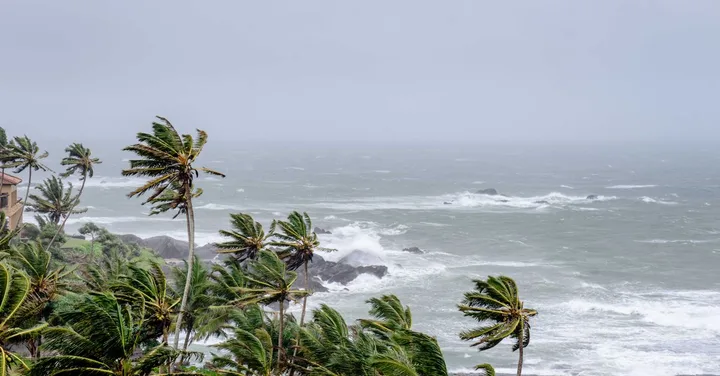
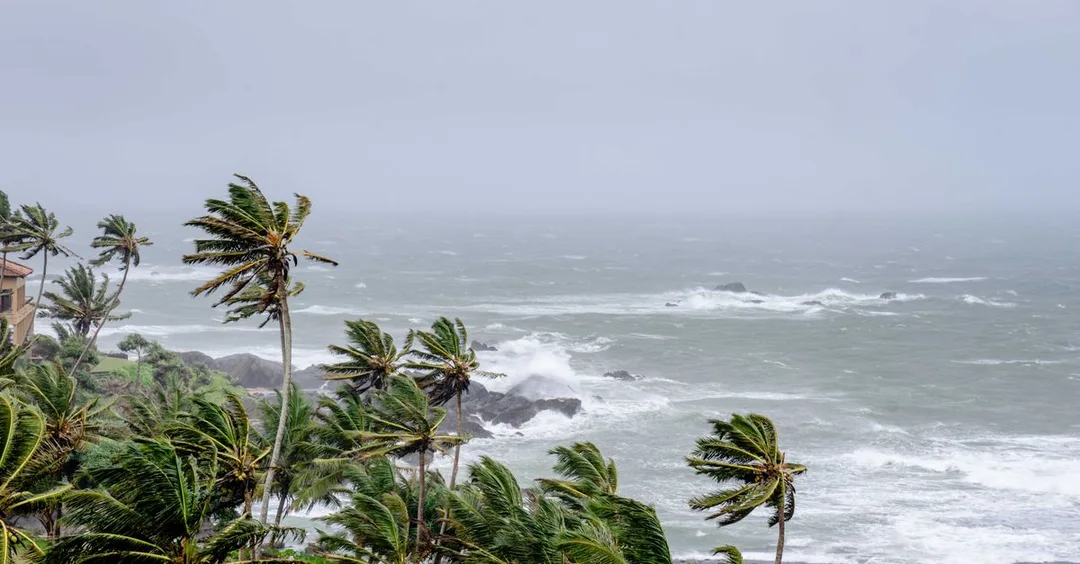
Goa in the monsoon is gorgeous in a raw, untouched way. The Western Ghats go electric green. Waterfalls appear out of nowhere. The sea is rough and grey and dramatic. Most beach shacks close, and a significant chunk of the touristy infrastructure shuts down. This is not the time for a pool-and-beach holiday, but it's a brilliant time for a heritage and nature trip. Dudhsagar Falls is at its most spectacular. The spice plantations are lush and fragrant. Many locals will tell you this is their favourite Goa.
According to Goa Tourism, the state receives the highest footfall between November and February, but the monsoon season has been steadily gaining popularity among domestic nature and wellness travellers.
October (Pre-season)
Everything is reopening, prices are still reasonable, and the sea is just starting to settle. A good month to visit if you're flexible and want to beat the December rush.
What's Included in Goa Packages
Our Goa experiences go well beyond handing you a hotel key and a list of beaches. Depending on the package you choose, here's what you can expect.
- Accommodation ranging from heritage homestays and boutique Portuguese villas to five-star beach resorts, depending on your tier
- Daily breakfast, with select packages including curated meals at heritage homes and local eateries
- Guided heritage walks through Fontainhas (Panjim's Latin Quarter), Old Goa's churches, and select ancestral homes
- Spice plantation visits with lunch in South Goa
- Private transfers between airport, hotel, and experiences
- Village experiences including a cooking class with a local Goan Catholic or Hindu family
- Divar Island or Chorao Island day trip by ferry, with a naturalist guide
- Optional: Sunset sailing on a traditional vessel, kayaking through mangroves, or a private wine and feni tasting session
- A dedicated Safari Sutra trip coordinator available on WhatsApp throughout your stay
What you won't find in our packages is a bus tour that stops at Calangute for 40 minutes and calls it "a beach experience." That's not how we operate. With over 12 years and 15,000+ trips planned across India and the world, we've learned that what people actually remember is the texture of a trip, not the checklist.
Package Options and Prices in INR
These prices are per person on a twin-sharing basis, excluding flights from your home city. All taxes are included.
Essential Goa: 3 Nights / 4 Days
Ideal for: First-timers wanting a mix of beach and culture
- Boutique guesthouse in Panjim or South Goa
- Daily breakfast
- One heritage walk in Fontainhas
- Airport transfers
Starting from INR 18,000 per person
Heritage and Coast: 4 Nights / 5 Days
Ideal for: Couples and solo travellers interested in food, history, and slow travel
- Stay in a restored Portuguese villa or heritage homestay
- Breakfast and two meals at local family homes
- Guided heritage walks, spice plantation visit, Divar Island day trip
- Private transfers throughout
Starting from INR 32,000 per person
Premium Goa Retreat: 5 Nights / 6 Days
Ideal for: Premium travellers who want comfort without sacrificing authenticity
- Stay at a five-star property with a heritage or garden setting
- Curated food trail with a private guide, cooking class, village market visit
- Sunset sailing, kayaking in mangroves
- Candlelit dinner at an ancestral Goan home (exclusive experience)
- Dedicated trip coordinator on call
Starting from INR 65,000 per person
Family Goa Escape: 4 Nights / 5 Days (for 4 people)
Ideal for: Families with children who want more than a beach holiday
- Family suite or private villa accommodation
- Kid-friendly spice plantation visit with activities
- Beach time, dolphin spotting, and a cooking session for kids
- All transfers and a family guide
Starting from INR 1,10,000 for a family of four
Monsoon Magic Goa: 3 Nights / 4 Days (July to September)
Ideal for: Couples or solo travellers who want Goa in its rawest form
- Heritage homestay with authentic Goan meals included
- Dudhsagar Falls trip, Western Ghats nature walk
- Spice farm in full bloom
- Private transfers
Starting from INR 24,000 per person
Prices vary based on travel dates, property availability, and group size. Get in touch via the Plan Your Trip contact page for a customised quote.
Practical Travel Tips
Getting There
Direct flights to Goa (Dabolim or the newer Mopa airport in North Goa) operate from Mumbai, Delhi, Bengaluru, Hyderabad, Chennai, Kolkata, and Pune. From Mumbai, fares start around INR 2,500 one-way if booked early. From Delhi, budget INR 4,000-8,000 for a return ticket booked two to three months ahead. The two airports serve different parts of Goa, so make sure your accommodation is near the airport you're flying into before booking.
No visa required. This is domestic India.
Getting Around
Goa is not a walking destination between attractions. Renting a scooter is the classic option and still wonderful if you're comfortable. But for a premium experience, a hired car with a local driver makes a significant difference. A good Goan driver isn't just transport. They know which bakery makes the best bebinca, which village has a church festival this weekend, and which beach road to avoid at sunset. Worth every rupee.
What to Pack
- Light cotton and linen clothing for the heat
- A pair of comfortable walking shoes for heritage walks (flip-flops won't cut it on cobblestone streets)
- Sunscreen, and more sunscreen
- A light waterproof layer if travelling October to December (occasional showers)
- Full rain gear if going during monsoon months
Health and Safety
Goa's tap water is not reliable for drinking. Stick to sealed bottles. Stomach issues from street food are common if you're not used to very spicy, acidic food. Go slow the first day. Carry a basic ORS and antacid. Sun exposure is serious here. Hydrate constantly.
The state is generally very safe for Indian travellers. Solo women travellers report feeling comfortable in South Goa and Panjim especially, though the same sensible precautions you'd take anywhere apply.
Connectivity
Jio, Airtel, and Vi all work well across Goa. If you're staying in a remote island or plantation area, signal can be patchy. Download offline maps before you head out.
Frequently Asked Questions
Q: Is Goa only good for beach holidays?
Absolutely not. This is probably the biggest misconception about Goa. The state has a rich Portuguese-influenced heritage, some of India's most fascinating colonial architecture, excellent birding in the Western Ghats, wildlife at Bhagwan Mahavir Sanctuary, spice and cashew plantations, and a food culture that's genuinely unlike anywhere else in India. If you've done Goa once and feel "been there," you almost certainly haven't seen the Goa that locals are proud of.
Q: Is Goa expensive for Indian travellers?
It depends entirely on how you travel. A budget backpacker can get by on INR 2,000 a day including accommodation. A couple doing a heritage and food-focused premium trip can spend INR 10,000-15,000 a day comfortably. The widest variance is in accommodation. December prices at North Goa beach properties can be genuinely shocking. If you avoid the peak Christmas-New Year window and stay slightly inland or in South Goa, you'll get significantly more value.
Q: Is South Goa really that different from North Goa?
Yes, genuinely. North Goa, particularly the Baga-Calangute-Anjuna belt, has a louder, more commercial energy. It's fun if that's what you want. South Goa, especially around Palolem, Agonda, and Patnem, is quieter, greener, and more laid-back. Panjim and Old Goa sit in the middle geographically and culturally. For a first trip, North Goa gives you energy and variety. For a return trip focused on authentic Goa experiences in 2026, South Goa and Panjim are the better bet.
Q: Can I visit Goa with elderly parents or young children?
Yes, and it's actually a great destination for both. Goa has no altitude to worry about, the food is accessible (coconut-based curries, rice, fresh seafood), and the pace is adjustable. For elderly parents, South Goa's calmer beaches and heritage walks in Panjim are ideal. For young children, the beach, dolphin spotting, and spice plantation visits tend to be hits. We design family itineraries specifically around these needs, so nothing feels like a compromise.
Q: What's the best way to eat authentic Goan food without ending up at a tourist trap?
Ask a local. Seriously. Your hotel manager, your driver, the person at the ferry ticket counter. Goan food is a source of enormous local pride, and most people will happily direct you to a family-run place they actually eat at. Look for places with no English signboard, a handwritten menu, and plastic chairs. Some of the best Catholic Goan food in the state is served at church-connected canteens during festivals. Plan your trip around a village feast day if you can. Our guides always have a running list of where the real meals are happening.
Q: How many days do I actually need in Goa?
Three nights is the minimum to feel like you've done more than arrive and leave. Four to five nights is the sweet spot for a mix of beach, heritage, and food. Seven nights sounds like a lot until you're there and realise you've only scratched the surface. If you're doing a monsoon trip focused on nature and the Ghats, five nights works well. For a comprehensive heritage and coastal trip, we recommend at least five nights.
Q: Is it safe to rent a scooter in Goa without prior experience?
Honest answer: no. Goa's roads are not as simple as they look. Traffic in North Goa during December is genuinely chaotic, potholes are unpredictable, and there are frequent accidents involving tourists who've never ridden a two-wheeler. If you're an experienced rider who rides regularly at home, you'll be fine. If you're someone who rents a scooter specifically because "that's what you do in Goa," please hire a car and driver instead. It's safer and often not much more expensive when split across a group.
Plan Your Trip with Safari Sutra Holidays
Goa in 2026 is yours to explore properly. Not the version that everyone photographs and forgets, but the one where you're eating a prawn recheado with your hands at a table covered in newspaper, listening to konkani music from the next room, with no particular agenda except to be somewhere real.
That version of Goa doesn't require luck. It requires knowing where to go, when to go, and who to ask. That's exactly what we do.
Safari Sutra Holidays has been planning trips like this for over 12 years, across more than 15,000 journeys. We know Goa well because we've sent thousands of Indian travellers there and listened to what actually moved them. Not the beach selfie, but the moment a 90-year-old woman taught someone to roll a Goan sweet in her kitchen in Aldona. Those moments don't happen by accident.
Whether you're looking for a quick long-weekend escape from Mumbai, a family trip with elderly parents, a honeymoon in a heritage villa, or a solo monsoon adventure through the Ghats, we'll build it around what actually matters to you.
Ready to plan your trip? Contact Safari Sutra Holidays today.

Safari Sutra Team
Travel curators with 13 years of experience planning Indian and international holidays — from safari adventures to island escapes.
View All Posts