You've booked your Africa safari. The lions, the elephants, the sunsets over the Mara. Now you're staring at an open suitcase wondering what on earth to actually put in it. Most packing lists you find online are written for travellers flying from London or New York, carrying completely different products, facing completely different pre-trip realities. This one is written specifically for you, packing from Mumbai, Delhi, Bengaluru, or Chennai, navigating Indian pharmacies, Indian luggage rules, and the very specific anxieties of an Indian traveller heading to the African bush for the first time.
Let's fix that suitcase, properly.
Why Africa Safari Is Perfect for Indian Travellers
Indian travellers take to safari life faster than most people expect. Maybe it's because we've grown up respecting wildlife, visiting national parks since childhood, or simply because the pace of safari, slow mornings, long game drives, quiet evenings with a drink in hand, feels like a genuine reset from the chaos of Indian city life.
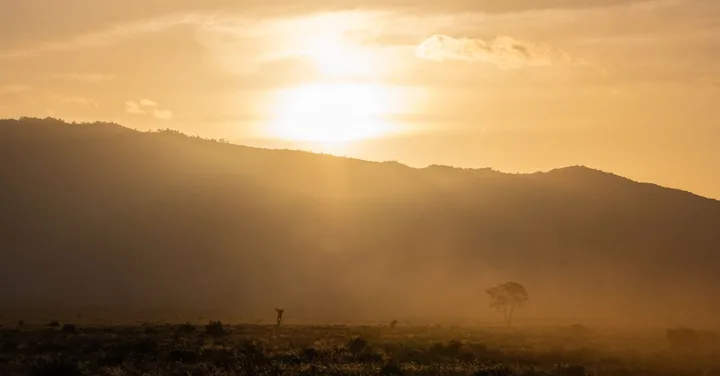
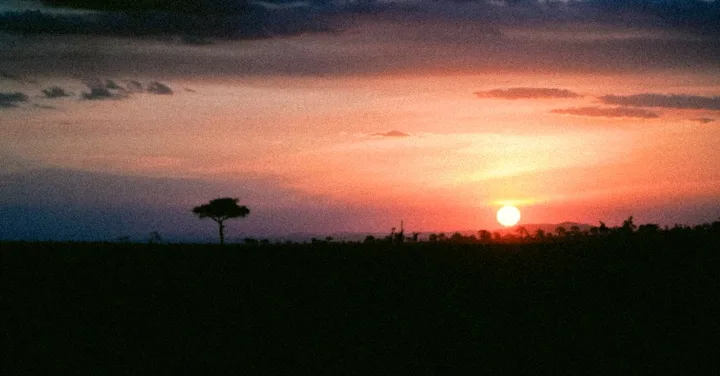
Africa also hits different when you're used to dense crowds. The Serengeti at sunrise, with nothing but golden grass stretching to the horizon and a cheetah scanning the plains, delivers a kind of silence that is almost physical.
From an Indian traveller's standpoint, Africa works well logistically too. Flights from Mumbai and Delhi to Nairobi, Johannesburg, or Addis Ababa are well-connected. The time difference with East Africa is only 2.5 hours ahead of IST, so jet lag is minimal. And the food, especially across Kenya and Tanzania, tends to be spice-forward enough that your palate won't feel completely abandoned.
We've helped plan over 15,000 trips at Safari Sutra Holidays across 12+ years, and Africa consistently surprises our Indian travellers, not just for the wildlife, but for how genuinely comfortable and accessible it is once you know how to prepare.
Best Time to Visit
The honest answer is: Africa safari is good almost year-round, but certain months reward certain experiences.
January to March: Excellent game viewing in most parks. Fewer crowds. Tanzania's Ngorongoro Crater and Amboseli in Kenya are brilliant during this window. Green season means lush landscapes, but wildlife is a little more spread out.
April to May: The long rains in East Africa. Parks are quieter, prices drop, and the landscape turns intensely green. Not ideal for first-timers who want maximum sightings, but experienced travellers love the dramatic skies.
June to August: This is peak season for a reason. The Great Migration in the Masai Mara and Serengeti is at full force. Rivers crossings happen here. Dry conditions concentrate animals around water sources. Book at least 8 to 10 months ahead if you want the top lodges during this window.
September to October: Still excellent. Migration continues into October in the Mara. Southern Africa, especially Zambia and Botswana, is superb this time of year for big cat sightings.
November to December: Short rains in East Africa. Game viewing remains solid. A good time to combine a safari with a Zanzibar or Mauritius beach extension for Indian families travelling during school holidays.
What's Included in Safari Packages
A properly built Africa safari package from India should cover the following, and if it doesn't, ask why.
- Return international flights from your departure city (Mumbai, Delhi, Bengaluru) to the safari hub (Nairobi, Arusha, Livingstone, Johannesburg)
- Internal bush flights or road transfers between parks
- All accommodation, typically a mix of tented camps and lodges
- All game drives with a professional guide, usually morning and afternoon drives
- Full board meals at camp (breakfast, lunch, dinner, plus bush snacks on drives)
- Park and conservancy fees, which are significant and often left out of cheap quotes
- A dedicated naturalist guide throughout the trip
What's usually not included: tips and gratuities (budget USD 15 to 20 per day total for guides and camp staff), personal bar bills, visa fees, and any pre or post trip nights in the gateway city.
When you explore all destinations on Safari Sutra, you'll notice we break down inclusions clearly for each safari itinerary rather than burying them in fine print.
Package Options and Prices in INR
Pricing for Africa safaris varies enormously based on accommodation level, season, and number of parks. Here's a realistic snapshot for Indian travellers:
Entry-level Safari (5 nights, 6 days)
Budget tented camps, one park (Masai Mara or Serengeti), shared game drives. Approximately INR 1,80,000 to 2,20,000 per person. Good for young travellers or first-timers who want to test the experience.
Mid-range Safari (7 nights, 8 days)
Comfortable lodges with private facilities, two parks, private game drives. Approximately INR 3,00,000 to 4,00,000 per person. This is the most popular category for Indian couples and small families.
Premium Safari (8 nights, 9 days)
Luxury tented camps (think four-poster beds, plunge pools, serious views), three parks, fully private vehicle, bush walks included. Approximately INR 5,50,000 to 7,50,000 per person. This is what you book when you want zero compromises.
Ultra-luxury / Exclusive Use (custom itineraries)
Private conservancies, exclusive camp buyouts, private chef in the bush. Starts at INR 10,00,000+ per person. We've done these for honeymoon couples and multigenerational family trips alike at Safari Sutra Holidays.
Family Safari (designed for Indian families with children)
Child-friendly lodges, flexible meal timings, dedicated family guides, often combined with a beach extension in Zanzibar. Approximately INR 4,50,000 to 6,00,000 per adult. Kids under 6 or 7 have specific considerations, so always check with your travel specialist before booking.
All prices include international flights from India unless stated otherwise. They vary by season, departure city, and availability.
Practical Travel Tips
The Actual Packing List for Indian Travellers
Clothing:
- Neutral-coloured clothes: khaki, olive, tan, beige. Leave the bright kurtas and white linen at home. This isn't Instagram staging; bright colours disturb animals and attract tsetse flies.
- Layers are essential. Bush mornings can be 12 to 14 degrees Celsius even in summer. Pack a light fleece or windcheater.
- One warm jacket for cold evening drives, especially in the Mara or Zambia in June-August.
- Light, breathable full-sleeve shirts for afternoon drives. Sun protection matters more than you think.
- Comfortable walking shoes and one pair of sandals for camp. You don't need hiking boots unless bush walks are planned.
- Wide-brimmed hat. A must.
Electronics:
- Universal travel adapter, especially for South Africa (Type M plug) and East Africa (Type G plug).
- Bring a portable power bank. Some camps charge devices only at mealtimes.
- Dust covers or ziplock bags for your camera equipment. The roads in Serengeti and Mara kick up serious dust.
Health and Medical:
- Antimalarials: Consult your doctor before travel. Malarone, Doxycycline, and Lariam are the three main options. Buy them in India before you go - prices are significantly lower than in Kenya or Tanzania.
- DEET-based mosquito repellent (50% concentration). Brands like Jungle Formula are good and available in Indian pharmacies.
- Basic first aid kit: ORS packets (you know how we love ORS), ibuprofen, antihistamines, and a small wound kit.
- Yellow fever vaccination certificate. Required for entry into Kenya, Uganda, and several other African countries if you're arriving from certain countries. Check the current requirements with your doctor and the Incredible India health advisory resources for general outbound travel guidance.
- Sunscreen SPF 50 or higher. The African sun is a different beast.
Food Items (the Indian traveller essential list):
Bring a small stash of instant dal, khichdi packets, mathri, or whatever gets you through travel anxiety. Most safari camps serve excellent food, but 10 days is a long time to go without something familiar. A small box of chyawanprash doesn't hurt either.
Documents and Money:
- E-visa for Kenya: apply online at least 2 weeks before travel.
- Tanzania e-visa: available on arrival but applying online is smoother.
- USD cash in small denominations (1s, 5s, 10s) for tips and small purchases. Kenya and Tanzania accept USD widely.
- Travel insurance: mandatory, not optional. Medical evacuation from a remote safari camp is genuinely expensive without it.
Bag strategy: Most internal bush flights have a 15kg baggage limit and require soft-sided bags only. Hard shell suitcases won't fit in the small Cessna aircraft luggage holds. A duffel bag or soft backpack works perfectly for in-bush travel.
Frequently Asked Questions
Q: Can I find vegetarian food on an Africa safari?
Yes, comfortably. Upscale safari camps are well-accustomed to dietary requirements and nearly all of them cater to vegetarians. When booking, mention your dietary preference explicitly so it's communicated to all camps in your itinerary. Jain and vegan requirements are increasingly accommodated at premium properties.
Q: Do I need to be physically fit for a safari?
Game drives are largely passive, so a reasonable level of fitness is all you need for most safaris. If your package includes bush walks or canoe safaris, a moderate level of fitness helps. Older travellers and those with mobility concerns do safaris comfortably every year as long as the right accommodation and vehicle type are selected.
Q: What voltage do they use in Kenya and Tanzania? Will my Indian devices work?
Kenya and Tanzania use 240V at 50Hz, the same as India. Your devices will work, though plug types differ. East Africa predominantly uses the Type G (British) three-pin plug. Carry an adapter; it's widely available at Indian electronics stores for under INR 300.
Q: Is it safe to drink tap water in African safari camps?
No. Drink bottled or filtered water only. Reputable safari camps provide filtered drinking water and bottled water in rooms. Carry a reusable bottle to refill at camp and take on drives.
Q: How much cash should I carry for tips?
Budget USD 15 to 20 per day for the whole camp, split between your guide (USD 10-12 per day) and camp staff (USD 5-8 per day combined). Tip at the end of your stay at each camp. Keep small USD bills; camp staff rarely have change.
Q: Should I buy travel insurance in India before flying?
Absolutely yes, and do it before you fly, not at the airport. Medical evacuation by air from a remote Kenyan park to Nairobi can cost USD 15,000 to 25,000 without coverage. A comprehensive travel insurance policy for Africa from India typically costs INR 1,500 to 4,000 per person for a 10 to 14 day trip depending on the provider. HDFC Ergo, ICICI Lombard, and Bajaj Allianz are popular options.
Q: Can I use an Indian SIM card in Africa, or should I buy a local one?
Your Indian SIM will work via roaming but at eye-watering rates. In most safari camps you'll have limited to no connectivity anyway, which is partly the point. If you need internet access in the gateway city (Nairobi, Arusha, Johannesburg), a local SIM is inexpensive and easy to buy at the airport. Safaricom in Kenya and Vodacom in Tanzania offer good coverage.
Plan Your Trip with Safari Sutra Holidays
Getting your packing list right is genuinely half the battle. When you arrive in camp knowing you've got your antimalarials sorted, your soft duffel packed within the weight limit, your USD tips counted, and your fleece ready for that cold Mara morning, the whole experience shifts. You're present. You're comfortable. You're watching a leopard drag its kill up an acacia tree instead of worrying about whether you forgot sunscreen.
That's the trip we want you to have. And getting the details right from the India end, the visa, the flights, the camp sequence, the packing, is exactly what Safari Sutra Holidays has been doing for 12+ years and 15,000+ trips.
If you're still sorting out the bigger picture, the right destination, the right season, the right itinerary for your group, the team is right here. Plan your trip with Safari Sutra Holidays and we'll sort it out together, yaar.
Ready to plan your trip? Contact Safari Sutra Holidays today.

Safari Sutra Team
Travel curators with 13 years of experience planning Indian and international holidays — from safari adventures to island escapes.
View All Posts