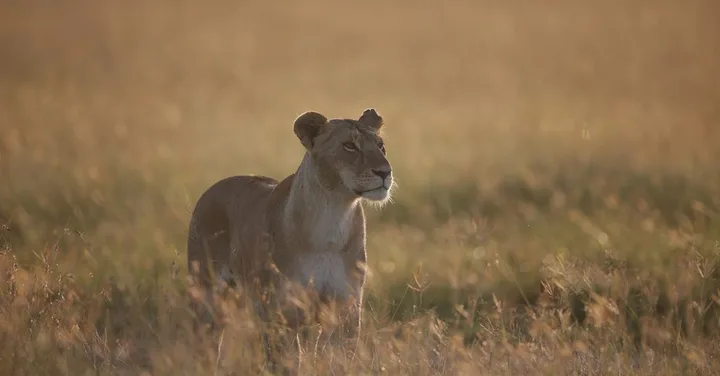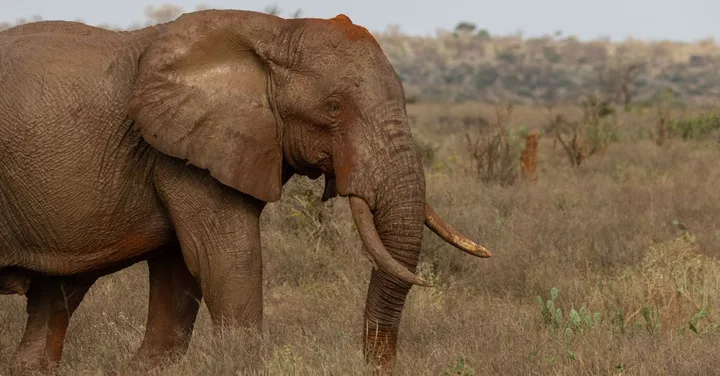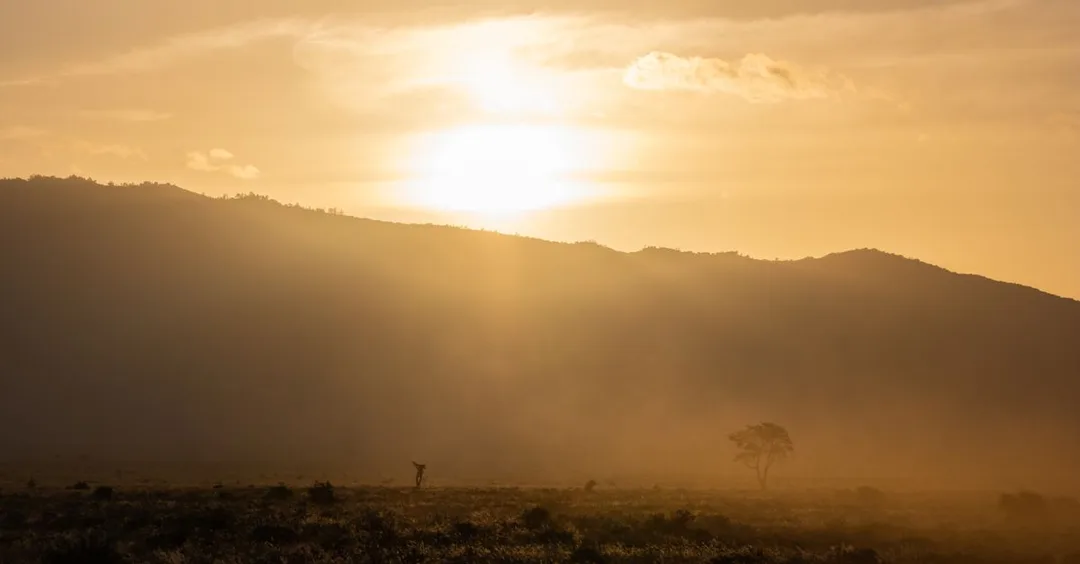
You're standing at the edge of the Maasai Mara at dawn, the grass still silver with dew, and a leopard is draped across an acacia branch fifty metres away. Your heart is hammering. Your camera is out. And your friend next to you is frantically digging through a duffel bag looking for an extra layer because nobody warned her that Kenya mornings are cold. Don't be that person. Packing for a Kenya safari from India is genuinely straightforward once you know what actually matters in the bush, and what you can safely leave at home. This guide gives you the real list, built from experience across 15,000+ trips and 12+ years of sending Indian travellers to East Africa.
Why Kenya Is Perfect for Indian Travellers
Kenya is one of those destinations that rewards you from the moment you land. The wildlife is extraordinary, yes, but what strikes most Indian travellers first is how welcoming the whole experience feels. English is widely spoken, the food is familiar enough (rice, lentils, and grilled meats are staples), and the people have a warmth that feels genuinely close to home.
There's no language barrier to stress about. No extreme dietary panic, especially if you flag vegetarian requirements in advance, which good operators handle easily. And crucially, Kenya is accessible. Direct flights from Mumbai and Delhi to Nairobi take around eight to nine hours, and the Kenya Wildlife Service manages its parks and reserves with a professionalism that makes the whole experience feel safe and well-structured.
The Maasai Mara alone would justify the trip. But Kenya also gives you Amboseli with Kilimanjaro as a backdrop, Samburu with species you won't find anywhere else in Africa, and the Laikipia Plateau for something a little more off the beaten track. It's a country built for the curious traveller, and Indian travellers, who love depth, culture, and genuine encounters, tend to fall completely in love with it.
For a detailed look at what the country offers across different regions, the Magical Kenya tourism board is a great starting point before you build your itinerary.
Best Time to Visit (Month by Month, Honest)
Kenya doesn't have a bad season, but some months are clearly better than others depending on what you want.
July to October is peak season for a reason. This is when the Great Migration crosses from the Serengeti into the Mara, and the game viewing is as good as wildlife gets anywhere on the planet. Expect crowds in popular camps and higher prices, but the experience justifies both.
January and February are excellent for Amboseli and Samburu. The skies are clear, Kilimanjaro is visible most mornings, and the crowds are thinner. Prices are noticeably more reasonable too.
March to May is the long rainy season. Some camps close, tracks get muddy, and the Mara can be difficult to navigate. That said, the landscape turns incredibly lush, and photographers who can handle the rain often get extraordinary shots. Rates drop significantly.
June is the shoulder month before the peak rush. Game viewing is already excellent, the migration is building, and you get better availability and pricing than July onwards.
November and December bring the short rains, shorter and less disruptive than the long rains. December especially, around Christmas and New Year, sees a spike in luxury bookings from Indian families. Book early if this is your window.
What's Included in Kenya Safari Packages
Most quality Kenya safari packages from India include more than people expect. Here's what a solid package typically covers:
- Return international flights from Delhi or Mumbai to Nairobi (JKIA)
- Airport transfers and internal safari flights or road transfers between parks
- Accommodation, ranging from tented camps to luxury lodges, on a full-board basis
- Game drives, usually two per day in a private or shared 4x4 vehicle with a naturalist guide
- Park entry fees and conservancy fees
- Visa on arrival fees (sometimes, though confirm this per package)
What's usually not included: tips for guides and camp staff, personal shopping, optional activities like hot air balloon safaris, and travel insurance. Always clarify these before you book.
For a full breakdown of what different packages cover, check our Kenya Wildlife Safari Packages page, which lays it out by tier and travel style.
Package Options and Prices in INR
Here's a realistic snapshot of what you'll pay per person for a Kenya safari from India in 2026, based on double occupancy:
Budget-Conscious Safari (8 nights/9 days)
Shared game drives, mid-range tented camps, road transfers between parks. Covers the Maasai Mara and Nairobi.
Approx. INR 2,00,000 to 2,60,000 per person
Classic Safari (8 nights/9 days)
Private game drives, comfortable lodges and permanent tented camps, one internal flight. Covers Amboseli and the Mara.
Approx. INR 3,20,000 to 4,20,000 per person
Premium Safari (10 nights/11 days)
Private vehicle, high-end camps with excellent guiding, mix of three parks including Samburu or Laikipia.
Approx. INR 5,00,000 to 6,50,000 per person
Luxury Migration Safari (10 nights/11 days)
Top-tier camps positioned for the Great Migration, private butler service, balloon safari included.
Approx. INR 8,00,000 to 12,00,000 per person
Family Kenya + Beach Combo (12 nights/13 days)
Safari circuit plus Diani Beach extension, family rooms, child-friendly guides, Indian meal options arranged.
Approx. INR 6,50,000 to 9,00,000 per person
These are indicative ranges. Prices shift based on departure city, camp availability, and season. Our Best Kenya Safari Packages from India 2026 guide goes deeper into how to pick the right tier for your travel style and budget.
Practical Travel Tips
The Kenya Safari Packing List India Travellers Actually Need
This is the section you came for. Here it is, honest and practical.
Clothing
- Neutral colours only: khaki, olive, tan, grey, brown. Avoid white (dust) and bright colours (disturbs animals and other guests).
- 3 to 4 pairs of lightweight trousers or zip-off convertibles. Quick-dry fabric is your best friend.
- 4 to 5 light shirts or tees, long-sleeved options for sun and mosquito protection at dusk.
- A fleece or light down jacket. Mara mornings can drop to 10-12°C. This is the thing most Indians underpack for.
- One warm layer for evening, especially if you're visiting June to August.
- One or two sets of smarter casual clothes for dinners at lodge.
- Comfortable walking shoes or trail runners. Full hiking boots aren't necessary unless you're doing serious walks.
- Sandals for evenings at camp.
- A wide-brimmed hat or a cap. The midday sun is intense.
- Lightweight rain jacket, especially May to June or November.
Gear and Gadgets
- Binoculars. This is non-negotiable. A 8x42 or 10x42 pair transforms game viewing. Don't borrow from the camp, bring your own.
- Camera with a zoom lens if you have one. 100-400mm range is ideal. Your phone will work fine for landscapes and close encounters.
- Universal power adapter and a multi-socket extension. Camps have limited plug points.
- Portable power bank, especially useful on long game drives.
- A small day backpack or bag for game drives to hold water, sunscreen, binoculars, and snacks.
Health and Toiletries
- Strong insect repellent, DEET-based (50% or higher). Pick this up in India; it's cheaper and reliable brands like Odomos work. Supplement with a good repellent spray.
- Sunscreen SPF 50+. Reapply constantly.
- Antimalarial medication. Speak to a travel medicine doctor before you leave. Kenya's game parks are in malaria zones. This isn't optional.
- Antihistamines, basic pain relief, antidiarrheal tablets, oral rehydration salts.
- Any prescription medication you take regularly, with enough supply for the full trip plus a few days extra.
- Hand sanitiser and wet wipes. Game drives get dusty and stops are remote.
- Lip balm with SPF. The dry air in the bush cracks lips faster than you'd expect.
Documents and Essentials
- Valid Indian passport with at least six months validity beyond your return date.
- Kenya e-visa. Apply at evisa.go.ke at least two weeks before travel. It's straightforward and costs around USD 50 for Indians.
- Travel insurance with medical evacuation coverage. Non-negotiable in any wildlife destination.
- Yellow fever vaccination certificate if you're transiting through a yellow fever zone. Check current requirements with your doctor.
- USD cash for tips, small purchases, and emergencies. Roughly USD 10 to 15 per day per guide is standard.
- Copies of all documents stored on your phone and emailed to yourself.
Visa and Flights
Fly into Nairobi Jomo Kenyatta International Airport (NBO). Kenya Airways operates direct flights from Mumbai and Delhi. Ethiopian Airlines via Addis Ababa and Emirates via Dubai are popular and often competitively priced. Budget INR 45,000 to 80,000 per person return depending on season and class.
Frequently Asked Questions
Q: Is Kenya safe for Indian travellers?
Kenya is very welcoming to Indian travellers, and the main safari areas and tourist circuits have a strong safety record. Nairobi city has areas to avoid after dark, as most large cities do, but your safari operator will brief you on this. Stick to reputable accommodation and organised transfers, and you'll have no issues. Thousands of Indian families travel to Kenya every year without incident.
Q: Do I need to take malaria tablets for Kenya?
Yes. The national parks and game reserves in Kenya are in malaria risk zones. Your doctor in India will advise on the right prophylactic for your trip, typically Doxycycline or Malarone. Start the medication as directed before departure, and take mosquito precautions seriously on the ground, especially at dawn and dusk.
Q: Can I find vegetarian food on safari in Kenya?
Absolutely, as long as you communicate your dietary needs when booking. Most reputable camps and lodges are experienced with vegetarian requirements and prepare separate menus. At the camp level, the food is often surprisingly good. Let Safari Sutra Holidays know at the time of booking so it's confirmed with every property on your itinerary.
Q: What's the best way to get from park to park in Kenya?
Internal charter flights are the most efficient way to move between parks and save significant road travel time. They're small bush planes, typically six to twelve seaters, and the luggage allowance is strict: 15kg in a soft-sided bag. Many packages include at least one internal flight. Road transfers are cheaper and used for shorter distances, like Nairobi to Amboseli.
Q: Should I buy binoculars in India or wait to get them in Kenya?
Buy them in India. Good binoculars are available at Lenskart, Amazon India, and dedicated optics stores in most cities. A decent 8x42 pair costs around INR 5,000 to 15,000 and will genuinely change how much you see on every game drive. Don't rely on borrowing from the camp.
Q: How many days do I actually need for a Kenya safari?
A minimum of seven nights gives you enough time to cover two parks meaningfully without feeling rushed. Ten to twelve nights is ideal if you want to cover the Mara, Amboseli, and a third destination like Samburu or Laikipia. If you're adding a beach extension at Diani or Watamu, budget an extra three to four nights.
Q: Is the Great Migration worth building the whole trip around?
If you can travel between July and October, yes. Seeing tens of thousands of wildebeest crossing the Mara River, with crocodiles in the water and lions watching from the banks, is the kind of thing that stays with you. That said, the Mara offers excellent game viewing year-round. Don't skip Kenya just because you can't make the migration window. Every month has something worth coming for.
Plan Your Trip with Safari Sutra Holidays
A good packing list gets you comfortable on safari. A good travel partner gets you there without the stress. At Safari Sutra Holidays, we've spent over 12 years planning East Africa trips for Indian travellers, from first-time safari families to serious wildlife photographers returning for their fifth Mara season. We know the camps that deliver, the guides who are genuinely exceptional, and the routing that makes the most of your days in the bush.
We handle the visa queries, the internal flight bookings, the vegetarian meal confirmations, and the hundred small details that make the difference between a good trip and a great one. No corporate runaround, no generic itineraries. Just real advice from people who know Kenya well.
Ready to plan your trip? Contact Safari Sutra Holidays today.

Safari Sutra Team
Travel curators with 13 years of experience planning Indian and international holidays — from safari adventures to island escapes.
View All Posts