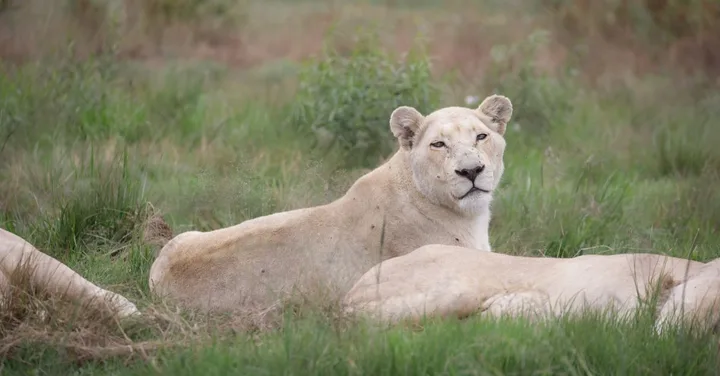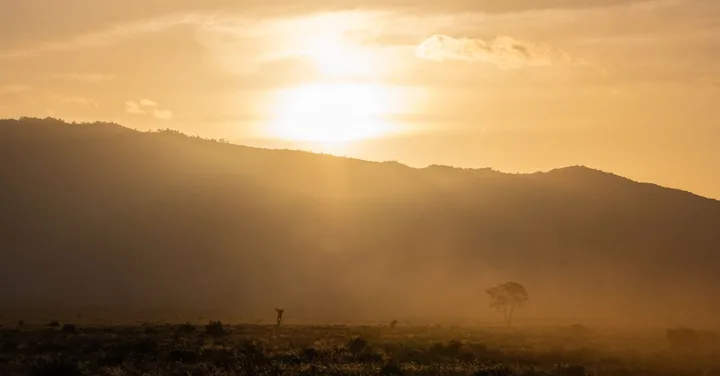
Picture this: you're sitting in an open-topped Land Cruiser at 6am, the Masai Mara spread out gold and still around you. A lion lifts his head forty feet away. Your guide cuts the engine. Nobody speaks. The only sound is the grass moving in the wind and your own heartbeat. That moment right there is why people fly 5,000 kilometres to Kenya, and why so many Indian travellers come back and do it again.
This post breaks down exactly what a 6 day Kenya safari looks like when you book from India, what it costs in real rupees, and what you need to know before you go. No fluff, just the full picture.
Why Kenya Is Perfect for Indian Travellers
Kenya works beautifully for Indian travellers, and not just because the wildlife is extraordinary. The practical stuff lines up well too.
Flights from Mumbai and Delhi connect to Nairobi with a single stop, usually through Addis Ababa (Ethiopian Airlines) or Dubai (Emirates). Total travel time is roughly 9 to 11 hours depending on the layover. That's shorter than flying to many parts of Southeast Asia, and the jet lag is gentle because Kenya is only 2.5 to 3.5 hours behind India Standard Time.
Kenya also has a large Indian-origin community, particularly in Nairobi, so you'll find familiar food, warm hospitality, and that easy sense of cultural comfort that makes a new destination feel less foreign. The safari lodges are experienced with Indian dietary preferences, and most will happily arrange vegetarian meals if you flag it in advance.
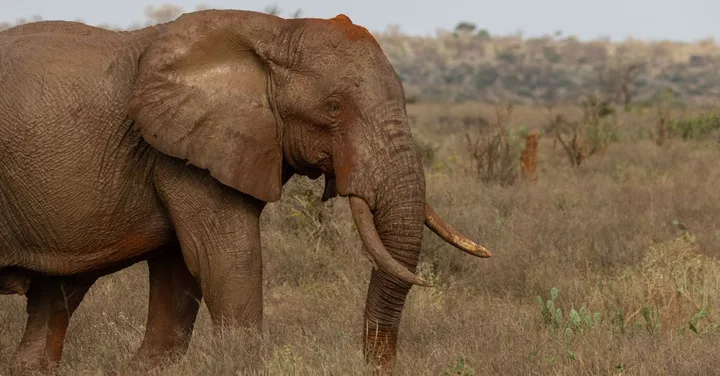
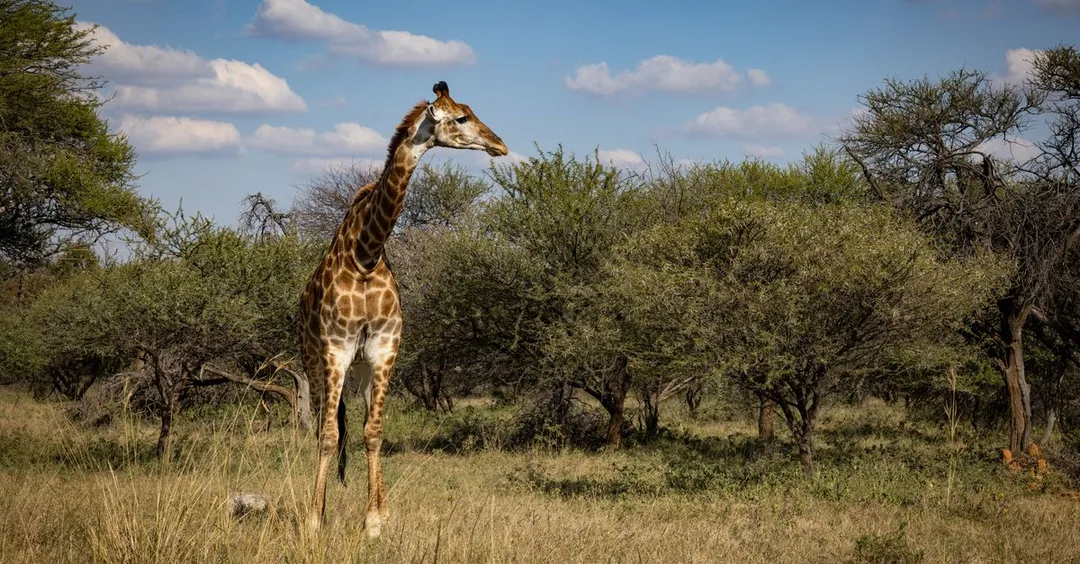
The wildlife is the real draw, of course. Kenya's Magical Kenya tourism board calls it the home of the Great Migration, and that reputation is fully earned. The Masai Mara alone can give you lion, leopard, cheetah, elephant, buffalo, rhino, and hippo in a single day. Add in the flamingo-pink lakes of Nakuru and the vast open plains of Amboseli with Kilimanjaro rising behind the elephant herds, and you have a country that consistently delivers.
Six days is the sweet spot for a first Kenya safari. It's long enough to cover two ecosystems properly, short enough to fit into most leave schedules, and it gives you time to genuinely slow down and absorb the place rather than just ticking parks off a list.
Best Time to Visit (Month by Month, Honest)
Kenya doesn't have a bad time to visit, but the experience does shift meaningfully through the year. Here's the honest breakdown:
January and February are excellent. Dry, warm, and the Mara is quiet compared to peak season. Game viewing is strong because the grass is short and animals gather around water sources.
March through May is the long rains season. Some lodges drop their rates significantly, and the landscape turns spectacularly green. Game viewing is harder in thick vegetation but the photography is gorgeous. This is genuinely good value if you don't mind some rain.
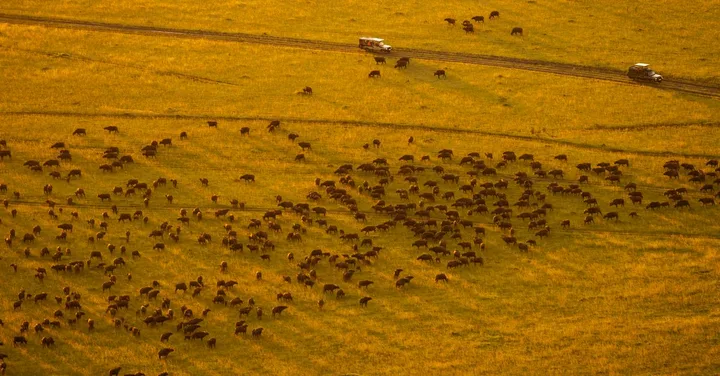
June through October is peak season, and for good reason. July through September is when the Great Wildebeest Migration crosses from the Serengeti into the Masai Mara. Watching 1.5 million wildebeest surge across the Mara River is one of the most visceral wildlife spectacles on earth. Lodges fill up fast and prices are at their highest. Book 6 to 9 months ahead if you're targeting this window.
November brings the short rains, usually light afternoon showers rather than all-day downpours. Good game viewing, fewer tourists, and pleasant temperatures.
December is festive and popular with Indian families travelling during school holidays. Prices rise again but the weather is good and the atmosphere in the lodges is warm and social.
For most Indian travellers planning a first safari, we recommend June through September for the migration, or January and February for a quieter, slightly more affordable experience.
What's Included in Kenya Safari Packages
When you look at Kenya Wildlife Safari Packages, the inclusions can look confusing at first glance because different lodges bundle things differently. Here's what a well-structured 6 day Kenya safari from India typically covers:
Standard inclusions across most packages:
- Return international flights from Mumbai or Delhi to Nairobi
- Airport transfers in Nairobi
- Accommodation at safari lodges or camps (ranging from comfortable to luxury tented camps)
- All meals on full board basis within the parks
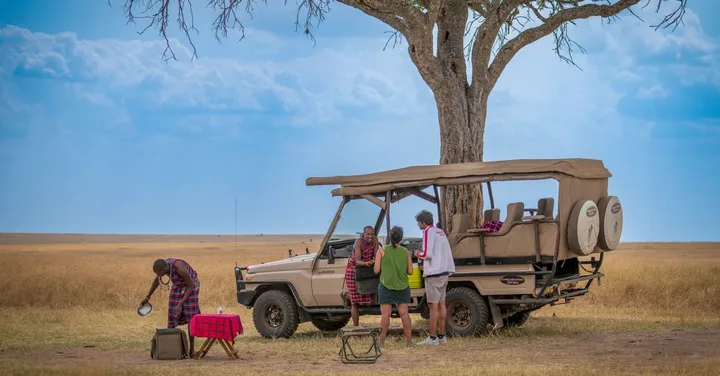
- Game drives in a 4x4 safari vehicle with a professional guide
- Park entry fees for Masai Mara and one additional park (usually Nakuru or Amboseli)
- Internal light aircraft transfers between parks where applicable
- A Kenyan safari guide throughout the trip
- Kenya e-visa fees (sometimes included, always confirm)
What's typically NOT included:
- Travel insurance (non-negotiable, get this separately)
- Optional activities like hot air balloon rides over the Mara
- Drinks beyond basic water and tea at lodges
- Laundry services
- Tips for guides and lodge staff (budget around USD 10 to 15 per day per person)
- Any medical requirements like yellow fever vaccination
The biggest variable is the quality of accommodation. Budget packages put you in comfortable but basic bush lodges. Mid-range moves you into well-appointed tented camps with private bathrooms and proper beds. Luxury packages put you in places like Angama Mara or andBeyond Bateleur Camp, where the experience is genuinely special but the price reflects that.
Package Options and Prices in INR
These prices are based on per person costs in double occupancy for travel from Mumbai or Delhi, including flights. Solo travellers should add approximately INR 30,000 to 50,000 as a single supplement depending on the tier.
Tier 1: Budget Safari (INR 1,20,000 to 1,50,000 per person)
This covers return flights, 5 nights in comfortable but no-frills lodge accommodation, shared game drives, and most meals. You'll visit the Masai Mara and one other park. Don't expect a private vehicle or premium lodge facilities, but the wildlife is exactly the same as the expensive version. Good for younger travellers or those testing Kenya for the first time before committing to a bigger trip.
Tier 2: Mid-Range Safari (INR 1,80,000 to 2,40,000 per person)
This is where most Indian families and couples land, and it's genuinely the sweet spot. You get comfortable tented camps with en-suite bathrooms, more attentive service, smaller game drive groups (6 to 8 people per vehicle), and a better lodge experience overall. Often includes a Nairobi city night at the start or end, which lets you visit the Giraffe Centre or Karen Blixen Museum if you want a cultural layer to the trip.
Tier 3: Premium Safari (INR 2,80,000 to 3,80,000 per person)
Premium camps, often with private vehicles for your group, bush breakfasts, evening sundowners in the wild, and the kind of personalised guiding that makes a real difference. Guides at this level know individual animals by name and will position you for a kill or a cub sighting with a patience and skill that's hard to put a price on. Includes light aircraft transfers between parks so you're not spending half a day on dusty roads.
Tier 4: Luxury Safari (INR 4,50,000 to 7,00,000 per person)
This is the top end - exclusive lodges, private conservancies bordering the Mara where night drives are permitted (not allowed in the national reserve), full private vehicle, dedicated butler service, and often a private guide who's yours for the entire trip. If it's a honeymoon, a milestone birthday, or you simply want zero compromises, this tier delivers.
Tier 5: The Migration Special (INR 3,50,000 to 5,00,000 per person, July to September)
The Great Migration commands a premium because the demand is enormous and the lodges know it. This tier specifically targets the Mara River crossing window, with accommodation in camps close to the main crossing points, experienced guides who track the herds daily, and often a hot air balloon flight over the Mara included. It's worth planning a year ahead for this one.
For a detailed breakdown of what's available right now, the Best Kenya Safari Packages from India 2026 guide covers current pricing and availability in full.
Practical Travel Tips
Visa
Indian passport holders need a Kenya e-visa. Apply at least two weeks before travel at the official Kenya government portal. The fee is USD 50 per person. The process is straightforward online and approval usually comes within 3 to 5 working days. Keep a printed and digital copy.
Yellow Fever Vaccination
If you're transiting through certain African countries, you may need a Yellow Fever vaccination certificate. Even if your specific routing doesn't require it, get the vaccine and carry the yellow card. Some border checks and lodge check-ins ask for it. Visit your nearest travel health clinic at least 10 days before departure.
Flights from India
Ethiopian Airlines via Addis Ababa and Emirates via Dubai are the most popular options from both Mumbai and Delhi. Kenya Airways also operates direct connections via Nairobi. Flight duration is approximately 8 to 10 hours with transit. Book at least 3 months ahead for best prices, and 6 months ahead for peak migration season.
What to Pack
The Mara can be surprisingly cold before 8am. Bring a light fleece or jacket for early morning game drives. Stick to neutral colours (khaki, olive, grey) and avoid bright whites or blues that spook animals or attract insects. Sunscreen is essential. Binoculars make a massive difference - if you don't own a pair, borrow or buy before you go. A decent camera with a zoom lens will get more use here than on any other trip you've taken.
Health and Insurance
Travel insurance with medical evacuation cover is non-negotiable in East Africa. The Kenya Wildlife Service recommends basic malaria precautions for visitors to national parks. Talk to your doctor about prophylactics at least two weeks before departure. Carry a basic medical kit with antiseptic, antihistamines, and rehydration salts.
Money and Tipping
Kenya's currency is the Kenyan Shilling but USD is widely accepted at lodges and for major transactions. Keep a stock of USD 1, 5, and 10 notes for tips and small purchases. INR is not accepted. Most international ATMs work in Nairobi but carry some USD from India to be safe.
Frequently Asked Questions
Q: Is Kenya safe for Indian tourists?
Kenya is safe for tourists who stick to established tourist circuits. Nairobi, like any large city, has areas to avoid, but the tourist zones, safari parks, and lodge routes are well-managed. Safari Sutra Holidays has been sending Indian travellers to Kenya for over 12 years and across 15,000+ trips, and the standard advice holds: stay with your guide, don't wander solo in Nairobi at night, and follow lodge protocols in the parks. You'll be absolutely fine.
Q: Can I do a Kenya safari with young children?
Yes, and it's genuinely one of the best family travel experiences available. Most lodges welcome children aged 5 and above on game drives. Some luxury lodges have dedicated family vehicles and junior ranger programmes. The key is choosing a lodge that caters to families rather than a romantic couples retreat. Let your travel consultant know your children's ages when planning so the accommodation and activities are appropriate.
Q: Is vegetarian food available on safari?
This is one of the first things Indian travellers ask, and the answer is a confident yes. Kenyan lodges have served vegetarian Indian guests for decades and they're genuinely good at it. Inform the lodge at booking and again at check-in. Most full-service lodges will go out of their way to accommodate Indian vegetarian preferences. Jain food is possible with advance notice at mid-range and luxury properties.
Q: How many days is enough for a Kenya safari?
Six days is a solid first trip. It lets you cover the Masai Mara properly (3 nights minimum is ideal) and add one other park - Nakuru for the flamingos and rhinos, or Amboseli for the Kilimanjaro views and elephant herds. If you have 8 to 10 days, you can add the Samburu Reserve in northern Kenya, which has species you won't see in the south, including the reticulated giraffe and Grevy's zebra.
Q: Should I combine Kenya with Tanzania?
A Kenya-Tanzania combination is excellent if you have 10 or more days. The Serengeti and Ngorongoro Crater in Tanzania are extraordinary, and many travellers do a dual-country circuit. For 6 days though, Kenya on its own is the smarter call. You lose a day to cross-border logistics and you don't want to rush the Mara.
Q: What's the difference between a lodge and a tented camp?
A lodge is a permanent structure, like a hotel building in the bush. A tented camp is a semi-permanent or permanent structure with canvas walls and roof, typically with wooden floors, proper beds, and en-suite bathrooms. The top tented camps are genuinely luxurious, and because they're lighter on the land, they often sit inside private conservancies where you get more exclusive game viewing. Don't let the word "tent" make you think roughing it - the reality is usually the opposite.
Q: When should I book a Kenya safari from India?
For travel between June and September (the migration window), book 6 to 9 months ahead. The best camps at the Mara fill up quickly for this period and prices hold firm. For January-February or November travel, 3 to 4 months ahead is generally sufficient. If you're flexible on dates and can travel at short notice, last-minute deals do appear occasionally but availability at the better properties is thin. Plan Your Trip with Safari Sutra early and you'll have more choices and better pricing.
Plan Your Trip with Safari Sutra Holidays
Safari Sutra Holidays has been putting Indian travellers into the best seats in the Masai Mara for over 12 years. We know Kenya well - the camps that consistently deliver, the guides who genuinely love what they do, and the logistics that make a big trip feel smooth rather than stressful. Every itinerary we build is based on real knowledge of the destination, not a template.
A 6 day Kenya safari from India starts at around INR 1,20,000 per person and scales to whatever level of experience you want. The wildlife, the silence, the scale of the landscape, the feeling of being genuinely far from your inbox - all of that is available to you, and it's closer and more achievable than most people think.
Whether you're planning a family trip, a couple's adventure, or a solo escape, we'll put together something that fits your travel style, your budget, and your dates. No pressure, no pitch - just good advice from people who've done this a lot.
Ready to plan your trip? Contact Safari Sutra Holidays today.

Safari Sutra Team
Travel curators with 13 years of experience planning Indian and international holidays — from safari adventures to island escapes.
View All Posts