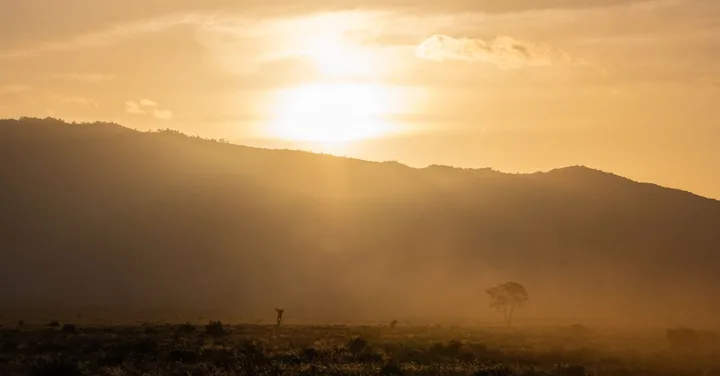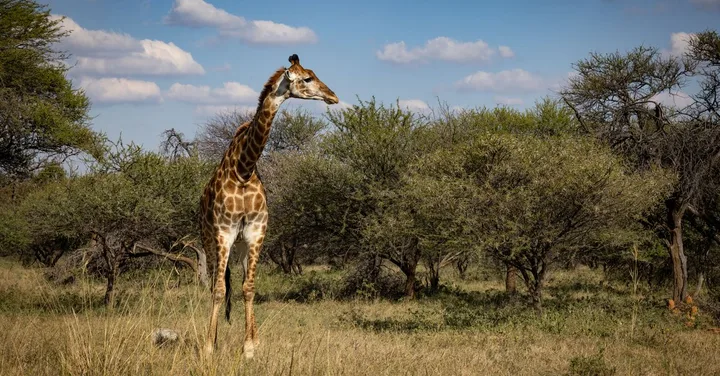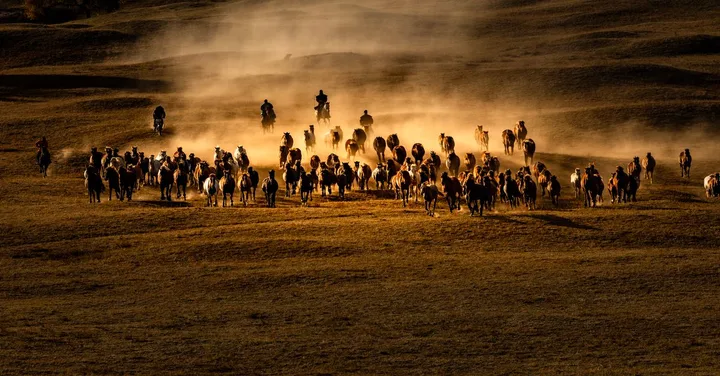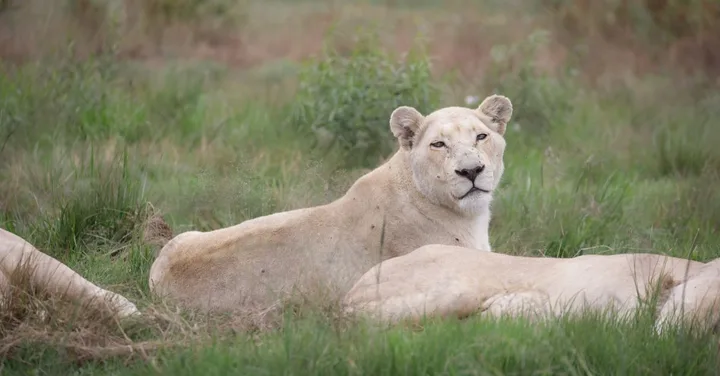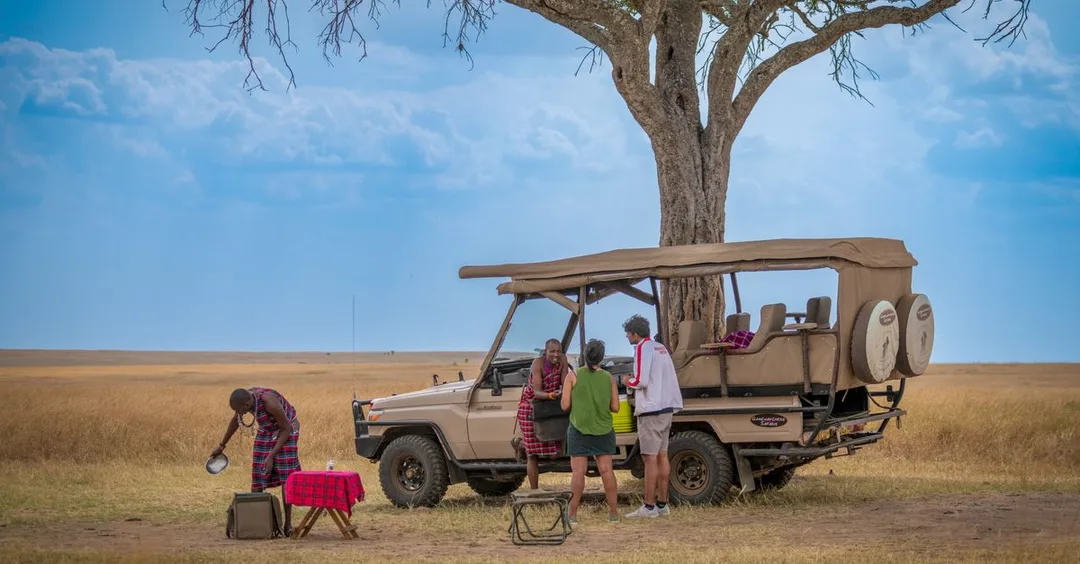
Picture this: you're sitting in an open-top Land Cruiser at dawn, the Mara air sharp and cool against your face, and a pride of lions is doing absolutely nothing spectacular, just breathing, yawning, watching the grass move. And somehow, that's the most riveting thing you've ever seen. No screen, no filter, no crowd. Just you, the silence, and the Maasai Mara stretching out like a golden sea in every direction.
That moment is what Kenya promises every single traveller who shows up. The question most Indians ask before that moment happens is a pretty practical one: how much is this actually going to cost me?
This guide breaks it all down honestly, from budget-friendly group safaris to full-blown luxury fly-in camps, with real prices in INR, flight context from Indian cities, and the kind of insider knowledge that comes from helping people plan over 15,000 trips across Africa and beyond.
Why Kenya Is Perfect for Indian Travellers
Kenya works for Indian travellers in ways that most other safari destinations simply don't.
First, the value equation. Compared to Botswana or the Seychelles, Kenya gives you genuinely world-class wildlife viewing at a price point that makes sense for Indian families and couples. You're not choosing between your child's education and seeing elephants.
Second, the flight connections are strong. Nairobi's Jomo Kenyatta International Airport has direct and one-stop options from Mumbai, Delhi, Bengaluru, and Chennai via Kenya Airways, Ethiopian Airlines, and Air India. Travel time from Mumbai is roughly 6-7 hours with a connection, which is shorter than flying to New York.
Third, Kenya speaks our language. The Kenyan tourism industry has welcomed Indian travellers for decades, and you'll find vegetarian meal options at most lodges, staff who are warm and genuinely hospitable, and a general ease of communication since English is an official language.
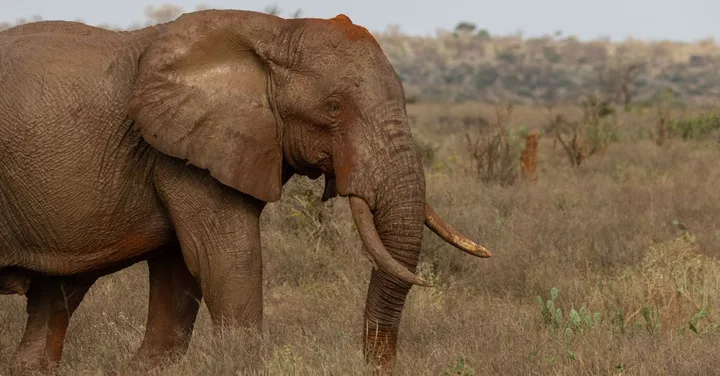
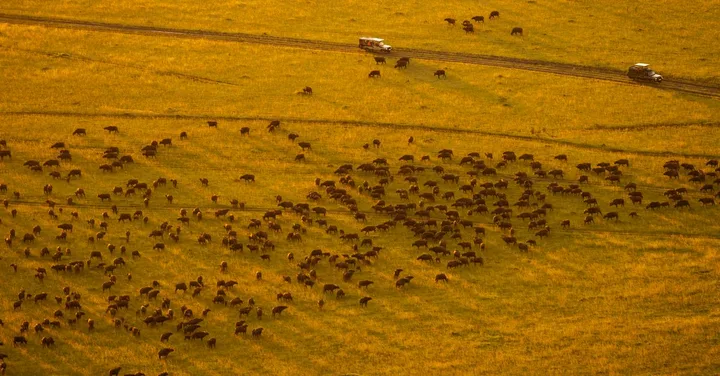
The wildlife itself is incomparable. The Maasai Mara alone hosts the Great Migration from July to October, where nearly two million wildebeest and zebra cross the Mara River in scenes that look like they belong in a nature documentary. Add Amboseli (elephants against the backdrop of Mount Kilimanjaro), Lake Nakuru (flamingos, rhinos), and Samburu (rare northern species like Grevy's zebra) and you've got a country that rewards every type of traveller.
Magical Kenya has a thorough overview of all the national parks and their individual character if you want to start mapping your route.
Best Time to Visit
Kenya is a year-round destination, but the timing genuinely changes what you'll see. Here's the honest month-by-month picture:
January - March: Dry, sunny, and excellent for general game viewing. The grass is shorter, animals gather around water sources, and the Mara is relatively crowd-free. Amboseli is particularly good right now. Prices are mid-range to high.
April - May: Long rains. Lodges drop their prices significantly, sometimes by 30-40%. The Mara turns green and lush, bird life is extraordinary, and you'll have the parks largely to yourself. If you don't mind occasional afternoon showers, this is genuinely good value. It's also when most Indian travellers can find strong deals.
June: Short shoulder season before the Migration begins. Prices start climbing. The weather is pleasant and dry.
July - October: This IS the peak season, and for good reason. The Great Migration is in full swing. Wildebeest crossings at the Mara River are something you watch with your jaw open. This is also when prices are at their highest and advance booking is non-negotiable, ideally 6-9 months ahead if you want good camp placements.
November: Short rains arrive. Prices soften again. Another good sweet spot for value-conscious travellers.
December: Holiday season brings prices back up. Families travelling during school break will find December busy and expensive, but the weather is fine and game viewing is solid.
For most Indian travellers, July to October for the Migration or January to March for value-without-compromise are the two best windows. April and November are the hidden gems that seasoned travellers swear by.
What's Included in Kenya Safari Packages
Before comparing prices, it helps to understand what's typically bundled into a Kenya safari package so you're comparing apples to apples.
A standard Kenya safari package from India generally includes:
- Return international flights from your departure city
- Airport transfers in Nairobi
- Accommodation (lodge or tented camp, depending on tier)
- All meals at the camp or lodge
- Safari game drives (usually two per day - morning and evening)
- Park entry fees paid to the Kenya Wildlife Service
- English-speaking safari guide and driver
- Internal flights (for luxury fly-in packages)
- Visa assistance and documentation support
What's usually NOT included:
- Personal travel insurance (always get this separately)
- Tips for guides and camp staff (budget INR 1,500-3,000 per guide per day as a standard courtesy)
- Alcoholic beverages at some mid-range lodges
- Optional activities like hot air balloon rides (these can cost USD 450-550 per person)
- Souvenirs and personal shopping
Always read the inclusions carefully before booking. A package that looks cheap at first glance might exclude park fees, which can be USD 80-100 per person per day.
Package Options and Prices in INR
Here's where most people want straight answers, so here they are. These price ranges are per person, based on double occupancy, for a 7-night/8-day safari from India. Prices can shift based on season, flight costs at the time of booking, and group size.
Budget Group Safari: INR 1,20,000 - INR 1,60,000 per person
This tier gets you into Kenya without breaking the bank. You'll travel with a group (typically 6-10 people), stay at mid-market lodges or permanent tented camps with en-suite bathrooms, and share a game drive vehicle. Meals are buffet-style, the guides are knowledgeable, and the wildlife doesn't care what category your lodge falls into.
Expect to cover 2-3 parks (usually Maasai Mara + Amboseli or Lake Nakuru), with road transfers between parks. Flights are typically via one connection.
This is a legitimate, comfortable option. Many Indian families do their first Kenya trip at this level and come back wanting more.
Standard Mid-Range: INR 1,80,000 - INR 2,50,000 per person
This is the sweet spot for most premium Indian travellers. You're in private or semi-private game drives (your own vehicle with your own guide), staying at well-reviewed 4-star lodges with swimming pools, proper beds, and lodge restaurants that genuinely impress.
Itineraries at this level typically cover Maasai Mara with 3-4 nights, plus Amboseli or Samburu for the remaining nights. You get more flexibility, smaller group sizes, and a noticeably more personal experience.
This is where Safari Sutra Holidays does the majority of its Kenya bookings, and honestly, it's where the best value-to-experience ratio lives.
Premium Lodge Safari: INR 2,80,000 - INR 3,80,000 per person
Think award-winning lodges with infinity pools overlooking the savannah, expertly trained guides who read animal behaviour like a book, and itineraries that balance game drives with cultural visits to Maasai villages. You'll have private or semi-private game drives throughout, better camp placement (closer to where the action is), and lodges that serve genuinely excellent food.
Internal flights replace road transfers, which saves travel time and adds a spectacular aerial view of the Rift Valley.
Luxury Tented Camp Safari: INR 4,50,000 - INR 6,50,000 per person
Kenya's luxury tented camps are in a category of their own. Think canvas and wood structures with proper four-poster beds, solar-heated showers, private decks where elephants walk past at dusk, and guides who've been leading safaris for 20+ years.
Properties like Angama Mara, andBeyond Bateleur Camp, and Mahali Mzuri sit directly on the Migration corridor. You wake up and the wildebeest are literally outside your tent. All-inclusive means everything from drinks to laundry. Twice-daily game drives, night drives, bush dinners, and sundowner walks are standard.
This tier also suits Indian families who want total comfort, privacy, and flexibility.
Ultra-Luxury Private Safari: INR 7,00,000 and above per person
A fully customised private itinerary with exclusive-use camps, private charters between parks, personal chef arrangements, and every detail handled before you land. This is the tier for special occasions - anniversaries, honeymoons, or milestone birthdays. You tell us the dream, and it gets built around you.
Browse our Kenya Safari Packages for current availability and specific itinerary options across all these tiers.
Practical Travel Tips
Visa
Indian passport holders need a visa for Kenya. The good news is that Kenya now offers an e-Visa through the official government portal, which makes the process straightforward. Apply at least 2-3 weeks before departure. Cost is approximately USD 50 for a single-entry tourist visa. Some travellers also qualify for the East Africa Tourist Visa (covering Kenya, Uganda, and Tanzania) at USD 100 if you're combining countries.
Flights from India
- Mumbai to Nairobi: Kenya Airways operates this route with a connection through various hubs. Total travel time is roughly 6-8 hours depending on the connection.
- Delhi to Nairobi: Ethiopian Airlines via Addis Ababa is one of the most popular and reliable options. Air India and Emirates also work well.
- Bengaluru and Chennai: You'll connect through a hub city. Ethiopian via Addis or Qatar via Doha are commonly used routes.
Book flights at least 3-4 months in advance for July-October travel. Peak season fares from India can be INR 55,000-85,000 return per person, while shoulder and low seasons often drop to INR 40,000-60,000.
Health and Vaccinations
Yellow fever vaccination is required if you're arriving from a yellow fever endemic country. Even if you're coming directly from India, carry your yellow fever certificate. The WHO Yellow Fever Info page has the current list of affected countries. Consult your doctor about malaria prophylactics at least 2-3 weeks before departure. Malaria is present in Kenya's game parks.
Drink only bottled or filtered water. The lodges provide this, but pack water purification tablets as a backup when on the road.
What to Pack
- Neutral-coloured clothing (khaki, olive, beige) for game drives. Avoid bright colours and white.
- Layers. Mornings in the Mara can be 10-12 degrees Celsius. Afternoons hit 28-30.
- A good pair of binoculars. Even an INR 3,000-5,000 pair makes a real difference.
- Sunscreen (SPF 50+), insect repellent with DEET, and a wide-brimmed hat.
- Your camera, obviously. A 200mm+ lens changes everything on safari.
Currency and Money
Kenya uses the Kenyan Shilling (KES). Most lodges and camps accept USD and major credit cards, but carry some local currency for tips, small purchases, and roadside stops. Forex is easy to manage in Nairobi.
Frequently Asked Questions
Q: Is Kenya safe for Indian tourists?
Kenya is one of Africa's most established and tourist-friendly destinations. Major tourist zones, including Nairobi's tourist areas, the Maasai Mara, and Amboseli, are considered safe for international visitors. Standard travel common sense applies: don't flash expensive jewellery or cameras in busy urban areas, use registered taxis or transfers arranged by your operator, and follow your guide's instructions in the parks. Hundreds of thousands of tourists visit Kenya every year without incident.
Q: Can I find vegetarian food in Kenya on safari?
Yes, most lodges and camps in Kenya's safari circuit cater to vegetarian diets, especially given the strong Indian traveller demographic. When booking, inform your travel operator and they'll confirm vegetarian options with the camp. It's also worth mentioning in advance if you're vegan or have specific dietary restrictions (Jain food, no garlic/onion, etc.) - most premium lodges will accommodate this with enough notice.
Q: How many days do I need for a Kenya safari?
A meaningful Kenya safari needs at least 6-7 nights. Anything shorter and you spend too much time in transit between parks. Ideally, 7-10 nights lets you cover two or three parks properly. If you're specifically chasing the Great Migration, prioritise 4-5 nights in the Mara region. You can browse our Africa Safari Packages to see how different durations work across itineraries.
Q: Is October a good month for Kenya safari from India?
October is an excellent month. The tail end of the Migration is still happening in early October, and the rains haven't fully arrived yet. Prices start to soften slightly compared to August-September peak, and the parks are less crowded than the July-August rush. It's one of the better months for Indian travellers who want good wildlife viewing without the absolute top-season pricing.
Q: Do I need travel insurance for Kenya?
100% yes. Medical evacuation from a remote safari camp to a hospital in Nairobi can cost several lakhs. A comprehensive travel insurance policy covering medical emergencies, evacuation, trip cancellations, and loss of luggage is non-negotiable for Kenya. Get one that specifically covers wildlife activities and outdoor adventure.
Q: How far in advance should I book a Kenya safari?
For July to October travel, book at least 6-9 months in advance. The best camps in the Mara corridor sell out early, especially for river-facing tents and rooms with the best views. For shoulder season travel (November, January-March), 3-4 months is generally fine, though earlier is always better. Don't leave it to the last two months if you want genuine choice.
Q: Can we combine Kenya with Zanzibar or Tanzania?
Absolutely, and it's a combination we love at Safari Sutra Holidays. Kenya safari followed by 3-4 nights in Zanzibar (white sand beaches, warm Indian Ocean, excellent seafood) is a natural pairing that many Indian couples and families choose for the contrast. Combining Kenya with Tanzania's Serengeti and Ngorongoro Crater is an extended East Africa safari that serious wildlife travellers choose when they want the full picture.
Plan Your Trip with Safari Sutra Holidays
Kenya doesn't ask you to be an expert traveller. It just asks you to show up. The landscapes, the wildlife, the sheer silence of a Mara morning will do the rest.
With over 12 years of experience and more than 15,000 trips planned across Africa and beyond, Safari Sutra Holidays understands what Indian travellers actually want from a safari. Not just game drives, but the right lodge at the right time of year, guides who know the terrain, meals that actually work for your diet, and an itinerary that doesn't leave you exhausted.
Whether you're a first-time safari traveller figuring out a INR 1.5 lakh budget or a seasoned traveller ready to splurge on a private tented camp experience, we'll match you to the right option without any unnecessary upselling.
Ready to plan your trip? Contact Safari Sutra Holidays today.

Safari Sutra Team
Travel curators with 13 years of experience planning Indian and international holidays — from safari adventures to island escapes.
View All Posts