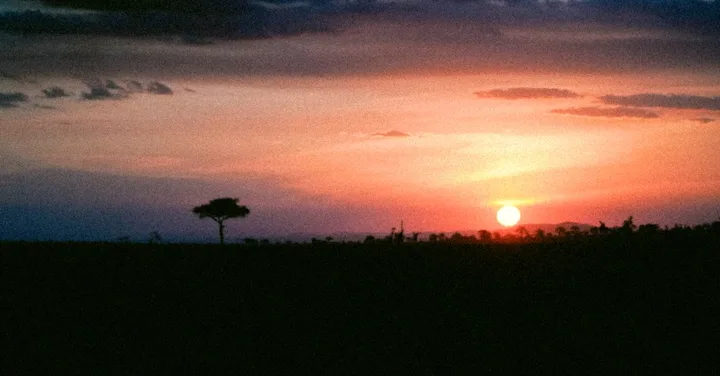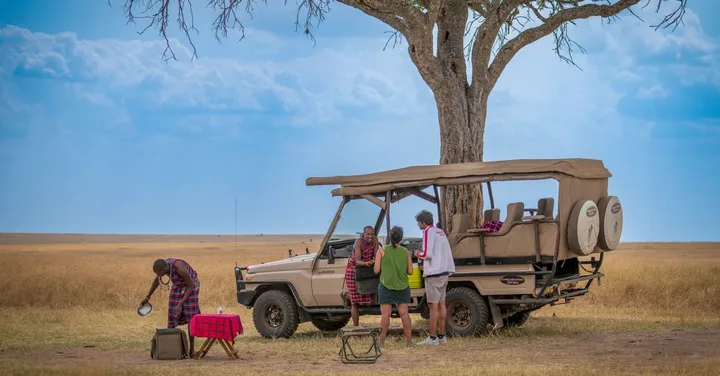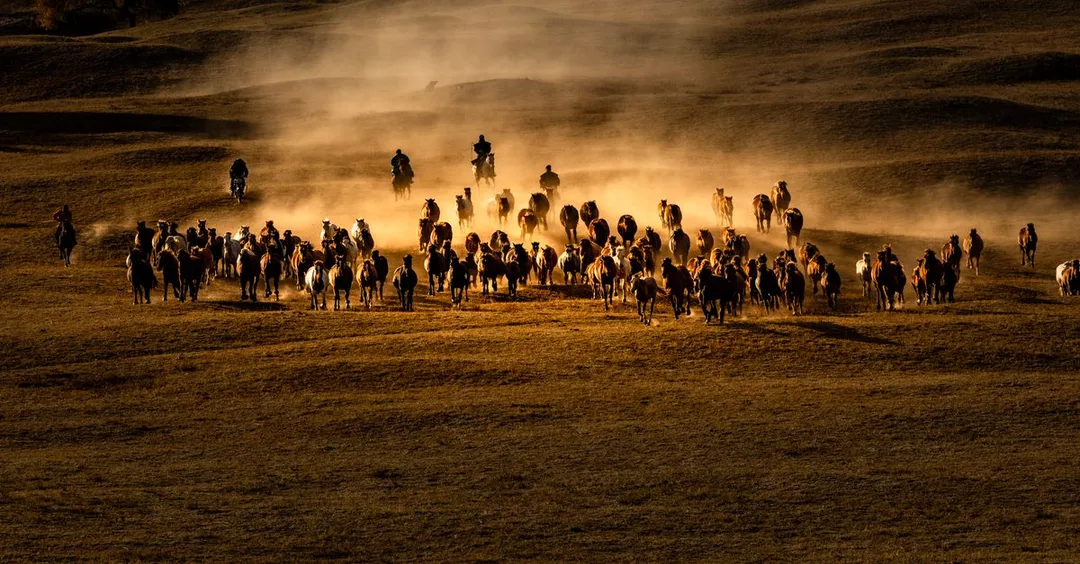
You wake up before sunrise, wrap yourself in a blanket against the chill, and climb into an open jeep. The Kenyan savannah is dead quiet except for a distant lion's grunt and the rustle of something large moving through the grass. Your guide cuts the engine. Everyone stops breathing. And then, maybe forty metres away, a lioness walks across the red dirt track like she owns every inch of it, which she does. This is Africa. And no, you don't need to spend ₹3 lakhs to get here.
The idea that a genuine Africa safari is only for the ultra-rich is one of travel's most stubborn myths. With the right planning, the right season, and a travel partner who knows the continent properly, you can do a real, game-drive-every-morning, sundowner-in-the-bush safari for under ₹1.5 lakh per person. This post breaks down exactly how.
Why East Africa Is Perfect for Indian Travellers
Let's start with the basics. When Indians think "Africa safari," Kenya and Tanzania are usually the first two names that come up, and for very good reason.
The wildlife density in East Africa is genuinely unlike anything else on the planet. The Masai Mara in Kenya and the Serengeti in Tanzania share one of the world's most dramatic ecosystems. The annual wildebeest migration alone, over 1.5 million animals moving in a giant loop across the plains, is something that rewrites your sense of what nature can do. But even outside migration season, the resident game is extraordinary. Elephants, lions, leopards, cheetahs, giraffes, zebras, and hippos are not special sightings here. They're Tuesday morning.
For Indian travellers specifically, East Africa has a few advantages that don't get talked about enough.
There's a significant Indian and East African Asian community in Nairobi and Mombasa, which means vegetarian food is genuinely available, the service culture feels warm and familiar, and the colonial history of the region has Indian threads woven through it. You'll find Hindu temples in Nairobi's city centre and daal on the menu at several lodges.
The distances from India are reasonable too. Nairobi is about 5.5 to 6.5 hours from Mumbai or Delhi, often with one short stop. Air India, Kenya Airways, Ethiopian Airlines, and IndiGo (via partner routes) all connect the two regions. Compare that to, say, South Africa at 11-plus hours, and East Africa starts looking very attractive for a 7-10 day trip.
Kenya also offers an e-visa system that's now fairly streamlined for Indian passport holders. Tanzania requires a visa on arrival or an online application, both manageable. Neither country requires you to be Swahili-speaking or particularly adventurous to navigate, especially with a good operator handling your transfers.
With 12+ years and 15,000+ trips planned, we at Safari Sutra Holidays have seen hundreds of Indian families, honeymooners, and solo travellers discover just how accessible East Africa really is. The reaction is always the same: "Why did we wait so long?"
Best Time to Visit
Yaar, this is where honest advice really matters, because the wrong month can mean overcast skies, washed-out roads, and a fraction of the wildlife visibility you'd hoped for.
January to March: This is excellent, underrated safari season. It's dry across most of Kenya and Tanzania. Crowds are lower than peak season, which means better prices. The southern Serengeti sees calving season in February, one of the most moving wildlife spectacles you can witness. Temperatures are warm but comfortable, rarely brutal.
April to May: The long rains hit. This is the one period we'd genuinely steer most first-timers away from. Roads can become impassable in some areas, and while the landscape turns a gorgeous green, game sightings are harder because animals spread out across the lush terrain. Budget properties sometimes close. Only go if you're a photography enthusiast chasing dramatic skies and don't mind the trade-offs.
June to October: Peak season and peak prices. This is when the wildebeest river crossings at the Mara River happen, roughly July to October. If seeing a thousand wildebeest thunder across a crocodile-filled river is on your list, book 6 to 9 months ahead. Expect prices 30 to 40% higher than off-peak, and camps fill up fast.
November to December: Short rains fall, usually lighter and more predictable than the long rains. Game remains excellent. Prices drop again. December has a mini-spike due to Christmas travel, but it's still more affordable than peak summer. This is a genuinely smart window for budget-conscious travellers who want solid game viewing without the premium pricing of high season.
The honest recommendation: For a budget Africa safari from India, target January-March or November-December. You get real Africa, real wildlife, and real savings.
What's Included in East Africa Safari Packages
When you're comparing package prices, knowing what's actually inside the package prevents a lot of unpleasant surprises at camp checkout.
A standard East Africa safari package from India typically includes:
- Return international flights from Mumbai or Delhi (some packages quote land-only prices, always check)
- Airport transfers in Nairobi or Arusha
- All park entry fees, which are significant and often not highlighted upfront
- Game drives, usually twice daily, morning and evening
- Accommodation (this is where the big variation comes in, from budget tented camps to mid-range lodges)
- All meals at camp (full board is standard in the bush)
- A professional guide and driver
What's usually NOT included unless specified:
- Travel insurance (always buy separately, non-negotiable for safari travel)
- Visas and entry fees (budget around ₹3,000-5,000 per person)
- Tips for guides and camp staff (budget USD 10-15 per person per day, this matters enormously to the people who make your trip)
- Alcohol and soft drinks beyond what's served at meals
- Optional add-ons like hot air balloon rides (fabulous but around USD 450-500 per person)
- Any shopping or city touring beyond the itinerary
Explore our Africa Safari Packages to see what's included at each level and compare options side by side before making a decision.
Package Options and Prices in INR
Here's where we get specific. All prices below are approximate per person figures based on double occupancy, in INR, for a 7-night itinerary covering Kenya (Masai Mara + Amboseli or Lake Nakuru). Prices shift with season, airline fares, and exchange rates, so treat these as realistic ballpark figures for planning.
Tier 1: The Real-Deal Budget Safari (₹95,000 to ₹1.1 lakh per person)
This is for travellers who want genuine, no-compromise wildlife but are happy to sleep in a simple tented camp rather than a luxury lodge. You're getting permanent canvas tents with en-suite bathrooms, shared common areas, and excellent food. The game drives are identical to what you'd get at any price point because the animals don't check lodge ratings. Flights at this price point typically involve one connection, often through Addis Ababa or Doha.
Tier 2: Mid-Range Comfort Safari (₹1.1 lakh to ₹1.35 lakh per person)
Here you step into proper mid-range lodges with private bathrooms, better beds, and a slightly more polished dining experience. You might combine Masai Mara with a night in Nairobi at a comfortable city hotel. Flights are often more convenient connections, and your guide is typically more experienced. This is the sweet spot for most Indian travellers doing their first safari.
Tier 3: Under ₹1.5 Lakh Comfort-Plus (₹1.35 lakh to ₹1.5 lakh per person)
At this level you're starting to access small, well-run boutique lodges that feel genuinely special without requiring you to remortgage anything. Think proper king beds in canvas suites, candlelit dinners under acacia trees, and the kind of service that remembers your name. You can comfortably do a 7-night Kenya safari combining Masai Mara with Amboseli (Kilimanjaro views, elephant herds, pure magic) in this budget. Flights from Delhi or Mumbai are typically one stop.
Tier 4: Tanzania Serengeti Option (₹1.2 lakh to ₹1.5 lakh per person)
Tanzania is worth a separate mention. An Arusha-based 7-night Serengeti and Ngorongoro Crater combination is one of Africa's all-time classic safari routes, and it's surprisingly achievable in this budget during shoulder season. Ngorongoro alone, a volcanic crater containing one of the highest densities of predators anywhere in Africa, justifies the entire trip.
Tier 5: Kenya-Tanzania Combo (₹1.4 lakh to ₹1.6 lakh per person)
Crossing both borders in 8-10 nights stretches slightly beyond ₹1.5 lakh for most travellers but is included here because with the right timing and flight fares, some Indian travellers do land this combination under the threshold. If you have flexibility on travel dates, it's absolutely worth asking us about.
Practical Travel Tips
Visa and Entry
Indian passport holders need a visa for both Kenya and Tanzania. Kenya's e-visa (apply at evisa.go.ke) costs around USD 51 and is typically processed within 3 business days. Tanzania's e-visa is available through immigration.go.tz. Neither country is difficult, but apply at least 2 weeks before travel to avoid any stress.
Flights
From Mumbai, Ethiopian Airlines and Kenya Airways offer strong connections through Addis Ababa and Nairobi respectively. Air India flies some routes too. From Delhi, connections through the Middle East (Emirates, Qatar) can sometimes be cheaper. Set fare alerts 3-4 months ahead of travel. January departures from Mumbai often hit the ₹35,000-45,000 return sweet spot.
Yellow Fever Vaccination
This is non-negotiable. Kenya and Tanzania require proof of yellow fever vaccination if you're arriving from certain countries or transiting through them. India is on the risk list. Get vaccinated at a government-approved travel clinic at least 10 days before departure and carry your yellow card (the official WHO vaccination certificate) in your hand luggage always. Check the WHO Yellow Fever information page for the full details on requirements and timing.
Other Health Prep
Malaria prophylaxis is strongly recommended for both countries. Consult your doctor 4-6 weeks before travel. Anti-malarials like Doxycycline or Malarone are commonly prescribed. Pack a basic first aid kit, keep mosquito repellent (DEET-based works best), and wear neutral-coloured, long-sleeved clothing during game drives, especially at dawn and dusk.
Packing Essentials
Keep colours neutral (khaki, olive, grey, beige) for game drives. Avoid white, which shows dust badly, and avoid bright blue, which attracts tsetse flies. Layers are essential because mornings in the Mara can be genuinely cold, dropping to 10-12°C, while afternoons hit 28-30°C. A good pair of binoculars (8x42 is ideal) will transform your game viewing. Don't forget a power bank, a dust-proof camera bag, and a small daypack.
Currency and Payments
US dollars are universally accepted and often preferred for tips, entry fees, and any extras. Carry a mix of small denomination notes (USD 1, 5, 10). ATMs in Nairobi work fine with international cards. In the bush, cash is king.
Frequently Asked Questions
Q: Is a budget safari in Africa actually good, or is it a watered-down experience?
The wildlife doesn't care what your lodge cost. A ₹95,000 safari gives you the same lions, elephants, and sunsets as a ₹3 lakh one. The differences are in mattress quality, bathroom size, and how many other jeeps are parked near the sighting. Budget camps in the Mara are run by experienced local operators and have been hosting travellers for decades. Your game drives will be led by genuinely knowledgeable guides. It's the real thing.
Q: Do I need travel insurance for an Africa safari?
Yes, absolutely, full stop. Medical evacuation from a remote camp in Kenya can cost USD 15,000 to 30,000. A comprehensive travel insurance policy that covers medical evacuation, trip cancellation, and safari activities specifically costs a few thousand rupees and covers all of that. Don't skip it. We can help you identify the right policy when you book with us.
Q: How physically demanding is a safari? Can elderly parents or young children do it?
A standard game drive safari is very low on physical demands. You sit in a vehicle for most of it. That said, early mornings, sometimes bumpy roads, and long stretches between sightings require some patience and reasonable health. Children aged 5 and above generally love it. For elderly parents, mid-range to upper-tier lodges are more comfortable because they often have better beds, hot water reliability, and shorter walks between rooms and vehicles. Talk to us about specific accessibility needs and we'll match you with the right property.
Q: What's the visa process like for Indian travellers going to Kenya?
Kenya's e-visa is applied for online, takes 2-3 business days, costs USD 51, and is single-entry valid for 90 days. You'll need a clear photo, your passport scan, travel itinerary, and hotel/camp booking confirmation. Tanzania's e-visa follows a similar online process. Neither is complicated, but give yourself a 2-week buffer so you're not stressed. We walk all our travellers through this as part of the trip planning process.
Q: What's the best African country for a first-time safari on a budget?
Kenya is the strongest answer for most Indian first-timers. It has the best tourist infrastructure, the most experienced guide community, good vegetarian food options, a comfortable Indian familiarity in Nairobi, and the Masai Mara, which is arguably the best single safari destination in Africa. Tanzania's Serengeti is magnificent but slightly pricier to access. Kenya gives you the maximum value for your first safari rupee.
Q: Can I combine a Kenya safari with a beach holiday in Mombasa?
Yes, and it's genuinely wonderful. Mombasa's coast has excellent, affordable beach resorts and the Indian Ocean is warm year-round. A classic combination is 4 nights Masai Mara followed by 3 nights on the coast. It adds very little cost to the overall package because you're already in Kenya, and it means you come home having done Africa properly: wildlife in the morning, cocktails on a white sand beach in the evening.
Q: Is ₹1.5 lakh realistic for everything including flights?
Yes, it is, with some conditions. You'll need to travel in shoulder season (Jan-March or November), be flexible on flight dates by 2-3 days to catch better fares, and choose a Kenya-only itinerary rather than multi-country. If flights run particularly expensive in a given season, your ₹1.5 lakh might go slightly further on a land-only package combined with separately booked flights. The Africa Safari Packages page breaks this out clearly so you can plan with real numbers.
Plan Your Trip with Safari Sutra Holidays
Here's the truth: Africa rewards people who plan well. The travellers who get the best value, the best camps, and the best wildlife experiences are the ones who start planning 3-4 months out, especially if they're targeting peak migration season or want the better-value mid-range properties that fill up fast.
Safari Sutra Holidays has been planning Africa trips for Indian travellers for over 12 years, with more than 15,000 trips across the continent and beyond. We're not a generic OTA spitting out auto-generated packages. We know which camps have the best food for vegetarians, which guides in the Mara actually find leopards, and which month to tell you honestly to skip.
If ₹1.5 lakh feels like a stretch, let's figure out what works for your budget and travel style. If you want to spend more for a richer experience, we'll tell you exactly where that extra money makes a difference and where it doesn't.
Africa is closer, more accessible, and more affordable than most Indian travellers assume. You just need a good plan and someone who's already done the groundwork.
Ready to plan your trip? Contact Safari Sutra Holidays today.

Safari Sutra Team
Travel curators with 13 years of experience planning Indian and international holidays — from safari adventures to island escapes.
View All Posts