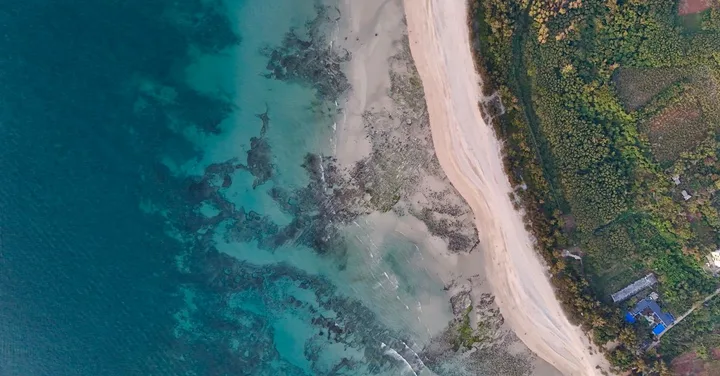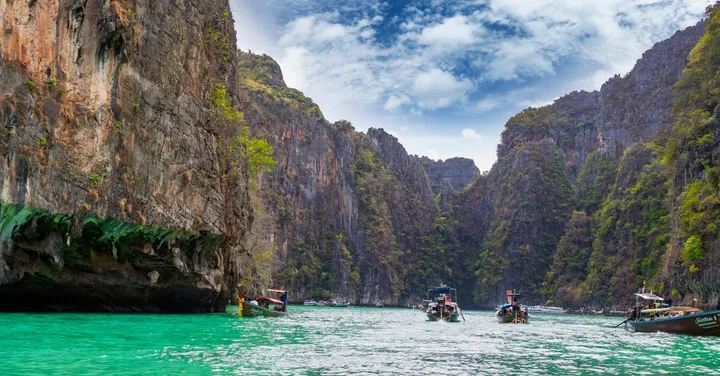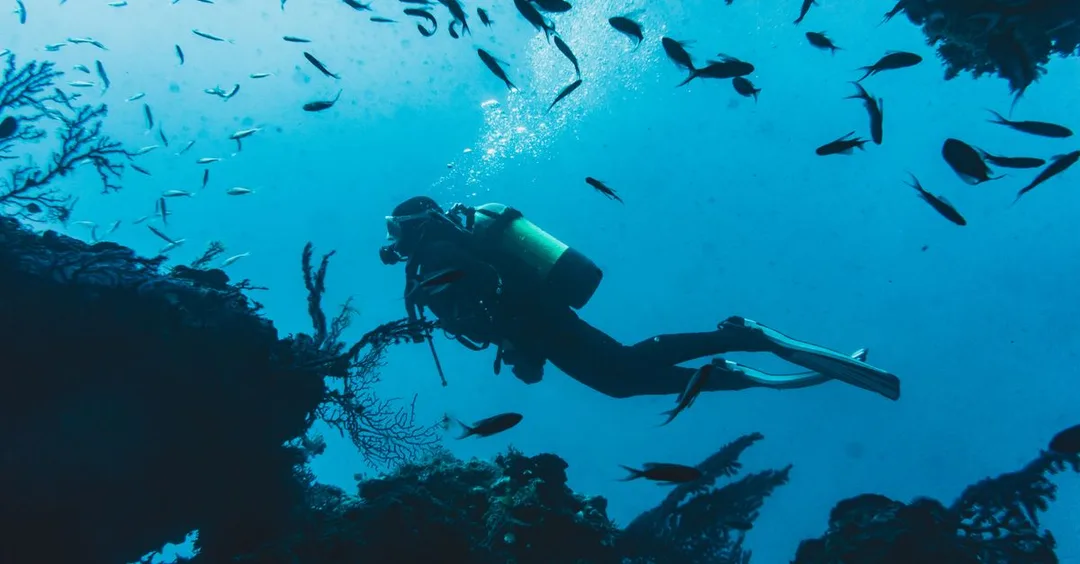
You're hovering about six metres below the surface near Havelock Island. A hawksbill turtle glides past you, completely unbothered, close enough that you could almost touch its shell. Ahead, a wall of anthias fish parts around a brain coral the size of a small car. The water is 29 degrees and so clear you can see the sandy bottom thirty metres down. You're not in the Maldives. You're not in Thailand. You're in the Andamans, a domestic destination that most Indian travellers still wildly underestimate for scuba diving.
If you've been circling the idea of picking an andaman scuba diving package for 2026, this is the guide that actually answers your questions, not just the glossy ones.
Why the Andamans Are Perfect for Indian Travellers
No passport required. That's the first thing. The Andaman and Nicobar Islands are an Indian union territory, which means you travel on your Aadhaar card or domestic ID, deal with Indian time zones, eat dal-chawal if you want to, and spend in rupees.
But here's what actually makes it special for diving: the Andamans sit right at the edge of the Andaman Sea, where the Bay of Bengal and the Indian Ocean meet. This creates a genuinely diverse marine environment. You get reef fish, pelagics, wrecks, and wall dives all within a relatively small geography. The visibility regularly hits 15 to 30 metres, which is the kind of clarity that makes underwater photos look almost fake.
For Indian travellers used to the crowds at Goa or Kerala beaches, the Andamans feel like a different country. The pace is slower. The beaches are quieter. Radhanagar Beach on Havelock Island has sand so white it almost hurts to look at in afternoon light. And once you're underwater, the whole thing shifts. You forget your inbox, your EMIs, all of it.
With 12 years and 15,000+ trips behind us, the team at Safari Sutra Holidays has seen this transformation happen to every kind of traveller: solo divers, couples on a honeymoon, families with teenagers taking their first open-water course. The Andamans deliver every single time.
India Tourism's Andaman page is a good starting point for general island orientation, but it barely scratches the surface of what's underwater.
Best Time to Visit (Month by Month, Honestly)
October to May is your diving window. Here's the breakdown:
- October to December: Post-monsoon months. The sea is settling, visibility builds up through October, and by November you're looking at some of the best conditions of the year. Fewer crowds, reasonable prices.
- January to March: Peak season and peak diving. Visibility is consistently high, seas are calm, and all dive sites across Havelock, Neil, and North Bay are accessible. This is also when you'll pay the most for accommodation, so book early.
- April to May: Still good underwater, but the surface heat is intense. Daytime temperatures cross 35 degrees. Great for budget travellers since prices soften, but pack light and hydrate aggressively.
- June to September: Monsoon. The seas are rough, most dive operators suspend operations, and inter-island ferry services are unreliable. This is not the time to plan a diving trip.
The honest answer: aim for January to March if you want the best conditions. Go in November or December if you want good diving with smaller crowds and more breathing room on prices.
Best Dive Sites in the Andamans
You don't need to hit every site. But if you're spending a week, here are the ones that genuinely stand out:
Lighthouse, Havelock Island: A wall dive that slopes down past sea fans, giant groupers, and the occasional leopard shark resting on the sand. Good for all levels.
Johnny's Gorge, Havelock: A deeper site, usually 18 to 25 metres, known for schools of barracuda and pelagic encounters. Requires some experience or a divemaster beside you.
K-Rock, Neil Island: A boulder formation covered in soft corals, with moray eels tucked into every crevice. Gentler current, great for first-timers who've just completed their certification course.
Seduction Point, Havelock: Where you're most likely to meet that hawksbill turtle. Calm, shallow, and beautiful.
SS Inchkieth Wreck, Port Blair: A century-old wreck that's become an artificial reef, covered in coral and occupied by lionfish and scorpionfish. Fascinating for history nerds and marine life lovers equally.
Minerva's Ledge, North Bay: Close to Port Blair, which makes it ideal if you're starting your trip with a discover-diving day before heading to Havelock.
What's Included in Andaman Scuba Diving Packages
Package structures vary a lot, so let's be specific about what you should expect:
A proper diving package typically includes:
- Return flights from Chennai, Kolkata, or connecting via Port Blair
- Hotel accommodation (3-star to luxury resort, depending on tier)
- Inter-island ferry transfers between Port Blair, Havelock, and Neil Island
- A set number of guided boat dives with equipment
- Either an Open Water certification course or fun dives for already-certified divers
- Dive equipment: BCD, regulator, wetsuit, mask, fins, tank, weights
- A divemaster or instructor in the water with you
What's usually NOT included:
- Meals beyond breakfast in mid-range packages
- Entry fees for National Park areas (Neil Island dives sometimes require this)
- Alcohol
- Tips for boat crew and divemasters
- Travel insurance (always buy this separately)
One thing to watch: some packages advertise "5 dives" but include the two certification training dives in that number. Read the fine print, or simply ask Safari Sutra Holidays to spell it out for you before you book.
Package Options and Prices in INR
Prices below are per person, based on double occupancy, including flights from major metro cities. These are realistic 2026 estimates:
Tier 1: Discover Diving Weekend, Rs. 25,000 to Rs. 35,000 per person
- 3 nights in Port Blair and Havelock
- 1 discover scuba session (no certification needed)
- Basic 3-star accommodation
- Ferry transfers included
- Good for: first-timers who want to test the water before committing to a full course
Tier 2: Open Water Certification Package, Rs. 45,000 to Rs. 60,000 per person
- 5 to 6 nights across Havelock and Neil Island
- PADI or SSI Open Water certification (theory + confined + 4 open water dives)
- 3-star accommodation with breakfast
- Flights and ferries included
- Good for: complete beginners who want to leave the Andamans certified
Tier 3: Certified Diver Package, Rs. 55,000 to Rs. 75,000 per person
- 6 to 7 nights across multiple islands
- 10 to 12 fun dives at varied sites
- 3.5-star to 4-star accommodation
- Flights, ferries, and dive gear included
- Good for: divers who are already certified and want to maximise time underwater
Tier 4: Premium Dive and Leisure Package, Rs. 85,000 to Rs. 1,10,000 per person
- 7 to 8 nights, mix of Havelock and boutique property on Neil Island
- 12 to 15 dives including night dive and wreck dive
- 4-star accommodation with meals
- Priority ferry slots, beach transfers
- Good for: experienced divers who want comfort alongside their diving
Tier 5: Liveaboard Dive Safari, Rs. 1,20,000 to Rs. 1,80,000 per person
- 5 to 7 nights on a dive vessel exploring outer Andaman reefs and the Mergui Archipelago approaches
- 20+ dives including sites inaccessible from land
- All meals, equipment, and crew on board
- Good for: serious divers who want maximum time underwater and remote site access
Practical Travel Tips
Flights: Port Blair (VTZ) is well-connected from Kolkata, Chennai, and Bangalore. From Mumbai or Delhi, you'll have a layover or a connecting flight. Book early for the January to March peak season; direct tickets from Kolkata can go very fast.
No permits needed for most Indians: Indian citizens don't need a Restricted Area Permit for Havelock, Neil, or Port Blair. Only certain restricted islands like Little Andaman and Nicobar require permits. If your package includes any restricted areas, your operator handles this.
Health check before diving: If you have asthma, recent ear infections, or heart conditions, talk to a doctor before you dive. Dive operators run a medical questionnaire before your first session. Be honest on it.
Yellow fever vaccination: Not required for the Andamans since you're within India, but if you're combining this trip with a stopover in a yellow fever risk country, check the WHO Yellow Fever guidelines to understand what vaccinations apply.
What to pack: Rash guard (mandatory and also protects from the sun), reef-safe sunscreen, seasickness tablets (the ferry to Havelock can be choppy in October and November), a dry bag for your phone, and flip-flops you don't mind losing to the sand.
Sea sickness on ferries: The government ferry from Port Blair to Havelock takes about 2 hours. Private speedboats take 90 minutes but cost more. If you get motion sick easily, take a tablet the night before.
Frequently Asked Questions
Q: Do I need prior swimming experience to try scuba diving in the Andamans?
You don't need to be a strong swimmer, but you need to be comfortable in water. Discover scuba sessions take place in shallow, calm water with an instructor right beside you. You'll do a brief pool or confined-water session first. Full Open Water certification courses require you to pass basic swim tests: 200 metres without stopping and 10 minutes of treading water. These aren't difficult, just something to be aware of.
Q: Is the Andaman scuba diving experience suitable for kids?
PADI allows children as young as 10 years old to do the Junior Open Water certification. Kids between 8 and 10 can do the Bubblemaker program in shallow, supervised water. Most dive centres on Havelock and Neil Island accommodate families. Just make sure the package you book explicitly mentions the kids' program, because not all operators run them.
Q: What is the best island for scuba diving, Havelock or Neil?
Havelock (officially Swaraj Dweep) has more dive sites, more operators, and a wider range of accommodation. Neil Island (Shaheed Dweep) is smaller, quieter, and the dive sites like K-Rock are genuinely excellent for beginner and intermediate divers. Many 6 to 7 night packages cover both, which is the smarter call.
Q: Can I rent all diving equipment or do I need to bring my own?
All the established dive centres on Havelock and Neil Island provide full equipment rental as part of their dive packages. BCD, regulator, wetsuit, fins, mask, tank, and weights are all included. If you own your own mask or wetsuit, bring it; you'll be more comfortable. But you don't need to buy anything to dive here.
Q: Are andaman scuba diving packages worth the cost compared to destinations like the Maldives or Thailand?
For Indian travellers, the Andamans win on value in two clear ways. First, no international airfare, no foreign exchange, no visa costs. Second, the marine life quality is genuinely comparable to many popular international dive destinations. The reef health has improved significantly since the 2004 tsunami, and the outer sites accessible by liveaboard are world-class by any standard. The Maldives has more luxury infrastructure, but it costs three to four times more for a similar diving experience.
Q: How far in advance should I book an Andaman diving package for peak season?
For January, February, and March, book at least three to four months ahead. Dive slots fill up faster than hotel rooms because reputable operators cap group sizes. If you're planning around Diwali holidays or Christmas week, add another month to that lead time. Last-minute deals exist but not for the better dive operators or the nicer resorts.
Q: What certification do I walk away with after an Andaman Open Water course?
If your course is PADI or SSI certified, which is what you should insist on, you receive an internationally recognised certification card valid for life. There's no renewal. This card lets you rent equipment and join guided dives anywhere in the world, to a maximum depth of 18 metres. You can log your dives digitally through PADI's or SSI's apps.
Plan Your Trip with Safari Sutra Holidays
If you're reading this and the only thing stopping you is figuring out the logistics, that's exactly the problem Safari Sutra Holidays exists to solve. We've helped thousands of Indian travellers get into the water for the first time and helped experienced divers find sites they didn't know existed. We know which dive operators on Havelock are actually good, which resorts are worth the extra spend, and how to build a trip that doesn't feel rushed or cookie-cutter.
Whether you're a complete beginner looking at a discover dive, a couple planning a diving honeymoon, or a group of friends who want a liveaboard experience in 2026, we'll put together a package that fits your budget and your comfort level. No pressure, no hard sell. Just a conversation.
Ready to plan your trip? Contact Safari Sutra Holidays today.

Safari Sutra Team
Travel curators with 13 years of experience planning Indian and international holidays — from safari adventures to island escapes.
View All Posts