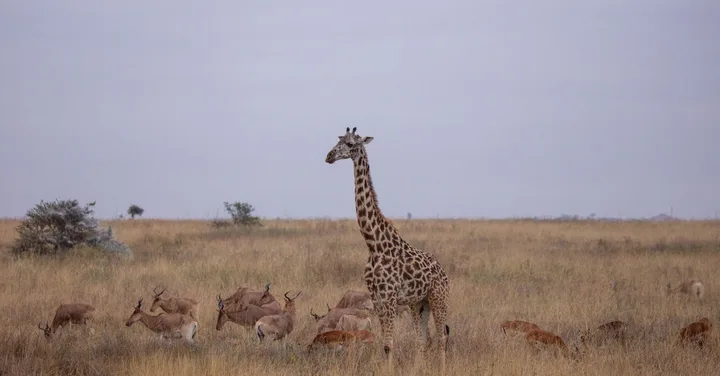
Picture this: you're sitting in an open jeep at dawn, a mug of hot chai cooling in your hands, watching a lioness pad silently through golden grass about thirty metres away. Her cubs scramble behind her. A zebra herd grazes in the distance, completely unbothered. The air smells of dry earth and acacia. Nobody's talking. Nobody needs to.
That's Tanzania. And no, it doesn't require a second mortgage.
The idea that African safari is only for the ultra-rich is one of travel's most stubborn myths. Yes, you can spend five lakh rupees on a luxury tented camp in the Serengeti. You can also do a genuinely wonderful wildlife experience for under two lakh, if you plan it right. This guide is exactly that plan.
Why Tanzania Is Perfect for Indian Travellers
Let's start with the obvious: Tanzania is the best first African safari destination for Indians. Not because of marketing, but because of how the whole experience stacks up.
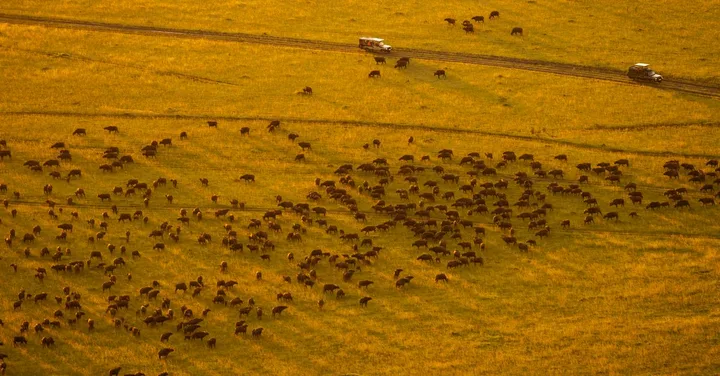
First, the wildlife is genuinely extraordinary. The Serengeti alone has roughly 1.5 million wildebeest, over 3,000 lions, and so many elephants, giraffes, and zebras that you start losing count by day two. The Tanzania National Parks system covers 38% of the country's land area, and that preservation shows.
Second, the Indian connection runs deep. Tanzania has a sizable Indian-origin community, especially in Dar es Salaam and Arusha. You'll find vegetarian food without drama, Indian restaurants in most towns, and locals who understand what "no beef, no pork" means at dinner. Gujarati daal or masala chai at your lodge is not unusual.
Third, the logistics are manageable. Direct or one-stop flights from Mumbai, Delhi, and Bangalore to Kilimanjaro International Airport or Dar es Salaam take roughly 8 to 12 hours depending on the layover. That's less travel fatigue than most long-haul European trips.
And finally, the value. Tanzania offers mid-range safari lodges and budget camps that would honestly pass for boutique hotels in India. Meals are generous, game drives are long and well-guided, and the parks themselves are so rich with wildlife that you don't need to be in a premium camp to see the Big Five.
Best Time to Visit
Tanzania doesn't have bad months, but some months are significantly better for specific experiences. Here's the honest breakdown.
January to March is underrated. The short rains have ended, parks are green and lush, and crowds are low. Wildlife is concentrated around permanent water sources, so game viewing is excellent. Prices are lower than peak season. If budget is a priority and the Great Migration isn't your main goal, January through March is genuinely good value.
June to October is peak season and peak pricing. This is when the Great Migration's river crossings happen in the Masai Mara and northern Serengeti, and when most Indian holiday-makers travel because of school summer breaks. Wildlife visibility is exceptional because the vegetation has dried out and animals cluster around rivers. Book early and expect prices to be 20 to 30% higher than low season.
November brings the short rains, usually a few hours in the afternoon. This is actually a beautiful time to visit: photographers love the dramatic skies, birdlife explodes, and safari camps offer their best discounts. Game drives in the morning are still excellent.
December starts busy again around Christmas and New Year. Prices spike for the last two weeks, but early December is pleasant and affordable.
April and May are the long rains. Some camps close, roads can get muddy, and visibility is lower. Skip this window unless you're a serious birder or chasing budget rates on the properties that stay open.
The sweet spot for a budget Tanzania safari from India? January to March, or early June before school holidays kick in and prices climb.
What's Included in Tanzania Safari Packages
When you're comparing packages and prices, knowing what's actually included saves you from nasty surprises on arrival. Here's what a standard Tanzania safari package typically covers when you book through a reputable operator.
What's usually included:
- Airport transfers to and from Kilimanjaro or Arusha
- Accommodation on full-board basis (breakfast, lunch, dinner)
- Game drives in a 4x4 safari vehicle with a professional guide-driver
- Park entry fees for each park you visit
- Drinking water in the vehicle
- A flying doctor or emergency evacuation insurance (check this carefully)
What's usually not included:
- International flights from India
- Tanzania visa fees (currently around USD 50)
- Tips for your guide and camp staff (budget USD 10 to 15 per day for the guide)
- Alcoholic beverages at the lodge
- Optional balloon safaris or cultural village visits
- Travel insurance (buy this separately, always)
- Laundry, souvenirs, personal expenses
The most common gotcha for Indian travellers is not budgeting for tips, which are genuinely important for your guide's livelihood and also for your own safari experience. A well-tipped guide works harder to find you the good stuff. Budget for it.
Also, "full board" in Tanzania means three meals a day but not premium alcohol. If you're not a drinker, this is fine. If sundowners are part of your plan, factor in the bar tab.
Package Options and Prices in INR
Here are five realistic tiers for a 7-night Tanzania safari for two adults, using approximate INR costs based on land package pricing. International flights will add roughly 60,000 to 90,000 rupees per person depending on the season and your home city.
Tier 1: Budget Backpacker Safari (approx. 80,000 to 1,00,000 INR per person, land only)
This is camping in public or semi-private campsites in the Serengeti and Ngorongoro. You'll share a mess tent with other travellers, sleep in a basic canvas tent, and travel in a group vehicle. Wildlife experience is identical to more expensive options. Food is simple but filling. This is the most common route for young solo travellers and backpacker groups. Not the most comfortable, but 100% real.
Tier 2: Budget Lodge Safari (approx. 1,00,000 to 1,40,000 INR per person, land only)
This is the sweet spot for most Indian travellers on a budget. Mid-range lodges with en-suite rooms, hot water, proper beds, and decent food. You'll cover Tarangire, Serengeti, and Ngorongoro in 6 to 8 days in a private 4x4 with your own guide. This is comfortably doable under two lakh per person including flights if you travel in low season.
Tier 3: Mid-Range Safari (approx. 1,50,000 to 2,00,000 INR per person, land only)
This is the next step up, with well-reviewed mid-range lodges, slightly smaller group sizes, and sometimes a mix of game drive and walking safari. Lodges at this level typically have swimming pools, better food variety, and naturalist guides who can add serious depth to your experience. Still very honest value.
Tier 4: Premium Safari (approx. 2,50,000 to 3,50,000 INR per person, land only)
Boutique tented camps, private conservancies, hot air balloon safaris, dedicated guide throughout. The kind of trip where every detail has been thought through. If budget isn't the constraint and you want real luxury without flying private, this is your zone.
Tier 5: Full Luxury (4,00,000 INR and above per person, land only)
Private villa in a conservancy, exclusive game drives, private chef, full exclusivity. This exists and it's magnificent. It's not what this guide is about, but the Africa Safari Packages page has more detail if you're curious.
For the under-two-lakh target, Tier 2 is your goal. Book with a specialist, travel in low season, keep your bar tab modest, and tip generously. It works.
You can browse detailed Tanzania Safari Packages with INR pricing and specific itineraries if you want to see what's currently on offer.
Practical Travel Tips
Visa: Indian passport holders need a visa to enter Tanzania. The easiest route is the e-visa, applied for online at least two weeks before travel. Cost is USD 50 for a single entry. The process is fairly smooth. You can also get a visa on arrival at major airports, but the queues can be long and it's one unnecessary stressor you don't need after a 10-hour flight.
Flights: The main entry point for most safari tourists is Kilimanjaro International Airport (JRO), which serves Arusha and the northern circuit parks. From Mumbai, Kenya Airways via Nairobi is a popular option with good connections. Ethiopian Airlines via Addis Ababa is another solid route. Emirates via Dubai works if the timings suit. Book at least two to three months ahead for the best fares, and check dates around Indian public holidays carefully because prices spike sharply.
Yellow Fever: Tanzania requires proof of yellow fever vaccination if you're arriving from or via a yellow fever endemic country. Kenya is on that list, which matters if you're transiting through Nairobi. Get vaccinated at least 10 days before travel and carry your yellow card. Check the latest travel health guidance from the WHO Yellow Fever Info page for current requirements.
Malaria: Tanzania is a malaria zone. Start anti-malarials before departure, use DEET-based repellent, sleep under nets, and cover your arms and legs at dusk. Your doctor in India can prescribe the right medication based on your health profile.
Packing: Bring neutral colours, khaki, olive, brown. Bright colours spook wildlife and make you stand out in the vehicle. Layers are important because mornings on game drive are cold (seriously cold in June-July), afternoons are warm, and evenings cool quickly. A good pair of binoculars is worth packing. Your smartphone camera will get great shots in good light, but a mid-range telephoto lens makes a real difference for wildlife.
Currency and Payments: US dollars are the practical currency for tips, small purchases, and park fees. Cards work at most lodges but don't rely on them exclusively. Carry USD 200 to 300 in small bills (ones, fives, tens) for tips and contingencies.
Health: Drink bottled or filtered water only. Most lodges provide safe drinking water in vehicles and at camp. The altitude at Ngorongoro Crater rim (about 2,300 metres) can cause mild headaches on arrival; take it easy the first afternoon.
Frequently Asked Questions
Q: Is Tanzania safe for Indian tourists?
Tanzania is consistently one of the safer African countries for tourists. The northern safari circuit (Arusha, Serengeti, Ngorongoro) is well-travelled and professionally managed. Standard precautions apply: don't flash expensive gear in public areas, use hotel safes, and always travel through a registered operator. Thousands of Indian families visit every year without incident. The Tanzania Tourist Board publishes updated safety and travel guidance you can reference before departure.
Q: Can you actually see good wildlife on a budget safari?
Yes, fully. The wildlife is in the national parks, not in the lodges. Your lodge tier affects your comfort, food quality, and service, but it doesn't change what you see on game drive. A budget lodge guest and a luxury camp guest can share the same sighting of a cheetah hunt at dawn. The key variable is actually your guide's skill and knowledge, which is why booking through a specialist operator matters more than upgrading your room.
Q: Is vegetarian food available in Tanzania?
More than most people expect. Tanzania has significant Indian-origin communities in its major towns, so most lodges understand vegetarian requirements well. In the parks themselves, full-board lodges accommodate vegetarians without much fuss if you inform them in advance. It's not a guarantee everywhere, so always confirm when booking and follow up a week before departure.
Q: What's the minimum number of days you need for a Tanzania safari?
Five nights is the practical minimum for a meaningful northern circuit safari covering Tarangire, Serengeti, and Ngorongoro. Six to eight nights is better because it allows more time in the Serengeti, which rewards patience and longer stays. A three-night trip technically exists but you'll feel rushed. If you're flying in from India, the travel time alone justifies spending more days there.
Q: Do Indian families with children travel to Tanzania?
Absolutely. Many of the 15,000-plus trips Safari Sutra Holidays has organised over 12 years have been family trips with children of all ages. Practical age notes: most reputable lodges accept children five and above on game drives. Some luxury camps in private conservancies restrict game drives to children aged twelve or above for safety reasons. Always check the specific lodge policy when booking. Kids generally have a brilliant time, and the wildlife sightings leave a mark on them that no school trip ever matches.
Q: How much should you budget for tips in Tanzania?
A practical guide is to budget around USD 10 to 15 per day for your driver-guide, and USD 5 per day collectively for lodge staff, split however feels right. On a 7-day trip for two, that's roughly USD 100 to 140 total for tipping, which works out to about 8,500 to 12,000 INR. Factor this into your trip budget upfront rather than scrambling on the last day.
Q: Is travel insurance mandatory for a Tanzania safari?
Not legally mandatory, but practically essential. Safari environments are remote. If you have a medical emergency in the Serengeti, evacuation by light aircraft to Arusha hospital is the standard response, and that costs money. Most reputable safari operators include emergency evacuation cover in their package, but it doesn't replace comprehensive travel insurance that covers trip cancellation, medical treatment, and baggage loss. Buy a policy from a reputable Indian insurer before departure and read what it covers.
Plan Your Trip with Safari Sutra Holidays
A budget Tanzania safari is absolutely doable. The two-lakh target is real, the wildlife is extraordinary, and the experience will stay with you longer than most holidays you've taken. The key is timing your trip right, knowing what's included in your package, and booking with someone who has actually sent Indian travellers to these parks before, not just someone who aggregates international operators.
Safari Sutra Holidays has been planning Africa trips for Indian travellers for over 12 years, with more than 15,000 trips handled. We understand what Indian families and couples need: vegetarian food sorted, visa guidance given, flights from Mumbai or Delhi factored in, and honest advice about which camp is genuinely worth the extra spend and which isn't.
You don't need the most expensive camp in the Serengeti to have a great safari. You need the right itinerary, a skilled guide, and a clear budget. That's what we help you build.
Ready to plan your trip? Contact Safari Sutra Holidays today.

Safari Sutra Team
Travel curators with 13 years of experience planning Indian and international holidays — from safari adventures to island escapes.
View All Posts