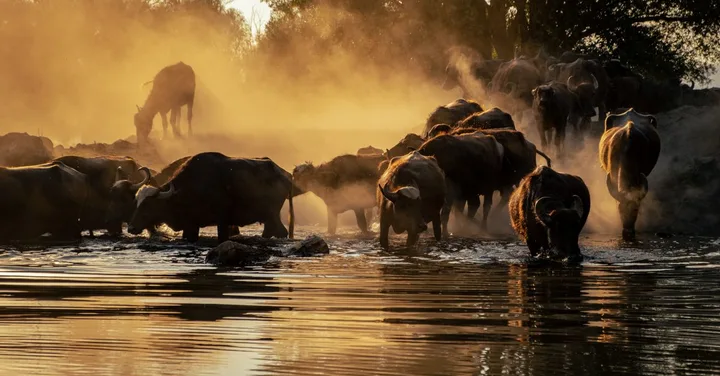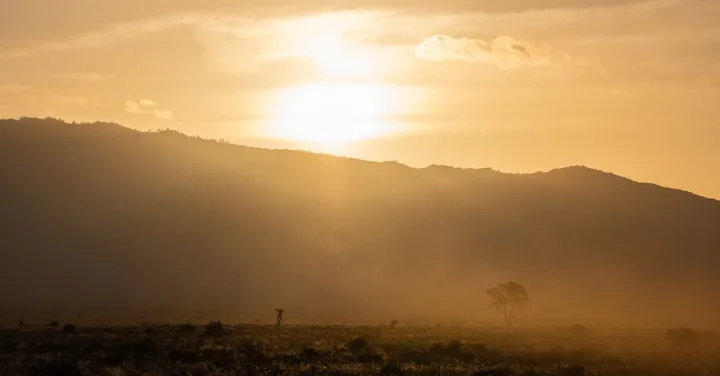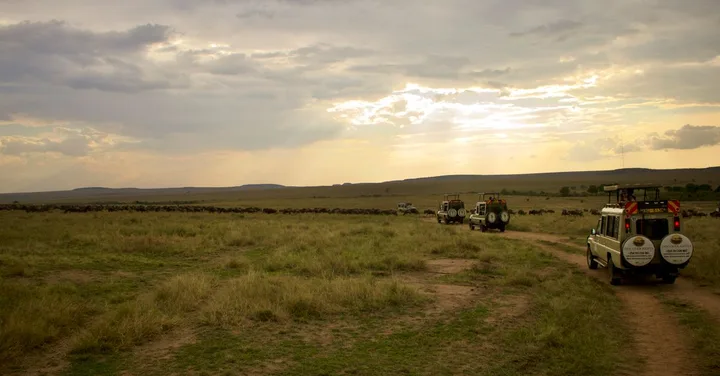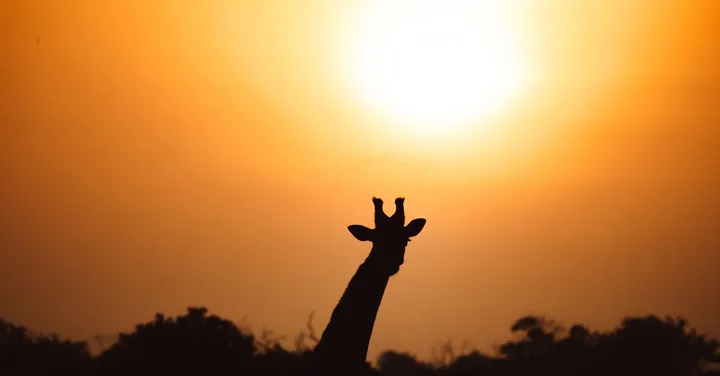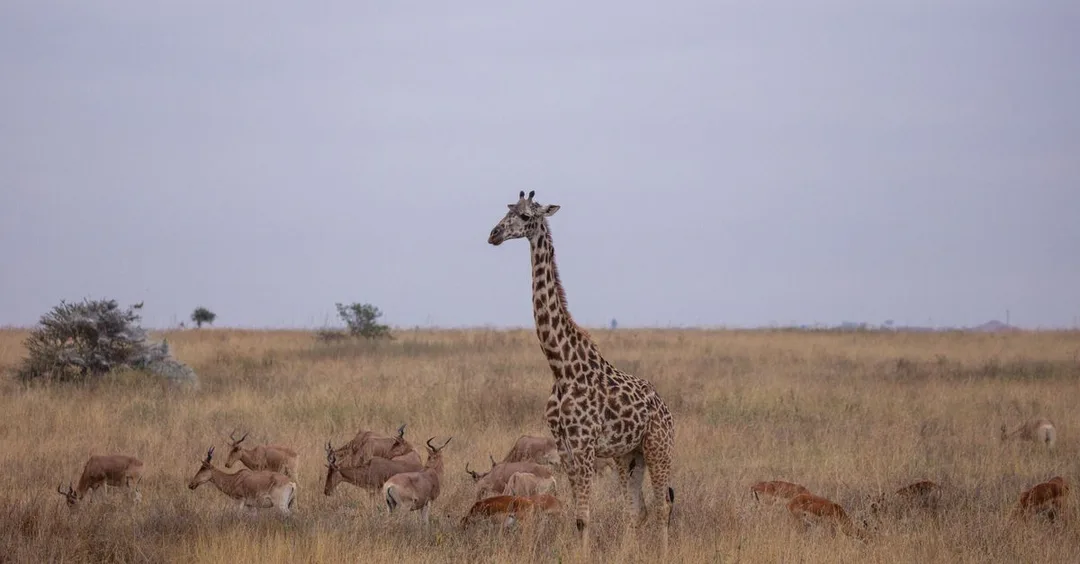
Picture this: your eight-year-old is pressed against the game drive vehicle window, whispering "Mama, look, look!" as a lion cub tumbles over its mother's paws just twenty metres away. No screen, no notifications, no arguments about screen time. Just that raw, electric silence that only the African bush can produce. That moment right there is why families from Mumbai, Delhi, and Bengaluru are increasingly choosing a Tanzania family safari as their big trip, the one the kids will talk about for the rest of their lives.
But Tanzania isn't just one place you visit. It's a collection of wildly different ecosystems, and choosing the wrong park for a family with young children can turn a dream holiday into an exhausting one. Having helped plan over 15,000 trips across 12+ years, we've learned exactly which parks work brilliantly for Indian families and which ones require a bit more preparation. Let's get into it.
Why Tanzania Is Perfect for Indian Travellers
Indian families travel with specific needs: good vegetarian food options, comfortable but meaningful accommodation, reasonable flight connections, and a trip structure that doesn't feel like a military operation. Tanzania checks more of those boxes than most people expect.
The flight connections work well. You're looking at Nairobi or Addis Ababa as your main hub from Mumbai or Delhi, with total travel times around 10 to 14 hours depending on your layover. Ethiopian Airlines and Kenya Airways both offer solid connections to Kilimanjaro International Airport and Julius Nyerere International in Dar es Salaam. That's manageable with kids, especially compared to a 20-hour haul to South America.
Tanzania also has a genuinely family-friendly safari infrastructure. Lodges in Serengeti and Ngorongoro Crater increasingly cater to families, with interconnecting rooms, early morning game drives designed for shorter attention spans, and bush education programmes that turn nature into a classroom rather than a lecture. The Tanzania Tourist Board actively promotes family-focused wildlife tourism, and the standards at premium lodges reflect that investment.
The Big Five are all present here. Elephant, lion, leopard, buffalo, rhino, Tanzania is one of the few destinations on earth where you have a genuine chance of seeing all five in a single trip. For Indian families who love the idea of a checklist (yaar, you know we love a checklist), that's deeply satisfying.
And then there's Zanzibar. Tack on three to four nights after your safari and you have the beach finale the whole family deserves after days of early morning wake-up calls.
Now, the most important question: which parks are actually good for families?
Serengeti National Park: The Crowd-Pleaser
The Serengeti is enormous, over 14,700 square kilometres, and the wildlife density is unlike anywhere else in Africa. For families, the Southern and Central Serengeti (around Seronera) is the sweet spot. Game viewing is reliable year-round because resident predator populations are high. You'll find lion prides, cheetah mothers with cubs, and elephant families moving through open plains almost every single day.
The Great Migration (roughly July to October in the north, January to March in the south) adds spectacular drama, but the Serengeti is genuinely excellent even outside migration months. The lodges here, particularly the mid-range to premium tented camps, are well set up for families. Kids under 12 often get significant discounts, and interconnecting tent configurations mean you're not crammed into a single room.
One practical note: game drives are long, often three to four hours at a stretch. Pack snacks from home, yes even chakna, because kids need fuel and many lodges have limited snack options mid-drive.
Ngorongoro Crater: Compact, Concentrated, Perfect for Young Kids
If the Serengeti is the epic blockbuster, Ngorongoro is the tight, perfectly edited short film. The crater floor is a self-contained world, roughly 260 square kilometres, where wildlife is densely packed and game drives produce results fast. For families with younger children (say, five to nine years old) who might lose patience on long, slow drives across open savannah, the Ngorongoro Crater is ideal.
You'll see black rhino here, which is genuinely rare across Africa. The crater also has large herds of wildebeest and zebra year-round, plus lions and hyenas. The whole experience feels almost theatrical, like nature arranged itself for your benefit.
The crater rim lodges sit at 2,400 metres altitude, so bring a light jacket. Mornings are genuinely cool, and kids who are used to Chennai or Hyderabad heat will find it refreshing rather than cold.
Tarangire National Park: The Elephant Park
Tarangire doesn't get the same attention as Serengeti but for families it's a hidden gem, especially between July and October when the Tarangire River becomes the only water source around. Elephants gather in the hundreds. Actual hundreds. For a child who has only seen an elephant at a zoo or on a temple procession, watching a herd of 200 elephants move through ancient baobab trees is something no zoo ever prepares you for.
Tarangire also has excellent tree-climbing lions in parts of the park, and birding that will genuinely impress even non-birding parents. It pairs well with Ngorongoro for a six to seven day itinerary that covers maximum variety without exhausting the family.
Lake Manyara: The Quick Add-On
Lake Manyara is compact (roughly two hours from Arusha) and works brilliantly as a gentle introduction to safari, usually done on the first or last day. Flamingos on the lake, hippos in the shallows, and tree-climbing lions in the fever trees. It's not your headline park but as a warm-up or wind-down, it's perfect for families who want to ease into (or out of) the bush experience.
For a complete look at how these parks fit into different itineraries, browse the Tanzania Safari Packages we've built specifically for Indian families.
Best Time to Visit
January to March: The Southern Serengeti hosts the calving season, where hundreds of thousands of wildebeest calves are born in a short window. It sounds chaotic, and it is, gloriously so. Predator action is intense. This is actually a fantastic time for families because the Southern Serengeti is closer to Ngorongoro and the circuit is compact. Shoulder pricing applies in January and February.
April to May: The long rains. Roads get muddy, some camps close, and game viewing is harder. This is honestly not the best time unless budget is the absolute priority. The landscape is spectacularly green and dramatic, but the tradeoffs for families with young kids are real.
June to October: This is peak season for excellent reason. Dry weather, animals concentrating around water sources, and the Migration moving into the central and northern Serengeti by July. September and October bring the dramatic Mara River crossings in the far north. Prices are at their highest here, so book six to nine months ahead for the best lodge availability.
November to December: The short rains arrive but don't usually disrupt game viewing significantly. Prices dip again. December is actually a wonderful time for Indian families since school holidays align perfectly and the crowds are thinner than July to October.
What's Included in Tanzania Family Safari Packages
Most packages for Tanzania family safari india searches include:
- Airport transfers in Arusha or Kilimanjaro
- All accommodation (tented camps or lodges depending on tier)
- All meals within the safari circuit (full board)
- Game drives in 4WD vehicles with an English-speaking guide
- Park entry fees and conservation levies
- Flying or road transfers between parks (depends on tier)
- Optional Zanzibar extension with beach accommodation
What's typically not included: international flights, visas, travel insurance, tips for guides and camp staff (budget around USD 15 to 20 per day), and personal shopping in local markets.
Package Options and Prices in INR
Prices below are per person and vary by season. These are indicative ranges based on double or family room occupancy.
1. Classic Family Safari (6 nights, road transfers)
Covers Ngorongoro Crater, Tarangire, and Lake Manyara. Mid-range lodges. Ideal for first-timers.
Approximately INR 1,80,000 to 2,20,000 per adult. Kids under 12 at 50 to 60% of adult price.
2. Serengeti Family Adventure (7 nights, mix of road and light aircraft)
Covers Serengeti (2 areas), Ngorongoro, and Tarangire. Premium tented camps.
Approximately INR 2,80,000 to 3,50,000 per adult.
3. Migration Safari (8 nights, fly-in to Northern Serengeti)
Best July to October. Focuses on the Great Migration and Mara River crossings. Luxury lodges.
Approximately INR 4,00,000 to 5,50,000 per adult.
4. Complete Tanzania + Zanzibar Family Package (10 nights)
Safari circuit followed by four nights in Zanzibar (Stone Town + beach resort).
Approximately INR 4,50,000 to 6,00,000 per adult, depending on season and lodge tier.
5. Budget-Conscious Family Circuit (5 nights, road transfers)
Lake Manyara, Ngorongoro, and Southern Serengeti. Solid mid-range lodges, no frills but excellent game viewing.
Approximately INR 1,40,000 to 1,70,000 per adult.
All packages can be customised. If you're ready to start planning, get in touch with Safari Sutra Holidays and we'll build an itinerary around your family's pace and budget.
Practical Travel Tips
Visa: Indian passport holders need a visa for Tanzania. You can apply online via the Tanzania e-Visa portal before travel, which is straightforward and usually processed within three to five business days. Cost is around USD 50 per person. Always check the latest requirements at the Tanzania National Parks official site and the embassy website before booking.
Flights: Ethiopian Airlines (via Addis Ababa) and Kenya Airways (via Nairobi) are the most common routings from Mumbai and Delhi to Kilimanjaro or Dar es Salaam. Book early, especially for June to October travel. Prices from Mumbai typically range from INR 45,000 to 75,000 return per person depending on timing.
Health: Yellow fever vaccination is recommended (and may be required if transiting through certain countries). Malaria prophylaxis is strongly advised. Consult your doctor at least four weeks before travel. Pack a basic first aid kit with rehydration salts, antihistamines, and any regular medication your family uses.
Packing for families:
- Neutral colours: khaki, olive, grey. Avoid blue (attracts tsetse flies) and bright white
- Sunscreen with SPF 50+ and insect repellent with DEET
- Binoculars, one per person if possible. Kids absolutely love having their own
- Light fleece or jacket for Ngorongoro Crater mornings
- A small bag of familiar snacks from India. Maggi, chakna, whatever your kids won't travel without
Currency: The Tanzanian Shilling is the local currency but USD is widely accepted at lodges and shops. Carry small denomination USD notes (USD 1, 5, 10) for tips and minor purchases.
Frequently Asked Questions
Q: Is Tanzania safe for Indian families travelling with young children?
Tanzania is considered one of the safer destinations in sub-Saharan Africa for tourists. The safari circuit (Arusha, Serengeti, Ngorongoro, Tarangire) is very well-travelled and lodge security is solid. The main practical concerns are health-related, malaria being the primary one, which is manageable with proper precautions. Political stability is good and tourist infrastructure is reliable. Thousands of families travel here safely every year, including many Indian families through Safari Sutra Holidays.
Q: What is the minimum age for children on a Tanzania safari?
Most lodges and camps accept children aged five and above, and some premium properties allow children as young as three with restrictions on certain activities. Game drives are generally suitable for children from around four to five years old, though attention spans vary. For very young children (under three), a lake-based or more relaxed itinerary works better than a full Serengeti circuit. Always confirm the lodge's child policy when booking.
Q: Can we get vegetarian food on safari in Tanzania?
Yes, with advance notice. Most quality lodges cater to dietary requirements including vegetarian and Jain food if you communicate this clearly at the time of booking. Major camps are used to hosting Indian guests and will often have dal, rice, and vegetable options available. That said, this is not a given at every property, so always confirm and reconfirm with your travel agent before you arrive.
Q: How physically demanding is a Tanzania family safari?
Less demanding than you might think. Game drives are sitting in a vehicle, typically for two to four hours at a stretch with breaks. The main physical requirement is getting in and out of a 4WD, which requires a small step up. Ngorongoro and Serengeti are accessible to most fitness levels. If you're planning any walking safaris or bush walks (which are available at some camps for adults and older teenagers), those require moderate fitness but are optional.
Q: When is the Great Migration and how do we plan around it as a family?
The Great Migration is a year-round phenomenon, not a single event. The massive herds move in a clockwise loop through the Serengeti and into Kenya's Masai Mara. The dramatic Mara River crossings (where wildebeest leap into crocodile-filled water) happen roughly July to October in the northern Serengeti. The calving season in the Southern Serengeti runs January to March. For families, calving season is often a better experience than the crossings, as it's less intense, pricing is more accessible, and the animal behaviour (predators hunting, calves learning to walk) is extraordinary.
Q: What's the best way to combine Tanzania with Zanzibar for a family holiday?
The classic combination is five to seven nights on safari followed by three to four nights in Zanzibar. Stone Town is genuinely fascinating for curious older kids, a UNESCO World Heritage site with narrow spice-scented streets and a rich Swahili history. The northern beach resorts (Nungwi, Kendwa) are calm and excellent for swimming, while the east coast (Paje) suits older kids who want to try kitesurfing. Domestic flights connect Arusha or Kilimanjaro to Zanzibar in about an hour, making the transition easy.
Q: How far in advance should Indian families book a Tanzania safari?
For travel between July and October (peak season), book at least six to nine months ahead. The best family-friendly lodges in Serengeti and Ngorongoro fill up fast, especially for school holiday windows in May and October. For January to March or November to December travel, four to six months advance booking is usually sufficient, though earlier is always better for pricing and availability.
Plan Your Trip with Safari Sutra Holidays
A Tanzania family safari is genuinely one of the most rewarding things you can do together as a family. It's not about ticking a destination off a list. It's about watching your child see a wild elephant for the first time, about sitting around a campfire under a sky so full of stars it looks like someone spilled glitter across it, about disconnecting completely and reconnecting with each other.
The planning matters. The right parks, the right camps, the right itinerary pace for your kids' ages, all of it shapes whether this trip feels magical or exhausting. At Safari Sutra Holidays, we've spent 12+ years helping Indian families get this right, from first-time safari families to those coming back for their third Tanzania trip. We know which lodges actually deliver on vegetarian food requests, which guides are brilliant with kids, and how to pace an itinerary so nobody melts down on day four.
Ready to plan your trip? Contact Safari Sutra Holidays today.

Safari Sutra Team
Travel curators with 13 years of experience planning Indian and international holidays — from safari adventures to island escapes.
View All Posts