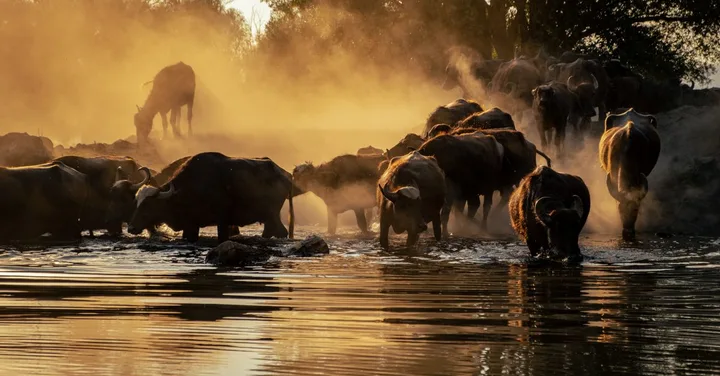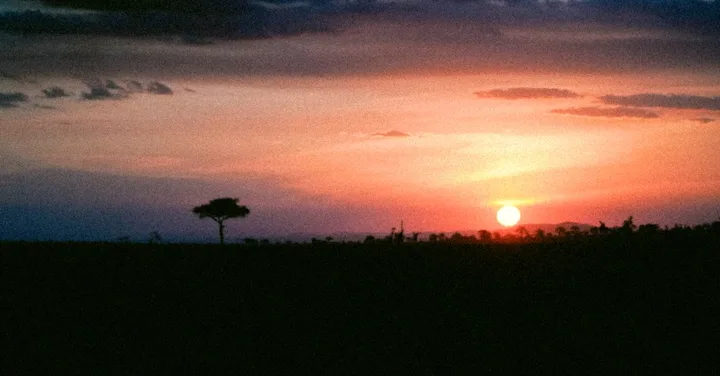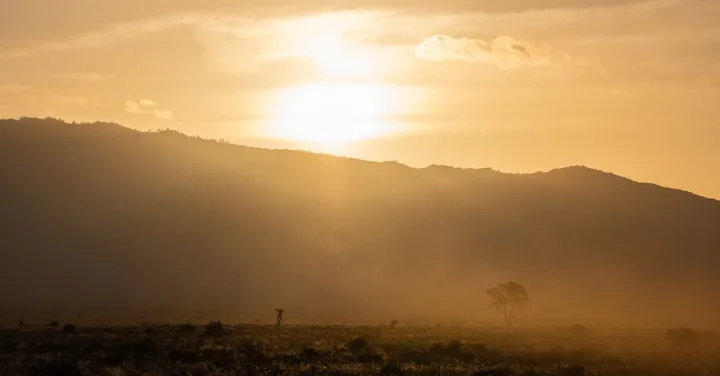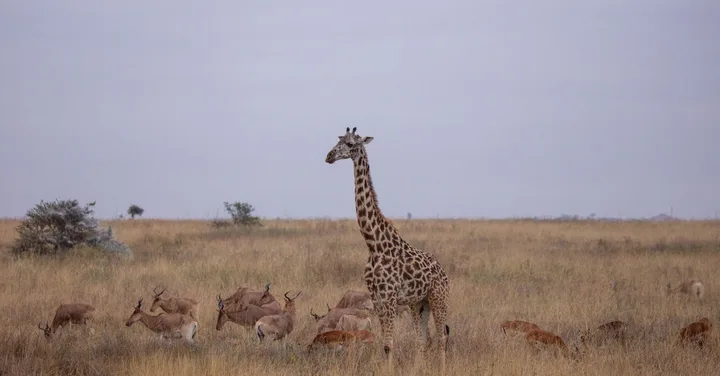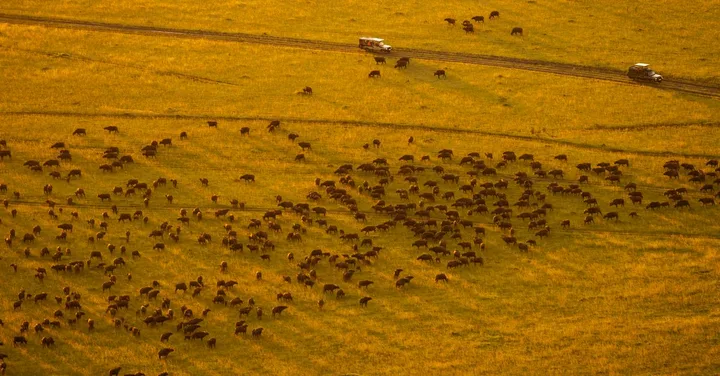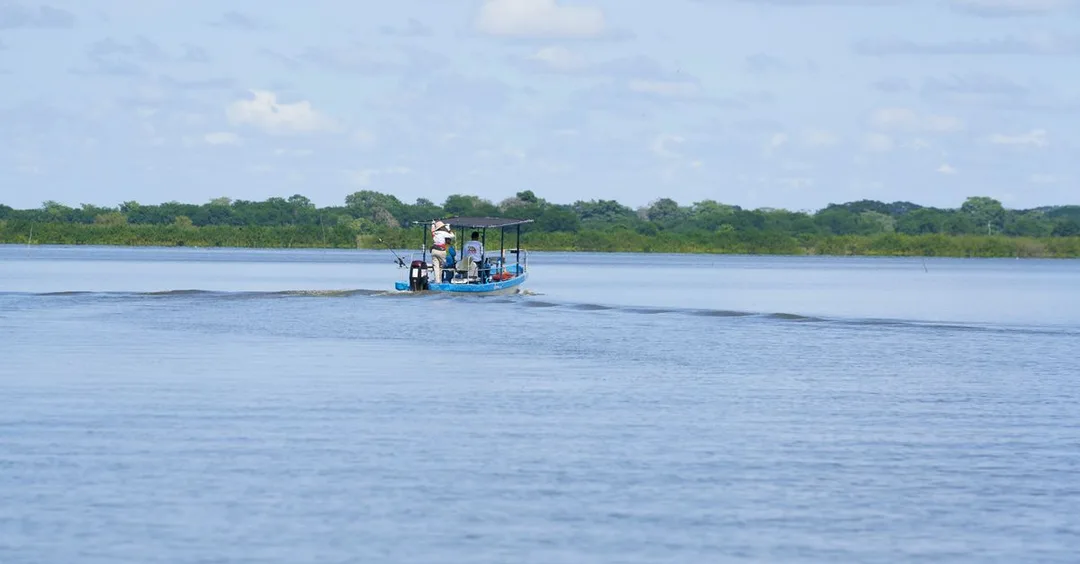
You're drifting down the Rufiji River in a flat-bottomed boat, close enough to a pod of hippos that you can hear them grunt and exhale. On the bank, a massive Nile crocodile barely moves as your guide cuts the engine. The only sounds are water, birds, and your own heartbeat. This is Nyerere National Park, Tanzania's largest protected area, and honestly, it doesn't feel like any other safari you've ever imagined.
In This Guide
- Nyerere National Park Tanzania for Indian Travellers: What You Actually Get
- Best Time to Visit (Month-by-Month, Honest)
- Top Experiences You Can't Miss
- Safari Sutra Package Options & Prices in INR
- Getting There: Flights from India
- Visa, Vaccinations & Practical Prep
- Frequently Asked Questions
- Plan Your Nyerere National Park Tanzania Trip with Safari Sutra
Nyerere National Park Tanzania for Indian Travellers: What You Actually Get
Nyerere National Park, formerly known as Selous Game Reserve, covers over 30,000 square kilometres in southern Tanzania. To put that in perspective, it's larger than Switzerland. Yet most Indian travellers have never heard of it, because everyone's busy talking about the Serengeti.
That's exactly why you should pay attention.
Where the Serengeti is iconic and deservedly famous, Nyerere is wilder, quieter, and more intimate. You won't find rows of Land Cruisers queuing to photograph a lion here. On a good morning game drive, you might not see another vehicle for hours. The wilderness feels genuinely untouched.
The park sits in the Rufiji River basin, which means it offers something no other major Tanzanian park does: the boat safari. You experience wildlife from the water, watching elephants drink, crocodiles bask, and fish eagles hunt from a completely different vantage point. Pair that with guided walking safaris, where you track animals on foot with an armed ranger, and you have an experience that's deeply different from anything the northern circuit delivers.
For Indian premium travellers who've already done Masai Mara or the Serengeti and want something that feels genuinely exploratory, Nyerere is the answer. For first-timers who want fewer crowds and more authenticity, it's arguably an even better choice. Tanzania National Parks officially manages Nyerere and has continued expanding conservation efforts since it was upgraded from a game reserve to a national park in 2019.
The Big Five are all present. Wild dogs, one of Africa's most endangered predators, are spotted here more reliably than almost anywhere else on the continent. The elephant population is one of the largest in East Africa.
Best Time to Visit (Month-by-Month, Honest)
Getting the timing right for Nyerere is important because the landscape changes dramatically through the year.
June to October is the dry season and the best time to visit. Vegetation thins out, animals concentrate around the Rufiji and its tributary lakes, and game viewing gets genuinely spectacular. Boat safaris are at their peak because water levels are stable and wildlife is drawn to permanent water sources. Photography is excellent. This is when you want to be here.
July and August are the busiest months, though "busy" by Nyerere's standards still means far fewer visitors than the Serengeti in peak season. If you want the sweet spot, aim for September or early October. You get the same dry season conditions with a slightly more exclusive feel.
January to March is the green season. The park gets lush and genuinely beautiful, and rates at lodges drop noticeably. Wildlife doesn't disappear, it's just more spread out across a larger area. Birding is outstanding in these months, with migratory species present. If your budget is flexible downward and crowds genuinely bother you, this period works well.
November brings short rains. Manageable, and the landscape greens up fast. Some camps close or reduce services.
April and May are the heavy rains. Tracks flood, some areas become inaccessible, and most quality camps close entirely. Avoid this window.
Top Experiences You Can't Miss
Boat Safari on the Rufiji River
This is Nyerere's signature experience and nothing else in Tanzania compares. You board a flat-bottomed motorboat at dawn or late afternoon and navigate the channels, oxbow lakes, and main course of the Rufiji. Hippo pods surface around you. Crocodiles, some of them genuinely enormous, line the banks. Elephants wade across shallows. Fish eagles call from the treetops. It's a completely different perspective from a Land Cruiser, slower and more immersive.
The boat also gets you close to birds that you'd never approach on foot: kingfishers, herons, African skimmers, and the prehistoric-looking goliath heron standing nearly as tall as a person.
Walking Safari
Nyerere is one of the few parks in Tanzania where walking safaris are a primary activity rather than an add-on. You go on foot with an armed professional guide and a tracker, covering a few kilometres through true bush. You learn to read animal tracks, identify dung, spot insects and plants that game drive guides never stop for. You feel the ground, smell the dust, and understand why being on foot changes everything about how you perceive the wilderness.
Walking safaris require a reasonable level of fitness but nothing extreme. Most guests manage them comfortably. Age-appropriate alternatives exist for travellers who prefer lighter activity.
Wild Dog Tracking
Africa's painted wolves, or wild dogs, are one of the continent's rarest large predators. Nyerere has one of the most reliable wild dog populations anywhere on the continent. Watching a pack hunt is one of the most intense wildlife experiences you can have: organised, fast, and nothing like watching big cats. Ask your camp specifically about which areas have been most active.
Game Drives at Dawn
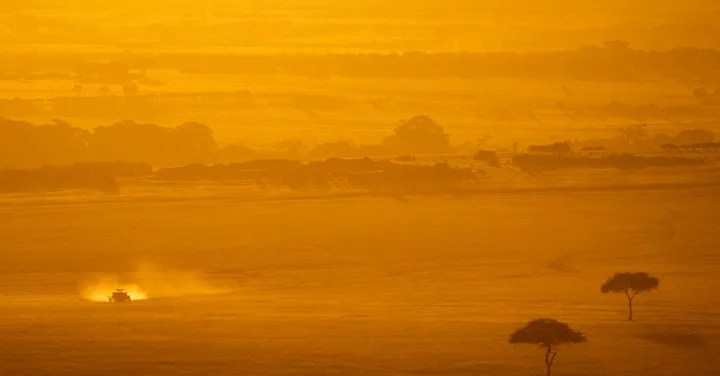
Standard game drives here have a different energy because you're often the only vehicle. The northern circuit gets the wildlife spectacle; Nyerere gives you the solitude. Early morning drives, when the light is golden and the air still cool, through open woodland and along the river's edge, produce some of the best wildlife photography conditions in East Africa.
Safari Sutra Package Options & Prices in INR
We've built a range of Tanzania Safari Packages that include Nyerere across different budgets and travel styles. Here's an honest breakdown:
Essential Nyerere Safari (4 nights)
Midrange tented camp, boat safari, two game drives, one walking safari. Flights and internal transfers included. From approximately Rs. 1.65 lakhs per person. Best for travellers who want to experience Nyerere without overextending on accommodation.
Classic Southern Circuit (7 nights, Nyerere + Ruaha)
Combines Nyerere with Ruaha National Park for a complete southern Tanzania experience. Comfortable camps, daily activities across both parks, fly-in transfers between parks. From approximately Rs. 2.8 lakhs per person. Our most popular southern circuit.
Premium Nyerere Lodge Safari (5 nights)
Riverside lodge with private plunge pools, guided boat safaris twice daily, bush walks, night drives where permitted, and sundowners on the river. From approximately Rs. 3.5 lakhs per person. Right for couples and serious wildlife photographers.
Nyerere + Zanzibar Combo (9 nights)
Five nights in Nyerere followed by four nights on Zanzibar's north coast. Safari intensity followed by complete beach recovery. From approximately Rs. 3.8 lakhs per person. Very popular with honeymooners and couples.
Full Southern Tanzania Exclusive (12 nights)
Nyerere, Ruaha, Mikumi, and Zanzibar, with a private vehicle and guide throughout. For travellers who want to see southern Tanzania properly without rushing. From approximately Rs. 5.5 lakhs per person. This is the trip for serious wildlife enthusiasts.
All prices are per person, based on double occupancy, and include park fees, local flights within Tanzania, accommodation, meals, and guided activities. International flights from India are additional.
Getting There: Flights from India
There's no direct flight from India to Dar es Salaam, which is the main gateway city for Nyerere. The most common connections are:
- Mumbai or Delhi via Dubai on Emirates or flydubai, with total journey times of around 10 to 12 hours.
- Mumbai via Nairobi on Kenya Airways, connecting down to Dar es Salaam.
- Delhi via Addis Ababa on Ethiopian Airlines, which has competitive fares and good connections.
Expect return airfares of roughly Rs. 55,000 to Rs. 90,000 depending on season, airline, and how early you book. December and peak summer dates run higher.
From Dar es Salaam, the quickest way into Nyerere is a light aircraft flight to one of the airstrips inside the park, around 45 minutes. Road transfers exist but take half a day and are generally not worth it given the distances involved.
Visa, Vaccinations & Practical Prep
Visa: Indian passport holders need a visa for Tanzania. The Tanzania e-Visa is straightforward to obtain online through the Tanzania Tourist Board portal. A standard tourist visa costs USD 50. Processing usually takes 3 to 7 working days. Apply at least 2 weeks before departure to be safe.
Yellow Fever: Tanzania requires a yellow fever vaccination certificate if you're arriving from a yellow fever risk country. India is on this list, so this vaccination is mandatory, not optional. Get it done at a government-approved travel health clinic at least 10 days before departure.
Malaria: Nyerere is in a malaria zone. Take anti-malarials as prescribed by your doctor, use a DEET-based repellent, wear long sleeves at dawn and dusk, and sleep under the nets provided by your camp. The risk is real but completely manageable.
Packing basics for Nyerere: Neutral colours, khaki, olive green, beige. Avoid bright colours and white. Pack a light fleece for early morning drives. Good walking shoes for bush walks, nothing heavy. A wide-brimmed hat, high-SPF sunscreen, and a quality pair of binoculars make a real difference to your experience.
Currency: Tanzanian Shilling for small purchases, but most camps work in USD. Carry small-denomination USD notes for tips. Credit cards work at most lodges but not in remote areas.
Connectivity: Expect limited or no mobile data inside the park. This is actually wonderful. Most camps have WiFi in the main areas for a few hours a day. Embrace the disconnect.
Frequently Asked Questions
Q: Is Nyerere National Park safe for Indian travellers?
Nyerere is extremely safe for tourists. The camps are well-managed, guides are professional and trained, and walking safaris are conducted with armed rangers. The park's remoteness is actually part of its appeal, and you'll be in expert hands throughout. Common-sense precautions apply, just as they would anywhere.
Q: How does Nyerere compare to the Serengeti for a first-time safari?
Both are excellent, but they offer genuinely different experiences. The Serengeti gives you massive wildlife concentrations and the drama of the Great Migration, which is hard to beat for sheer spectacle. Nyerere gives you deeper immersion, boat safaris, walking safaris, and far fewer other visitors. If you want a classic safari, start with the Serengeti. If you want something that feels less produced and more genuinely wild, Nyerere is the better choice. We've helped travellers choose between these destinations for over 12 years and 15,000+ trips, and the answer really does depend on what kind of experience you're after.
Q: Can families with children visit Nyerere?
Yes, but check the age restrictions on walking safaris, as most camps require a minimum age of 12 or 14 for bush walks. Game drives and boat safaris are suitable for younger children. Nyerere's remoteness means it works best for families with older children who can genuinely engage with the experience and the early starts.
Q: What's the food like at Nyerere camps?
Better than you might expect for somewhere this remote. Quality lodges serve full buffet breakfasts, packed lunches on safari, and three-course dinners around a campfire. Most camps can accommodate Indian vegetarian dietary requirements if you give advance notice. Mention your preferences when booking through Safari Sutra Holidays and we'll confirm with the camp ahead of your arrival.
Q: How physical are the walking safaris?
Moderate. You'll typically walk between 3 and 7 kilometres over 2 to 3 hours, on uneven ground, in the heat of the morning. A reasonable base fitness level is enough. The guide sets the pace and can adjust based on your group. You're not trekking Kilimanjaro; you're walking through beautiful bush with an expert who's teaching you how to read the landscape.
Q: When is the absolute best time to see wild dogs in Nyerere?
The dry season between June and October gives you the best visibility because vegetation is low and wild dog packs tend to be more active around den sites. Denning season, when packs have pups, usually runs from June to August and this is when you have the best chance of extended sightings. Sightings are never guaranteed with any wildlife, but Nyerere is as reliable as it gets for wild dogs.
Q: Can I combine Nyerere with Zanzibar?
Absolutely, and this combination is one of the most satisfying itineraries in East Africa. Five nights of intense bush activity in Nyerere followed by four nights on Zanzibar's north coast works perfectly. You get the contrast of deep wilderness and complete beach relaxation. The flight between Dar es Salaam and Zanzibar takes under 30 minutes.
Plan Your Nyerere National Park Tanzania Trip with Safari Sutra
Nyerere rewards travellers who look beyond the obvious. While everyone races to the Serengeti, you'll be on a boat at dawn, watching elephants cross the Rufiji as a fish eagle calls overhead, with no other tourists in sight.
This is what genuine Africa feels like. Not a highlight reel, an actual experience.
Safari Sutra Holidays has spent over 12 years building expertise across East Africa, and Nyerere sits firmly in our list of destinations we genuinely love recommending. The combination of boat safaris, walking safaris, and serious wildlife in a crowd-free setting is hard to find anywhere else on the continent.
The northern Serengeti in October and November is our quiet favourite for travellers doing a two-country trip: you catch the tail of the Migration plus calving starting in the south, often in the same seven-day trip. Pair that with Nyerere as a southern extension and you have an East Africa itinerary that covers everything with almost no overlap.
Whether you're planning a honeymoon, a serious wildlife trip, or a post-Serengeti adventure for travellers who want more, we'll build an itinerary that actually fits what you're looking for.
Ready to Plan Your Trip?
Safari Sutra Holidays — 13 years, 15,000+ trips, zero cookie-cutter itineraries.
Get Your Free Custom Quote →+91 9860415774 | hello@thesafarisutra.com

Safari Sutra Team
Travel curators with 13 years of experience planning Indian and international holidays — from safari adventures to island escapes.
View All Posts