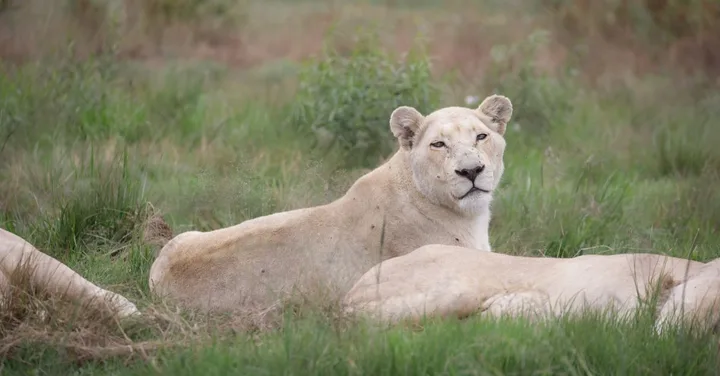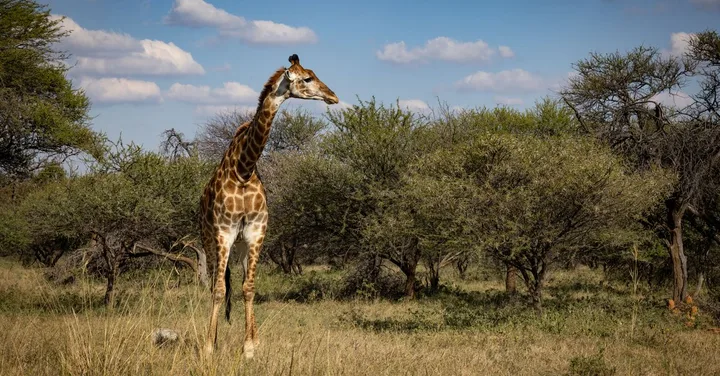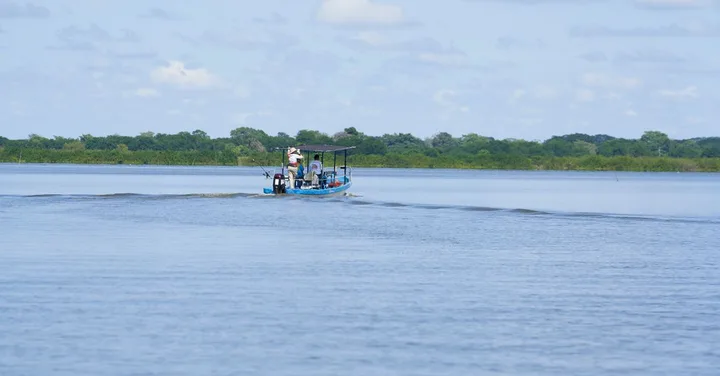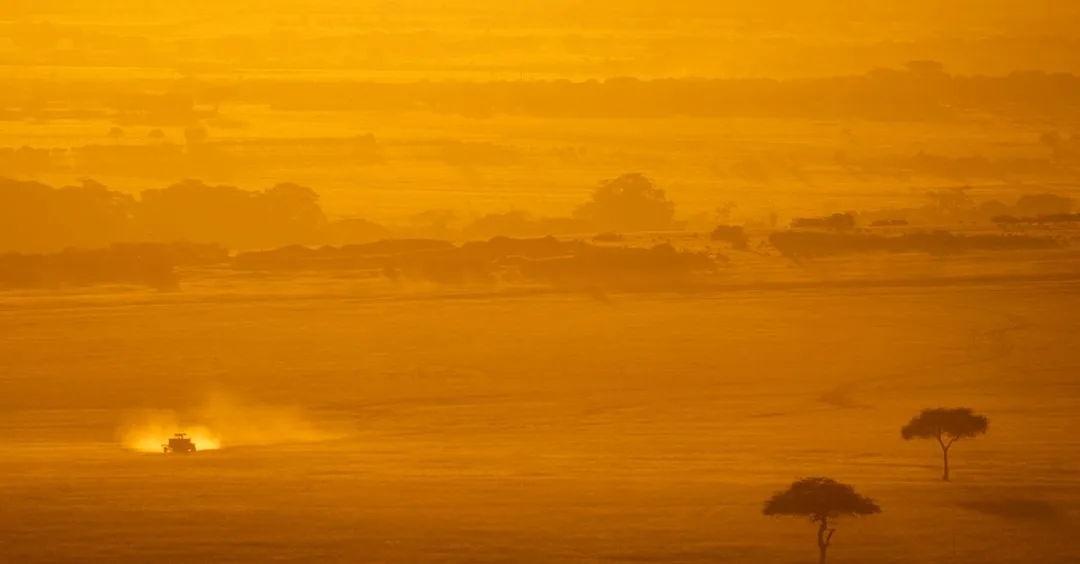
Imagine waking up at 5:30am to total silence, then watching a lion drag her kill through the golden grass fifty metres from your tent. The air smells of dust and dry wood. Your Masai guide whispers something in Swahili and smiles. You realise you haven't thought about your inbox in three days. That's Tanzania. It doesn't ease you in gently. It grabs you by the collar from day one and doesn't let go until you're sitting in departures at Kilimanjaro Airport wondering how soon you can come back.
For Indian travellers who've done Europe, done Southeast Asia, maybe even done a Kenya safari, Tanzania is the one that tends to rearrange your sense of what travel can feel like. It's bigger, wilder, and more varied than most people expect. And with the right Tanzania safari package, it fits your budget, your travel style, and your calendar more neatly than you'd imagine.
Why Tanzania Is Perfect for Indian Travellers
Let's be honest: Tanzania is not the first destination most Indian families think of when planning a holiday. But after 12+ years and over 15,000 trips across 60+ countries, we've seen it happen time and again. Someone books Tanzania reluctantly, slightly unsure, and comes back a complete convert.
Here's why it works so well for Indian travellers specifically.
The variety is unbeatable. Tanzania gives you the Serengeti, yes. But it also gives you Zanzibar's turquoise beaches, the flamingo-pink shimmer of Lake Manyara, the ancient crater of Ngorongoro, and the elephants of Tarangire. You can do a proper wildlife safari and end with three days on a beach. In one trip. That combination is hard to find anywhere else on the planet.
Indian palates are well-catered for. Many lodges and camps in Tanzania now actively accommodate vegetarian requests and Indian dietary preferences. It's worth communicating this in advance, which is exactly what we handle for you when you book through Safari Sutra Holidays.
It's a genuine value proposition. Yes, Tanzania is a premium safari destination. But compared to what you'd spend on a comparable luxury trip to Europe or the Maldives, a well-planned Tanzania safari delivers something categorically different. You're not just relaxing. You're experiencing something ancient and irreplaceable.
Indians are welcomed warmly. Tanzania has a significant Indian-origin community, especially in Dar es Salaam and Zanzibar. The cultural familiarity helps. You won't feel out of place.
The logistics have become much easier. Direct flight options have improved. Visa on arrival is available for Indian passport holders. And once you're on the ground, everything moves smoothly if your operator knows what they're doing.
Best Time to Visit Tanzania
Tanzania doesn't have a bad time to visit. But it does have a best time, and it depends entirely on what you want to see.
January to March is warm and mostly dry. The Serengeti's southern circuits are buzzing because wildebeest calving happens around January and February. Fewer crowds than peak season, and prices tend to be slightly lower. A genuinely good time to go.
April to May is the long rainy season. Many camps close or reduce services. Roads in some parks get difficult. Prices drop significantly, and the landscape turns lush and green. Fine for experienced travellers who don't mind the rain, but not ideal for first-timers.
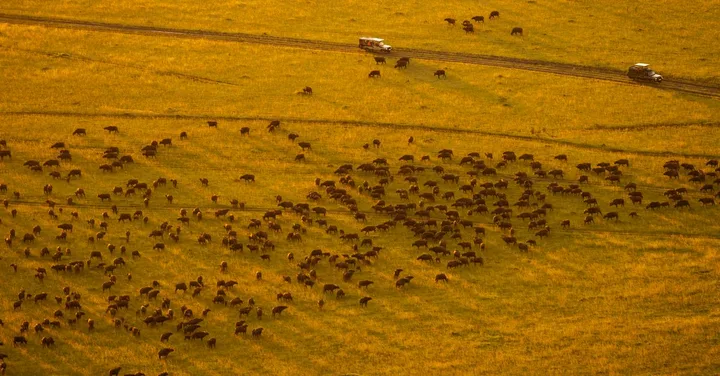
June to October is the classic peak season, and the reason is simple: the Great Migration. From around June, massive herds of wildebeest move through the Serengeti's northern and central zones. The river crossings happen roughly July through October, and they're exactly as dramatic as every photograph suggests. This is when Tanzania safari packages from India are most in demand. Book at least 4-6 months in advance for this window.
November and December are the short rains, usually lighter and more unpredictable than the long rains. Birdwatching is excellent. The parks are quieter. Ngorongoro Crater is particularly good in this period. For Indian travellers, December works well because it aligns with school holidays and year-end leave.
For most Indian families travelling together, June to October is the sweet spot, with July and August being the peak of the Migration spectacle. If you're travelling as a couple or solo and have flexibility, January to March offers excellent game viewing with better value.
What's Included in Tanzania Safari Packages
Good Tanzania packages aren't just transport and accommodation slapped together. Here's what a solid package from India typically covers.
Flights from major Indian cities like Mumbai, Delhi, Bangalore, or Chennai to Kilimanjaro International Airport (JRO) or Julius Nyerere International Airport (DAR) in Dar es Salaam. Most routing goes through Nairobi, Doha, Dubai, or Addis Ababa. Flight options have improved considerably.
Visa assistance for Tanzania, which Indian passport holders can obtain on arrival or through the e-visa portal. We'll make sure you have the right documents before you travel.
Park entry fees for the reserves you visit, whether that's the Serengeti, Ngorongoro Conservation Area, Tarangire, or Lake Manyara. These fees are regulated by Tanzania National Parks and must be paid per person per day. They're a significant cost, and any package quoting suspiciously low prices is almost certainly leaving these out.
Accommodation ranging from permanent tented camps to boutique lodges, depending on your tier. The tented camps in the Serengeti are extraordinary. You're inside the park, you hear lions at night, and the setup is more intimate than a hotel ever could be.
Game drives typically twice daily: early morning and late afternoon, in 4x4 vehicles with experienced, licensed guides. Most quality packages include a full-day drive option with a packed lunch eaten in the bush.
All meals within the safari circuit are usually included. Breakfast, lunch, and dinner at camp. Bottled water and soft drinks too, in most premium camps.
Internal transfers by road or by small charter aircraft between parks, depending on the itinerary and tier.
A Zanzibar extension is available on most packages, typically adding 2-3 nights in Stone Town or on the north coast at Nungwi or Kendwa. Strongly recommended if this is your first Tanzania trip.
What's usually not included: international airfare (priced separately based on travel dates), travel insurance, personal shopping, alcoholic beverages at some camps, and tips for guides and camp staff.
Package Options and Prices in INR
Prices below are per person on double occupancy and include park fees, accommodation, game drives, most meals, and internal transfers. International flights are priced separately because they vary so much by city and travel date.
7-Night Tanzania Safari (Classic)
This itinerary covers Tarangire, Ngorongoro Crater, and the central Serengeti. Three parks, solid game viewing, comfortable mid-range tented camps and lodges.
- Price: approximately INR 2,20,000 to INR 2,80,000 per person
- Best for: first-time safari travellers, families, couples on a considered budget
- Highlights: elephant herds in Tarangire, lion and rhino in Ngorongoro, wildebeest in the Serengeti
7-Night Tanzania + Zanzibar (Classic)
Four nights on safari across Ngorongoro and Serengeti, followed by three nights in Zanzibar at a quality beach resort.
- Price: approximately INR 2,60,000 to INR 3,20,000 per person
- Best for: couples, honeymooners, anyone who wants to decompress after the safari
- Highlights: the classic wildlife circuit, then Stone Town's spice-scented lanes and the white sand of the north coast
10-Night Grand Safari
Covers Tarangire, Lake Manyara, Ngorongoro, and the northern and central Serengeti. Longer time in each park means more relaxed game viewing and better odds of witnessing specific sightings. Accommodation is a step up.
- Price: approximately INR 3,50,000 to INR 4,50,000 per person
- Best for: serious wildlife enthusiasts, returning visitors who want more depth
- Highlights: flamingos at Lake Manyara, full-day crater descents, extended Serengeti time with multiple ecosystems
10-Night Grand Safari + Zanzibar
The full ten-day wildlife circuit followed by three nights in Zanzibar at a premium resort. This is the one most people who've done the research end up choosing.
- Price: approximately INR 4,20,000 to INR 5,50,000 per person
- Best for: premium travellers, milestone celebrations, those who want the complete East Africa experience
- Highlights: everything above, plus time to genuinely exhale on the beach
10-Night Luxury Migration Safari (July to October only)
Fly-in safari with charter flights between camps. Accommodation at premium or luxury tented camps in the Serengeti's northern corridor, positioned specifically for river crossing viewings during the Great Migration.
- Price: approximately INR 6,50,000 to INR 9,00,000 per person
- Best for: luxury travellers, special occasions, those who want complete comfort without compromise
- Highlights: dramatic Mara River crossings, private conservancy access, elevated Serengeti camps with extraordinary service
All prices are indicative and shift based on travel dates, specific properties, and seasonal demand. For current pricing and availability, the best thing to do is plan your trip with Safari Sutra Holidays directly. We'll give you a straight answer without the runaround.
Practical Travel Tips
Visa: Indian passport holders can apply for a Tanzania e-visa online before travel, or obtain a visa on arrival at major entry points. The fee is USD 50 for a single entry tourist visa. Apply online at least two weeks before travel to avoid any last-minute stress. The Tanzania Tourist Board has current entry requirement details on their website.
Flights from India: There are no direct flights from India to Tanzania currently. The most common routings are:
- Mumbai or Delhi to Kilimanjaro (JRO) via Nairobi on Kenya Airways or via Addis Ababa on Ethiopian Airlines
- Delhi or Mumbai to Dar es Salaam (DAR) via Doha on Qatar Airways or via Dubai on Emirates
Total travel time including layovers is typically 12 to 16 hours. Qatar and Ethiopian tend to have the most competitive fares. Book at least 3-4 months ahead for peak season travel.
Yellow fever vaccination: Tanzania requires proof of yellow fever vaccination if you're arriving from a country with yellow fever risk. India is on that list. Get your yellow card before travel. Visit a designated travel vaccination clinic in your city. This is non-negotiable.
Malaria precaution: Tanzania is a malaria zone. Consult your doctor about antimalarial medication at least four weeks before departure. Carry mosquito repellent with DEET, and most quality camps will have nets on beds as standard.
What to pack:
- Neutral-coloured clothing (khaki, olive, beige) for game drives. Avoid white and bright colours.
- A light fleece or jacket. Morning game drives in June-August can be genuinely cold.
- Good sunscreen and a hat. The equatorial sun is serious.
- A decent pair of binoculars. Even a mid-range pair transforms your game viewing.
- Power bank and plenty of memory cards. You will photograph everything.
- Any prescription medication with doctor's letter.
Currency: Tanzania uses the Tanzanian Shilling (TZS), but US Dollars are widely accepted at lodges, camps, and for tipping. Carry some USD cash. Tips for guides typically run USD 10-15 per day per vehicle, and for camp staff around USD 5-10 per person per day.
Connectivity: Don't expect strong Wi-Fi in the Serengeti. Many camps offer limited connectivity, which, honestly, most people find refreshing. Download your offline maps, Spotify playlists, and e-books before you go.
Frequently Asked Questions
Q: Is Tanzania safe for Indian tourists?
Tanzania is considered one of the safer countries in East Africa for tourism. The main national parks and Zanzibar are well-established tourist circuits with trained rangers, licensed guides, and reliable infrastructure. Standard travel precautions apply: don't carry unnecessary valuables, use registered transport, and follow your guide's instructions during game drives. Safari camps are secure environments. Thousands of Indian travellers visit every year without incident.
Q: Can I find vegetarian or Indian food in Tanzania?
Yes, more easily than most people expect. Zanzibar has a strong tradition of Indian-influenced cooking thanks to its historical trade connections, so finding vegetarian options there is genuinely easy. In safari camps, most quality operators can accommodate vegetarian and even Jain dietary requirements if notified at the time of booking. We always flag dietary needs to camps in advance when handling bookings.
Q: Do I need travel insurance for Tanzania?
Yes. Comprehensive travel insurance that covers medical evacuation is essential for Tanzania. Medical facilities outside Dar es Salaam and Arusha are limited. If you need serious medical attention in the Serengeti, you'd need to be flown to Nairobi. This is covered under most international travel insurance policies that include emergency evacuation. Don't skip this.
Q: What's the difference between a tented camp and a lodge?
A tented camp is a permanent or semi-permanent structure with canvas walls, usually positioned deep inside a national park. You're closer to the wildlife, the sounds are incredible at night, and the atmosphere is completely different from a hotel. A lodge is a more conventional building, typically at the park boundaries, with standard rooms and more facilities. Neither is inherently better; it depends on what kind of experience you want. Most of our Tanzania safari packages from India include a mix of both.
Q: Is the Great Migration guaranteed to be seen?
No operator can guarantee specific wildlife sightings, including the dramatic river crossings. The Migration is an annual cycle involving over 1.5 million wildebeest and the general patterns are predictable, but the exact timing of crossings varies year to year. What is nearly guaranteed is that from July to October in the northern Serengeti, you'll be in the right place. Multiple game drives over several days significantly improve your chances of witnessing a crossing.
Q: How physically demanding is a Tanzania safari?
Not very, for a standard game drive safari. You spend most of your time in a vehicle. That said, Ngorongoro Crater involves a descent and ascent on steep roads, and some walking trails in parks require a reasonable level of fitness. The long-haul flight is the most physically tiring part. If anyone in your group has mobility concerns, let us know and we'll tailor the itinerary accordingly.
Q: Can I combine Tanzania with Kenya on the same trip?
Absolutely, and it's a popular combination. A typical 12-14 day itinerary might spend the first half in Tanzania's northern circuit and the second half in the Masai Mara in Kenya. The Masai Mara shares the same ecosystem as the Serengeti, and the Migration moves between the two countries. Combined itineraries require two separate visas and a bit more logistical planning, but the payoff is seeing one of nature's most extraordinary cycles across its full range. Speak to us at Safari Sutra Holidays about combined East Africa packages.
Plan Your Trip with Safari Sutra Holidays
Tanzania is the kind of destination you'll want to get right the first time. The parks are incredible, but the experience quality varies enormously depending on which camps you stay in, which routes your guide takes, and whether your park timing is right. After 12+ years and 15,000+ trips, we know the difference between a safari that's fine and one that genuinely changes how you see the world.
We handle everything: flights from your city, visa documentation, yellow fever guidance, dietary requirements, camp selection, internal transfers, and the day-to-day logistics once you're on the ground. You focus on watching elephants at sunset. We handle the rest.
Whether you're looking at a 7-day first safari or a 10-day luxury Migration experience, browse our Tanzania safari packages to get a sense of what's possible, then talk to us.
Ready to plan your trip? Contact Safari Sutra Holidays today.

Safari Sutra Team
Travel curators with 13 years of experience planning Indian and international holidays — from safari adventures to island escapes.
View All Posts