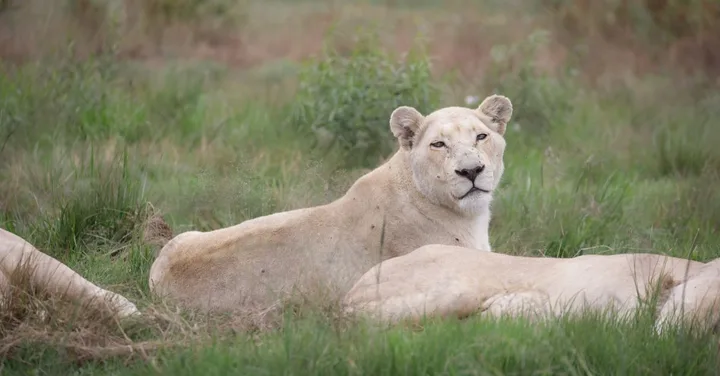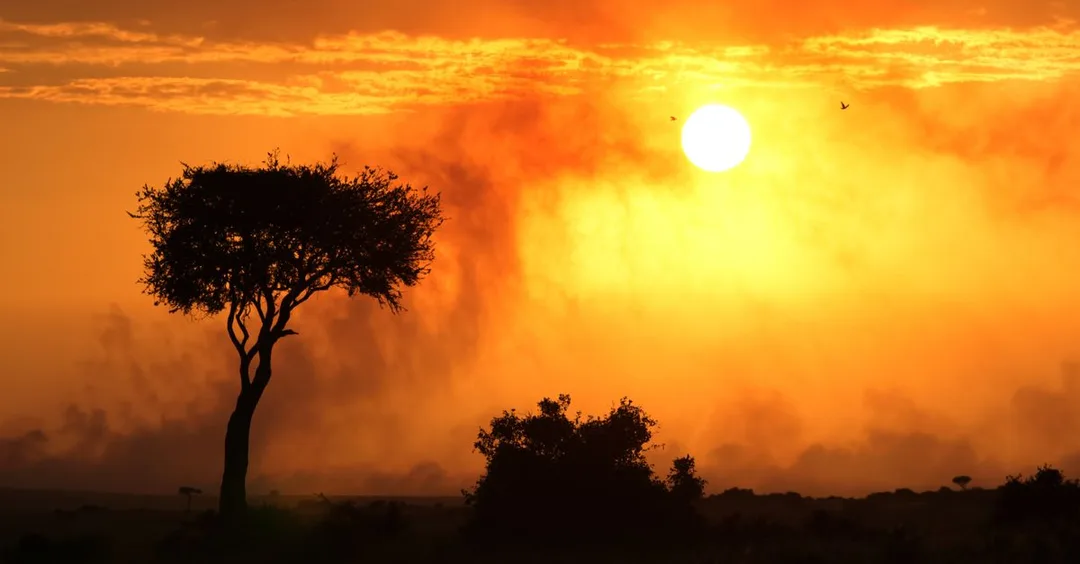
Picture this: you're sitting in an open jeep at dawn, the Masai Mara stretched out before you in shades of gold and copper, and a lioness walks so close you can hear the soft thud of her paws on the dry earth. No fence between you. No glass. Just wild Africa doing what it does every single morning, whether or not anyone is watching. That's the moment Indian travellers describe when they come back from Africa. Not the hotel room, not the flight upgrade. That raw, humbling moment when nature reminds you who's actually in charge.
If you've been thinking about an Africa trip and wondering where to start, which operator to trust, and what it'll actually cost in INR, this guide is written specifically for you.
Why Africa Is Perfect for Indian Travellers
Africa trips have a reputation for being "for foreigners." That couldn't be further from the truth.
Indian travellers have been quietly discovering East and Southern Africa for years now, and the numbers keep growing. Why? Because Africa delivers something that's increasingly hard to find: genuine wildness. You're not watching a sunset from a rooftop bar. You're watching it from a Maasai blanket wrapped around your shoulders while a herd of elephants moves silently across the horizon.
There's also a practical reason this works so well for Indians. Kenya, Tanzania, South Africa, and Zambia all have long histories of Indian-origin communities, which means you'll find vegetarian-friendly lodges, chai that actually tastes like chai, and staff who genuinely understand Indian dietary requirements without you having to negotiate your meals three times a day.
The flight connections have also improved dramatically. Nairobi is roughly 5-6 hours from Mumbai on a direct flight. Johannesburg is about 9 hours from Delhi. These aren't Australia-length commitments. You can take a 10-day trip to Kenya and Tanzania and be back at your desk without completely dismantling your life.
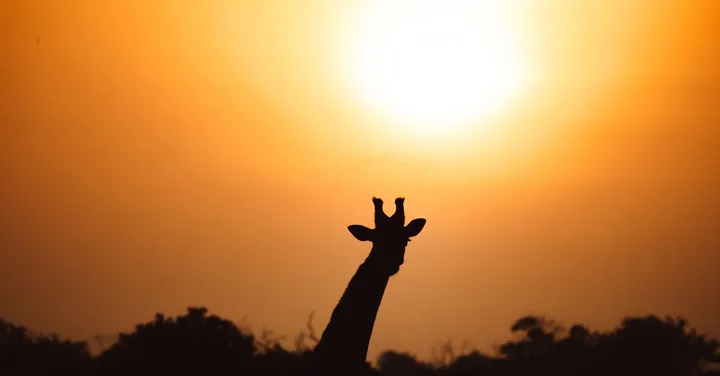
Africa also appeals deeply to the Indian love of storytelling. You'll come home with stories your family will want to hear again and again. The elephant that blocked the road for twenty minutes. The hyena that circled your tent at 2 AM. The giraffe silhouette at sunrise. These stories have a very long shelf life.
If you've been hesitant, know this: with over 15,000 trips planned across 12+ years, the team at Safari Sutra Holidays has watched Africa convert even the most reluctant travellers into people who start planning their second safari before the first one is over.
Best Time to Visit
Africa is a big continent, so "best time" depends entirely on where you're going and what you want to see. Here's an honest breakdown:
Kenya and Tanzania (East Africa)
July to October is peak season, and for good reason. This is when the Great Migration in the Masai Mara and Serengeti reaches its dramatic climax. Millions of wildebeest and zebra cross the Mara River, often with crocodiles waiting below. Sightings are extraordinary. Prices are also at their highest, and lodges book out months in advance.
January and February are the "short dry season" and genuinely underrated. The Serengeti calving season happens here, which means predator action is off the charts. Prices drop, crowds thin out, and the light is beautiful.
March to June is the long rainy season. Lush and green, fewer tourists, significantly lower prices. Game drives can be muddy but the birdlife is spectacular. Not ideal for the Migration but excellent value.
South Africa
May to September is the dry season, perfect for wildlife viewing in Kruger National Park. Animals congregate around waterholes, vegetation thins out, and spotting is easy.
November to February is summer, great for Cape Town. Table Mountain is clear, the winelands are gorgeous, and you'll catch the baby animals in the bush if you're combining both.
Zambia and Zimbabwe (Victoria Falls)
August to October is the sweet spot. The falls are powerful year-round but wildlife viewing in South Luangwa peaks when the bush is dry. October gets very hot (up to 40°C) but the predator sightings are extraordinary.
The honest truth? There's no truly "bad" time to visit Africa. There's just different Africa.
What's Included in Africa Packages
Understanding what's inside a package before comparing prices saves you from a lot of confusion. Here's what a proper Africa package should cover:
Safari-specific inclusions:
- Game drives (usually twice daily, morning and evening)
- Park entry fees and conservation levies
- All meals at the lodge (most safari lodges are full board)
- Transfers from the nearest airstrip or city to the lodge
- An experienced naturalist guide
Standard package inclusions:
- International flights from Indian cities (Mumbai, Delhi, Bengaluru, Hyderabad)
- Visa assistance and processing support
- Travel insurance coordination
- All domestic transfers between parks
- Accommodation at the lodge or tented camp
What often costs extra:
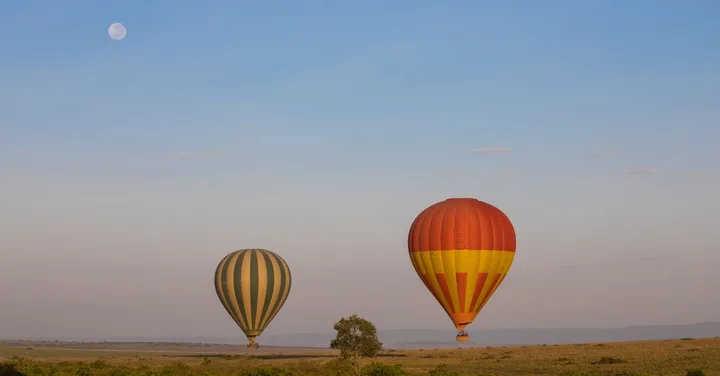
- Balloon safaris over the Mara (worth every rupee, budget around ₹45,000-55,000 per person extra)
- Premium single-room supplements
- Gorilla trekking permits in Rwanda or Uganda
- Specialized photography vehicles
- Premium alcohol at lodges
Always ask your operator for a clear breakdown. A "cheap" package that excludes park fees and domestic flights isn't cheap at all once you add those in.
You can explore all destinations and Africa packages on Safari Sutra's website to get a sense of what's typically included across different regions.
Package Options and Prices in INR
Prices below are per person, based on double occupancy, including international flights from Delhi or Mumbai. They're honest estimates based on 2024-25 pricing, and they vary by season, specific lodge, and group size.
Tier 1: Classic Kenya Safari (7 Nights, 8 Days)
Approx. ₹1,85,000 to ₹2,20,000 per person
Covers Nairobi arrival, 3 nights in Masai Mara, 2 nights in Amboseli with Kilimanjaro views, and 2 nights in Naivasha or Lake Nakuru. Mid-range tented camps, all meals, game drives, and park fees. This is where most first-timers start, and it delivers the full East Africa experience without going overboard.
Tier 2: Kenya + Tanzania Combination (10 Nights, 11 Days)
Approx. ₹2,80,000 to ₹3,40,000 per person
Masai Mara + Serengeti + Ngorongoro Crater. This is the classic East Africa circuit. You cross from Kenya into Tanzania, which adds a border transfer but significantly elevates the experience. The Ngorongoro Crater alone is worth it. Dense wildlife, volcanic landscape, and a sense of being in a lost world.
Tier 3: South Africa Explorer (9 Nights, 10 Days)
Approx. ₹2,50,000 to ₹3,10,000 per person
Cape Town (3 nights) + Winelands (1 night) + Kruger National Park Safari (4 nights) + Johannesburg (1 night). This works beautifully for couples and for travellers who want wildlife but also want proper city experiences, beach time, and excellent food.
Tier 4: Premium Mara + Migration Experience (8 Nights, 9 Days)
Approx. ₹4,20,000 to ₹5,50,000 per person
Luxury camps only, traveling in July-October during peak Migration season. Think private vehicles, sundowner cocktails on the Mara, hot air balloon over the wildebeest herds at dawn, and lodges where the food rivals good Mumbai restaurants. This is for travellers who want the full experience without any compromise.
Tier 5: Rwanda Gorilla Trekking + Kenya (10 Nights, 11 Days)
Approx. ₹5,80,000 to ₹7,50,000 per person
This one's special. Kigali arrival, 2 nights for gorilla trekking in Volcanoes National Park, then on to Masai Mara for 4 nights, with Amboseli as a closer. The gorilla permit alone costs around USD 1,500 per person, so the pricing reflects that. But spending an hour with a mountain gorilla family in the mist is the kind of experience that genuinely changes how you see the world.
Practical Travel Tips
Visas
Indian passport holders need visas for most African destinations, but the process is straightforward.
- Kenya: eVisa available online at the Kenyan eCitizen portal. Processing takes 3-5 working days. Costs around USD 50.
- Tanzania: eVisa online, similar process. Around USD 50.
- South Africa: Visa required, applied at the South African High Commission. Allow 2-3 weeks. No visa on arrival.
- Rwanda: Visa on arrival available for Indian passport holders. Very easy process.
- Zambia: eVisa online. Around USD 50.
Start your visa process at least 4-6 weeks before travel. Your operator should assist with documentation.
Flights
From Mumbai: Kenya Airways and Ethiopian Airlines have excellent connections to Nairobi. IndiGo and Air India also codeshare on several routes. Budget around ₹45,000 to ₹70,000 for economy return.
From Delhi: Ethiopian Airlines via Addis Ababa is a popular choice for both East and South Africa. Emirates via Dubai is excellent for South Africa.
Book flights 3-4 months ahead for peak season (July-October). Prices jump significantly after May.
Health and Vaccinations
Yellow Fever vaccination is mandatory for entry into Kenya, Tanzania, and Rwanda if you're arriving from a country with Yellow Fever risk. Get it at a government-authorized travel clinic in India. The certificate is valid for life.
Malaria prophylaxis is strongly recommended for safari destinations. Speak to a travel medicine doctor 4-6 weeks before departure.
Packing
Safari lodges have specific etiquette around colours. Avoid bright red, orange, or white. Khaki, olive, and brown are practical because they don't disturb animals and they hide dust remarkably well.
Pack layers. Mornings in the Mara can be 12-14°C and afternoons hit 30°C. A light fleece and a cotton shirt are both essentials.
Bring a good pair of binoculars. Sharing one pair between two people on a long game drive gets old fast.
Frequently Asked Questions
Q: Is Africa too expensive for Indian travellers?
It depends entirely on your expectations and the tier of experience you're choosing. A solid 8-day Kenya safari with flights from India, all meals, and proper lodges falls around ₹2 lakh per person. That's comparable to a good European holiday. The difference is that in Africa, almost everything is included once you're at the lodge: food, game drives, park fees. You're not spending on dinners out or entrance tickets every day. When you look at it that way, the value is actually quite strong.
Q: Can vegetarians eat well on safari?
Yes, easily. Most established safari lodges in Kenya, Tanzania, and South Africa have been hosting Indian guests for years and are very comfortable with vegetarian and even Jain requirements. It's best to inform your operator clearly at the time of booking so the lodge is prepared. You won't be eating salad every meal. Real, proper vegetarian food is available.
Q: Is Africa safe for Indian travellers?
Safari destinations specifically, yes. You're in a vehicle with an experienced guide, staying in well-managed private reserves or national parks. Nairobi has areas that require normal urban caution, just like any large city. Cape Town is a sophisticated city with the same common-sense precautions you'd apply anywhere. Rwanda is genuinely one of the safest countries in Africa. Panic-based concerns about "Africa" as a continent are usually based on news from specific regions that aren't tourist destinations.
Q: What's the minimum number of days needed for a good Africa safari?
Seven nights is the minimum to do it justice. Less than that and you're spending too much of your trip in transit between parks. Ten to twelve days is the sweet spot, especially if you're combining two countries. The travel time from India means you want to stay long enough to feel like you've actually arrived.
Q: Do children enjoy African safaris?
Very much, but age matters. Most reputable safari lodges accept children from 6 or 7 years old on game drives. Some luxury camps have minimum age policies of 12. South Africa's private reserves around Kruger tend to be more family-friendly with younger kids. Rwanda gorilla trekking has a strict minimum age of 15. Always check the lodge policy when booking with children.
Q: What's the difference between a tented camp and a lodge?
A tented camp is a permanent canvas tent on a wooden platform, with proper beds, en-suite bathrooms, and electricity. It's not camping. You're sleeping close to nature, which means you'll hear everything outside, but you're comfortable inside. A lodge is a solid-structure room, similar to a hotel room in design but set in the bush. Both are excellent. The tented camp experience is slightly more immersive. The lodge is slightly more conventional. Most people who are nervous about tented camps love them once they arrive.
Q: How far in advance should I book an Africa trip?
For peak season travel (July to October in East Africa), book 6 to 9 months ahead. The best lodges in the Masai Mara genuinely fill up by February for the following July. For shoulder season, 3-4 months is usually fine. If you're a group of 6 or more, start earlier regardless of season because you need multiple rooms at the same property.
Plan Your Trip with Safari Sutra Holidays
Africa is one of those trips that people put off for years, always thinking "next year." And then they finally go, and they immediately wish they'd gone sooner.
Safari Sutra Holidays has been planning Africa trips for Indian travellers for over 12 years. We know which lodges are genuinely worth the premium, which parks are overcrowded in peak season, and how to build an itinerary that flows without exhausting you. Whether you're planning a honeymoon in the Mara, a family trip to South Africa, or a gorilla trekking adventure in Rwanda, we'll help you put together something that fits your budget and actually delivers.
You don't need to start with a complete itinerary in mind. A rough idea of when you can travel and what you're hoping to feel is enough.
Ready to plan your trip? Contact Safari Sutra Holidays today.

Safari Sutra Team
Travel curators with 13 years of experience planning Indian and international holidays — from safari adventures to island escapes.
View All Posts