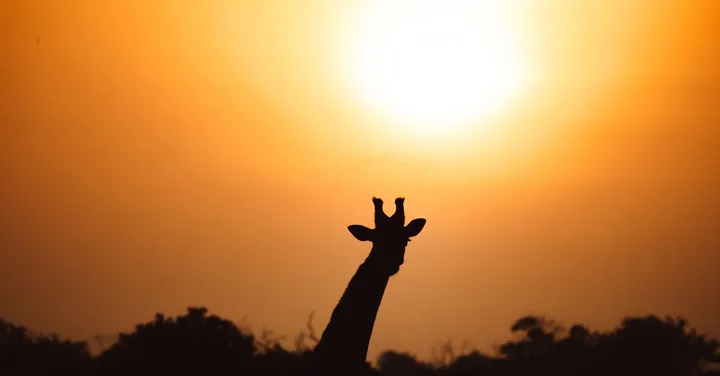
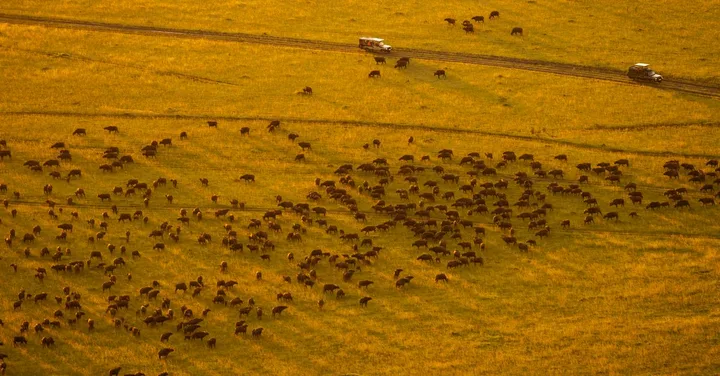
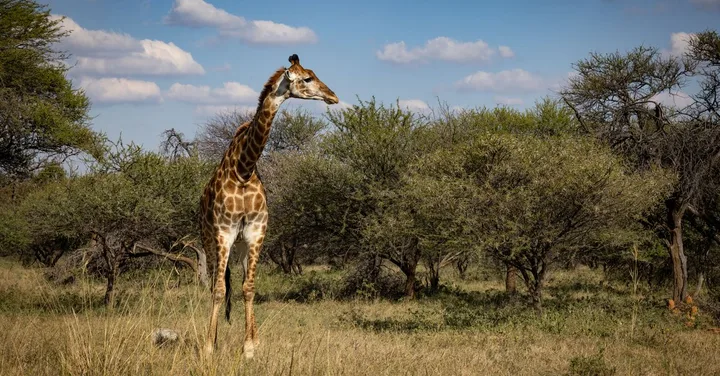
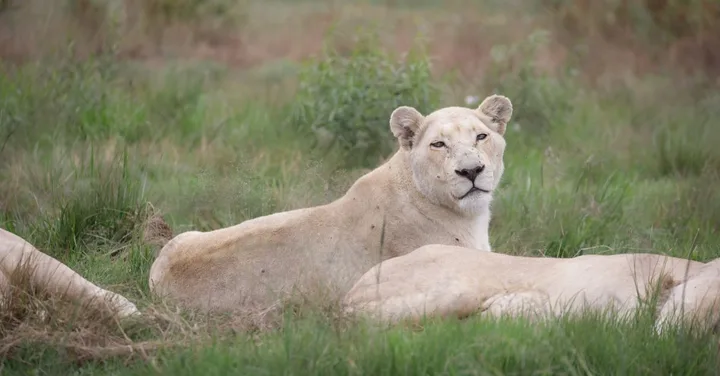
You're standing at a fork in the road. One path leads to the Masai Mara at dawn, where the grass turns gold and a lioness watches you from twenty metres away, completely unbothered. The other takes you to Machu Picchu in the mist, cloud rolling across ancient Inca stone while a train winds through the Sacred Valley below. Both are real. Both will change how you see the world. But you've got one trip, one budget, and one shot to get it right. So which do you pick?
In This Guide
- Africa Safari vs South America for Indian Travellers: What You Actually Get
- Best Time to Visit (Month-by-Month, Honest)
- Top Experiences You Can't Miss
- Safari Sutra Package Options & Prices in INR
- Getting There: Flights from India
- Visa, Vaccinations & Practical Prep
- Frequently Asked Questions
- Plan Your Africa Safari vs South America Trip with Safari Sutra
This guide is for Indian travellers who've moved past the standard Europe holiday and are now looking at something genuinely different. We'll break down Africa safari versus South America honestly, trip type by trip type, so you can stop going back and forth in your head and actually book something.
Africa Safari vs South America for Indian Travellers: What You Actually Get
These two regions couldn't be more different in what they offer, and that's actually the most useful place to start.
Kenya and the Africa safari experience is about wilderness. Raw, unhurried, sometimes uncomfortable in the best way. You're in a jeep at 5:30am, thermos of chai in hand, watching a herd of 200 elephants move across the savannah like they own the place. Because they do. The Masai Mara is Safari Sutra Holidays' flagship Africa destination, and for good reason: Big Five sightings are reliable, the infrastructure for first-time visitors is solid, and the Great Migration, where millions of wildebeest thunder across the Mara River, is the kind of thing you talk about for years. If you want to know more about what's possible, our Kenya Wildlife Safari Packages page gives you a full breakdown.
South America, specifically Peru and Colombia, is a completely different energy. Peru is ancient civilisations, high-altitude landscapes, Andean markets, and ceviche so fresh it tastes like the ocean came to you. Colombia is chaos in the best sense: Cartagena's candy-coloured colonial streets, coffee farms in the hills above Medellín, and a warmth from locals that feels genuinely unscripted. Both countries reward curious travellers who like history, food, and culture alongside their nature.
Here's the honest comparison:
- Wildlife depth: Africa wins. Nothing else comes close for sheer animal density and variety.
- Cultural richness: South America wins. Inca history, Spanish colonial architecture, Afro-Colombian music, indigenous Andean traditions, the layers are remarkable.
- Adventure variety: South America edges ahead. Trekking, surfing, Amazon river trips, coffee farm stays, salsa classes, paragliding in Medellín.
- Ease for first-timers: Africa (Kenya specifically) is actually easier to navigate. Safari camps handle everything. South America requires more active planning.
- Emotional impact: Both land hard, just differently. Africa is silence and scale. South America is colour and human connection.
If you've never done either, Africa often wins for the "I can't believe that just happened" moments. South America wins if you're already a seasoned traveller looking for something more layered.
Best Time to Visit (Month-by-Month, Honest)
Getting the timing right is everything. Here's the real picture.
Kenya
July to October is peak season, and for good reason. This is when the Great Migration crosses the Mara River, the wildlife is dense, and visibility is high. Prices are at their highest, and the camps fill up fast. Book at least six months ahead.
One thing we've learned after 400+ groups to the Masai Mara since 2013: the most common mistake is booking peak July-August without knowing that the famous river crossings can draw 50 or more jeeps per sighting. Shifting your trip by just one week either side gives you the migration with dramatically less crowd pressure. Early July or late October is often the sweet spot.
January to February is underrated. Calving season brings predator action, there are fewer tourists, and prices are noticeably lower. Green season photography is also beautiful.
Avoid April to May. Long rains make roads genuinely difficult, some camps close, and it's not the right introduction to Kenya.
The Kenya Wildlife Service has good resources on reserve conditions by season if you want to go deep on logistics.
Peru
May to September is dry season, the best time for the Inca Trail and Machu Picchu. June and July are the most popular months, so expect queues at Machu Picchu itself.
October to April brings rain to the highlands, but the Amazon lowlands actually get more accessible. If you're combining Lima, Cusco, and the jungle, this shoulder period can work well.
Colombia
Colombia is pretty much year-round friendly. December to March and July to August are the driest windows in most regions. Cartagena is hot all year. The coffee region around Salento is best from December to February and June to July.
The practical upshot: if you're choosing between Kenya and South America, and your travel window is July to August, Kenya wins. If you're going between December and March, both are excellent, and South America becomes a stronger option.
Top Experiences You Can't Miss
Kenya
- Mara River crossing: Wildebeest by the thousands, crocodiles waiting. The Magical Kenya tourism board calls it the greatest wildlife show on earth, and they're not wrong.
- Morning game drive in Amboseli: Elephants silhouetted against Mt. Kilimanjaro at 7am. If you're a photographer, this is why you came.
- Samburu National Reserve: Fewer tourists, and species you won't see in the Mara, including the reticulated giraffe and Grevy's zebra. Off the beaten path in the best way.
- David Sheldrick Elephant Orphanage, Nairobi: Tiny orphaned elephants being bottle-fed by rangers. Your heart won't survive it.
- Sundowner on the savannah: Cold Tusker beer, the sky turning purple, a giraffe walking past. That's the vibe.
Peru
- Machu Picchu at sunrise: Get the first bus up from Aguas Calientes. The site before the crowds is genuinely different from the site at noon.
- Cusco's San Pedro market: Local vendors, strange Andean herbs, guinea pig on the menu if you're brave. Real Cusco, not the tourist strip.
- Sacred Valley train journey: Possibly the most beautiful train ride in the world. Dramatic Andean scenery the whole way.
- Lima's food scene: Ceviche at La Mar, pisco sours in Miraflores, Nikkei cuisine that fuses Japanese and Peruvian flavours. Lima has quietly become one of the best food cities on earth.
Colombia
- Cartagena's old city at dusk: Pink and yellow buildings, street vendors selling coconut lemonade, salsa drifting out of open doors.
- Coffee farm stay near Salento: Wake up, pick coffee with the farmer, drink the cup you just made. Genuinely satisfying.
- Medellín's urban transformation: Take the cable car over the comunas, visit the Botero sculptures, understand how a city completely reinvented itself.
- Tayrona National Park: Caribbean coastline, jungle trails, beaches that feel untouched. Bring your own water.
Safari Sutra Package Options & Prices in INR
Here's a realistic range for both regions. Prices are per person, on twin-sharing basis, including flights from Mumbai or Delhi unless stated.
Kenya Packages
- Classic Masai Mara Safari (7 nights): From roughly Rs. 1,80,000 per person. Covers Nairobi, Masai Mara game drives, mid-range tented camp accommodation, and safari transfers.
- Kenya + Zanzibar Combo (10 nights): From roughly Rs. 2,50,000 per person. The Masai Mara safari followed by 3 nights on a Zanzibar beach is our best-selling Africa itinerary, and for good reason. Safari plus beach in one trip.
- Kenya + Tanzania Serengeti (12 nights): From roughly Rs. 3,20,000 per person. For serious wildlife travellers who want both sides of the border.
South America Packages
- Peru Highlights (10 nights, Lima + Cusco + Machu Picchu): From roughly Rs. 2,20,000 per person. Covers domestic Peru flights, Sacred Valley visits, Machu Picchu entry, and 4-star hotels throughout.
- Colombia Explorer (9 nights, Bogotá + Medellín + Cartagena): From roughly Rs. 2,00,000 per person. City hotels, coffee region day trip, Caribbean beach time.
- Peru + Colombia Grand Tour (18 nights): From roughly Rs. 4,00,000 per person. This is for travellers who don't want to choose. Do both in one long trip, which is easier than it sounds given the routing.
All packages can be adjusted. These are starting points, not fixed menus.
Getting There: Flights from India
Kenya: Kenya Airways operates direct flights from Mumbai to Nairobi (roughly 7-8 hours). Ethiopian Airlines routes through Addis Ababa and is often competitive on price. From Delhi, connections go through Dubai, Addis, or Doha. Total travel time from India is typically 10-14 hours depending on the layover.
Peru: No direct flights. You'll connect through European hubs (London, Amsterdam, Madrid are common) or through the US (Miami, Houston). Total travel time from India is typically 18-24 hours. It's a commitment, which is one reason Peru works better as a two-week minimum trip.
Colombia: Also no direct connection. Common routes go through Madrid, London, or Panama City. Travel time from India is roughly 18-22 hours. Panama City connections are actually quite smooth if you're going Bogotá-first.
For both South American destinations, flying business class or using miles for the long-haul leg makes a real difference given the journey time. Worth factoring into your budget.
Visa, Vaccinations & Practical Prep
Kenya
- Visa: Indian passport holders need a visa. Kenya's eVisa (evisa.go.ke) is straightforward and done online before travel. Cost is approximately USD 50.
- Vaccinations: Yellow fever is required if arriving from a yellow fever endemic country. Typhoid and hepatitis A are strongly recommended. Malaria prophylaxis is essential for the Masai Mara region.
- Currency: Kenyan Shilling. USD is widely accepted at camps and lodges. Carry some small USD bills for tips.
- Practical tip: Pack layers. Mornings on safari are cold (10-15°C), afternoons can hit 30°C.
Peru
- Visa: Indian passport holders need a visa for Peru. Apply through the Peruvian consulate in India before travel. It typically takes 7-10 working days.
- Health: No yellow fever requirement for Lima and Cusco, but get it if you're heading into the Amazon. Altitude sickness is a real issue in Cusco (3,400m). Give yourself two days to acclimatise before any strenuous activity. Diamox (acetazolamide) is worth discussing with your doctor.
- Currency: Peruvian Sol. USD is accepted in tourist areas but having local currency helps.
Colombia
- Visa: Good news for Indian passport holders: Colombia offers visa-free entry for up to 90 days. This is one practical advantage South America has over Africa.
- Health: Yellow fever vaccination required for Amazon and coffee region areas. Not required for Cartagena or Bogotá.
- Safety: Colombia's reputation is 10-15 years out of date. Medellín and Cartagena are genuinely safe for tourists in 2025-26, provided you use common sense (registered taxis, no flashy jewellery, standard travel precautions).
Frequently Asked Questions
Q: I've never done an Africa safari before. Is Kenya right for me, or should I start with something closer?
Kenya is actually one of the best possible introductions to Africa precisely because it's well-established for international travellers. The camps handle everything, game drives are structured and guided, and there's a strong network of English-speaking operators. You don't need prior safari experience. What helps is choosing the right camp for your comfort level, which is where having a specialist operator makes the difference.
Q: Is South America safe for Indian tourists travelling solo or as a family?
Both Peru and Colombia are popular with Indian tourists, and the major tourist circuits (Lima, Cusco, Cartagena, Medellín) are safe when you're using reputable hotels and registered transport. Colombia especially gets unfairly judged. Families travel there regularly and have excellent experiences. Solo women travellers do fine in both countries with standard urban travel awareness.
Q: Can I combine Africa and South America in one trip?
It's possible but it's a lot. The routing doesn't naturally connect, and the time zone shift between East Africa and South America is brutal. A better structure: do Kenya first, and plan South America for a separate trip the following year. Or do South America with a Kenya extension is a stretch too far for most people. Pick one and do it properly.
Q: What's the minimum budget I should plan for Kenya from India?
For a meaningful Kenya safari (at least 6-7 nights including the Masai Mara, decent camp, and return flights), budget at least Rs. 1,80,000 per person on twin-sharing. Going much below this tends to mean uncomfortable camps, older vehicles, or skipping key areas like Amboseli. The wildlife experience is directly related to the quality of your guide and vehicle, so this is not a trip to cut corners on.
Q: When is the Great Migration, and is it actually as dramatic as people say?
The full migration is a year-round circular movement, but the famous Mara River crossings happen roughly July to October. Yes, it is as dramatic as people say. Thousands of wildebeest throwing themselves into crocodile-filled water is genuinely extraordinary. The key is patience: crossings happen on the animals' schedule, not yours. A good guide will read the herd behaviour and get you in position early.
Q: Peru vs Colombia for a first South America trip, which is better?
They're so different it's almost unfair to compare. Peru wins if you're drawn to ancient history, dramatic landscapes, and high-altitude adventure. Colombia wins if you want colour, city energy, coffee, beaches, and some of the warmest locals you'll encounter anywhere. Many Indian travellers who go to one end up going back for the other within two years.
Q: Do I need to be fit for these trips?
Kenya safari: basically no fitness required. You're sitting in a jeep for most of it, and the camps do all the logistical heavy lifting. Peru: yes, the Cusco altitude demands some cardiovascular baseline, and the Inca Trail (if you're doing it) requires solid fitness. Colombia: moderate. Most activities are walkable, but the coffee farm hikes and Tayrona beach trail demand reasonable fitness.
Plan Your Africa Safari vs South America Trip with Safari Sutra
Here's the simplest way to think about this: if you want to feel small in the best possible way, to sit with nature at a scale you've never experienced, go to Kenya. If you want to feel connected to human history and the beautiful, chaotic warmth of Latin America, go to Peru or Colombia.
Safari Sutra Holidays has been building trips like these for over 12 years, across 15,000+ traveller experiences. We know which camps in the Mara position you away from the jeep crowds, which Cusco hotels help with altitude acclimatisation, and which Cartagena neighbourhoods are worth staying in versus which are just good for a photo.
You can start exploring options with our Kenya Wildlife Safari Packages if Africa is calling. Or just tell us where you're leaning, and we'll help you figure out the rest.
Ready to Plan Your Trip?
Safari Sutra Holidays — 13 years, 15,000+ trips, zero cookie-cutter itineraries.
Get Your Free Custom Quote →+91 9860415774 | hello@thesafarisutra.com

Safari Sutra Team
Travel curators with 13 years of experience planning Indian and international holidays — from safari adventures to island escapes.
View All Posts