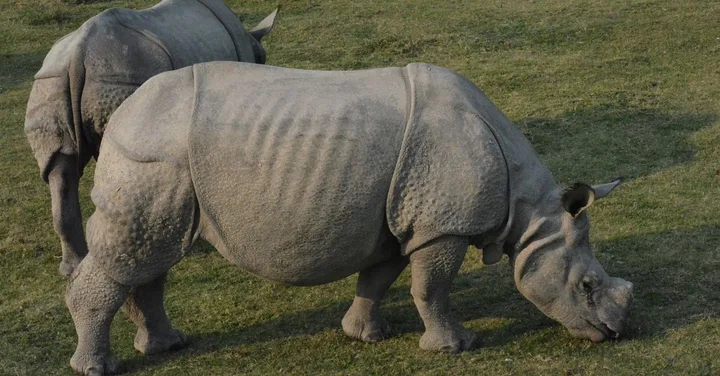
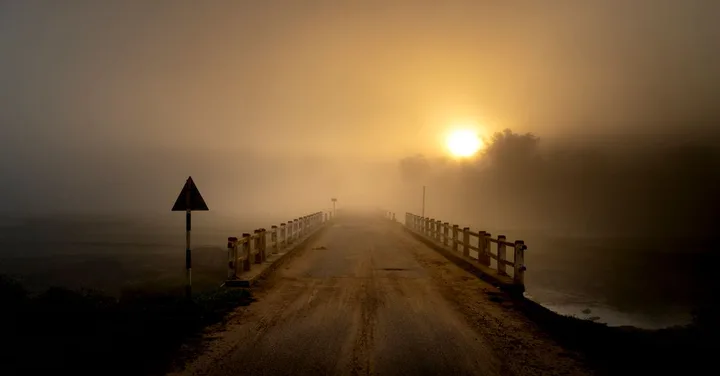
The air at 6am in a tea garden smells like nothing else on earth. It's green and wet and slightly smoky, cut through with the sharp bite of fresh-picked leaves. You're standing between rows of waist-high bushes that stretch to the horizon, a plucking basket in your hand, mist rolling off the Brahmaputra plains behind you. Somewhere in the distance, a one-horned rhino is moving through tall grass. This is Assam, yaar, and it is so much more than you've been told.
In This Guide
- Assam Tea Trail 2026 for Indian Travellers: What You Actually Get
- Best Time to Visit (Month-by-Month, Honest)
- Top Experiences You Can't Miss
- Safari Sutra Package Options & Prices in INR
- Getting There: Flights from India
- Visa, Vaccinations & Practical Prep
- Frequently Asked Questions
- Plan Your Assam Tea Trail 2026 Trip with Safari Sutra
Assam Tea Trail 2026 for Indian Travellers: What You Actually Get
Most Indian travellers have Assam on a vague wishlist. They know the tea. They've heard of Kaziranga. But they don't quite know how to put a trip together, or whether it's worth the journey from Mumbai or Delhi. After 12 years and 15,000+ trips, we've found the biggest difference between an average trip and a great one is guide quality and game drive timing, and these are things we get right for every Safari Sutra client, whether they're going to the Maasai Mara or the marshes of Assam.
So here's what an Assam tea trail actually looks like when it's done properly.
You spend the first part of your trip in and around Kaziranga National Park, a UNESCO World Heritage Site that holds two-thirds of the world's entire population of Indian one-horned rhinos. Then you cross the Brahmaputra to Majuli, the world's largest river island and home to ancient Vaishnavite monasteries called satras, where monks still perform centuries-old masked dances for an audience of river wind and fireflies. You fold in a Gangetic river dolphin safari on the Brahmaputra, a working tea estate stay where you actually learn how tea is made rather than just buying a box of it, and a morning jeep drive through Kaziranga that puts you face-to-face with rhinos, elephants, wild water buffalo, and if the timing is right, a tiger on the grassland edge.
This is a trip that rewards the curious. It's not about ticking boxes. It's about slowing down in a part of India most people fly over without thinking twice.
If you want to see what else we do across India and the world, Explore All Destinations, Safari Sutra and you'll find everything from Ladakh to Laos.
Best Time to Visit (Month-by-Month, Honest)
November to April is the best window. Kaziranga is closed from around May to October because the monsoon floods the park, which is actually ecologically essential but not great for game drives.
- November and December are ideal. The park reopens after the floods, grass is still relatively tall but rhinos are easy to spot near water, and the weather is cool and dry. Tea estates are harvesting the second flush or settling into the autumn flush.
- January and February are peak season for a reason. Mornings are cold (around 8-12 degrees), visibility is excellent, and migratory birds fill Kaziranga's wetlands. Majuli island festivals, including the Raas Mahotsav, often fall in November but cultural life in the satras is active all winter.
- March and April bring warmer days. The grasslands dry out, making wildlife even easier to spot. This is also one of the best times for river dolphin sightings on the Brahmaputra. Tea gardens are producing the prized first flush, which is the most delicate and fragrant harvest of the year.
- May to October: The park is closed. Majuli is accessible but the Brahmaputra swells dramatically and river crossings get unpredictable. Avoid for a first trip.
The honest answer is: January to March hits the sweet spot for wildlife, tea, and comfortable travel.
Top Experiences You Can't Miss
Jeep Safari in Kaziranga National Park
Kaziranga has five ranges. The Central and Western ranges are best for rhinos and elephants. The Eastern range gives you the best chance of spotting a tiger, which Kaziranga actually has in decent numbers, though they're harder to find in the tall grass. Morning drives start before sunrise and the golden hour light on a rhino grazing forty metres from your jeep is the kind of thing that stays with you. Go with a guide who knows the difference between a rhino sleeping and a rhino about to charge.
Elephant-Back Safari
A very different experience from a jeep. You move slowly, quietly, into grass that a vehicle can't enter. Rhinos tolerate elephants more than they tolerate jeeps, so you often get closer. This is also how the rangers do monitoring work in the park. It's physical, a little unpredictable, and genuinely thrilling. Book early because slots are limited and they sell out.
Gangetic River Dolphin Safari on the Brahmaputra
The Brahmaputra between Kaziranga and Majuli is one of the better spots to see the Gangetic river dolphin, also called the South Asian river dolphin, a Schedule 1 protected species in India. They surface in quick arcs, barely giving you time to point before they're gone again. Early morning is best. You'll be on a wooden country boat, the river wide and silver around you, the Assam hills low on the horizon. According to Incredible India, Assam's river ecosystems are among the most biodiverse in the country, and you can feel that on the water.
Tea Estate Stay and Factory Tour
This is where the trip becomes genuinely different from a standard wildlife holiday. A proper tea estate stay means waking up inside the garden, walking the rows before breakfast, watching the plucking, then going into the factory to see how withering, rolling, oxidation, and drying turn a green leaf into the deep amber tea in your cup every morning. Some estates let you do a guided blending session. You will never look at a cup of Assam tea the same way again.
Majuli Island and the Satras
Getting to Majuli involves a ferry crossing on the Brahmaputra, and that crossing is part of the experience. The island has no traffic to speak of. You get around by cycle or by jeep. The satras, Vaishnavite monasteries founded in the 15th and 16th centuries, are living cultural institutions. Monks here practice Bhaona, a form of masked theatre rooted in the Bhakti movement. If you time it for a cultural performance, you'll sit in an open courtyard as drumming fills the night air and dancers in elaborate wooden masks tell stories from the Mahabharata. This is not a tourist show. It's a devotional practice that happens to be open to visitors.
Village Mishing Culture Walk
The Mishing people are one of Assam's major indigenous communities and many live along the Brahmaputra banks near Majuli. A walk through a Mishing village, with a local guide who actually speaks the language, lets you see bamboo stilt homes, traditional weaving on back-strap looms, and rice beer brewing that's been going on for generations. Buy a piece of hand-woven eri silk if you see it. It supports the family directly.
Safari Sutra Package Options & Prices in INR
These are realistic, transparent starting points. Prices vary by season, property, and group size. All include airport transfers, accommodation, safaris, guide fees, and most meals unless noted.
Tier 1: The Explorer (Budget-Conscious, 6 nights)
Guwahati arrival, mid-range lodge near Kaziranga, shared jeep safaris, elephant-back safari, Majuli day trip, river dolphin boat ride.
Starting from approx. Rs. 45,000 per person (twin sharing)
Tier 2: The Connoisseur (Mid-Premium, 7 nights)
Direct Guwahati or Jorhat arrival, a boutique heritage lodge or eco-resort near Kaziranga, private jeep safaris in two ranges, tea estate overnight stay with factory tour, full Majuli island experience with satra visit, river dolphin safari, Mishing village walk.
Starting from approx. Rs. 80,000 per person (twin sharing)
Tier 3: The Immersive (Premium, 9 nights)
All of the above plus a dedicated local naturalist guide throughout, private boat on the Brahmaputra, stays at two different lodges for varied wildlife access, a full day at a working tea estate with a master blender session, a sunset river cruise, and a cooking class with a local Assamese family.
Starting from approx. Rs. 1,30,000 per person (twin sharing)
Tier 4: Family or Group (Custom, 7-10 nights)
Designed for families or groups of 6+. Includes child-friendly elephant safari timings, simpler food options where needed, larger accommodation configurations, and flexible pacing. Price on request, but typically comes in competitively per person due to group economies.
All packages are customisable. This is a starting framework, not a fixed menu.
Getting There: Flights from India
You have two main gateway options.
Guwahati (GAU) is the most connected airport. IndiGo, Air India, and SpiceJet fly direct from Delhi (around 2.5 hours), Mumbai (around 3 hours), Kolkata (around 1 hour), and Bengaluru (around 2.5 hours). From Guwahati, Kaziranga is roughly 4-5 hours by road through the Assam plains. It's a good drive, with tea gardens lining the highway.
Jorhat (JRH) is smaller but much more convenient if you're going straight to Kaziranga or Majuli. IndiGo operates flights from Kolkata and seasonally from Delhi. From Jorhat, Kaziranga is about 1.5 hours, and the Majuli ferry point is under an hour.
Flying into Jorhat and out of Guwahati (or vice versa) makes the itinerary flow best and avoids doubling back. Book flights 6-8 weeks ahead for the November-March window. Prices from Delhi or Mumbai typically range from Rs. 5,000 to Rs. 12,000 one-way depending on how early you book.
Visa, Vaccinations & Practical Prep
Assam is a domestic destination, so no visa is required for Indian citizens. Some protected areas within Assam (particularly near Arunachal Pradesh borders) may require Inner Line Permits, but the standard Kaziranga-Majuli circuit does not.
Vaccinations: No mandatory vaccinations, but check that your routine vaccinations are current. If you're travelling between October and April and heading into forested areas, carry a good mosquito repellent. Malaria prophylaxis is not typically recommended for short leisure trips, but speak to your doctor if you have specific concerns.
Practical notes:
- Carry cash in Assam, especially on Majuli. ATMs on the island are limited and connections can be unreliable.
- Pack layers for winter mornings. Kaziranga at 6am in December can feel genuinely cold.
- A good pair of binoculars makes the wildlife experience significantly better.
- Download Google Translate offline Hindi-Assamese pack. It helps, though most tourism staff speak English and Hindi.
- Assam uses the same time zone as the rest of India but sunrise comes earlier than most travellers from the west expect, especially in December. Your game drives start very early.
Frequently Asked Questions
Q: Is Assam safe for tourists, including solo women travellers?
Assam is generally safe and welcoming to tourists, including solo women. The tourism infrastructure around Kaziranga and Majuli is well established, locals in the region are hospitable, and Safari Sutra always pairs solo travellers with experienced, vetted guides who know the areas well. Standard travel precautions apply as anywhere in India.
Q: Can I see rhinos on every game drive in Kaziranga?
Almost certainly yes. Kaziranga has one of the highest densities of large mammals anywhere in South Asia. Rhino sightings are extremely reliable, especially in the Central and Western ranges in the morning. Tiger sightings are rarer and depend on luck and timing, but they happen regularly enough that it's worth being in the right place at the right time.
Q: Is Majuli island difficult to reach? Is the ferry safe?
The ferry from Nimati Ghat (near Jorhat) to Majuli runs multiple times a day and carries passengers, vehicles, and goods. It's well used by locals and generally safe in the dry season. During peak monsoon, the crossing gets rough, which is one reason we recommend the November-to-April window. The crossing takes about an hour and is genuinely scenic.
Q: How many days minimum does this trip need?
You need at least 7 nights to do this properly. Six nights is possible but tight. Anything less than five nights and you're rushing, which defeats the purpose of this kind of slow, sensory trip. Ten nights is ideal if you want to go deeper into the tea estates or add a side trip toward Kaziranga's lesser-visited ranges.
Q: Is this a good trip for families with kids?
Yes, with some adjustments. Children over 8-10 are generally well suited for jeep safaris and tea estate visits. The elephant-back safari has age and weight guidelines depending on the operator. Majuli island is wonderful for curious kids. The pace can be adjusted for families, and Safari Sutra Holidays builds custom family itineraries that account for children's energy levels and interests.
Q: Can I combine this with Meghalaya or Arunachal Pradesh?
Absolutely. Guwahati is the gateway to the entire northeast. Shillong and Cherrapunji in Meghalaya are 3-4 hours from Guwahati by road. Arunachal Pradesh (which requires an Inner Line Permit for Indian citizens) can be combined for longer trips of 12 nights or more. The northeast rewards travellers who give it real time.
Q: What's the food like in Assam?
Genuinely delicious and quite different from the rest of India. Assamese food is subtle, not heavily spiced. You'll eat fresh river fish, duck curry, bamboo shoot preparations, and sticky black rice desserts that you won't find anywhere else. Rice is the foundation of every meal. Most lodges serve a mix of Assamese and pan-Indian food, but ask for the local dishes. That's where it gets interesting.
Plan Your Assam Tea Trail 2026 Trip with Safari Sutra
The Assam tea trail is one of those trips that genuinely changes how you see India. You come back with a richer understanding of the northeast, a deeper relationship with the tea in your morning cup, and the image of a one-horned rhino moving through tall golden grass at sunrise lodged somewhere permanent in your memory.
2026 is a good year to go. The lodges are improving, the roads are better than they've been in years, and the northeast is finally getting the tourist attention it deserves without yet being overrun. Go before everyone else figures this out.
Ready to Plan Your Trip?
Safari Sutra Holidays — 13 years, 15,000+ trips, zero cookie-cutter itineraries.
Get Your Free Custom Quote →+91 9860415774 | hello@thesafarisutra.com

Safari Sutra Team
Travel curators with 13 years of experience planning Indian and international holidays — from safari adventures to island escapes.
View All Posts