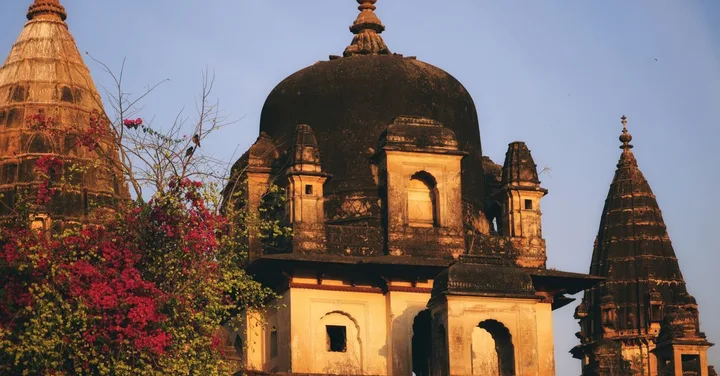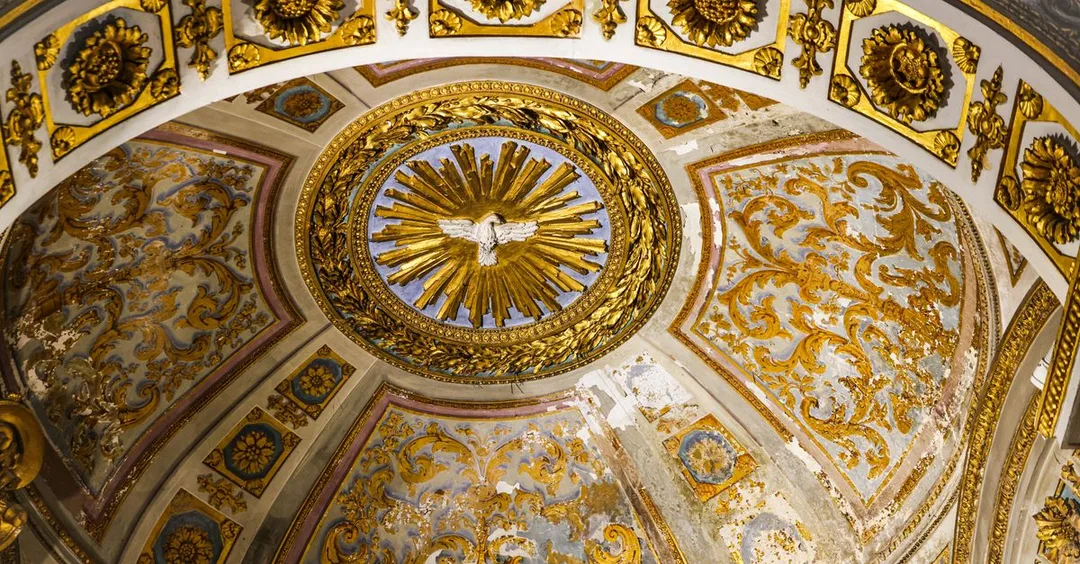
The smell hits you first. Incense, old stone, and something you can't quite name, maybe centuries of prayers baked into laterite walls. You're standing inside the Basilica of Bom Jesus, and the gold and white baroque interior is making your jaw drop in a way no beach shack ever has. Outside, the Portuguese-era plaza stretches quiet and wide, pigeons pecking between the cobbles, the midday light bouncing off whitewashed facades. Five minutes from here, the NH66 is choked with scooters and tourists racing to Calangute. But here? It's almost meditative. This is Old Goa, and most visitors to the state never actually stop here long enough to feel it.
Old Goa Churches Heritage Trail for Indian Travellers: What You Actually Get
Let's be honest: most Indian travellers come to Goa for the beaches, the seafood, and the nightlife. That's completely valid. But if you've done that trip once or twice and want something that actually stays with you, the Old Goa heritage trail is a completely different register.
Old Goa, once called the "Rome of the East," was the capital of Portuguese India from the 16th century until the colonial administration shifted to Panaji in 1843. At its peak, it had a population of around 200,000 people, making it one of the largest cities in the world at the time. The Goa Tourism board classifies this area as a UNESCO World Heritage Zone, and the churches here represent some of the finest examples of Portuguese Baroque architecture in all of Asia.
What you actually get on this trail is this: six to eight major monuments within walking distance of each other, a genuinely peaceful atmosphere (even in peak season), a local church still active with worshippers, and a deep visual contrast to everything else Goa sells itself on. The cashew trees line the paths, mynahs call from the mango groves, and the laterite stone glows a warm reddish-orange in the late afternoon sun. It's specific, it's beautiful, and it's free to enter most of the sites.
For Indian travellers, there's an added layer here. This was the seat of the Inquisition. Thousands of Goan Hindus and converted Christians were tried here between 1561 and 1812. Walking through these spaces with that history in your head is genuinely moving. It's not comfortable history, but it's yours, and it's important.
Best Time to Visit (Month-by-Month, Honest)
October to February is the classic window. The weather is dry and pleasant, temperatures hover between 25°C and 32°C, and the light in the late afternoon is extraordinary for photography inside and around the churches. December gets crowded with domestic holiday traffic, but the heritage sites stay relatively calm even when the beaches are packed.
March to May works if you can handle the heat. It gets up to 36°C and the humidity builds through April. But the crowds thin out, prices drop a bit, and you'll often have the Church of St. Francis of Assisi almost entirely to yourself.
June to September is monsoon season, and here's the thing most travel content won't tell you plainly. Monsoon Goa is genuinely beautiful and 40-60% cheaper. The sea is rough, but the waterfalls, green hills, and empty beaches are worth it. The heritage trail itself is spectacular in the rain. The churches look otherworldly against a dark sky, the greenery around the ruins is at its most lush, and you'll share the space with almost no other visitors. The stone pathway between the Basilica and Se Cathedral practically glows. Just carry an umbrella and wear comfortable waterproof sandals.
Our honest pick: November or early February. Cool, clear, good light, and the tourist wave from Christmas has either not arrived or just subsided.
Top Experiences You Can't Miss
The Basilica of Bom Jesus
This is the centrepiece of the trail and home to the mortal remains of St. Francis Xavier, the Jesuit missionary who died in 1552. His silver reliquary casket sits inside an ornate mausoleum, and the level of detail in the gilded baroque altar behind it is genuinely extraordinary. Give yourself at least 45 minutes here, not a hurried 10-minute stop.
Se Cathedral
Walk across the plaza and you'll reach the largest church in Asia built during the Portuguese era. It's still an active place of worship. The interior is quieter than the Basilica and has a different atmosphere altogether, more austere, almost somber. The Golden Bell in the north tower is said to be the largest bell in Goa and its sound carries across the ruins when it rings.
Church of St. Francis of Assisi and the Archaeological Museum
Right next to Se Cathedral, this church has some of the most intricate Portuguese tilework and painted wooden panels you'll see anywhere in India. The attached museum houses portraits of the Portuguese viceroys and stone sculptures recovered from local Hindu temples. It's a slightly uncomfortable but honest display of what colonialism looked like up close.
The Ruins of St. Augustine
A 10-minute walk or a short auto ride away, this is the one that stops people mid-sentence. One lone tower rises from the jungle scrub, 46 metres tall, with the rest of the church long collapsed into rubble. It's moody, it's dramatic, and it photographs beautifully in any light.
Chapel of Our Lady of the Mount
Most people skip this one. Don't. It sits on a small hill a kilometre from the main cluster and you'll need an auto or a walk. The view from the top gives you the entire Old Goa site spread out below, with the river glinting in the distance. Bring water.
If you're thinking about combining this with a broader Goa trip, our Goa Beach Holiday Packages pair the heritage trail with beach stays so you're not rushing between two completely different Goas on the same day.
Safari Sutra Package Options and Prices in INR
These are realistic, value-honest options. Prices are per person on twin-sharing basis and include accommodation, guided heritage tour, and transfers unless otherwise stated.
Heritage Day Add-On (for travellers already in Goa)
A half-day guided heritage trail with a certified local guide, pickup and drop from your hotel in North or South Goa, and a heritage site briefing document.
From INR 3,500 per person
Old Goa Weekend Break (2 nights, 3 days)
Stay in a heritage property in Panaji or Panjim's Fontainhas neighbourhood. Includes a full-day guided Old Goa trail, a Panaji walking tour through the Latin Quarter, one authentic Goan lunch at a family-run restaurant, and all transfers.
From INR 18,000 per person (twin sharing)
Goa Heritage and Beach Blend (4 nights, 5 days)
Two nights in Panaji for heritage and culture, two nights at a quiet South Goa beach property. Covers Old Goa trail, Fontainhas, Ponda temples (a genuinely underrated contrast to the churches), dolphin spotting, and one spice plantation visit.
From INR 34,000 per person (twin sharing)
Premium Heritage Stay (4 nights, 5 days)
Everything above, but with boutique heritage hotel accommodation, private guide for all tours, a private boat ride on the Mandovi River at sunset, and a curated Goan feast at a heritage home.
From INR 58,000 per person (twin sharing)
Family Heritage Package (5 nights, 6 days)
Designed for families with children or multigenerational groups. Includes a kid-friendly heritage walk with storytelling, beach time, spice farm visit, cooking demo, and stays at a family-friendly resort with beach access.
From INR 28,000 per adult, INR 14,000 per child (5-12 years)
Flights and visa (not applicable for domestic) are separate. Plan your trip and get an exact quote from Safari Sutra based on your travel dates and group size.
Getting There: Flights from India
Goa's Manohar International Airport (GOX) at Mopa in North Goa is the newer airport handling an increasing share of flights. The older Dabolim airport (GOI) still operates, though check which airport your airline uses when you book.
From Mumbai: Flights are under an hour. IndiGo, Air India, and SpiceJet all fly this route multiple times daily. Fares from INR 2,500 one-way if you book 6-8 weeks out.
From Delhi: Around 2.5 hours. All major carriers fly this route. Budget INR 4,000 to 7,000 one-way depending on season and advance booking.
From Bengaluru: 1 hour 10 minutes. Very well connected, often the cheapest fares in the network.
From Chennai, Hyderabad, Kolkata: Direct flights available on most days. Kolkata is the longest at around 2.5 to 3 hours but direct options do exist, especially in peak season.
Old Goa is about 10 km from Panaji and around 30 km from Dabolim airport. A taxi from the airport runs INR 700 to 1,000. From Mopa, expect INR 1,200 to 1,500.
Visa, Vaccinations and Practical Prep
Old Goa is domestic India, so no visa applies for Indian passport holders. Citizens of most countries (UK, USA, EU nations, Australia, Southeast Asia) can get an e-Visa for India online before travel. Apply at least 4-5 business days before you fly, though 10 days is safer. Check the latest requirements on Goa Tourism's official page or directly with the Indian e-Visa portal.
Vaccinations: No special vaccinations are required for Goa. Standard travel hygiene applies. If you're visiting in monsoon, carry a mosquito repellent.
What to wear: The churches are active religious sites. Shoulders and knees should be covered, or carry a scarf. Some sites will have wraps available at the entrance. Comfortable walking shoes are essential because the paths between monuments are uneven laterite stone.
Cash and cards: Most heritage sites are free entry. The Archaeological Museum charges a nominal fee (around INR 15-25). Carry small denomination notes for auto rides and chai.
Autos and transport: Pre-paid apps like Rapido operate in Goa now. For the heritage trail, negotiate a "point to point" rate with an auto driver for the full morning, typically INR 300 to 500 for a 3-4 hour trail loop including the Augustine ruins and Chapel of the Mount.
Frequently Asked Questions
Q: Is the Old Goa heritage trail worth it if I've been to Goa before?
Yes, especially if your previous trips were all-beach. The heritage trail is a completely different side of Goa, historically rich, architecturally remarkable, and genuinely quiet compared to the coastal strip. If you've already done Calangute and Baga twice, give yourself one morning here and you'll wonder why you didn't come sooner.
Q: How much time do I need to do the full trail?
A solid half-day, about 4 to 5 hours, covers the main cluster (Basilica, Se Cathedral, St. Francis of Assisi) at a comfortable pace with time to absorb the atmosphere. Add another hour if you're going to the Augustine ruins and the Chapel of the Mount. If you're doing it independently without a guide, allow extra time for context.
Q: Do I need a guide, or can I do it on my own?
You can absolutely self-navigate. All the sites have signage and the area is compact. But an informed local guide adds real depth, particularly around the Inquisition history, the architectural periods, and the stories behind the relics. We've seen plenty of travellers race through in 45 minutes and miss the whole point. With Safari Sutra Holidays, our heritage guides are specialists in this region, not generic city tour operators.
Q: What is there for children at the heritage trail?
More than you'd expect. The ruins of St. Augustine look like something from an adventure film, and kids respond to that immediately. The Se Cathedral's sheer scale is impressive for young travellers, and the story of St. Francis Xavier is genuinely dramatic. We structure our family heritage walks as storytelling sessions rather than lectures, and the children who come through usually leave asking questions, which is the best outcome.
Q: Are the churches open every day?
Most sites are open daily except on major Christian feast days when they may have restricted access for services. The Basilica of Bom Jesus is generally open from 9am to 6:30pm. St. Francis Xavier's Feast (December 3rd) draws enormous crowds and the Basilica hosts a major exposition every 10 years (the next is 2034). Check current timings with Goa Tourism before you travel.
Q: Is this trail accessible for elderly travellers or those with limited mobility?
The main sites, the Basilica and Se Cathedral, are largely accessible and on relatively flat ground. The path to the Augustine ruins and the Chapel of the Mount involves uneven terrain and a small uphill walk. For elderly or mobility-restricted travellers, the core heritage cluster is very manageable. We can also arrange a vehicle that stays close so you can pace yourself comfortably.
Q: Can I combine this with South Goa beaches on the same day?
You can, but it makes for a long day. Old Goa is in the north-central part of the state and South Goa beaches like Palolem or Agonda are 50 to 65 km away. If you're staying in Panaji or North Goa, do the heritage trail in the morning and spend the afternoon at a closer beach like Miramar or Dona Paula. Save South Goa for a separate day.
Plan Your Old Goa Churches Heritage Trail Trip with Safari Sutra
With over 15,000 trips planned and 12 years of travel expertise behind us, Safari Sutra Holidays knows that the best Goa trips are the ones that surprise you. The heritage trail does that. It's the Goa that doesn't show up on the Instagram grid, and it's the Goa that travellers talk about years later.
Whether you want a simple half-day guided add-on to your existing beach holiday, or a thoughtfully designed 5-day itinerary that balances culture, history, and relaxed beach time, we'll build it around how you actually travel, not a generic template.
The churches of Old Goa have been standing since the 1500s. They'll wait for you. But once you've stood inside the Basilica at golden hour, with the light cutting through those high windows and the incense still in the air, you'll wish you'd come sooner.
Ready to start planning? Contact Safari Sutra Holidays and we'll handle everything.

Safari Sutra Team
Travel curators with 13 years of experience planning Indian and international holidays — from safari adventures to island escapes.
View All Posts