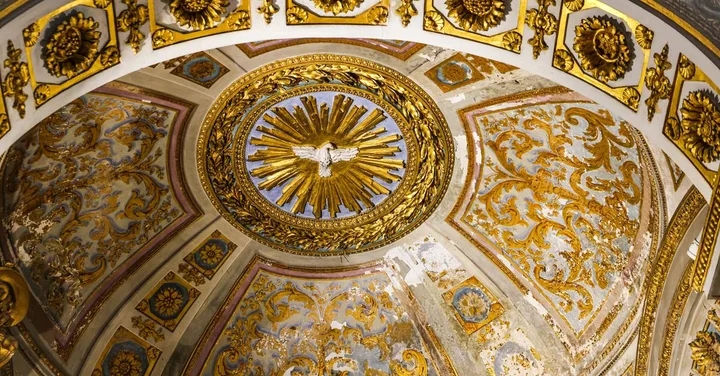
You step out of the tempo traveller on a cool December morning in Khajuraho, and the first thing that hits you isn't the temples. It's the silence. No hawkers, no traffic noise, just the soft pink light of sunrise falling across stone carvings that are nearly a thousand years old. A langur sits on a temple wall, completely unbothered. You walk closer and the detail stops you cold: musicians, warriors, celestial beings, lovers, all frozen mid-gesture in sandstone. Right then, you understand why people fly halfway across the world for this. And you got here on a direct flight from Delhi.
In This Guide
- Your Trip at a Glance
- Day-by-Day Breakdown
- What's Included and What's Not
- Total Cost in INR
- Tips for Making the Most of Every Day
- Frequently Asked Questions
- Book This Itinerary with Safari Sutra
That's the thing about Madhya Pradesh's heritage belt. It rewards you deeply, and it doesn't ask you to fight crowds or burn through savings to do it. This itinerary covers four of MP's most historically loaded destinations: Khajuraho, Orchha, Gwalior, and Mandu. Together they trace nearly 1,000 years of Indian history, from Chandela temple builders to Mughal governors to Rajput warrior queens. Eleven to fourteen days is the sweet spot. Here's exactly how to do it.
Your Trip at a Glance
- Day 1-2: Khajuraho - Western Group temples, Eastern Group sunrise walk, Panna National Park day trip option
- Day 3-4: Orchha - Jahangir Mahal, Ram Raja Temple, Betwa River ghats, cenotaphs at golden hour
- Day 5-6: Gwalior - Gwalior Fort, Jai Vilas Palace, Man Mandir Palace, Tansen Music Festival (seasonal)
- Day 7-9: Mandu - Jahaz Mahal, Rani Roopmati's Pavilion, Baz Bahadur's Palace, monsoon or winter light photography
- Day 10: Buffer/Return - Optional Maheshwar or Omkareshwar add-on, or return from Indore
Day-by-Day Breakdown
Day 1-2: Khajuraho - Where Stone Tells Stories
Your base is Khajuraho town, which is small enough to walk most of. Fly into Khajuraho Airport directly from Delhi (around 1 hour 10 minutes, IndiGo and Air India operate this route regularly). Check into your property, freshen up, and head to the Western Group of temples for the evening. The light at 4:30 PM is genuinely special here: low, warm, and raking across the carvings so every figure seems to breathe. This is a UNESCO World Heritage Site, and Incredible India rightly considers it one of the defining examples of medieval Indian temple architecture.
Hire a Government of India certified guide for both mornings. This is non-negotiable. The iconography at Khajuraho is dense, layered, and deeply misunderstood by most visitors who walk through without context. A good guide turns two hours into a completely different experience. You'll move from panels of erotic sculpture to scenes of daily Chandela life to cosmological imagery, and suddenly the whole thing makes sense as a philosophical statement rather than just ancient art. Day 2 morning, go to the Eastern Group before 7 AM, when it's just you, temple monkeys, and the occasional priest. It's quieter, smaller in scale, and genuinely moving.
For food, MP Tourism's Payal Restaurant near the Western Group is reliable for lunch. Dinner at your hotel is usually the better call. If you're feeling adventurous, the local dhaba behind the bus stand does a dal bafati that will make you rethink everything you thought you knew about lentils.
Where to stay: Raja's Café Heritage Hotel (mid-range, great courtyard), Lalit Temple View (premium, views of the Western Group), or if you want something special, the Sarai at Toria (about 45 minutes out, private forest setting).
Day 3-4: Orchha - The Town Time Forgot
Drive from Khajuraho to Orchha (about 4.5 to 5 hours). Hire a car with driver; the drive crosses some beautiful stretches of countryside and takes you through Chattarpur and Tikamgarh. Stop at a roadside dhaba for chai. Arrive by early afternoon.
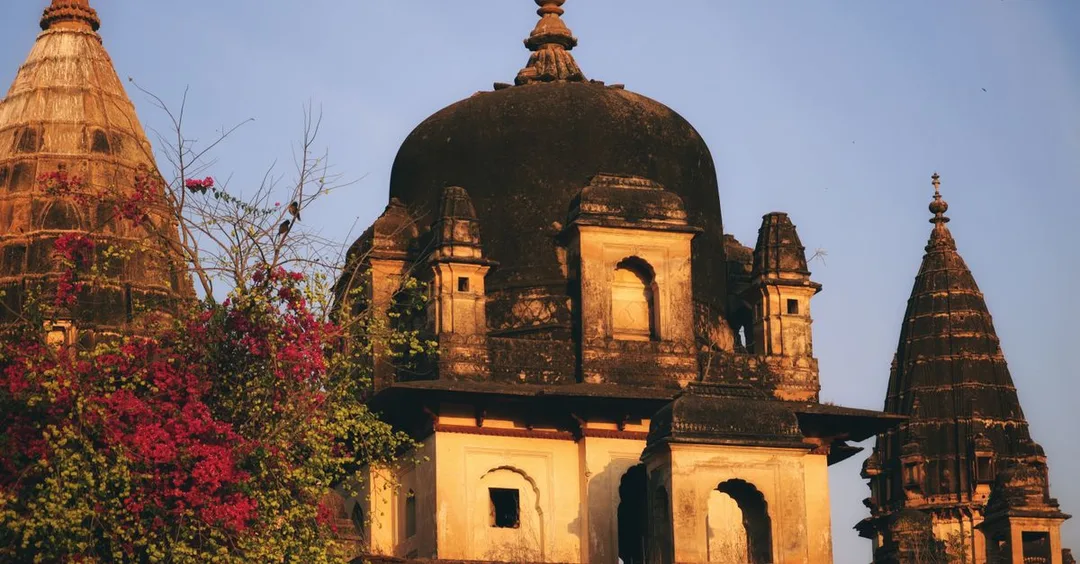
Orchha is one of those places that will quietly become your favourite stop of the trip. It's a 16th century Bundela capital sitting on an island formed by the Betwa River, and large parts of it haven't changed much since then. The Jahangir Mahal is a masterwork of syncretic architecture, mixing Mughal and Rajput forms in ways that make your architecture-loving friends lose their minds when you show them photos. Ram Raja Temple is the only temple in India where Ram is worshipped as a king and guards stand at attention, which is a story in itself. Your guide will tell it well.
Evenings in Orchha are for the cenotaphs along the Betwa. Fourteen chatris standing along the riverbank, built for Orchha's rulers, and at golden hour they reflect in the water perfectly. There's an ASI-run sound and light show at the Fort Complex that's worth attending on your second evening. It covers the Bundela story in about 45 minutes. Dinner after at the Sheesh Mahal Hotel restaurant (yes, it's inside a palace, yes, it's exactly as good as it sounds).
Where to stay: Sheesh Mahal (converted palace, heritage feel, mid-premium), Amar Mahal (private boutique property on the river, genuinely lovely), or the MP Tourism Betwa Retreat for something more accessible.
Day 5-6: Gwalior - The Fort That Dominates Everything
Drive or take the train from Orchha to Gwalior (train from Jhansi is easier; take a cab to Jhansi, about 20 minutes, then Shatabdi to Gwalior). Gwalior Fort is one of the most dramatic forts in India. It sits on a flat-topped sandstone hill rising 100 metres straight out of the plain, and the moment you see it, you understand why Babur called it "the pearl among the fortresses of Hind." Walk the Urwahi Gate approach and you'll pass enormous Jain rock sculptures carved directly into the cliff face. The main fort complex contains the Man Mandir Palace, the Gujari Mahal, and the Teli Ka Mandir, all within easy walking distance once you're up top.
Jai Vilas Palace in the town is the other unmissable visit. It's the residence of the Scindia family, and the Durbar Hall has one of the largest chandeliers in Asia, suspended from a ceiling where ten elephants were marched to test if the structure could hold the weight. That detail alone makes it worth the ticket price. The museum section is excellently maintained.
If your trip coincides with November, Gwalior hosts the Tansen Music Festival, a classical music event held at the tomb of Tansen, one of the Navaratnas of Akbar's court. Sitting under open sky, listening to a late-night Hindustani recital next to a 16th century tomb, is an experience that no itinerary can fully prepare you for.
Where to stay: Taj Usha Kiran Palace (the best address in Gwalior, a genuine heritage property), or Vibe by the Lalit for mid-range comfort.
Day 7-9: Mandu - The City on a Cloud
Mandu requires a bit of commitment to reach, about 6 hours by road from Gwalior via Indore, or fly Gwalior-Indore (40 minutes) and drive 90 minutes from there. It's completely worth it. Sitting at 2,000 feet on the Vindhya plateau, Mandu is an entire medieval city spread across 45 square kilometres. There's no central tourism hub here; the monuments are scattered across the plateau like pieces on a game board, and you spend three days connecting them.
The monsoon romance of Mandu is legendary. From July to September, the plateau turns a deep green, mist rolls through the passes, and the Jahaz Mahal (Ship Palace) appears to float between two lakes. In winter, the light is crisp and golden, perfect for photography. Rani Roopmati's Pavilion sits at the edge of the plateau with a drop into the Narmada valley on one side; the view on a clear morning is extraordinary. The love story of Baz Bahadur and Roopmati is told here through architecture, poetry, and local memory in a way that feels genuinely alive rather than museum-ish.
Eat at the MP Tourism Travellers' Lodge for reliable meals; the local mutton dishes here carry a distinct regional character. Allow Day 9 as a slow day to revisit a favourite monument, explore the lesser-known Hoshang Shah's Tomb (India's first marble mausoleum, which the architects of the Taj Mahal reportedly visited for reference), or simply sit somewhere high and watch the plateau light change.
Where to stay: Malwa Resort by MP Tourism (right on the plateau, excellent location), or Mandu Resort for a more boutique feel.
Day 10: Maheshwar Add-On or Return from Indore
If you have one more day, drive down from Mandu to Maheshwar on the Narmada (about 90 minutes). The ghats here are strikingly beautiful, the Ahilyabai Holkar Fort sits right on the riverbank, and the Maheshwari weaving cooperative is one of the best places in India to buy handloom fabric directly from the weavers. It adds real depth to the trip and Indore airport is your return hub. Non-stop flights back to Mumbai and Delhi run frequently.
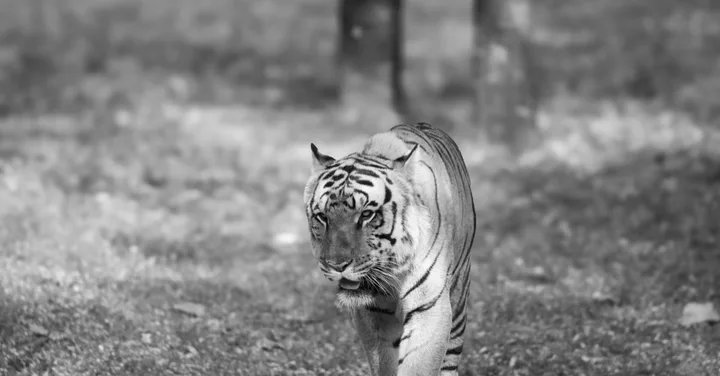
For the full picture on this circuit, including wildlife add-ons like Panna Tiger Reserve or Pench, check out Madhya Pradesh Wildlife & Heritage Tours on the Safari Sutra Holidays website.
What's Included and What's Not
Typically included in a packaged circuit:
- All intercity transfers (car with driver throughout)
- Hotel accommodation as per itinerary (check whether it's a heritage/premium or standard property)
- Daily breakfast (some packages include dinner at select properties)
- Monument entry fees at main sites
- Guided tours at Khajuraho, Gwalior Fort, Orchha Fort
- Airport pickups and drops
Typically not included:
- Flights to Khajuraho and return from Indore (book independently via IRCTC or airline apps)
- Lunches and dinners except where specified
- Personal expenses, tips for guides and drivers
- Tansen Festival tickets if booked last minute (these can sell out)
- Travel insurance (strongly recommended; budget around Rs. 800-1,200 per person)
- Any Panna National Park safari costs if you add that leg
Total Cost in INR
This is a 10-day circuit. Here's a realistic breakdown for two people travelling in the premium category:
- Flights (Delhi-Khajuraho + Indore-Delhi, both ways, economy): Rs. 10,000 to 16,000 per person
- Accommodation (mix of heritage and boutique properties, 9 nights): Rs. 70,000 to 1,20,000 for two
- Ground transport (car with driver, full 10 days): Rs. 35,000 to 45,000
- Guided tours (Khajuraho, Orchha, Gwalior, Mandu, certified guides): Rs. 8,000 to 14,000 total
- Meals (where not included): Rs. 2,000 to 3,500 per day for two
- Monument entry fees (ASI fees across all sites): approximately Rs. 3,000 to 5,000 for two
Total estimate for two people (premium, 10 days): Rs. 1,80,000 to 2,60,000.
Mid-range travellers can do this comfortably at Rs. 1,20,000 to 1,60,000 for two, primarily by choosing MP Tourism properties which are well-maintained and priced fairly.
Tips for Making the Most of Every Day
- Start early every single day. Monuments in MP get warm by mid-morning and genuinely hot by noon in spring. Mornings are also when the light is best and the crowds thinnest.
- Hire local, certified guides rather than relying on hotel staff referrals at every site. ASI-approved guides at the monument entrances are your best bet.
- Don't rush Mandu. Most people give it one day. Give it three. The experience compounds with time spent there.
- Carry cash. Many smaller dhabas, craft sellers, and parking attendants in these towns don't accept UPI or cards reliably.
- Book the Sheesh Mahal, Orchha in advance if travelling October to February. It books up weeks ahead during peak season.
- November and February are the two best months for this circuit. October can still be warm; March is lovely but later means more summer heat.
- After 12 years and 15,000+ trips, the team at Safari Sutra Holidays has found that the biggest difference between an average trip and a great one comes down to two things: the quality of your guides and how well your days are timed. Getting to Khajuraho's Western Group at 5 PM, not 11 AM, makes a genuine difference. These are the things we get right on every itinerary we plan.
Frequently Asked Questions
Q: Is this circuit doable in 7 days instead of 10?
You can cover Khajuraho, Orchha, and Gwalior in 7 days but Mandu gets squeezed out or becomes a rushed half-day, which wastes the detour. If time is tight, skip Mandu and save it for a dedicated Narmada Valley trip later. A hurried Mandu is worse than no Mandu.
Q: What's the best time of year for this heritage circuit in India?
October to March is the window. November and February are the sweet spots: cool temperatures (12-22 degrees Celsius during the day), clear skies, and manageable crowds. If you travel in July-August, Mandu in monsoon is genuinely magical but roads can be tricky, and Khajuraho gets very humid.
Q: Are the roads between these towns good enough for road travel?
Gwalior, Orchha, and Khajuraho are all well-connected by NH-class roads. The stretch from Gwalior to Indore and then up to Mandu involves some state highways that are fine but slower. Budget 5-6 hours for longer legs rather than 3-4. A good driver who knows the route matters more than the road condition.
Q: How physically demanding is this itinerary?
Moderate. You'll do a lot of walking at each site, and Gwalior Fort involves a significant uphill climb (there's also a road for vehicles if needed). Mandu's monuments are spread across a plateau, so you're in and out of a vehicle frequently. Anyone with reasonable mobility and comfortable shoes will handle this fine.
Q: Can this trip work for a family with kids?
Yes, and it works better than you'd expect. Kids respond strongly to Gwalior Fort (the elephant-tested chandelier story is an immediate hit), the palace architecture in Orchha, and the sheer scale of Mandu. Khajuraho requires some parental judgement on how much time you spend near the erotic sculpture panels, but the temples are genuinely kid-friendly in every other way.
Q: Do I need to pre-book monument tickets?
Khajuraho's Western Group, Gwalior Fort, and Jai Vilas Palace can all be paid at the gate. During peak season (December and January), early morning arrival at Khajuraho is enough to avoid queues. Orchha and Mandu have composite ticket systems; buy them at the first monument you visit and they cover multiple sites.
Q: Is Madhya Pradesh safe for solo female travellers?
The heritage towns covered in this circuit are generally safe and well-touristed. Standard travel caution applies: travel with a pre-arranged driver rather than flagging taxis in unfamiliar areas, keep hotel contact numbers saved, and dress modestly at religious sites. MP's heritage circuit sees a significant volume of domestic and international tourists, and the local economy depends on tourism being welcoming.
Book This Itinerary with Safari Sutra
Safari Sutra Holidays plans this circuit regularly, and we can adjust it for your travel dates, group size, budget, and interests. Want to add a Panna tiger safari? Swap a Gwalior night for Datia? Include the Tansen Festival? We'll build it around you.
Ready to Plan Your Trip?
Safari Sutra Holidays — 13 years, 15,000+ trips, zero cookie-cutter itineraries.
Get Your Free Custom Quote →+91 9860415774 | hello@thesafarisutra.com

Safari Sutra Team
Travel curators with 13 years of experience planning Indian and international holidays — from safari adventures to island escapes.
View All Posts