Stand at the edge of Dholavira's great reservoir in the early morning, when the Rann's salt flats shimmer white at the horizon and the silence is so complete you can hear your own breathing. You're looking at a city that was already 4,000 years old when the Roman Empire was just getting started. The stone walls around you were engineered by people who had running water, standardised weights, and a script no one has fully decoded yet. This isn't a museum reconstruction. This is the real thing, still being excavated, still giving up its secrets. The Gujarat heritage circuit covering Dholavira, Lothal, and the surrounding Indus Valley sites is one of the most intellectually charged trips you can take in India right now, and the majority of Indian travellers have no idea it exists.
In This Guide
- Gujarat Heritage Circuit for Indian Travellers: What You Actually Get
- Best Time to Visit (Month-by-Month, Honest)
- Top Experiences You Can't Miss
- Safari Sutra Package Options & Prices in INR
- Getting There: Flights from India
- Visa, Vaccinations & Practical Prep
- Frequently Asked Questions
- Plan Your Gujarat Heritage Circuit Trip with Safari Sutra
Gujarat Heritage Circuit for Indian Travellers: What You Actually Get
The gujarat heritage circuit dholavira lothal route isn't a single highway with signs pointing you along. It's a loose arc of archaeological sites and living heritage towns spread across Kutch, the Gulf of Khambhat coast, and central Gujarat. Done properly, it takes eight to twelve days and rewards the kind of traveller who wants to actually understand what they're looking at.
Dholavira is the centrepiece. It sits on Khadir Bet, an island in the Great Rann of Kutch, and it's one of the largest and best-preserved Indus Valley Civilisation sites anywhere. UNESCO gave it World Heritage status in 2021, which is long overdue. The site covers roughly 100 hectares and has a lower town, a middle town, and a fortified citadel, each telling a different story about how this civilisation organised itself. The giant water reservoirs, some of the world's earliest known stepwells, are staggering in scale. You'll walk the same pathways that traders walked in 2500 BCE, and that feeling doesn't get old.
Lothal is about six hours south of Dholavira by road, near Ahmedabad. It's smaller but arguably more accessible, and it has something Dholavira doesn't: a world-class archaeological museum right on site. Lothal was a port city. It had a dockyard, the earliest known in the world, where ships loaded up with carnelian beads, ivory, and cloth for Mesopotamia. The Incredible India portal lists Lothal as a priority heritage destination, and the Archaeological Survey of India has been working to improve infrastructure here ahead of the new Lothal National Maritime Heritage Complex, which is still under development.
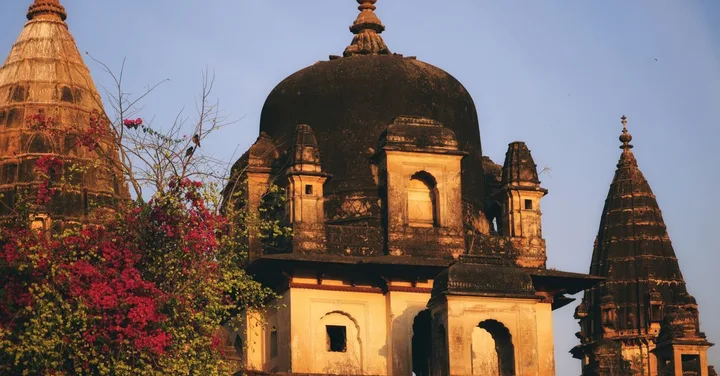
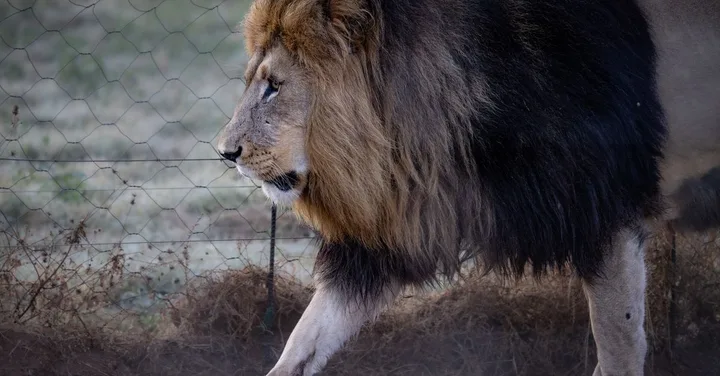
Beyond these two anchors, the circuit can extend to Modhera's 11th-century Sun Temple, Patan's stepwell Rani ki Vav (another UNESCO site), and Bhuj, which is both a Kutchi cultural hub and a practical base for Dholavira. If you're pairing heritage with wildlife, the Gujarat Heritage & Wildlife Tour we run covers the Gir Forest and Little Rann of Kutch alongside the archaeological sites, giving you lions, flamingos, and Harappan ruins in the same trip.
Best Time to Visit (Month-by-Month, Honest)
October to February is the clear window. Kutch winters are dry, cool, and clear. Temperatures at Dholavira sit between 12°C and 26°C, which is ideal for walking open archaeological sites for three to four hours at a stretch. The Rann of Kutch Utsav (typically November to February) adds a festive buzz to the region, with folk music, crafts, and full-moon nights that are genuinely magical.
March and April are acceptable but warming up fast. By April, midday at Dholavira is uncomfortable, and you'll want to be at the site by 7:30 AM.
May to September is the monsoon and heat period. Dholavira becomes extremely hot (45°C+) and the road to Khadir Bet can flood during heavy rains. We don't recommend this window unless you're visiting Lothal and Ahmedabad only, both of which are manageable year-round.
The single best month? November. The Rann is photogenic, temperatures are gentle, the site is not yet crowded with winter tourists, and flights from Delhi and Mumbai are still reasonably priced.
Top Experiences You Can't Miss
Walking Dholavira at Sunrise
The Archaeological Survey of India allows early access, and you want to be at the site by 6:30 AM. The light is golden, the air is cool, and you'll likely have the place to yourself for the first hour. A knowledgeable guide changes everything here. The site itself doesn't have extensive signage, so without someone who understands Harappan urbanism, you'll be looking at beautiful old walls without any context. After 12 years and 15,000+ trips, we've found the biggest difference between an average trip and a great one is guide quality and game drive timing, and what applies to safari applies equally here. A well-briefed heritage guide at Dholavira turns a two-hour walk into something you'll be talking about for years.
The Lothal Dockyard and Museum
The dockyard at Lothal is a brick-lined basin roughly 218 metres long. Standing next to it and understanding that ships sailed from here to the Persian Gulf around 2400 BCE reframes how you think about Indian history. The on-site museum has original artefacts, a scale model of the ancient city, and a reconstruction of what the dockyard looked like at its peak. Budget at least two hours here.
Rani ki Vav, Patan
Rani ki Vav is technically off the strict Indus Valley route, but it's a logical addition when driving between Ahmedabad and Bhuj. It's a stepwell built in the 11th century, and its seven storeys of carved sculpture are extraordinary. It features on the 100-rupee note. Go late afternoon when the light catches the carvings.
Bhuj and Kutchi Craft Villages
Bhuj is your base for Dholavira and a living museum in its own right. The nearby craft villages of Ajrakhpur (block printing), Nirona (Rogan art), and Hodka (embroidery) connect you to artisan traditions that have been alive in this region for centuries. Buy directly from the makers. Prices are honest and the quality is real.
Modhera Sun Temple
An hour north of Ahmedabad, this 11th-century temple is aligned so that the rising sun illuminates the inner sanctum on both equinoxes. The kund (stepwell) in front of it is geometrically precise and reflects the temple perfectly in still water. Arrive early and beat the crowds.
Safari Sutra Package Options & Prices in INR
These packages are per person, on twin-sharing basis, and cover accommodation, transport, guide fees, and most meals. Flights are additional.
Heritage Essentials (4 nights / 5 days)
Ahmedabad base, Lothal, Modhera, Rani ki Vav, drive to Bhuj. Comfortable 3-star hotels.
From INR 28,000 per person
Classic Gujarat Heritage Circuit (7 nights / 8 days)
Ahmedabad, Lothal, Modhera, Patan, Bhuj, Dholavira, with craft village visits included. Mix of 3-star and heritage boutique properties.
From INR 52,000 per person
Gujarat Heritage + Wildlife Combo (10 nights / 11 days)
Everything in the Classic package, plus Gir National Park (Asiatic lions) and the Little Rann of Kutch (wild ass sanctuary). This is the most popular option.
From INR 78,000 per person
Premium Heritage Circuit (7 nights / 8 days)
Same route as the Classic, but with premium heritage hotels (The House of MG in Ahmedabad, Devpur Homestay near Bhuj), private air-conditioned vehicle throughout, and a senior ASI-trained archaeological guide.
From INR 1,05,000 per person
Private Family Heritage Tour (customisable)
Designed for families with older children (12+) or multi-generational groups. Includes interactive sessions at Lothal Museum, storytelling guides, and flexibility to slow down at sites kids connect with.
From INR 95,000 per person (family of four)
All prices are indicative and change with season, hotel availability, and group size. Contact us for a precise quote.
Getting There: Flights from India
To Ahmedabad (AMD): This is your primary entry point. Direct flights run from Mumbai (45 minutes, from INR 2,500), Delhi (1.5 hours, from INR 3,500), Bengaluru (1.5 hours, from INR 4,000), and most major Indian cities. Ahmedabad airport is well-connected and easy to navigate.
To Bhuj (BHJ): Bhuj has a domestic airport with connections from Mumbai (1 hour) and sometimes Delhi. Flights are less frequent and fill up fast in peak season. If you're planning a Dholavira-first itinerary, flying into Bhuj saves a full day of driving.
Overland: The Ahmedabad to Bhuj drive is roughly 330 km and takes about 5.5 hours by road. It's a comfortable drive through Kutch, and with a good driver who knows the area, you can stop at interesting points along the way.
From Bhuj to Dholavira: It's about 250 km, a 4 to 4.5 hour drive. There's no shortcut, but the road through the Rann is extraordinary, especially in winter. You'll see nothing but white salt flats and blue sky for stretches at a time.
Visa, Vaccinations & Practical Prep
Visa: This is a fully domestic trip. No visa required for Indian passport holders.
For NRI or foreign passport holders joining Indian family groups: Standard Indian tourist visa rules apply. Check current processing times at the official Indian visa portal.
Vaccinations: No mandatory vaccinations for this circuit. Standard travel hygiene applies. Carry a basic kit, especially for Dholavira, which is remote.
Health: The nearest good hospital to Dholavira is in Bhuj (about 4.5 hours). If you have any significant health conditions, flag them when booking so we can plan logistics appropriately.
Phone and Data: BSNL has better coverage in remote Rann areas than private telecom operators. Consider keeping a BSNL SIM active or roaming on it for the Dholavira leg.
What to Carry:
- Sun protection (hat, sunscreen SPF 50+, UV sunglasses) is non-negotiable October to April
- Comfortable walking shoes for uneven archaeological surfaces
- A light down jacket for early December to January mornings in Kutch
- Cash, because ATM coverage in Khadir Bet and surrounding villages is patchy
Photography: Dholavira allows photography freely. Some sections of Rani ki Vav have restricted photography for preservation. Check current ASI guidelines at entry.
Frequently Asked Questions
Q: Is Dholavira worth the long drive from Bhuj or Ahmedabad?
Completely. Yes, it's a four-to-five hour drive from Bhuj on roads that aren't always smooth, but Dholavira is genuinely one of the most significant archaeological sites in Asia. The scale, the preservation, and the setting (an island in the Rann, surrounded by silence) make it unlike anywhere else in India. Travellers who skip it because of the distance almost always regret it. Build in an overnight stay on Khadir Bet so you can do sunrise and sunset at the site.
Q: Can I visit Dholavira and Lothal on the same trip without it feeling rushed?
Yes, if you plan the route properly. They're roughly 500 km apart, so you can't do both in a day. The ideal itinerary spends two nights near Dholavira (fly into Bhuj), then drives back toward Ahmedabad, stopping at craft villages and Patan along the way, before spending time at Lothal. Ten days gives you a relaxed pace. Eight days is doable if you're comfortable with a few longer driving days.
Q: What's the accommodation like near Dholavira?
Basic but improving. There are a few guesthouses on Khadir Bet, the best known being the Gujarat Tourism Toran Guest House and a handful of private homestays. Rooms are clean and functional, not luxurious. The experience of waking up on that island with the Rann all around you more than compensates. If premium comfort is essential, stay in Bhuj and do a day trip, but you'll lose the magic of sunrise at the site.
Q: Is this trip suitable for children?
For children 10 and above who have some curiosity about history, yes, it works very well. Younger children may find long drives and open archaeological sites difficult. The Lothal Museum is genuinely engaging for kids and has models and artefacts that bring the period to life. We can add storytelling-focused guides and interactive elements for family trips. Ask us when booking.
Q: When is the worst time to visit, and why do some travel sites still recommend it?
May, June, and July are genuinely difficult at Dholavira. Temperatures regularly cross 45°C, the roads to Khadir Bet can become impassable during heavy monsoon rains, and some facilities close. Generic travel aggregators often list destinations as "open year-round" without flagging regional conditions. We don't send clients to Dholavira in peak summer. October to February is the honest window.
Q: How does the Gujarat heritage circuit connect to broader Indian history that we learned in school?
This is the Harappan Civilisation you read about in Class 6. These sites are the physical reality of those chapters. Dholavira and Lothal are not peripheral footnotes; they're among the most important sites of one of the world's four ancient river civilisations, contemporary with Egypt and Mesopotamia. Seeing them in person reframes Indian history in a way that no textbook can. It's a particularly powerful trip for students and for anyone who wants to understand how sophisticated pre-Vedic India actually was.
Q: Does Safari Sutra Holidays handle the full trip logistics, or do I need to arrange things separately?
We handle everything: flights (if you want us to), ground transport, accommodation, guide bookings, entry permits, and meal arrangements. You show up with your bags; we do the rest. This is especially valuable for the Dholavira leg because coordinating the island access, accommodation, and guide independently requires local contacts and time. With over 15,000 trips under our belt, we've built those relationships across Gujarat so you don't have to start from scratch.
Plan Your Gujarat Heritage Circuit Trip with Safari Sutra
The Gujarat heritage circuit covering Dholavira and Lothal is one of those trips that changes how you see Indian history. Not in a textbook way, but in the way that standing on a 4,500-year-old street and looking out at the same Rann horizon those traders once looked at actually does something to you.
Safari Sutra Holidays has been running heritage and wildlife tours across India for over 12 years. We know which guide at Dholavira actually understands Harappan urbanism, which guesthouse on Khadir Bet has the better rooms, and which craft villages are worth your time versus the ones set up primarily for tour buses. That local knowledge is what makes the difference between a good trip and a great one.
The best time to go is the next October-to-February window. Seats in good vehicles and rooms at the better properties on Khadir Bet fill up faster than you'd expect, particularly around the Rann Utsav period.
Ready to Plan Your Trip?
Safari Sutra Holidays — 13 years, 15,000+ trips, zero cookie-cutter itineraries.
Get Your Free Custom Quote →+91 9860415774 | hello@thesafarisutra.com

Safari Sutra Team
Travel curators with 13 years of experience planning Indian and international holidays — from safari adventures to island escapes.
View All Posts