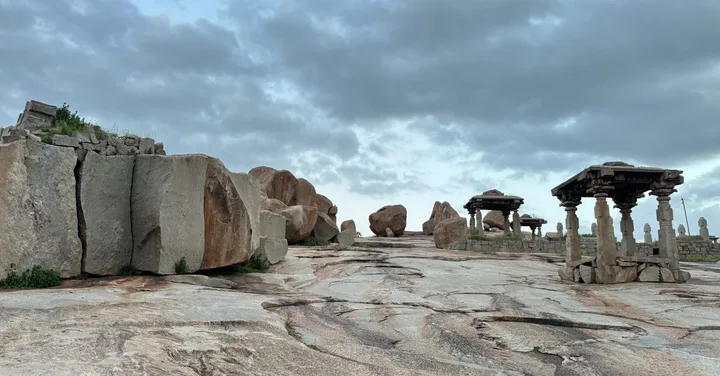
The stone wheels don't move, but they feel like they should. Standing at the base of the Konark Sun Temple in Odisha, you're looking at 24 intricately carved chariot wheels, each one taller than a grown man, each one a functioning sundial that still tells the time accurately after 800 years. The sea breeze rolls in from the Bay of Bengal, just two kilometres away. The air smells faintly of salt and marigolds from a pujari's offerings nearby. And all around you, stone horses rear up in eternal motion, pulling the sun god Surya across the sky. This is one of those places where you stop mid-sentence and just stand there.
In This Guide
- Konark Sun Temple Odisha for Indian Travellers: What You Actually Get
- Best Time to Visit (Month-by-Month, Honest)
- Top Experiences You Can't Miss
- Safari Sutra Package Options & Prices in INR
- Getting There: Flights from India
- Visa, Vaccinations & Practical Prep
- Frequently Asked Questions
- Plan Your Konark Sun Temple Odisha Trip with Safari Sutra
Pair this with a morning at Puri beach, where the waves crash hard and fishermen haul in nets before sunrise while pilgrims from across India take their holy dip, and you've got a trip that gives you history, spirituality, seafood, and real Odisha culture, all within an hour's drive of each other.
Konark Sun Temple Odisha for Indian Travellers: What You Actually Get
The Konark Sun Temple, built in the 13th century by King Narasimhadeva I of the Eastern Ganga dynasty, is a UNESCO World Heritage Site and one of the finest examples of Kalinga architecture anywhere in the world. The entire structure was conceived as a colossal stone chariot for Surya, the sun god, complete with 12 pairs of wheels and seven horses. What makes it extraordinary isn't just the scale, it's the detail. Every surface is carved: celestial musicians, erotic sculptures in the tradition of Khajuraho, war elephants, lotus motifs, and geometric patterns that would take a lifetime to fully read.
For Indian travellers, this trip hits differently than a generic international holiday. You're connecting with something deeply rooted in Indian civilisation. The temple is a UNESCO-listed monument, yes, but it also has living cultural relevance. The Konark Dance Festival held here every November draws classical dancers from across the country, performing against the temple's stone facade at night. It's the kind of setting that makes you realise why Indian classical arts exist.
Puri is 35 kilometres from Konark, about an hour's easy drive. Most people know Puri for the Jagannath Temple, one of the four sacred dhams in Hinduism. But Puri also has a long, open beach with warm water, excellent Odia fish thali restaurants lining the lanes near the shore, and a genuinely relaxed pace. It doesn't feel like a resort town trying to be something it's not. It feels like Odisha.
The best way to do this combo is to base yourself in Puri, spend a full half-day at Konark (longer if you're the kind of person who reads every information board), and mix in the Chilika Lake or Raghurajpur village as day trips. If you're flying from Mumbai or Delhi, it's a very doable long weekend.
Best Time to Visit (Month-by-Month, Honest)
October to February is the sweet spot. Temperatures hover between 15°C and 28°C, the skies are clear, and the sea at Puri is calm enough for wading in. The Konark Dance Festival happens in the last week of November, which makes that month particularly special. Book early if you're going during the festival weekend.
March and April are warm but manageable, especially if you visit Konark early in the morning. The temple faces east and catches the morning sun perfectly. By 10am in March, it's already getting hot. Go at 7am, when the light hits the stone and the place is nearly empty.
May and June are genuinely brutal. The heat in Odisha is humid and heavy, and you'll spend more time sheltering than sightseeing. Unless you have a very specific reason to go, avoid this window.
July to September is monsoon season. Puri beach gets rough and dramatic, the coastline turns intensely green, and the famous Rath Yatra typically falls in June or July (exact date shifts each year based on the Hindu calendar). If Rath Yatra is on your bucket list, this is the only time to see it, and it is genuinely one of the most spectacular religious processions in the world. Just plan for crowds, closed roads, and possible flight disruptions.
The honest answer: if you want the best combination of good weather, temple photography, beach time, and cultural experiences, plan for November or early December.
Top Experiences You Can't Miss
The Konark Sun Temple at sunrise: Get there before 7am. The crowds are still thin, the light is golden and raking across the stone carvings, and the atmosphere is completely different from the midday chaos. Hire a local Archaeological Survey of India (ASI) guide at the entrance, not someone who approaches you outside the gate. A good guide will explain the astronomical precision built into the chariot wheels and the erotic sculptures in their actual religious and philosophical context, which completely changes how you see the temple.
Puri beach at dawn: This is not a beach for sunbathing in the European sense. Puri beach is active, full of fishermen, sadhus, families, and pilgrims. Wake up early and walk down to the shore around 5:30am. The fishing boats come in, the light is soft pink, and the energy is something between a village market and a prayer meeting. It's one of the most distinctly Indian beach experiences in the country.
Jagannath Temple, Puri: Non-Hindus cannot enter the main shrine, but even standing outside the Singhadwara (Lion's Gate) gives you a sense of the scale and devotion. The Jagannath Mahaprasad, the sacred food prepared in the temple kitchen, is available outside in the market and is worth trying. The rice, dal, and sabzi have a flavour that locals will tell you is blessed, and honestly, it does taste different from ordinary food.
Raghurajpur Heritage Village: Just 14 kilometres from Puri, this village is home to the Pattachitra tradition, a form of scroll painting on cloth using natural colours that is at least 500 years old. You can watch artists at work in their homes and buy directly from them. Prices are reasonable and the quality is far better than anything you'll find in souvenir shops.
Chilika Lake: Asia's largest coastal lagoon is about 50 kilometres from Puri. Between November and January, it hosts hundreds of thousands of migratory birds including flamingos, grey pelicans, and bar-headed geese flying down from Central Asia and Siberia. A boat ride on Chilika in the morning mist, with the Nalabana Bird Sanctuary in the distance, is genuinely memorable.
Seafood in Puri: The fish and prawn thalis at local restaurants near the beach market are the real deal. Ask for Odia-style fish curry, which uses mustard paste and is completely different from Bengali or Goan preparations. The flavour is sharp, earthy, and addictive.
Safari Sutra Package Options & Prices in INR
These are realistic, starting-from prices for 2 adults based on travel from major Indian cities. Prices will vary with season, hotel category, and group size.
Essential Weekend Escape (3 nights / 4 days)
Flights from Mumbai or Delhi included, 3-star beach hotel in Puri, Konark half-day tour with guide, Puri beach and Jagannath Temple visit, airport transfers.
Starting from approximately Rs. 22,000 per person
Classic Odisha Combo (4 nights / 5 days)
Flights included, 4-star hotel in Puri (sea-facing room), Konark full-day guided tour, Raghurajpur village visit, Chilika Lake boat excursion, all transfers and a local food experience.
Starting from approximately Rs. 32,000 per person
Premium Heritage and Culture (5 nights / 6 days)
Flights included, boutique heritage property near Puri, private AC vehicle throughout, in-depth Konark guided tour with sunset viewing, Konark Dance Festival attendance (if travel dates align), Chilika Lake, Raghurajpur, and a private Pattachitra demonstration with an artist.
Starting from approximately Rs. 48,000 per person
Family Package (5 nights / 6 days for 2 adults + 2 children)
Designed for families with children aged 6+, includes kid-friendly accommodation, a storytelling guide at Konark who explains mythology in an engaging way, beach activities, and pace structured for family travel.
Starting from approximately Rs. 1,05,000 for the family
All packages can be customised. If you want just the land component (no flights), prices reduce significantly. You can also Explore All Destinations on Safari Sutra to see how this Odisha trip compares with other domestic and international options before you decide.
Getting There: Flights from India
The closest airport is Bhubaneswar (Biju Patnaik International Airport), about 65 kilometres from Puri and 60 kilometres from Konark. Direct flights operate from Mumbai, Delhi, Bengaluru, Hyderabad, Kolkata, and Chennai. Flight time from Mumbai is roughly 2 hours, from Delhi around 2 hours 15 minutes.
From Bhubaneswar airport, it's about 90 minutes to Puri by road. Your driver will typically pass Konark on the way, so some travellers do a quick Konark stop en route before settling into their Puri hotel.
Budget carriers like IndiGo and Air India Express have solid connectivity to Bhubaneswar. Round-trip fares from Mumbai or Delhi typically range from Rs. 5,000 to Rs. 12,000 depending on how far in advance you book. October to December fares tend to go quickly, so book at least 4 to 6 weeks ahead.
If you're combining this with Kolkata, the Konark-Puri trip works well as an extension. Bhubaneswar to Kolkata is under an hour by air.
Trains are also a strong option. The Puri Express from Howrah (Kolkata) is a classic overnight journey. From Delhi, the Purushottam Express runs to Puri directly.
Visa, Vaccinations & Practical Prep
This is a domestic India trip, so no visa is needed. Your Aadhaar card or passport is sufficient ID for flights and hotel check-ins.
Health and safety: Odisha is generally safe and well-connected. The coastal weather means it can be humid even in winter, so carry light cotton clothes and stay hydrated. If you're visiting during or just after the monsoon, pack a small rain jacket even in October.
Money: Puri has ATMs, and most hotels accept cards. However, the Raghurajpur village artists, local beach food stalls, and smaller temple-town shops prefer cash. Carry some notes.
What to wear at the temples: Shoulders and legs should be covered when entering temple precincts. Lightweight salwar kurta or a stole works well and is comfortable in the heat. Non-Hindus will need to stay outside the Jagannath Temple main sanctum regardless of dress.
Photography at Konark: The ASI allows photography inside the temple complex. No drone permits are issued for ASI monuments, so leave the drone at home.
Mobile connectivity: Jio and Airtel both have good coverage in Puri and on the Konark road. You won't have connectivity issues.
Respect local customs: Puri is a deeply religious town. The streets near the Jagannath Temple have strict rules about non-Hindus entering certain areas. Follow the signs, be respectful, and don't argue with temple priests or police about entry restrictions.
Frequently Asked Questions
Q: How much time do I need at the Konark Sun Temple?
Budget at least 2 to 3 hours if you want to do it properly. The main Natya Mandapa (dance hall) and the main temple tower take about an hour, but the detail on the outer walls, the chariot wheels, and the horses could occupy a thoughtful traveller for another hour easily. The on-site museum is small but informative and takes about 30 minutes. If you're rushed, 90 minutes is the bare minimum.
Q: Can non-Hindus visit the Konark Sun Temple?
Yes, absolutely. Konark is an archaeological monument managed by the ASI, not an active place of worship (limited puja is still performed, but access is open to everyone). People of all religions and nationalities visit freely. The Jagannath Temple in Puri, however, restricts entry to Hindus only.
Q: Is Puri beach safe for swimming?
The waves at Puri can be strong and unpredictable. There are designated swimming zones marked by flags and monitored by lifeguards. Swimming outside these zones is genuinely risky. The beach is excellent for walking, wading, and watching the sunrise, but if you want proper swimming, be cautious and stay within the flagged areas.
Q: What's the best way to get between Puri and Konark?
The easiest option is a private car, which your hotel or a local taxi service can arrange. The drive is about 35 kilometres on a reasonably good road and takes around 45 to 60 minutes. Auto-rickshaws and local buses also run this route but are slower and less comfortable. If you're on a Safari Sutra package, transport is handled for you.
Q: Is this trip suitable for elderly family members?
The Konark temple complex involves walking on uneven stone paths and some stair climbing. It's doable for most people in reasonable health, but the midday heat can be a challenge for elderly travellers. Go early, carry water, and consider a lightweight folding walking stick if balance is a concern. Puri beach and Raghurajpur village are both easy and comfortable.
Q: When is the Konark Dance Festival and how do I attend?
The festival runs for five days in the last week of November, usually around November 19 to 23 (dates vary slightly each year). It's an open-air event held in the temple's archaeological complex, with performances by leading classical dancers from Bharatanatyam, Odissi, Kuchipudi, Manipuri, and other traditions. Entry is ticketed. It's a genuine cultural experience, not a tourist show.
Q: What local food should I try in Puri?
Start with Odia fish curry and rice. Try the Mahaprasad outside the Jagannath Temple. Look for Dalma (a lentil and vegetable preparation that's the soul food of Odisha) at local restaurants. Chhena poda, a baked cottage cheese dessert that originated in Odisha, is something you should not leave without trying. It tastes like a moist, slightly caramelised cheesecake.
Plan Your Konark Sun Temple Odisha Trip with Safari Sutra
After 12 years and 15,000+ trips, the Safari Sutra Holidays team has learned that the difference between an ordinary trip and a genuinely good one often comes down to two things: getting the timing right and having someone on the ground who actually knows the place. For a trip like Konark and Puri, that means knowing to go to the temple at 7am instead of 10am, knowing which Raghurajpur artists are worth meeting, and knowing the right restaurant for Odia seafood that doesn't show up on any travel app. That's exactly what we get right for every client.
Whether you're planning a couple's getaway from Mumbai, a family trip with elderly parents, or a solo cultural immersion, this Odisha combo delivers far more than most people expect from a domestic trip. It's history, spirituality, food, art, and natural beauty, all packed into 4 to 5 days, and all reachable on a direct flight.
Ready to Plan Your Trip?
Safari Sutra Holidays — 13 years, 15,000+ trips, zero cookie-cutter itineraries.
Get Your Free Custom Quote →+91 9860415774 | hello@thesafarisutra.com

Safari Sutra Team
Travel curators with 13 years of experience planning Indian and international holidays — from safari adventures to island escapes.
View All Posts