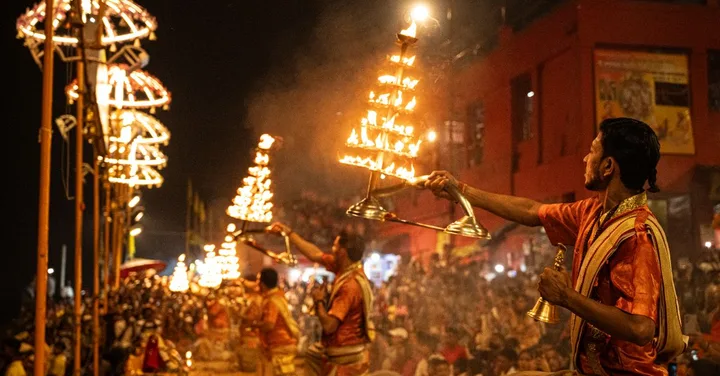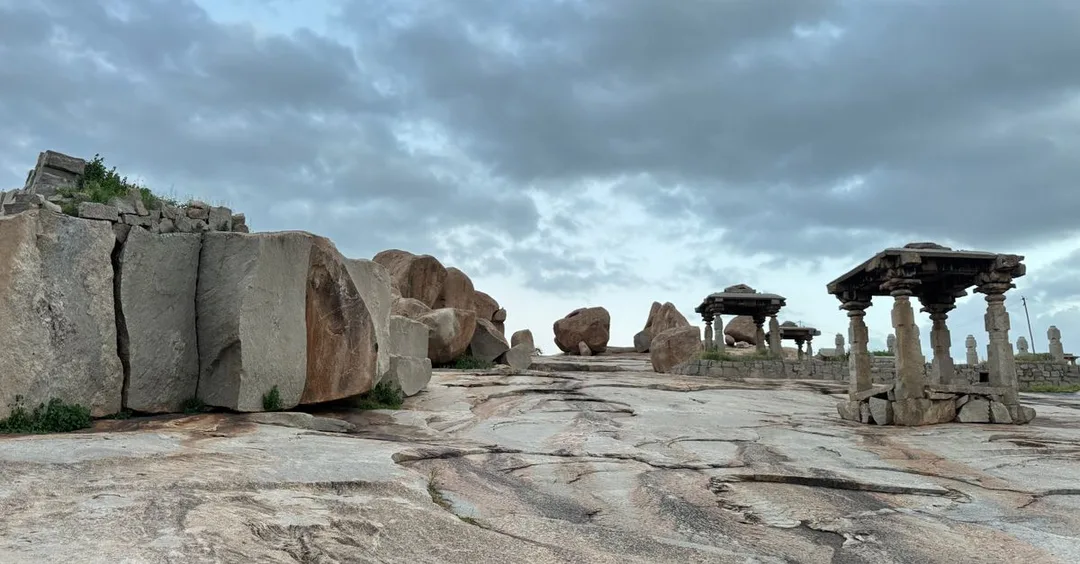
The boulder is warm under your hands. Not just sun-warmed, but ancient-warm, the kind you feel in sandstone that has soaked up centuries. You're sitting on a rust-coloured rock above Hemakuta Hill, watching the sun drop behind the Virupaksha Temple, and the entire Tungabhadra valley turns the colour of old gold. Below you, a herd of cormorants cuts across the river in formation. A boy on a coracle paddles slowly toward the opposite bank. And somewhere behind you, a temple bell rings three times, then goes quiet. This is Hampi. Not a museum. A living, breathing, slightly surreal place where the 14th century hasn't fully left yet.
Hampi UNESCO Heritage Site for Indian Travellers: What You Actually Get
Hampi is one of those places where the more you know before you arrive, the more you get out of it. Here's the honest picture.
The Hampi Group of Monuments was declared a UNESCO World Heritage Site in 1986. You're looking at the ruins of Vijayanagara, once one of the largest cities in the world, the capital of an empire that stretched across southern India from the 14th to the 16th century. At its peak, this city had a population of over half a million people. Portuguese travellers who visited in the 1500s described it as bigger and grander than Lisbon.
What's left today is spread across roughly 4,100 hectares of dramatic landscape: black granite boulders piled like a god's game of marbles, banana plantations, paddy fields, and intricately carved stone temples that somehow survived the sacking of 1565. The Incredible India tourism board lists over 1,600 surviving monuments here, though most visitors only see a fraction of them.
For Indian travellers specifically, Hampi hits differently. This is your history. The Vijayanagara Empire was a major Hindu kingdom that held the line against Deccan Sultanate expansion for two centuries. Walking through the Hazara Rama Temple or the Lotus Mahal isn't just sightseeing. It's reading a chapter of South Indian history that most school textbooks skimmed.
The vibe here is also refreshingly mixed. You'll find backpackers and bouldering enthusiasts from Europe alongside Kannada families on weekend trips, solo travellers doing sunrise yoga by the river, and serious architecture photographers with tripods in tow. Hampi is genuinely egalitarian in that way. It doesn't care who you are. The ruins are just there, open, honest, and enormous.
Best Time to Visit (Month-by-Month, Honest)
October to February is the sweet spot. Temperatures sit between 16°C and 28°C, the light is clear and golden, and the crowds, while present, are manageable. December weekends can get busy with domestic tourists, so if you want quieter mornings at Vittala Temple, go mid-week. January is probably the most comfortable month overall, especially if you're planning long walks between monument clusters.
March and April are survivable but warm. Temperatures start climbing toward 35-38°C by April, and the afternoon sun on those black boulders is genuinely intense. If you visit in March, stick to morning and evening explorations and take a long lunch break.
May and June are genuinely harsh. Temperatures can hit 42°C. This is not the time. Even the most committed history buff will find it hard to enjoy a monument when you're basically melting into the stone.
July to September is monsoon season. Hampi gets moderate rainfall, and the landscape transforms dramatically. The boulders turn moss-green, the Tungabhadra fills up and turns a roiling brown, and the whole valley feels lush and dramatic. Some travellers love this season for the photography and the solitude. A few roads can get waterlogged, and some monuments become slippery, so you trade comfort for atmosphere. It's a valid trade if you know what you're getting into.
The honest verdict: November to January is the best window for most Indian travellers, especially families and those visiting for the first time.
Top Experiences You Can't Miss
Vittala Temple and the Stone Chariot
This is the visual centrepiece of Hampi and justifiably so. The Vittala Temple complex dates to the 15th century and contains the iconic stone chariot, one of the most photographed monuments in Karnataka. The musical pillars inside the main hall actually produce tonal sounds when tapped, though ASI now discourages it to protect the stone. The entire complex is best visited between 7am and 9am, before the tour groups arrive.
Matanga Hill at Sunrise
Wake up at 5am. Climb 30 minutes up a rocky path. Stand at the top as the sun rises over a landscape that looks like it was designed by a particularly ambitious cinematographer. Hampi spreads out in every direction: temple spires, palm trees, the river, and boulders as far as you can see. This is non-negotiable.
A Coracle Ride on the Tungabhadra
The circular basket boats on the Tungabhadra are both genuinely useful (they connect Hampi Bazaar to Virupapur Gaddi on the north bank) and genuinely fun. The ride takes about ten minutes. You will feel mildly unstable the whole time. The boatmen have been doing this forever and are perfectly calm. Go in the early morning when the light on the water is extraordinary.
Virupaksha Temple
This is the living heart of Hampi, an active temple that has been in continuous worship for over 1,300 years. The main gopuram rises 50 metres above the bazaar street. Inside, a temple elephant named Lakshmi gives blessings for a small coin. The daily rituals happen at dawn and dusk. Visit at both times if you can; they feel completely different.
The Royal Enclosure and Queens' Bath
The scale of the Vijayanagara royal complex is staggering. The Queens' Bath, an ornate outdoor swimming structure with projecting balconies and arched corridors, gives you a real sense of how sophisticated this civilisation was. The Mahanavami Dibba, a massive stepped platform used for royal ceremonies, offers great elevated views of the surrounding landscape.
Hampi Bazaar Street
The kilometre-long bazaar that once stretched from the Virupaksha Temple was where traders from Arabia, China, and Portugal came to sell horses, diamonds, and spices. Today it's a quieter stretch of ruins and a few guesthouses, but walking it at dusk with that context in your head is something else entirely.
Safari Sutra Package Options & Prices in INR
At Safari Sutra Holidays, we've been building domestic India trips for over 12 years, and Hampi is one of those destinations where the right structure makes a real difference. A good guide, the right timing, and knowing which monuments to visit in which order can change everything. After 15,000+ trips, we've found the biggest difference between an average trip and a great one is guide quality and the timing of your exploration windows. These are things we get right for every Safari Sutra client.
Here are our current 2026 package options:
Essential Hampi - Weekend Escape (2 Nights / 3 Days)
Starting from Rs. 18,500 per person (twin sharing)
Includes: Hotel stay in Hampi or Hospet, guided monument walk covering main sites, coracle ride, Matanga Hill sunrise, all breakfasts. Best for: First-timers who want the highlights without feeling rushed.
Classic Hampi Heritage (3 Nights / 4 Days)
Starting from Rs. 27,000 per person (twin sharing)
Includes: Heritage hotel or boutique property stay, two full-day guided monument tours, evening cultural walk, Anegundi village visit across the river, cycling through the lesser-known southern ruins, all breakfasts and two dinners. Best for: History lovers and repeat visitors who want depth.
Family Hampi (3 Nights / 4 Days, family of 4)
Starting from Rs. 72,000 per family
Includes: Family-friendly accommodation, child-focused storytelling guide, scavenger hunt across monument sites, coracle ride, cooking experience with a local family in Anegundi, all breakfasts. Best for: Families with children aged 7 and above.
Photography & Slow Travel (4 Nights / 5 Days)
Starting from Rs. 45,000 per person (twin sharing)
Includes: Boutique stay with garden views, specialised photography guide for sunrise and golden hour sessions, access to lesser-visited boulder clusters, Tungabhadra dam visit, bouldering introduction session, all meals. Best for: Photographers, solo travellers, and those who want Hampi at their own pace.
Premium Hampi Immersion (4 Nights / 5 Days)
Starting from Rs. 68,000 per person (twin sharing)
Includes: Top-tier heritage property stay, senior historian guide, private vehicle, special ASI access slots for early morning entry, Virupaksha Temple ritual experience, private cooking class, all meals, airport/station transfers. Best for: Travellers who want the full experience without compromise.
All prices are indicative and subject to final travel dates, group size, and seasonal rates. Plan your trip with Safari Sutra for a customised quote.
Getting There: Flights from India
Hampi itself doesn't have an airport. Here's how Indian travellers typically get in:
By Air:
The nearest major airport is Hubli Airport (HBX), about 150 km from Hampi (roughly 2.5 to 3 hours by road). IndiGo and Air India operate flights from Bengaluru, Mumbai, and Hyderabad to Hubli. Flights from Mumbai take around 1.5 hours. From Delhi, you're typically looking at a connecting flight via Bengaluru or Hyderabad.
The other option is flying into Bengaluru (BLR), which has far better connectivity from across India. Bengaluru to Hampi is about 340 km, or roughly 5 to 6 hours by road or overnight bus.
By Train:
Hospet Junction is the nearest major railhead, about 13 km from Hampi. Trains run from Bengaluru (Hampi Express overnight train is the classic choice), Hyderabad, and Goa. The Hampi Express from KSR Bengaluru City station departs in the evening and arrives in Hospet in the early morning, which is actually perfect timing for a Matanga Hill sunrise. Book early on IRCTC, especially for October to February travel.
By Road:
Private taxis from Bengaluru or Hubli are comfortable and give you flexibility. From Bengaluru, budget around Rs. 5,000 to 7,000 for a one-way cab. KSRTC also runs direct buses from Bengaluru and Hyderabad to Hospet.
Visa, Vaccinations & Practical Prep
Hampi is in Karnataka, so no visa required for Indian citizens. For international travellers joining our India packages, a standard Indian tourist visa applies, available through the e-Visa portal.
What to carry:
- Cash. Many vendors, auto drivers, and smaller guesthouses around Hampi don't accept cards. Keep Rs. 1,000 to 2,000 in smaller notes on you each day.
- Comfortable, closed shoes. The terrain is rocky and uneven. Sandals are fine for temple visits but not for boulder walks.
- Sunscreen and a hat. Non-negotiable from February onwards.
- A light cotton layer for evenings. Temperatures drop noticeably after sunset between November and January.
- A reusable water bottle. Hydration is serious business here.
Monument entry fees: The Vittala Temple complex costs Rs. 600 for Indian nationals and Rs. 1,200 for foreign nationals (2025 rates, subject to revision). The Hampi Group of Monuments composite ticket is worth checking at the ASI office in Kamalapur.
No special vaccinations are required for Hampi. Standard travel hygiene applies: drink bottled or filtered water, be sensible about street food. The local cuisine around Hampi is mostly South Indian, and the thali places near the bazaar are genuinely good.
You can explore all our India and international destinations to see how Hampi fits into a longer South India or Goa itinerary.
Frequently Asked Questions
Q: Is Hampi worth visiting for someone who isn't particularly into history?
Yes, genuinely. Hampi's appeal goes well beyond the monuments. The landscape alone is extraordinary: massive granite boulders, a wide river, banana groves, and the most dramatic sunrises in Karnataka. Add in the bouldering scene (Hampi has become a serious destination for rock climbers), the laid-back north bank cafes, river swimming, and cycling through the countryside, and you have a destination that works even if ancient temples aren't your default interest. History just adds layers to an already rewarding place.
Q: How many days is enough for Hampi?
Three full days is the minimum to feel like you've actually seen Hampi rather than just rushed through it. Two nights and three days works if you're tight on time. Four to five days lets you get into the lesser-visited sites, cross to the quieter north bank, visit Anegundi village, and actually slow down. Most of our Safari Sutra packages are built around three to four nights for this reason.
Q: Is Hampi safe for solo women travellers?
Hampi is generally considered safe and has a long-standing backpacker culture that makes solo travel fairly easy. The main Hampi Bazaar area and Virupapur Gaddi on the north bank are well-trodden. Standard sensible precautions apply: avoid poorly lit paths after dark, use recommended autos or your own hired vehicle, and stick to accommodation with decent reviews. Many solo women travellers visit Hampi without issues.
Q: What's the food situation like?
Hampi has a surprisingly good food scene, especially considering how remote it feels. The north bank (Virupapur Gaddi) has several laid-back cafes serving everything from South Indian breakfast to Israeli food to fresh juices. The Hampi Bazaar area has solid thali restaurants. For something more comfortable, Hospet (13 km away) has proper restaurants and a few good hotels with dining options.
Q: Can I cover Hampi in a day trip from Bengaluru?
Technically possible, practically terrible. The drive is 5 to 6 hours each way. You'd spend more time in the car than at the ruins. Even if you do it overnight by train, arriving in the morning and leaving that evening gives you barely enough time for the main sites. Save yourself the regret and stay at least two nights.
Q: What's the best way to get around Hampi once I'm there?
The monuments are spread out across several kilometres, so walking the whole thing isn't realistic. Options: hire a bicycle (works well for the flatter routes), hire an auto-rickshaw for the day (negotiate a fixed rate, around Rs. 500 to 700 for a full-day circuit), or use your private vehicle if you're on a Safari Sutra package, which means your guide handles the routing and timing. The guided approach genuinely changes what you take away from the visit.
Q: Is there a dress code at the temples?
Yes at active temples like Virupaksha. Cover your shoulders and knees. You'll need to remove footwear before entering. Keep a dupatta or light scarf in your bag. At the archaeological ruins under ASI management, there's no strict dress code, but modest clothing makes sense given the heat and context.
Plan Your Hampi UNESCO Heritage Site Trip with Safari Sutra
Hampi rewards those who go prepared. Knowing when to be at Vittala Temple before the crowds, which rock climb gives you the best view of the Tungabhadra at dusk, which local family in Anegundi does the best cooking experience, these details are the difference between a decent trip and one you'll still be talking about years later.
That's exactly what Safari Sutra Holidays is built for. Whether you're planning a quick weekend getaway from Bengaluru or building Hampi into a longer South India journey that includes Goa, Mysore, or Coorg, we know this terrain and we genuinely love it.
Ready to start planning? Contact Safari Sutra Holidays and we'll handle everything.

Safari Sutra Team
Travel curators with 13 years of experience planning Indian and international holidays — from safari adventures to island escapes.
View All Posts