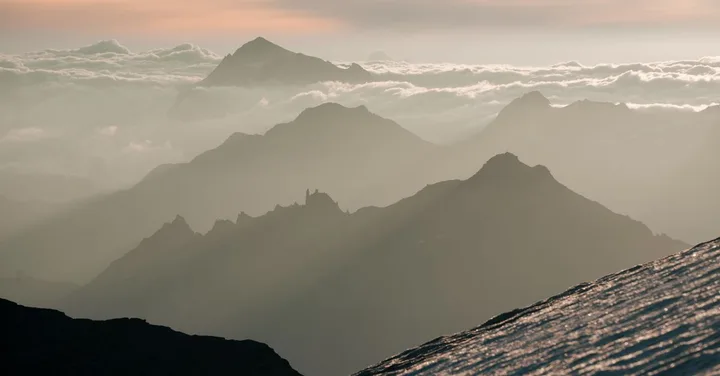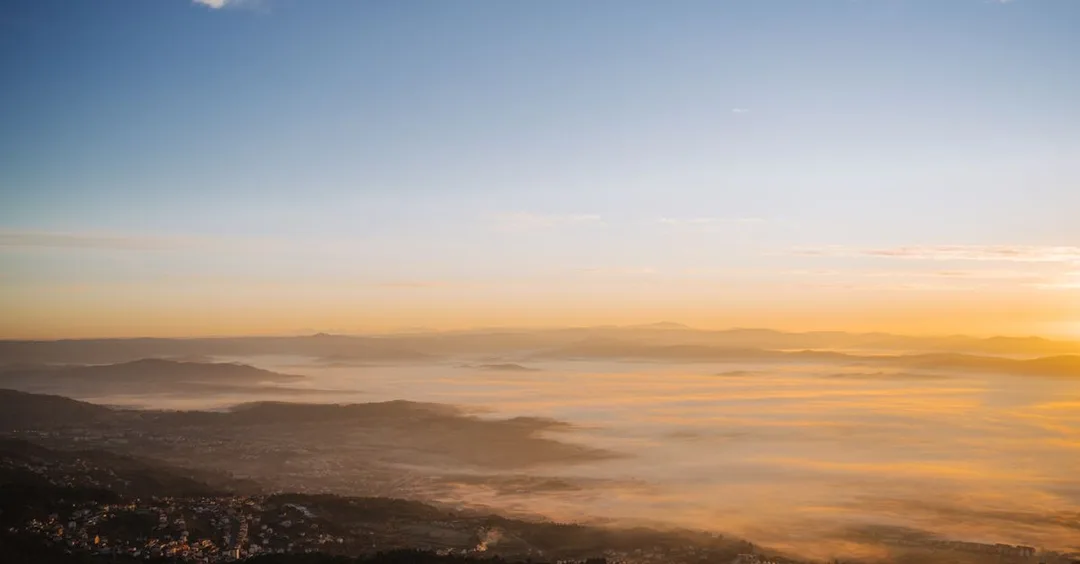
You're standing on a ridge above Pelling at 6 AM, wrapped in a fleece that smells faintly of last night's woodsmoke, and Kangchenjunga is right there, filling the entire horizon in shades of rose and gold. No fence. No viewing platform with a hundred tourists jostling for space. Just the mountain, the silence, and the distant sound of prayer flags snapping in the wind. This is Sikkim, and no photograph has ever done it justice.
Sikkim Tour Packages 2026 for Indian Travellers: What You Actually Get
Let's be straight with you: Sikkim is not just another hill station. It's a sovereign kingdom-turned-state that still feels like its own world. The monasteries here are working spiritual centres, not photo-ops. The villages serve home-fermented tongba and momos that bear no resemblance to what you get at a Delhi food court. And the landscape shifts so dramatically, from subtropical forests in the south to high-altitude meadows in the north, that you genuinely feel like you're passing through different countries in a single day.
For Indian travellers, Sikkim also has a practical advantage: no international visa headaches, direct connectivity via Bagdogra or the newer Pakyong Airport, and a strong network of homestays and boutique hotels that offer real value at different price points.
What makes Sikkim Himalayan Tour Packages with Safari Sutra different from booking a generic itinerary online is the ground-level detail. We know which monastery has the best butter lamp ceremony at dusk, which roads wash out in late July, and which homestay family in Lachen makes the kind of dal that you'll think about for months. That's not a sales pitch. That's 12 years and 15,000+ trips talking.
A well-designed Sikkim trip in 2026 typically spans 6 to 9 days and covers at least three zones: Gangtok and East Sikkim, the Pelling and Ravangla belt in the West and South, and North Sikkim if you want to go deeper. You'll need Protected Area Permits for North Sikkim, which we organise for you.
Best Time to Visit (Month-by-Month, Honest)
March to May is the best window, full stop. Rhododendrons are in full bloom, the mountain views are sharp, and the weather is cool but not biting. April in Sikkim is one of those months that genuinely feels blessed. If you want to experience the Pang Lhabsol festival, which celebrates Kangchenjunga as a protective deity, it falls in August or September depending on the lunar calendar.
June to August is monsoon season. The rain is heavy, the roads can be unpredictable, and some routes to North Sikkim get cut off entirely. That said, the forests turn an almost unreal shade of green, and if you don't mind slower travel and the occasional detour, you'll find prices lower and crowds almost nonexistent. Just build in buffer days.
September to November is the other sweet spot. Post-monsoon skies are crystal clear, Kangchenjunga emerges in its full glory, and the rhododendron leaves turn amber. October is particularly good for trekking. The Incredible India tourism board lists Sikkim among its top mountain destinations, and October is when you see exactly why.
December to February brings snow at higher elevations. Lachen and Lachung are often snowbound. If you want that alpine winter aesthetic, this is your season, but North Sikkim may be inaccessible and some hotels reduce services. Go in with realistic expectations.
Top Experiences You Can't Miss
Rumtek Monastery and the Kagyu Lineage
Rumtek is the largest monastery in Sikkim and the home-in-exile of the Kagyu lineage of Tibetan Buddhism. Go on a morning when monks are chanting in the main hall. The drone of the gyaling horns, the smell of juniper incense, the low golden light through butter lamps, it settles something in you that city life tends to unsettle.
Gurudongmar Lake (North Sikkim)
At 17,100 feet, Gurudongmar is among the highest lakes in the world and holds deep significance for both Hindus and Buddhists. The water is a vivid, unearthly blue-green. The air is thin. Your brain moves a little slower. Go early in the day, acclimatise properly in Lachen the night before, and take it slowly. This is not a place to rush.
Yumthang Valley and Zero Point
Yumthang in spring looks like someone scattered wildflowers across an entire valley floor. The Teesta River runs along the edge. Zero Point, further up, is often snow-covered even in May and gives you that Himalayan-edge-of-the-world feeling. It's cold, it's raw, and it's real.
Pelling and the Kangchenjunga View
Pelling in West Sikkim sits at around 7,200 feet and offers what is possibly the most direct, unobstructed view of Kangchenjunga you can get without trekking for a week. The skywalk at Pelling is genuinely fun, but wake up at 5:30 AM and just stand on your hotel balcony first. That's the real show.
The Khangchendzonga National Park Trek
This UNESCO World Heritage Site is the entry point for serious Himalayan trekking in Sikkim. The Dzongri Trek, which takes you to about 13,000 feet over 6 to 7 days, rewards you with panoramic views that stretch across multiple ranges. Permits are needed, guides are mandatory, and the experience is worth every bit of the effort.
Rumtek to Ravangla: The Monastery Trail
The southern belt of Sikkim, particularly around Ravangla and Namchi, has a string of smaller monasteries, the Char Dham complex at Solophok Hill, and the Temi Tea Garden, where you can walk through rows of tea plants and drink a fresh brew with the mountains behind you. This part of Sikkim is often skipped, and it shouldn't be.
Safari Sutra Package Options and Prices in INR
We've structured our Sikkim packages to reflect how real travellers actually want to move through the state. These are per-person prices based on twin sharing, including accommodation, transport, permits and a local guide. Flights are separate.
Classic Sikkim Explorer (6 nights / 7 days)
Gangtok (2 nights) + Lachung and Yumthang (2 nights) + Pelling (2 nights). Good-quality hotels, AC transport, English-speaking guide, all permits. Starting from approximately Rs. 28,000 per person.
Premium Sikkim Circuit (8 nights / 9 days)
Adds North Sikkim with Gurudongmar Lake, and Ravangla in the south. Boutique properties and upgraded hotels throughout. Starting from approximately Rs. 45,000 per person. This is the one most of our repeat clients choose.
Sikkim Highlights for Families (6 nights / 7 days)
Designed for families with children, this covers Gangtok, Tsomgo Lake, Yumthang and Pelling with accommodation suited for families, a family-friendly pace and no trekking above 12,000 feet. Starting from approximately Rs. 32,000 per person (with child discounts available).
Sikkim Trekking Special (8 nights / 9 days)
The Dzongri Trek combined with time in Gangtok and North Sikkim. Includes camping, trek guide, porters, all meals on trek and pre and post-trek hotel stays. Starting from approximately Rs. 55,000 per person.
Bespoke Sikkim (Fully Custom)
You tell us what matters to you. Monasteries and photography? Birding and botany? Homestays over hotels? We build it around your interests. Pricing on request, typically starting from Rs. 40,000 per person for a 7-day trip with premium inclusions.
Reach out to Plan Your Trip with Safari Sutra to get a quote that matches your actual travel dates and group size.
Getting There: Flights from India
The most common route is to fly into Bagdogra Airport (IXB) in West Bengal, which is well connected to Delhi, Mumbai, Kolkata, Bengaluru and Hyderabad. From Bagdogra, it's roughly a 4-hour drive to Gangtok through the Teesta Valley. The drive itself is beautiful, especially the stretch along the Teesta River.
Pakyong Airport (PYG), located about 30 km from Gangtok and inside Sikkim itself, has been operational for a few years now with limited connectivity, primarily to Kolkata. Check availability when you're planning because direct flights into Pakyong save significant road time.
Round-trip flights from Delhi to Bagdogra typically range from Rs. 5,000 to Rs. 12,000, depending on how early you book and the time of year. From Mumbai, expect Rs. 8,000 to Rs. 16,000. Booking 60 to 90 days out usually gets you the better fares.
New Jalpaiguri (NJP) railway station in Siliguri is another good option if you prefer train travel. Several overnight trains from Delhi and Kolkata connect to NJP, and our teams can arrange road transfers from there.
Visa, Vaccinations and Practical Prep
Indian nationals do not need a visa for Sikkim. However, for certain restricted zones, specifically North Sikkim, you need an Inner Line Permit (ILP) and a Protected Area Permit (PAP). These are issued in Gangtok at the Sikkim Tourism office, and we handle the paperwork for all Safari Sutra clients so you don't waste a morning in a queue.
Foreign nationals need a Restricted Area Permit, which is obtained through the Ministry of Home Affairs or through a registered tour operator. If you're travelling with a non-Indian partner or family member, plan this in advance.
No special vaccinations are required for Sikkim, but if you're going above 12,000 feet, altitude sickness is a real consideration. Acclimatise properly in Gangtok or Lachen before going higher. Drink water constantly, avoid alcohol on day one, and don't rush upward. Diamox (acetazolamide) is available at pharmacies and some travellers use it preventively. Consult your doctor before the trip.
A few practical things worth knowing: mobile data is patchy in North Sikkim, so download offline maps before you leave Lachen. BSNL tends to work where private networks don't. Carry cash because ATMs beyond Gangtok can be unreliable. And the weather changes quickly at altitude, so layer up even in April.
Frequently Asked Questions
Q: Is Sikkim safe for solo women travellers?
Yes, Sikkim consistently ranks among the safest states in India for women travelling alone. The local culture is deeply respectful and the towns are well-lit and walkable. Having a good local guide, which we always include in our packages, adds an extra layer of comfort and practical help.
Q: Can I visit North Sikkim independently without a tour operator?
Technically yes, but it's complicated. You need permits that require a registered operator's countersignature in some cases, and the roads to North Sikkim require a local driver familiar with the terrain. Practically speaking, going with a structured trip saves significant hassle and time.
Q: How fit do I need to be for the Dzongri Trek?
You should be able to walk 5 to 7 hours a day on uneven terrain. You don't need mountaineering experience, but prior hill trekking helps. We recommend doing a few day hikes in the months before your trip if you're not regularly active. Altitude fitness is more about acclimatisation than gym fitness.
Q: What's the food situation, especially for vegetarians?
Sikkim is genuinely good for vegetarians. Tibetan and Nepali cuisine has plenty of vegetarian options: thukpa, veg momos, dal, rice, saag. Most restaurants in Gangtok and Pelling have decent menus. In North Sikkim homestays and camps, meals are simple but filling, usually dal-rice or Maggi with local greens. Jain food with advance notice is possible in most organised camps.
Q: Is Sikkim good for families with young children?
It's an excellent family destination, with a couple of caveats. Don't take children under 10 to altitudes above 12,000 feet. Gurudongmar Lake and Zero Point are too high and too cold for young kids. But Gangtok, Pelling, Yumthang and Tsomgo Lake are all manageable and genuinely exciting for children. The family package we've structured keeps this balance in mind.
Q: What's the best way to experience Buddhist culture in Sikkim without being disrespectful?
Dress modestly when visiting monasteries, cover your shoulders and knees, and remove shoes before entering prayer halls. Don't point your feet toward altars or statues. Ask before photographing monks, especially during ceremonies. Go with a guide who knows the context and can explain what you're seeing. It transforms a visit from tourism into something that actually stays with you.
Q: What's the ideal duration for a first Sikkim trip?
Seven to nine days is the right range. Six days is possible but you'll feel rushed. Ten or more days works if you want to trek or go deeper into the south. A week gives you enough time to absorb Gangtok, reach North Sikkim, and cross into West Sikkim for Pelling without constantly watching the clock.
Plan Your Sikkim Tour Packages 2026 Trip with Safari Sutra
Sikkim rewards the traveller who goes in with good information and a flexible spirit. It's a state where a clear morning can give you one of the most powerful mountain views in Asia, where a monastery visit at the right hour feels genuinely spiritual, and where the food and warmth of its people make you want to come back.
After 12 years and 15,000+ trips, we've found the biggest difference between an average trip and a great one is guide quality and the timing of your experiences. In Sikkim, that means the right local driver for the North Sikkim roads, a guide who knows when the butter lamps are lit at Rumtek, and an itinerary that doesn't try to cram seven experiences into each day. These are things Safari Sutra Holidays gets right for every single client.
Our Sikkim Himalayan Tour Packages are built for travellers who want the real thing, not a checklist. Whether you're planning a family trip, a solo mountain escape, or a proper trekking adventure, we'll put together something that fits your pace, your budget, and what actually matters to you.
Ready to start planning? Contact Safari Sutra Holidays and we'll handle everything.

Safari Sutra Team
Travel curators with 13 years of experience planning Indian and international holidays — from safari adventures to island escapes.
View All Posts