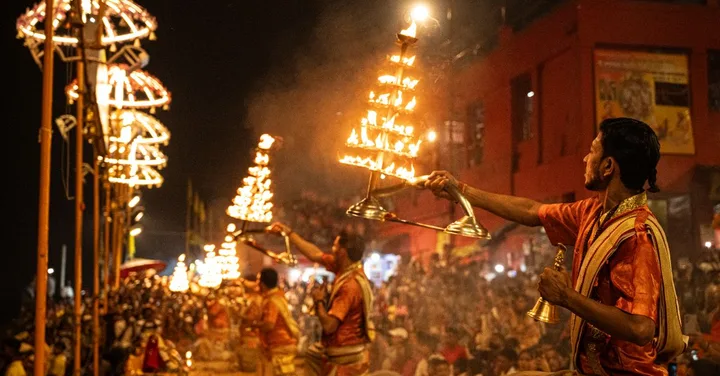
The bells haven't stopped since 5 AM. You're standing barefoot on cold marble, the Arabian Sea just visible between the carved spires of Dwarkadhish Temple, and the smell of fresh marigolds and camphor is so thick it feels like a physical thing. Around you, an elderly couple from Rajasthan is in tears. A family from Chennai is singing. A solo traveller from Pune is just standing still, eyes closed. This is Dwarka on a winter morning, and whether you're deeply religious or simply spiritually curious, something in your chest shifts.
In This Guide
- Dwarka and Somnath Gujarat for Indian Travellers: What You Actually Get
- Best Time to Visit (Month-by-Month, Honest)
- Top Experiences You Can't Miss
- Safari Sutra Package Options & Prices in INR
- Getting There: Flights from India
- Visa, Vaccinations & Practical Prep
- Frequently Asked Questions
- Plan Your Dwarka and Somnath Gujarat Trip with Safari Sutra
Somnath, just 230 kilometres down the coast, hits differently. The first Jyotirlinga, destroyed and rebuilt twelve times across history, now stands so close to the sea that during the evening aarti, the sound of waves crashes right into the sound of chanting. It's raw. It's real. And it's one of those places that stays with you long after you've flown home.
Dwarka and Somnath Gujarat for Indian Travellers: What You Actually Get
This isn't a temple-hopping checklist trip. The Dwarka-Somnath corridor is one of India's most spiritually charged stretches of coastline, and it rewards travellers who give it proper time and proper planning.
Dwarka is one of the four sacred dhams of Hinduism, a Char Dham pilgrimage site that draws millions of devotees annually. The main Dwarkadhish Temple dates back over 2,500 years in its earliest form, though the current structure was largely built in the 16th century. Offshore, Bet Dwarka (also called Shankhodhar) is said to be where Lord Krishna actually lived, and the boat ride there at dawn is worth the early wake-up alone.
Somnath sits at the meeting point of three rivers, the Hiren, Kapila, and Saraswati, and the temple's location on the Prabhas Patan coast gives it an almost cinematic quality. The Incredible India website lists Somnath among the country's most significant pilgrimage sites, and the evening Sound and Light show tells the story of the temple's destruction and revival across centuries in a way that genuinely moves people.
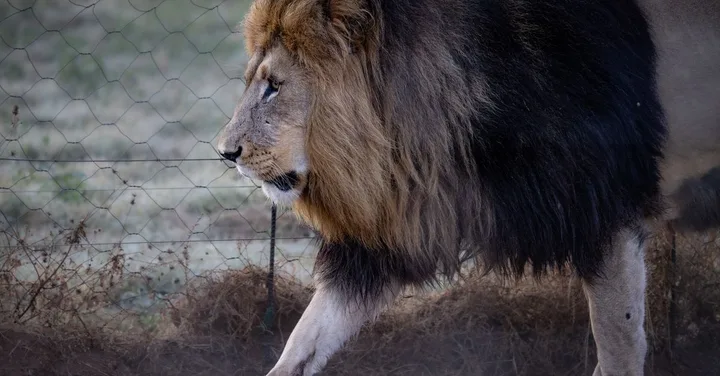
Beyond the temples, Gujarat gives you the Gir Forest (home to the last wild Asiatic lions), the stunning Rann of Kutch, and a food culture that will have you rethinking everything you thought you knew about vegetarian cooking. If you're planning to see more of the state, our Gujarat Heritage & Wildlife Tour combines the pilgrimage circuit with Gir National Park and some of Gujarat's more under-explored corners.
The travellers who love this trip most are families doing a multi-generational pilgrimage, solo spiritual seekers, and curious premium travellers who want cultural depth alongside comfort. It's not a beach holiday or an adventure trip. It's something quieter and more lasting than that.
Best Time to Visit (Month-by-Month, Honest)
October to February is the sweet spot. Temperatures along the Saurashtra coast are pleasant (20 to 28 degrees Celsius), the sea is calm, and the morning and evening aartis feel magical in the cool air. This is peak season, so book accommodation at least 6 to 8 weeks ahead, especially around Kartik Purnima (October-November) when Dwarka sees massive crowds.
March and April are still manageable, but temperatures start climbing toward 35 degrees. The crowds thin out slightly, which some travellers prefer.
May and June are genuinely tough. Coastal Gujarat in peak summer is hot and humid, touching 40 degrees. Not recommended unless you have a very specific reason to go.
July to September brings the monsoon. The Arabian Sea gets rough, boat services to Bet Dwarka are often suspended, and roads can flood. That said, the temples look dramatic in the rain, and if you're a photographer or someone who likes experiencing places without tourists, late September can be surprisingly beautiful.
For most Indian travellers flying in from Mumbai, Delhi, or Ahmedabad, November through January is the call. Book early, especially around Diwali and Makar Sankranti.
Top Experiences You Can't Miss
-
Mangala Aarti at Dwarkadhish Temple - Starts around 6:30 AM and it's worth every minute of the early alarm. The temple fills with devotees, the brass lamps swing in the dark, and the chanting reverberates off 700-year-old stone. Photography inside is restricted, so leave your phone in your pocket and just be present.
-
Boat ride to Bet Dwarka - A short 30-minute ferry from Okha jetty drops you at this island temple where Krishna is believed to have resided. Go early before the afternoon heat and crowds. The local fishermen's boats bobbing alongside the ferries make for a lovely, unhurried scene.
-
Somnath Evening Aarti and Sound & Light Show - The aarti at sunset with the sea directly behind the temple is genuinely something. The Sound and Light show runs in Hindi and English on alternating evenings, and it contextualises the temple's history in a way that the guidebooks don't.
-
Rukmini Devi Temple - About 2 kilometres from Dwarkadhish, this smaller temple dedicated to Krishna's consort is far less crowded and architecturally exquisite. Most day-trippers skip it. Don't.
-
Gopi Talav - A small lake about 20 kilometres from Dwarka associated with the legend of the gopis. It's quiet, off the main circuit, and surrounded by a peaceful landscape that feels like the Gujarat of a hundred years ago.
-
Somnath Beach - Not a swimming beach, but a beautiful place to sit and watch the sea after the morning aarti. The waves here are powerful and the horizon feels genuinely endless.
Safari Sutra Package Options & Prices in INR
These are real packages, not teaser prices. All include accommodation, transfers, guide, and temple visits as noted.
Classic Pilgrimage, 3 Nights/4 Days
Covers Dwarka, Bet Dwarka, and Somnath with comfortable 3-star accommodation. Good for budget-conscious families who want the core experience done properly.
Approx. INR 18,000 to 22,000 per person (twin sharing, excluding flights)
Comfort Circuit, 4 Nights/5 Days
Adds Rukmini Devi Temple, Gopi Talav, and a guided evening at Somnath. 4-star hotels, private AC vehicle throughout, and a knowledgeable local guide who can explain the mythology in context.
Approx. INR 28,000 to 35,000 per person (twin sharing, excluding flights)
Premium Pilgrimage, 5 Nights/6 Days
The full experience. Includes early morning VIP darshan access at Dwarkadhish, a sunset cruise near Bet Dwarka, premium 4-star/boutique stays, and add-on options for Porbandar (Gandhi's birthplace) or a day at Gir Forest.
Approx. INR 48,000 to 60,000 per person (twin sharing, excluding flights)
Family Special (4 Nights/5 Days, min. 4 people)
Designed for multigenerational families with older parents and children. Includes wheelchair-accessible vehicles where needed, flexible pacing, and a guide who is patient with diverse group needs.
Approx. INR 25,000 to 30,000 per person (twin sharing, excluding flights)
Prices vary by season and hotel availability. Contact us for a custom quote.
Getting There: Flights from India
The nearest airport to Dwarka is Jamnagar Airport, about 145 kilometres away. IndiGo and Air India operate regular flights from Mumbai (roughly 1 hour) and Delhi (around 2 hours with a connection). Fares from Mumbai start around INR 3,500 to 6,000 one-way depending on how far in advance you book.
Alternatively, fly into Rajkot Airport (190 kilometres from Dwarka) or Porbandar Airport (100 kilometres from Somnath), both well-connected to Mumbai and Ahmedabad.
From Ahmedabad, many travellers prefer the overnight train. The Saurashtra Mail and Okha Express are reliable options that drop you close to Dwarka, and the train journey through the Saurashtra plains at dawn is its own small pleasure.
Visa, Vaccinations & Practical Prep
This is a domestic trip, so no visa is needed. A few practical things worth knowing:
- Temple dress code: Both Dwarkadhish and Somnath temples require modest clothing. No shorts, sleeveless tops, or revealing clothes. A dupatta or stole for women is helpful. Footwear is removed at temple entrances, so carry a small bag for your shoes.
- Mobile phones: Photography is restricted inside the main shrines. Respect this rule, it's enforced.
- Cash: Many of the smaller temple towns are not fully UPI-optimised for all services, especially older dharamshalas and local vendors. Carry some cash.
- Vaccinations: No specific vaccinations required for Gujarat. Standard precautions apply.
- Water: Stick to bottled or filtered water. Street food in Gujarat is generally safe and utterly delicious, but be sensible in summer months.
- Accommodation: Book well ahead for November through January, especially around religious festival dates.
Frequently Asked Questions
Q: How many days do I actually need for Dwarka and Somnath together?
Four nights and five days is the comfortable minimum if you want to do both places properly without feeling rushed. Three nights is doable but you'll be moving fast. If you have the time, five or six days lets you add Bet Dwarka, Rukmini Devi Temple, and maybe a morning at Gir.
Q: Is this trip suitable for elderly parents or grandparents?
Yes, with the right planning. Both temple complexes have improved their accessibility significantly in recent years. You'll want a private vehicle rather than shared transport, and it helps to have a guide who understands the pace needed for older travellers. Our Family Special package is specifically designed with this in mind.
Q: What's the difference between Dwarka and Bet Dwarka?
Dwarka is the main city with the Dwarkadhish Temple, on the mainland. Bet Dwarka (or Beyt Dwarka) is a small island about 3 kilometres offshore from Okha, accessible by ferry. It's considered the place where Krishna actually lived, and the temple there has a more intimate, less touristy feel than the main shrine.
Q: Can non-Hindus visit the temples?
Dwarkadhish Temple and Somnath Temple are both open to all, regardless of religion. You're expected to dress modestly and remove footwear. Some inner sanctums may have specific access rules depending on the time and ongoing rituals, your guide will advise on the day.
Q: Is Gujarat vegetarian-only? Will I struggle with food?
Gujarat is predominantly vegetarian and the food is extraordinary. Think dal dhokli, undhiyu, fafda-jalebi for breakfast, and thalis that just keep coming. If you eat meat, options are limited in smaller towns along this route, so manage expectations. For most Indian travellers, this is a non-issue and actually a highlight.
Q: What's the Sound and Light show at Somnath like? Is it worth staying for?
Very much yes. The show runs for about 45 minutes after sunset and covers the temple's history across twelve destructions and reconstructions. It's in Hindi on most evenings (English on select nights, check the schedule when you arrive). The backdrop of the illuminated temple against the dark sea makes it genuinely powerful.
Q: Should I book VIP darshan or go through the regular queue?
At Dwarkadhish during peak season, regular queues can run 2 to 3 hours. VIP darshan cuts this significantly. Safari Sutra Holidays arranges priority access for premium clients, and it's one of those things you'll be grateful for when you're standing in front of the deity for a proper moment rather than being shuffled through in 30 seconds.
Plan Your Dwarka and Somnath Gujarat Trip with Safari Sutra
After 12 years and 15,000+ trips across India and beyond, the team at Safari Sutra Holidays has planned enough pilgrimage routes to know what separates a genuinely moving trip from a stressful one. It comes down to guide quality and timing, whether that's catching the mangala aarti at first light or knowing exactly when to arrive at Somnath so the crowds clear just before the evening show. These are the things we get right for every traveller we send on this route.
This is one of those trips that people come back from changed in some small way. Not because the temples demand it, but because the combination of history, faith, sound, and sea does something to you. Plan it well, give it enough time, and go with someone who knows the route.
Ready to Plan Your Trip?
Safari Sutra Holidays — 13 years, 15,000+ trips, zero cookie-cutter itineraries.
Get Your Free Custom Quote →+91 9860415774 | hello@thesafarisutra.com

Safari Sutra Team
Travel curators with 13 years of experience planning Indian and international holidays — from safari adventures to island escapes.
View All Posts