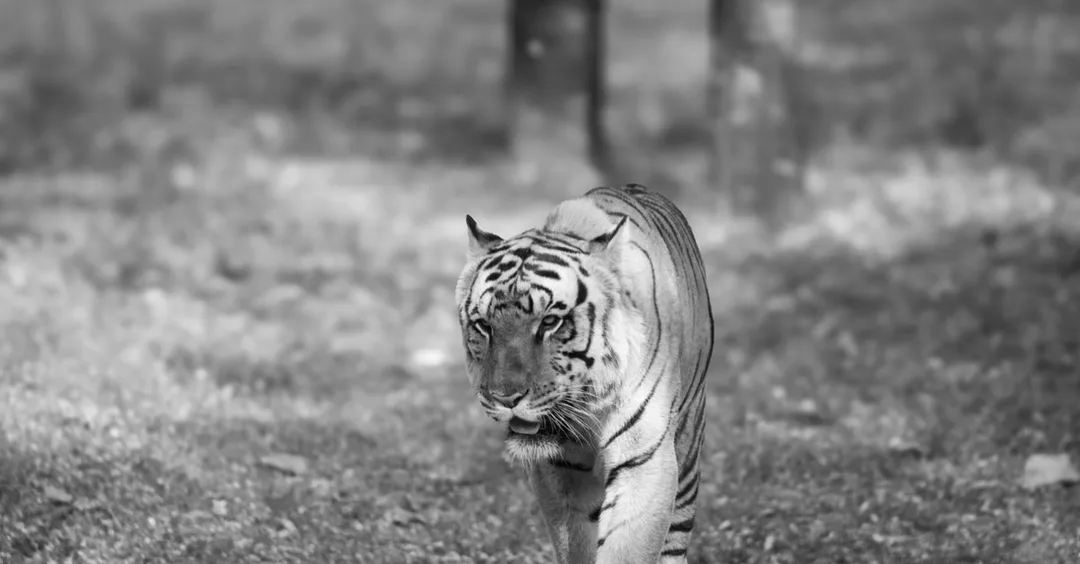
Both are incredible. Both have tigers. Both will leave you staring at the ceiling at 3am replaying what you saw. So why does this choice feel so hard?
In This Guide
- At a Glance: Side-by-Side Comparison
- Wildlife and Landscape: What's Different
- Best Time: When to Choose Each
- Experience for Indian Travellers: Accessibility, Crowds, Language
- Cost Comparison in INR (Same Trip Duration)
- Verdict: Which One Should You Book First?
- Frequently Asked Questions
- Can't Decide? Talk to Safari Sutra
Here's the truth: Kanha and Bandhavgarh are genuinely different experiences, and the "better" one depends entirely on what you're after. One rewards patience and wide-open landscapes. The other delivers raw, concentrated wildlife action. Picking the wrong one isn't a disaster, but picking the right one? That's the difference between a good trip and one you'll be talking about for years.
Let's sort this out properly.
At a Glance: Side-by-Side Comparison
Feature Kanha Bandhavgarh Size 940 sq km core zone 105 sq km core zone Tiger density Lower, but high quality sightings Highest in India Landscape Meadows, sal forests, rolling hills Dense forests, rocky terrain Best for Barasingha, leopard, wild dog, immersive drives Tiger sightings, quick wins Nearest airport Jabalpur (160 km) Jabalpur (200 km) or Umaria (30 km) Crowd level Moderate Higher in peak season Wildlife variety Very high Tiger-focused Ideal trip length 3-4 nights minimum 2-3 nights works Vibe Slow, immersive, exploratory High-energy, tiger-focusedBoth fall under the brilliant circuit covered by our Madhya Pradesh Wildlife & Heritage Tours, which means you can combine them into one trip if you have the time.
Wildlife and Landscape: What's Different
This is where Kanha and Bandhavgarh truly split into separate personalities.
Kanha is big, open, and cinematic. The meadows, called maidans locally, stretch out like a wildlife film set. This is one of the only places in India where you can still see the barasingha, the hard-ground swamp deer that was nearly extinct and was brought back from the brink specifically here. When you spot a herd of barasingha grazing at golden hour against a backdrop of sal forest, it hits different. Kanha's tigers are present and regularly sighted, but you earn them. Drives can cover 20-25 km, which means more time reading pugmarks, listening to alarm calls from cheetal deer, and getting a feel for how a wild forest actually works. Leopards are seen here with decent frequency. Wild dogs, or dholes, often hunt in packs and are one of the most exciting sightings in Indian wildlife.
Bandhavgarh is compact, dense, and almost overwhelming in its tiger productivity. The park sits over the ruins of an ancient fort, and tigers have claimed this landscape so thoroughly that the reserve has one of the highest tiger densities of any park in the world. The forests are thicker, the terrain more broken, and sightings often happen at close quarters. This is where you come if seeing a tiger is non-negotiable and you want it to happen fast. Sightings here can be extraordinary: tigers walking down roads, mothers with cubs at waterholes, males patrolling territory boundaries. The tradeoff is that the park's smaller size means game drives cover less variety, and the forest doesn't have Kanha's sweeping meadow drama.
Incredible India recognises both parks as among the finest wildlife destinations in the country, and internationally, wildlife photographers treat both as serious destinations. But for most Indian travellers, the distinction is simpler: Kanha is the landscape park with tigers. Bandhavgarh is the tiger park with a landscape.
Best Time: When to Choose Each
The short answer: October to March is the sweet spot for both. But there are nuances worth knowing.
Kanha opens in mid-October after monsoon and the forest emerges washed clean and green. November to February is cool, comfortable, and wildlife is active. March to May, before the summer closure, is actually excellent for tiger sightings because vegetation thins and animals concentrate around water sources. If you're visiting in April or May, Kanha can handle the heat better than many parks because its open meadows catch the breeze. The park closes from July 1 to October 15.
Bandhavgarh follows similar opening dates but heats up faster and harder in April-May because the forest is denser. That said, May sightings at Bandhavgarh can be spectacular precisely because every animal is pinned to a waterhole. October and November are glorious, with post-monsoon greenery and active tigers. December and January are the coldest months, with early morning temperatures dropping to 5-8 degrees Celsius in both parks, so pack a proper jacket.
If you're planning around school holidays, the October-November window is the ideal time to do both parks in one circuit.
Experience for Indian Travellers: Accessibility, Crowds, Language
Here's where things get practical, and this matters more than most travel articles admit.
Getting there:
Both parks are most easily accessed via Jabalpur. Flights from Delhi take about 1.5 hours and from Mumbai around 1.75 hours. Jabalpur to Kanha is roughly a 3.5-hour drive through genuinely scenic Madhya Pradesh countryside. Jabalpur to Bandhavgarh is about 4 hours, or you can take a train to Umaria, which is just 35 km from the park gate.
If you're combining both parks, most people do Kanha first, then drive across to Bandhavgarh (about 5-6 hours between the two). It's a long day but completely doable, and the drive passes through rural MP, which is itself interesting.
Language and local ease:
This is a real advantage for Indian travellers. Hindi works everywhere in both parks. Your naturalist-guides, jeep drivers, lodge staff, and local vendors are all Hindi-speaking, so if you want to ask detailed questions about wildlife or local history, the conversation can actually go deep. This is something international travellers don't always get.
Crowds:
Bandhavgarh is more crowded, especially from November to February. The core zone is small and the number of permitted jeeps is limited, but popular zones like Tala can feel busy on peak weekends. Kanha handles volume better simply because it's much larger. If crowd-free game drives matter to you, Kanha wins here.
Family travel:
Both parks work well for families. Kanha's longer drives might test younger children's patience, but the barasingha herds and open landscape give you more to look at in between sightings. Bandhavgarh's faster tiger action holds attention better for kids.
Cost Comparison in INR (Same Trip Duration)
Let's compare a 3-night trip for two adults, staying at a solid mid-range lodge with morning and evening game drives included.
Kanha (3 nights, 2 adults, mid-range lodge):
- Lodge including meals and two daily safaris: approximately Rs 35,000 to Rs 55,000 total
- Government safari fees (per jeep, per drive): Rs 4,000 to Rs 6,000 per drive
- Flights Delhi/Mumbai to Jabalpur (return): Rs 6,000 to Rs 12,000 per person depending on season
- Rough total per couple: Rs 70,000 to Rs 1,00,000
Bandhavgarh (3 nights, 2 adults, mid-range lodge):
- Lodge including meals and two daily safaris: approximately Rs 30,000 to Rs 50,000 total
- Government safari fees: similar range to Kanha
- Flights to Jabalpur or train to Umaria: similar range
- Rough total per couple: Rs 65,000 to Rs 95,000
The cost difference between the two is marginal when you're comparing like-for-like. Premium lodges exist at both parks and can push the budget to Rs 2.5 to Rs 4 lakh per couple for three nights. What changes the cost more than the choice of park is the quality of lodge you pick. Budget stays exist but are not recommended if wildlife is your priority, because the best lodges have the best guides, and guide quality is everything.
After 12 years and 15,000+ trips, we at Safari Sutra Holidays have found the biggest difference between an average wildlife trip and a great one is guide quality and game drive timing. These are things we get right for every client, regardless of budget range.
Verdict: Which One Should You Book First?
Here's where we stop hedging and give you a straight answer.
Book Bandhavgarh first if:
- You've never seen a tiger in the wild and want the highest probability of a great sighting on your first trip
- You have only 2-3 nights and want concentrated action
- You're taking kids or parents for whom "did we see a tiger?" is the measure of success
- You want a shorter, sharper wildlife experience before committing to a longer trip
Book Kanha first if:
- You've already ticked the tiger box and want depth, variety, and a full wildlife experience
- You want beautiful landscape as much as you want wildlife
- You have 4+ nights and the patience to appreciate a slower, more exploratory drive
- Wildlife photography is a serious priority for you, because the meadow light at Kanha is extraordinary
Best answer of all: Do both in one trip. A 6-night circuit, three nights each, is absolutely manageable from Delhi or Mumbai and gives you the complete Madhya Pradesh wildlife experience. Safari Sutra Holidays has run this exact itinerary with clients for years, and almost universally, people say it was worth every extra day.
Frequently Asked Questions
Q: Which park has more tiger sightings, Kanha or Bandhavgarh?
Bandhavgarh has statistically higher tiger sighting rates, largely due to its smaller size and higher density of tigers per square kilometre. That said, Kanha sightings are by no means rare. In peak season from March to May, both parks deliver strong sighting rates. If tiger sightings are your primary goal, Bandhavgarh gives you a better shot on a shorter trip.
Q: Can I combine Kanha and Bandhavgarh in one trip?
Yes, and it's actually a great idea. The drive between the two parks takes about 5-6 hours. Most travellers fly into Jabalpur, start with Kanha, drive across mid-trip, and fly out from Jabalpur again or take a train from Umaria. A 6-7 night trip covers both parks comfortably with three nights each.
Q: Which park is better for families with children?
Both work, but Bandhavgarh's quicker, more intense sightings tend to hold children's attention better. Kanha's longer drives through open landscapes are also family-friendly, especially for children who enjoy being outdoors and spotting deer, birds, and jungle life beyond just tigers. Lodges at both parks accommodate families well.
Q: Is the kanha vs bandhavgarh tiger reserve india choice really that different for first-timers?
For a first-time wildlife traveller, Bandhavgarh is the safer pick because it delivers faster. But Kanha offers a broader introduction to Indian forest ecosystems, including the barasingha and wild dog, which are genuinely special. If you have the time, do Kanha on your second trip right after Bandhavgarh. Many people do.
Q: What's the accommodation like at both parks?
Both parks have a wide range from budget guesthouses near the gate to premium jungle lodges inside the buffer zone. The mid-range to luxury options are excellent at both parks, with some properties offering private wildlife drives, naturalist-led walks, and very good food. Kanha has slightly more premium options overall, but Bandhavgarh is catching up fast.
Q: How do I book safaris, and do I need to arrange permits in advance?
Government safari permits for both parks must be booked online through the Madhya Pradesh Forest Department portal, and in peak season from November to February they sell out weeks in advance. If you're booking through a tour operator, they handle this for you, which is strongly recommended because permit availability changes frequently and timing your drives correctly matters.
Q: Is it safe to travel to these parks independently, or should I use a tour operator?
You can travel independently, but the quality difference with a good operator is significant. A knowledgeable, well-connected naturalist guide who knows the zone's tiger territories and knows which waterhole is active that morning will give you a completely different experience than a standard forest department jeep with a driver who is largely guessing. The permit, accommodation, and logistics are also much easier with operator support.
Can't Decide? Talk to Safari Sutra
Ready to Plan Your Trip?
Safari Sutra Holidays — 13 years, 15,000+ trips, zero cookie-cutter itineraries.
Get Your Free Custom Quote →+91 9860415774 | hello@thesafarisutra.com

Safari Sutra Team
Travel curators with 13 years of experience planning Indian and international holidays — from safari adventures to island escapes.
View All Posts