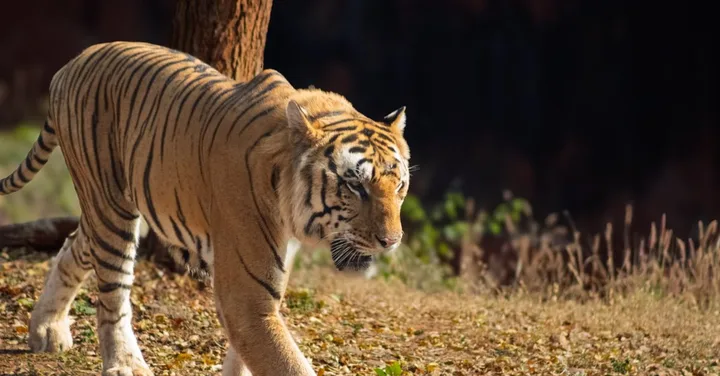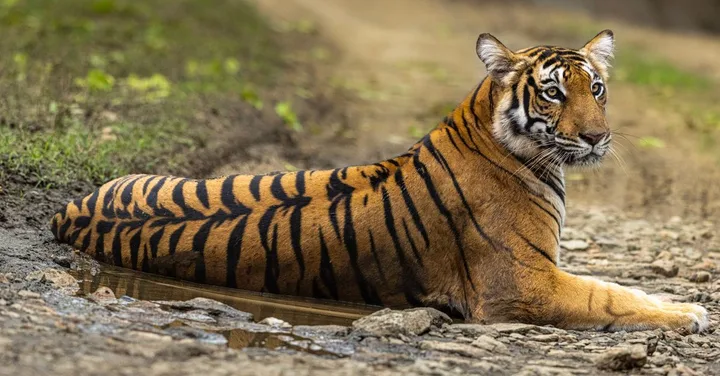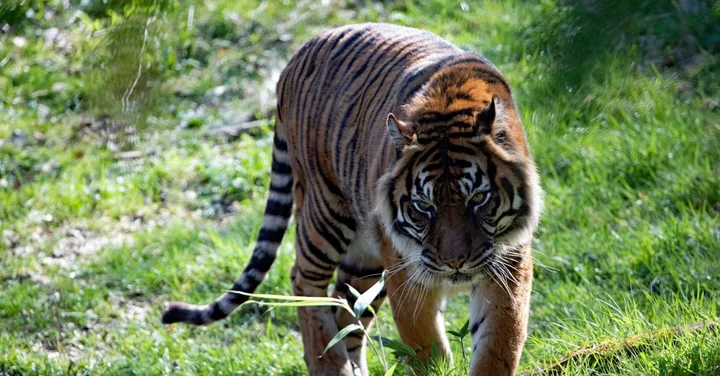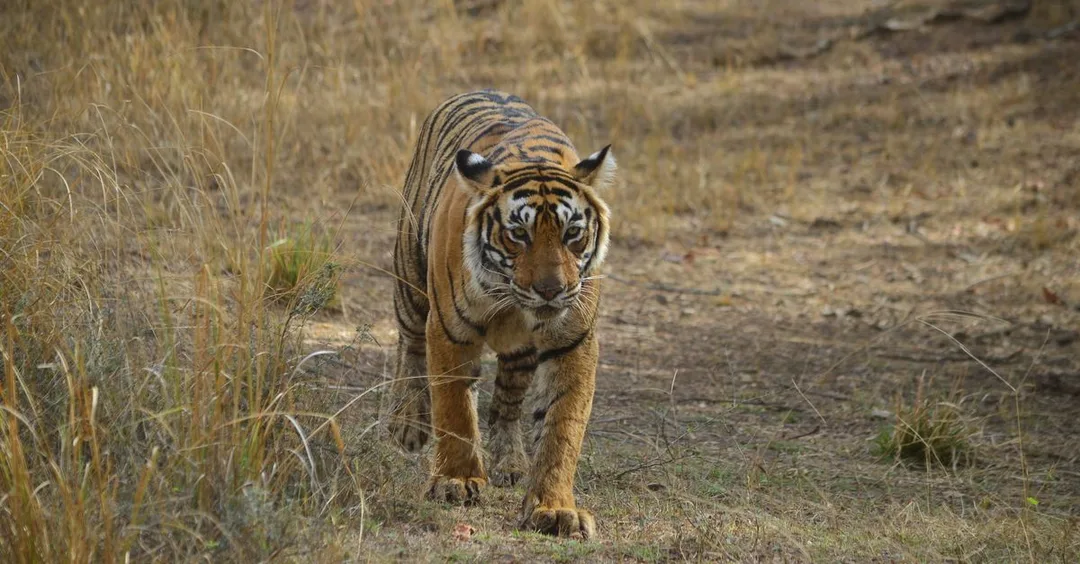
The jeep stops. The guide raises his hand. Everyone holds their breath. Through the dry teak trees, a tigress named Arrowhead moves along the ridge, golden in the early morning light, completely unbothered by your presence. You can hear her paws on the dry leaves. You can smell the dust she kicks up. This is Ranthambore, and nothing you've read, watched, or imagined quite prepares you for that moment.
In This Guide
- Ranthambore Tiger Reserve for Indian Travellers: What You Actually Get
- Best Time to Visit (Month-by-Month, Honest)
- Top Experiences You Can't Miss
- Safari Sutra Package Options & Prices in INR
- Getting There: Flights from India
- Visa, Vaccinations & Practical Prep
- Frequently Asked Questions
- Plan Your Ranthambore Tiger Reserve Trip with Safari Sutra
Ranthambore Tiger Reserve for Indian Travellers: What You Actually Get
Ranthambore sits in Rajasthan's Sawai Madhopur district, roughly 180 kilometres from Jaipur. It covers about 1,334 square kilometres of dry deciduous forest, ancient ruins, and rocky ridges. The landscape is dramatic in a way that feels almost cinematic: crumbling Mughal-era walls disappear into the tree line, crocodiles sunbathe on the banks of Padam Lake, and tigers, remarkably, seem to treat the whole place as their personal estate.
India has around 55 tiger reserves, but Ranthambore has a special reputation. According to Incredible India, it's one of the best places in the country to spot Bengal tigers in daylight, and that claim is backed by years of sighting data. The tigers here are unusually habituated to vehicles. They sit. They stroll. They yawn. You get real time, not just a fleeting glimpse.
What Indian premium travellers often ask us is: "Is it worth the money compared to Kanha or Bandhavgarh?" The honest answer is yes, for different reasons. Ranthambore is easier to reach, the wildlife density is exceptional, and the heritage angle, specifically the 10th-century Ranthambore Fort inside the reserve, adds a layer no other Indian tiger reserve can match. If you're also considering the tiger forests of Madhya Pradesh, check out our guide to Madhya Pradesh Wildlife & Heritage Tours for a proper comparison before you decide.
The reserve is divided into 10 zones. Zones 1 to 5 are the core area and offer the best tiger sighting probability. Zones 6 to 10 are buffer zones, fine for a morning drive but much less reliable for big cats. When you book, this distinction matters enormously.
Zone highlights at a glance:
- Zone 1 (Nalghati): Hilly, dense, good for leopard too
- Zone 2 (Lahpur): Excellent lake views, reliable tiger sightings
- Zone 3 (Rajbagh): Lakes, ruins, the most photographed zone in Ranthambore
- Zone 4 (Lakarda): T-104 territory, consistently productive
- Zone 5 (Anantpura): Tigress T-19 and her lineage; very popular, book early
- Zone 6 onwards (buffer): Good for birding and general wildlife, not for guaranteed tiger sightings
Best Time to Visit (Month-by-Month, Honest)
October to November: The park reopens after the monsoon and the forest is still green. Water is abundant, which spreads animals across the park and makes sightings less predictable. Good for atmosphere and photography. Not peak season for tigers.
December to February: Cool, clear mornings. Tigers are active during the day because the heat isn't pushing them into shade. This is a great time to visit if you're flying from Delhi or Mumbai and want a comfortable trip. Temperatures can drop to 5-7°C at dawn, so carry layers.
March to May: This is the best season for tiger sightings, full stop. Water holes dry up, vegetation thins out, and animals are forced to the few remaining lakes and pools. Tigers are visible for longer periods, often hours. By May, daytime temperatures hit 40°C+, but the payoff in sighting quality is real. If you can handle the heat, the sightings are worth it.
June to September: The park closes during the monsoon. No safaris.
Our honest recommendation after 12 years of booking India wildlife trips: go between March and early May. That's when the serious wildlife photographers go, that's when the sightings are most consistent, and that's when the reserve shows you what it's truly capable of.
Top Experiences You Can't Miss
Morning and Evening Safaris in Core Zones
Each safari slot is 3.5 hours. Morning safaris start before sunrise, around 6 AM, and the golden hour light through the dry forest is extraordinary. Evening safaris start around 2:30 PM and end at dusk. You're assigned a zone by the forest department's allocation system, which has a random element. We factor this in when we book multiple days for you, increasing your probability across different zones.
Ranthambore Fort
Inside the reserve, this UNESCO-recognised fort dates to the 10th century. It's perched on a hilltop and offers sweeping views of the landscape you've just been driving through. Walking its ramparts at dawn, with jungle stretching in every direction and the possibility of a tiger somewhere below, is a properly surreal feeling.
Padam and Rajbagh Lakes
These lakes are the heart of zone 3, and in the dry season they become the gathering point for the entire ecosystem. Marsh crocodiles, Indian skimmers, kingfishers, sambar deer, and yes, tigers drinking in plain sight. Bring binoculars and a longer lens if you have one.
Sloth Bear and Leopard Sightings
People come for tigers and forget that Ranthambore is also one of the better places in Rajasthan to spot sloth bears (especially in the rocky hillside zones) and leopards. Our guides know the exact boulder fields and ridge lines where leopards are regularly seen. These are the kinds of details that separate a solid trip from a genuinely memorable one.
Village Walking and Cultural Excursions
The villages around Sawai Madhopur, especially Sherpur-Khiljipur, give you a window into rural Rajasthan that most tourists skip entirely. Pottery, folk music, local daal-baati-churma, and a pace of life that's a long way from any city. We pair this with at least one evening on most of our multi-day itineraries.
After 12 years and 15,000+ trips, we've found the biggest difference between an average trip and a great one is guide quality and game drive timing. These are things we get right for every Safari Sutra client. A brilliant guide sees the alarm calls from a deer herd 400 metres away and knows to position the jeep before the tiger even moves. A mediocre one drives in circles hoping to get lucky. That difference is invisible in most brochures, but it's everything on the ground.
Safari Sutra Package Options & Prices in INR
All packages include accommodation, safari fees, a naturalist guide, and road/rail transfers from the nearest hub. International-standard lodges and heritage hotels only, because comfort after a 4 AM wake-up genuinely matters.
Tier 1: Ranthambore Weekend Escape
2 nights / 3 safaris / Sawai Madhopur Lodge or similar
Approximately INR 28,000 to 35,000 per person (twin sharing)
Perfect for a first trip or a quick getaway from Delhi or Jaipur.
Tier 2: Classic Ranthambore Tiger Trail
3 nights / 4-5 safaris / Nahargarh Ranthambore or SHER Bagh Tent Camp
Approximately INR 55,000 to 75,000 per person (twin sharing)
The sweet spot for serious wildlife viewing. Covers multiple core zones and includes the fort visit and a village evening.
Tier 3: Ranthambore and Golden Triangle Extension
6 nights / Ranthambore + Jaipur + Agra / Mix of wildlife and heritage
Approximately INR 90,000 to 1,20,000 per person (twin sharing)
Ideal for families, honeymoon couples, or first-time Rajasthan visitors who want to combine tigers with the broader Rajasthan experience.
Tier 4: Ranthambore + MP Wildlife Combo
7-9 nights / Ranthambore + Kanha or Bandhavgarh
Approximately INR 1,40,000 to 1,80,000 per person (twin sharing)
For serious wildlife travellers who want to compare zones and see different tiger habitats. Our Madhya Pradesh Wildlife & Heritage Tours page covers the MP leg in detail.
Tier 5: Exclusive Ranthambore Luxury Camp
3-4 nights / Private camp experience / Aman-i-Khás or Oberoi Vanyavilas
Approximately INR 2,50,000 to 4,50,000 per person (twin sharing)
For those who want genuinely exceptional accommodation alongside the safaris. These properties are special, and the price reflects it honestly.
All prices are indicative for 2025-26 season. Custom quotes depend on travel dates, group size, and room type.
Getting There: Flights from India
By Air: The nearest airport is Jaipur International Airport (JAI), which has direct flights from Mumbai, Delhi, Bengaluru, Hyderabad, and Chennai. From Jaipur, Sawai Madhopur is roughly 3 to 3.5 hours by road or a comfortable train ride.
By Train: The Sawai Madhopur railway station is well connected to Delhi (5-6 hours on the Rajdhani or Shatabdi) and Jaipur (about 2 hours). The Sawai Madhopur station is literally 3 kilometres from the reserve entry. Trains are our preferred recommendation for Delhi travellers, yaar. Comfortable, direct, and you arrive right at the doorstep.
By Road: Driving from Delhi takes 5-6 hours via NH21 (NH-248 old designation). Jaipur to Sawai Madhopur is a clean 3-hour drive. We can arrange airport transfers and road transport as part of any package.
Visa, Vaccinations & Practical Prep
Ranthambore is a domestic destination, so there's no visa requirement for Indian citizens. For international travellers visiting India, a standard Indian e-Visa covers this trip comfortably.
Health and Prep:
- No special vaccinations are required for Ranthambore specifically
- Carry a basic mosquito repellent, especially for dawn and dusk safaris in October-November
- Sun protection is non-negotiable in March to May. Hat, high SPF sunscreen, sunglasses
- Safari vehicles are open-top or gypsies (6-seater jeeps). Dress in neutral, earthy tones. Avoid bright colours, white, and noisy fabrics
- Carry personal medication and a light first aid kit. The nearest decent hospital is in Jaipur
Safari Permits:
Ranthambore's online booking system (through the Rajasthan Forest Department) can be competitive, especially for core zones during peak season. Permits open 90 and 45 days in advance. We handle this for our clients, which is a real advantage when you're trying to secure Zone 3 or Zone 5 on a specific date.
Money and Connectivity:
Sawai Madhopur town is small but has ATMs and UPI works fine. Most lodges accept cards. Mobile connectivity is decent in town but patchy inside the reserve.
Frequently Asked Questions
Q: How many tiger sightings are realistic for a 3-night trip?
In the dry season (March to May), sightings on 4 out of 5 safaris are genuinely plausible in core zones. Even in winter, 2 to 3 sightings over a 3-night trip is a reasonable expectation. Nothing is ever guaranteed in wildlife, but Ranthambore's sighting rates are among the highest of any tiger reserve in India. Being there for multiple safaris across different zones, not just one or two, is what gives you the best shot.
Q: Can we take children on the safari?
Yes. Children above the age of 5 are permitted on safaris in Ranthambore. Most families find the experience fantastic for kids above 8, who can stay still and engaged for the full 3.5-hour drive. Younger children can get restless, which can affect sightings for your vehicle and others. It's your call, but be realistic about your child's temperament before booking.
Q: What's the difference between a gypsy (Jeep) and a canter safari?
A gypsy is a 6-seater open jeep. A canter is a larger 20-seater open bus. Gypsies are faster, quieter, and can manoeuvre into tighter spots. For any premium or serious wildlife experience, book a gypsy, full stop. Canters are cheaper but the experience is significantly more diluted. We only book gypsies for our clients.
Q: Is Ranthambore good beyond just tigers?
Absolutely. Over 300 species of birds have been recorded here, including painted storks, Indian skimmers, crested serpent eagles, and the great hornbill. Sloth bears, leopards, Indian hyenas, marsh crocodiles, jackals, and massive sambar herds are all regular sightings. Even a trip with no tiger would be rich. That said, the tigers are special and most people do see them.
Q: How far in advance should I book?
For peak season (March to May), book your entire trip at least 3 months in advance, because safari permits for core zones go quickly and the better lodges fill up. For winter travel (December to February), 6-8 weeks is workable, though earlier is always better. Don't leave it to 2 weeks before and expect to get Zone 3 on a Saturday morning in April.
Q: Is it better to combine Ranthambore with Jaipur or with an MP wildlife reserve?
Both work, but they serve different travellers. Jaipur or Agra combination is ideal for families, first-time Rajasthan visitors, or international travellers who want culture alongside wildlife. The MP combination (Kanha or Bandhavgarh) is for dedicated wildlife enthusiasts who want to compare habitats and maximize sighting time. Our team can help you figure out which suits your travel style.
Q: What should I pack specifically for a Ranthambore safari?
Light, layered clothing in earth tones (khaki, olive, beige). A warm fleece or jacket for early mornings in winter. Binoculars, a hat, sunscreen, and a refillable water bottle. A camera with a zoom of at least 200mm if you want decent wildlife shots. Leave bright colours, perfumes, and noisy accessories behind. The forest rewards those who blend in and stay quiet.
Plan Your Ranthambore Tiger Reserve Trip with Safari Sutra
Ranthambore is one of those places where the planning genuinely shapes the experience. The right zone on the right day with the right guide is the difference between a decent drive and a moment you'll talk about for years. Safari Sutra Holidays has been building India wildlife itineraries for over 12 years, across every kind of traveller and every kind of budget. We know which camps put you closest to the action, which guides have eyes like hawks, and how to work the permit system so you're not stuck with a buffer zone booking when you wanted core.
Whether you're planning a quick 2-night getaway from Delhi or a 10-day wildlife tour across Rajasthan and MP, we'll put together something that fits you, not a template.
Ready to Plan Your Trip?
Safari Sutra Holidays — 13 years, 15,000+ trips, zero cookie-cutter itineraries.
Get Your Free Custom Quote →+91 9860415774 | hello@thesafarisutra.com

Safari Sutra Team
Travel curators with 13 years of experience planning Indian and international holidays — from safari adventures to island escapes.
View All Posts