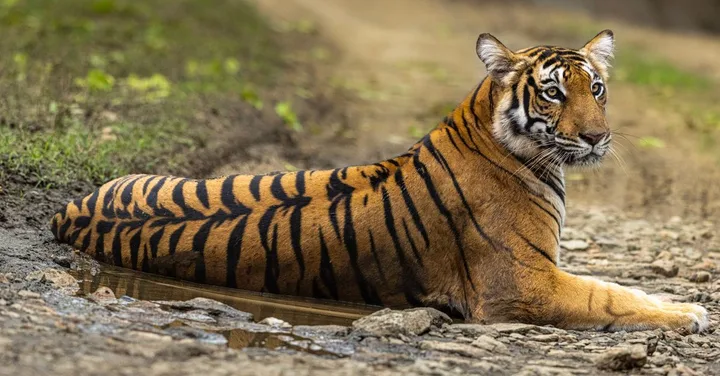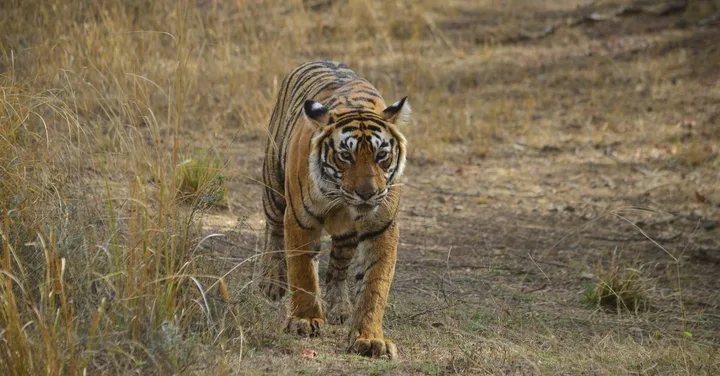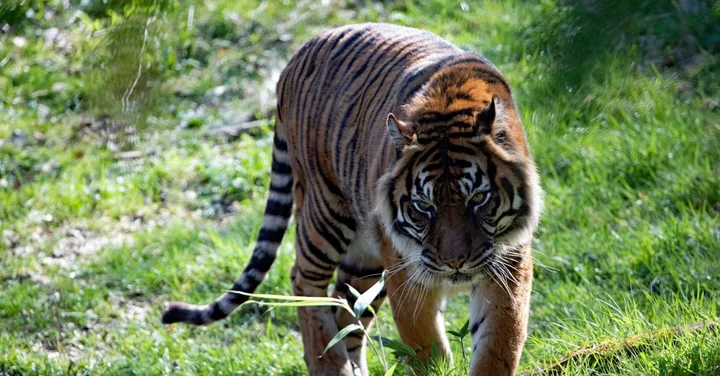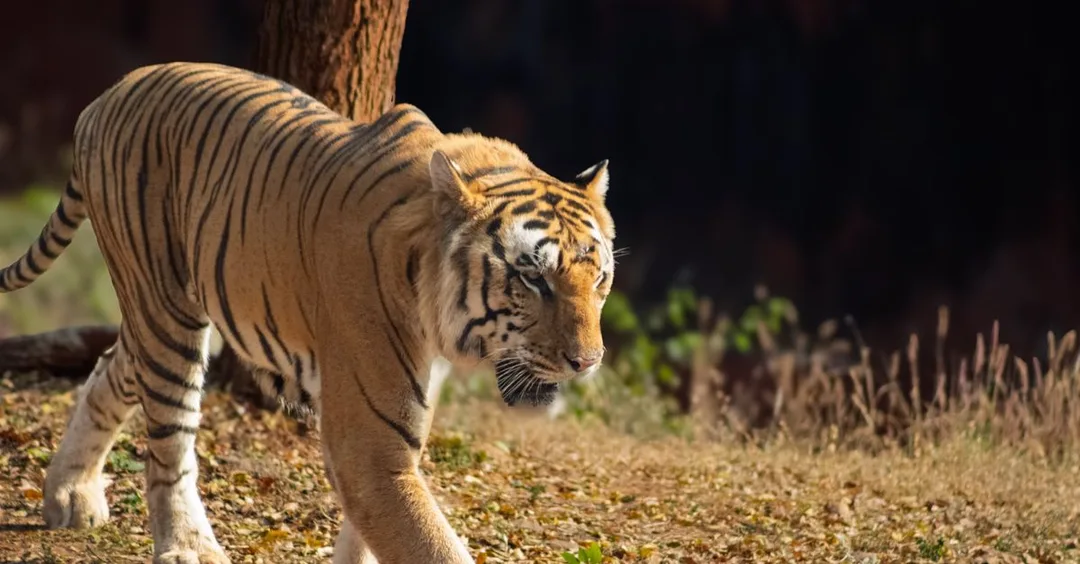
The jeep shudders to a stop at the edge of a dry riverbed in Jhirna zone. Your guide cuts the engine. Silence, except for the alarm call of a deer somewhere in the sal forest ahead. Then, through the golden 6am light, a Bengal tiger walks out of the tree line, crosses the sand, and disappears into the grass on the other side. You'll remember this moment for years. And Delhi is only six hours behind you.
In This Guide
- Jim Corbett National Park for Indian Travellers: What You Actually Get
- Best Time to Visit (Month-by-Month, Honest)
- Top Experiences You Can't Miss
- Safari Sutra Package Options & Prices in INR
- Getting There: Flights from India
- Visa, Vaccinations & Practical Prep
- Frequently Asked Questions
- Plan Your Jim Corbett National Park Trip with Safari Sutra
Jim Corbett National Park for Indian Travellers: What You Actually Get
Jim Corbett is India's oldest national park, established in 1936, and it carries that history in its bones. Spread across 1,300 square kilometres of the Himalayan foothills in Uttarakhand, it protects over 250 tigers, making it one of the highest tiger-density forests in the country. But numbers on paper don't prepare you for actually being here.
This is not a zoo, and it's not a theme park. The forest is dense, wild, and properly unpredictable. The sal trees tower overhead. The Ramganga river cuts through the landscape and draws animals from kilometres away. On a good morning, you'll hear langurs screaming from the canopy, spot gharials sunning on sandbanks, and maybe, if the timing and the guide are right, lock eyes with a tiger.
For Indian travellers, Corbett hits a particular sweet spot. It's closer than Africa, more accessible than Madhya Pradesh's remote parks, and far less commercial than the Ranthambore experience can feel on a packed weekend. The Incredible India tourism board officially recognises Corbett as one of Project Tiger's flagship reserves, and the results are visible: the habitat here is genuinely well-managed.
The park has six zones. Bijrani and Dhikala are the most famous and offer the best open grassland (called chaurs) sightings. Jhirna is open year-round, which makes it the go-to for off-season visits. Dhela is newer, less crowded, and increasingly producing great tiger sightings. For a weekend trip from Delhi, Bijrani and Jhirna are the practical choices for day visitors, while Dhikala requires an overnight stay inside the park to access its best drives.
If you've been doing wildlife in Central India, say the Kanha-Bandhavgarh circuit covered by Madhya Pradesh Wildlife & Heritage Tours, Corbett has a completely different character. The terrain is thicker, the sightings feel more raw, and the Himalayan backdrop adds a quality that the Deccan plateau parks simply can't match.
Best Time to Visit (Month-by-Month, Honest)
October to February is the best window for a Delhi weekend trip. The weather is crisp, visibility through the forest is excellent because deciduous trees shed their leaves, and the grasslands in Bijrani are golden and open. Mornings are cold, 5 to 8 degrees Celsius in December and January, so bring a proper fleece. Wildlife movement is high because animals cluster around water sources. This IS the season to book.
March and April stay good, and some of the best tiger sightings happen in March when the heat begins to build and animals become bolder around waterholes. The forest gets drier, visibility improves further, and the park feels alive with predator activity.
May and June are hot, reaching 40 degrees, but Jhirna and Dhela remain open. Hard-core wildlife watchers often prefer this window because animals are stressed and moving, sightings are concentrated, and the crowds thin out significantly. Not for everyone, but productive.
July to September is monsoon season. Most of Corbett closes. Dhikala shuts completely. Jhirna stays open but safaris are restricted. The forest is beautiful and green, but sightings are genuinely difficult. Skip it unless you're specifically going for the landscape experience.
For a weekend trip from Delhi, October to April is your reliable window. Peak demand runs from October to January, so book your zone permits and resort stays at least 4 to 6 weeks ahead.
Top Experiences You Can't Miss
Early morning jeep safaris in Bijrani zone are the heart of the Corbett experience. You're in the jeep at 5:45am, crossing the gate before dawn. The forest smells of damp earth and sal leaves. Your guide will read fresh pugmarks on the dusty track, talk to other naturalists over the radio, and position the vehicle at the right spots. A good guide makes the difference between a nature drive and an actual wildlife encounter.
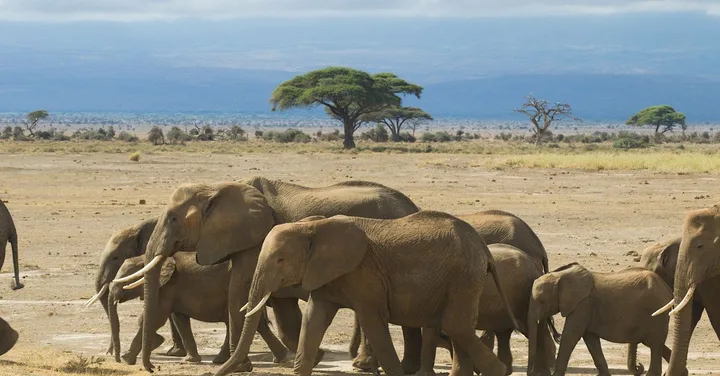
Dhikala stay is the bucket-list Corbett experience. The Forest Rest House inside Dhikala is the only accommodation within the core zone, and guests who stay here get access to drives that day visitors never see. The grasslands at Dhikala are where the famous Corbett elephant herds roam, and tiger sightings here carry a different weight because you're deep in their territory, not observing from the edges. Booking these rooms through the forest department is a separate exercise in patience, and getting this right is exactly where having an experienced operator helps.
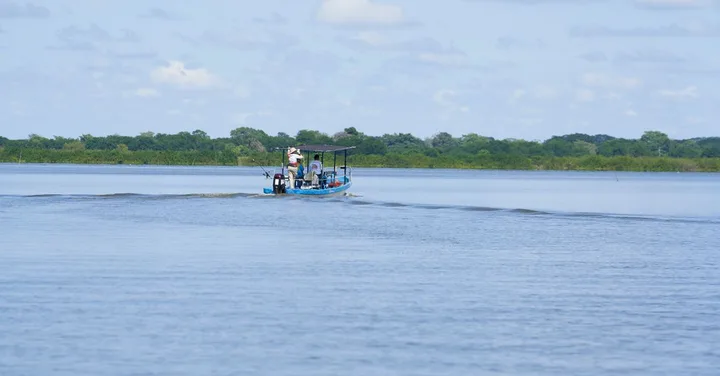
Birdwatching along the Ramganga reservoir is genuinely spectacular. Over 600 bird species have been recorded in Corbett, including the rare pied falconet, great hornbills, and fishing eagles. Even if wildlife sightings are slow on a given morning, the birds will not disappoint.
Elephant safaris in certain buffer zones offer a different perspective, moving silently through undergrowth that a jeep can't access. These are less common now due to revised regulations, so confirm availability at booking.
Village walks around the buffer zone resorts connect you to the Garhwali communities who have co-existed with this forest for generations. The stories here, from crop-raiding elephants to tiger folklore, are worth an evening of your time.
Safari Sutra Package Options & Prices in INR
After 12 years and 15,000+ trips, we've found the biggest difference between an average trip and a great one is guide quality and game drive timing. These are the things we get right for every Safari Sutra client, whether you're booking a quick weekend or a longer wildlife circuit.
Here's how our Corbett packages are structured:
1. Corbett Express Weekend (2 nights / 3 days)
- Approx. INR 18,000 to 22,000 per person (twin sharing)
- Includes: road transfers from Delhi, two jeep safaris (Bijrani or Jhirna zone), stay at a 3-star resort in Ramnagar, breakfast and dinner
- Best for: first-time visitors, families with older kids, couples wanting a quick nature fix
2. Corbett Premium Weekend (2 nights / 3 days)
- Approx. INR 30,000 to 40,000 per person (twin sharing)
- Includes: AC cab from Delhi, three jeep safaris across two zones, naturalist-guided experience, stay at a 4-star eco-resort, all meals
- Best for: serious wildlife enthusiasts, honeymooners, travellers who want a naturalist-led experience rather than a regular driver-guide
3. Corbett Dhikala Deep Dive (3 nights / 4 days)
- Approx. INR 45,000 to 60,000 per person (twin sharing)
- Includes: Dhikala Forest Rest House booking (or equivalent zone stay), multiple safaris across Dhikala and Bijrani, dedicated naturalist, transfers, all meals
- Best for: wildlife first crowd, repeat visitors who want the inside-the-park experience
4. Corbett Family Package (3 nights / 4 days)
- Approx. INR 28,000 to 35,000 per person (family of four, twin rooms)
- Includes: family-friendly resort, two safaris timed for kids, birdwatching walk, evening cultural program, all transfers and meals
- Best for: families with children aged 6 and above
5. Corbett Private Luxury (customised)
- From INR 70,000 per person
- Fully private safari vehicles, luxury lodge (Jim's Jungle Retreat, Aahana, or similar), private naturalist, customised itinerary, door-to-door service
- Best for: anniversary trips, guests who want total privacy and no shared safaris
All prices are per person in twin sharing. Solo traveller supplements apply. Prices vary by season; October to January is peak pricing.
Getting There: Flights from India
Corbett doesn't have its own airport, which is part of what keeps it from becoming over-touristed. The nearest airport is Pantnagar, roughly 85 kilometres away. Flights operate from Delhi (about 50 minutes), and connecting from Pantnagar to your resort takes around 1.5 to 2 hours by road.
Most Delhi travellers drive directly to Ramnagar, which is the base town for Corbett. From Delhi, the distance is about 250 to 280 kilometres depending on your route, and the drive takes 5 to 6 hours. The NH9 via Moradabad is the standard route. It's a comfortable drive, especially if you leave Delhi by 5am to beat city traffic and arrive in time for an evening check-in and next-morning safari.
If you're travelling from Mumbai, Chennai, or Bengaluru, fly to Delhi and either connect to Pantnagar or hire a cab from Delhi airport directly to Corbett. Budget an extra day for the travel leg so you don't start your wildlife weekend already exhausted.
Train travel is another practical option. The Ranikhet Express from Delhi Anand Vihar reaches Ramnagar in roughly 6 hours overnight, dropping you right in the base town. It's genuinely comfortable and a good way to arrive fresh.
Visa, Vaccinations & Practical Prep
No visa needed, naturally. This is domestic travel at its most accessible.
For vaccinations, no specific requirements exist, but if you haven't had a tetanus update recently, sort that out beforehand. Carry a basic personal first aid kit. Mosquito repellent is non-negotiable, especially for evening hours around any water body.
Zone permits are the one practical hurdle. Safari permits in Corbett are issued by the Uttarakhand Forest Department and have a limited number per zone per session. They sell out weeks in advance during peak season. Your Safari Sutra booking includes permit handling, but if you're attempting independent booking, use the official UP and Uttarakhand forest department portals and be prepared for a time-consuming process.
What to pack:
- Neutral-coloured clothing (khaki, olive, grey). Avoid white or bright colours in the jeep.
- Warm layers for early morning drives, even in March
- Binoculars. Borrow or buy a basic pair; they transform the experience.
- A camera with zoom, or just your phone on a gimbal. Either works.
- Cash. ATMs in Ramnagar are functional but not always reliable for large withdrawals.
Connectivity: Most resorts outside the core zone have decent wifi. Inside the park and on safari, your phone is useless for data, which is actually wonderful.
Frequently Asked Questions
Q: Is Jim Corbett safe for families with young children?
Yes, with reasonable awareness. Jeep safaris keep you inside the vehicle, and reputable resorts have child-safe facilities. For children under 6, the early morning drives and cold weather can be tough. The 7-to-12 age group tends to love every moment of it. Stick to buffer zone resorts rather than core zone stays for families with very young kids.
Q: How many safaris should I book for a weekend trip?
At minimum, two safaris on different sessions (one morning, one afternoon or next morning). Three safaris across two zones gives you the best variety of terrain and timing. One safari is not enough to form a real sense of the park, and it leaves too much to chance for a sighting.
Q: What's the actual probability of seeing a tiger?
Honest answer: it varies. With good zone selection, correct session timing, and an experienced naturalist-guide, your odds on any given drive are roughly 40 to 60% during peak season. Dhikala and Bijrani consistently produce better numbers than other zones. No wildlife trip carries a guarantee, and that's exactly what makes it real.
Q: Can I book only the safari permits independently and stay at a resort outside Corbett's network?
Yes, technically. But zone permits require online booking through government portals that are often confusing, zone allocations fill quickly, and if you get the timing or zone wrong, you end up on a poor-quality drive. Most experienced Corbett visitors book through an operator for this specific reason.
Q: What's the difference between a buffer zone and a core zone safari?
The core zone (like Dhikala and Bijrani) is the actual national park, with higher wildlife density and stricter rules. Buffer zones are the surrounding forest areas, still good for wildlife but with more human activity nearby. Core zone permits are more expensive and harder to get, but the sighting quality is meaningfully better.
Q: What should I eat in and around Ramnagar?
Most resorts do a solid job with Indian meals, and the dhabas along the Ramnagar highway serve excellent Garhwali food. Look out for mandua ki roti (finger millet flatbread) with gahat dal. It's hearty, local, and genuinely delicious after a cold morning drive.
Q: Can I combine Corbett with another destination in the same trip?
Absolutely. The most popular combination is Corbett plus Rishikesh (about 3 hours away), giving you wildlife followed by river and mountains. A 4-night trip handles this beautifully: 2 nights at Corbett, 1.5 nights in Rishikesh. Some travellers combine Corbett with Nainital for a hills finish.
Plan Your Jim Corbett National Park Trip with Safari Sutra
Jim Corbett rewards travellers who show up prepared. The right zone, the right timing, the right guide, and a resort that understands wildlife schedules rather than hotel schedules. It's the difference between a nature-adjacent weekend and an actual encounter with India's wildest landscape.
Safari Sutra Holidays has been building wildlife trips across India and beyond since 2012. Whether you're planning a quick two-night escape from Delhi or a longer circuit taking in Corbett, Corbett, the Himalayan foothills, and Rishikesh together, we know exactly how to put it together without the guesswork.
Ready to Plan Your Trip?
Safari Sutra Holidays — 13 years, 15,000+ trips, zero cookie-cutter itineraries.
Get Your Free Custom Quote →+91 9860415774 | hello@thesafarisutra.com

Safari Sutra Team
Travel curators with 13 years of experience planning Indian and international holidays — from safari adventures to island escapes.
View All Posts