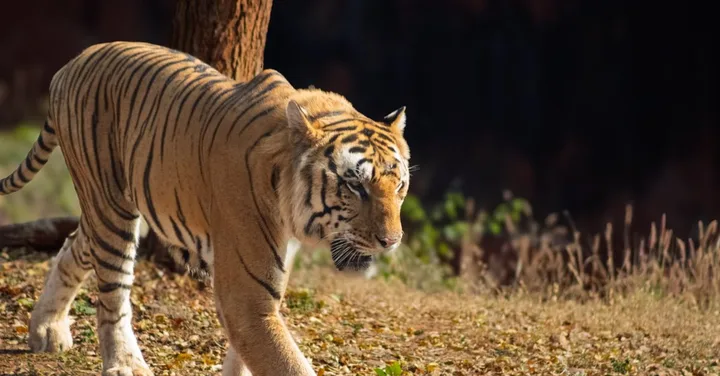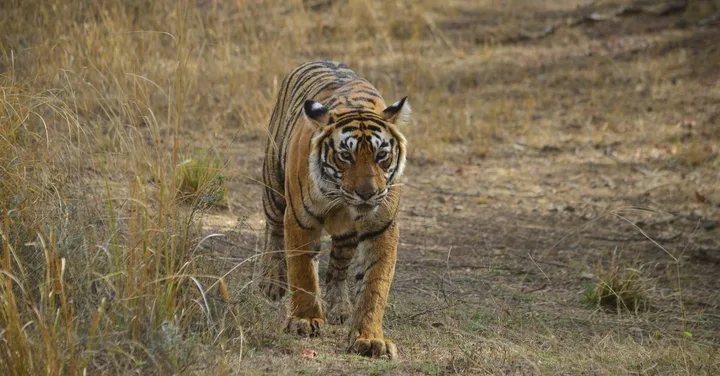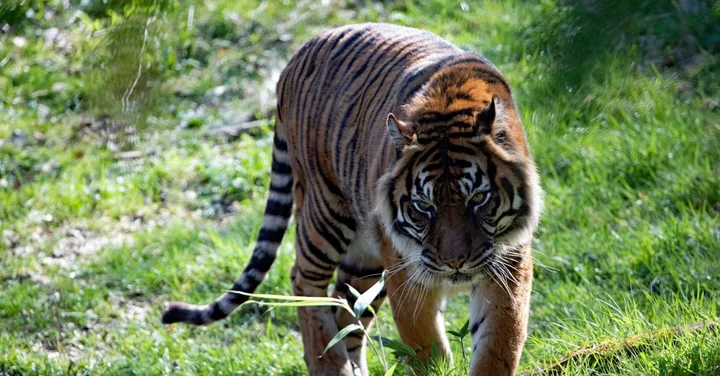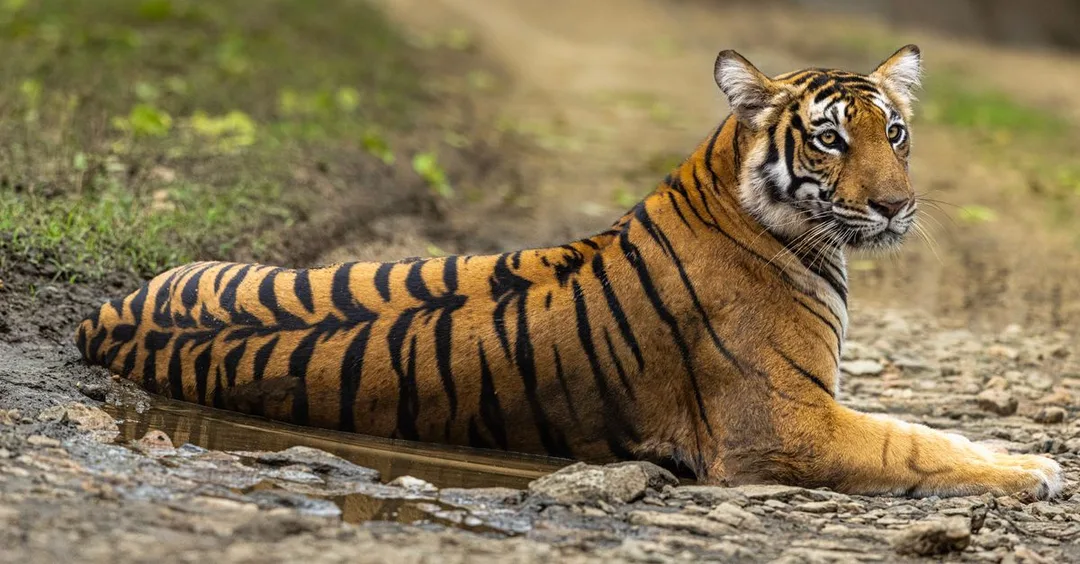
The boat cuts through still, brown water at dawn, and the only sounds are the engine's low hum and the call of a kingfisher somewhere in the mangroves ahead. The forest here doesn't announce itself the way a savanna does. It watches you. Somewhere behind that wall of roots and shadow, a Royal Bengal Tiger is doing exactly what tigers do best: staying invisible until it decides otherwise. That's the Sundarbans for you. It doesn't perform. It simply exists, and you either tune into its frequency or you miss the whole thing.
In This Guide
- Sundarbans Bengal for Indian Travellers: What You Actually Get
- Best Time to Visit (Month-by-Month, Honest)
- Top Experiences You Can't Miss
- Safari Sutra Package Options & Prices in INR
- Getting There: Flights from India
- Visa, Vaccinations & Practical Prep
- Frequently Asked Questions
- Plan Your Sundarbans Bengal Trip with Safari Sutra
Sundarbans Bengal for Indian Travellers: What You Actually Get
Here's the honest version of this trip, because you deserve that before you book anything.
The Sundarbans is the world's largest mangrove delta, shared between India and Bangladesh, and the Indian side falls largely within West Bengal. The Incredible India tourism board has been promoting it for years, and yet it remains genuinely off the radar for most Indian travellers who think "wildlife" means Ranthambore or Bandhavgarh. That's your advantage right now.
This is not a classic jeep safari. There are no roads through the Sundarbans. The forest is a maze of tidal waterways, and you experience it from a boat, gliding past mudflats where spotted deer graze, watching crocodiles sun themselves with complete indifference, and scanning the treeline for pug marks or a flicker of orange. Tiger sightings happen, and they're spectacular when they do, but the Sundarbans rewards a different kind of attention. The birdlife alone is extraordinary: over 300 species including the masked finfoot, the mangrove pitta, and Brahminy kites that swoop low enough to make you flinch.
For Indian travellers, this is a genuinely accessible trip. Kolkata is the gateway, and from there it's a 3-4 hour road transfer to Godkhali jetty, followed by a boat ride into the delta. You don't need a visa, there's no jet lag, and the food will feel like home because it basically is: fresh river fish, prawn malaikari, mustard-heavy Bengali cooking that's some of the best in the country.
The tiger is the star, but the Sundarbans is really about an entire ecosystem that has evolved under pressure: tidal floods, salinity, cyclones. The tigers here have adapted to swim between islands. The forest is genuinely wild in a way that's rare even by Indian standards. If you've done Madhya Pradesh Wildlife & Heritage Tours and want your next wildlife chapter to feel completely different, this is it.
Best Time to Visit (Month-by-Month, Honest)
October to February is the best window. Full stop. The weather is cool and dry, visibility on the water is excellent, and tiger activity along the riverbanks increases because the animals come to drink. December and January are peak months: bright mornings, temperatures between 12 and 22 degrees, and the forest feels crisp and alive. Migratory birds are in full force through this period.
March and April are still workable. Temperatures climb toward 30 degrees and humidity starts building, but the forest is quieter with fewer tourists, which can actually improve your sightings. Tigers move more in the early mornings, so an early boat departure matters here.
May to September is monsoon season, and most of the core forest area closes. Some operators run limited trips on the fringes between July and September, but visibility drops and the experience is genuinely compromised. This is not the time to go if a tiger sighting matters to you.
The sweet spot that most experienced travellers don't know: the first two weeks of November, right after Diwali. Tourist volumes are low, the forest has just reopened after any monsoon closures, and the light on the water in the early morning is extraordinary. Book this window if you can.
Top Experiences You Can't Miss
Morning boat safari through the core zone
This is the centrepiece of any Sundarbans trip. Permits for the core zone around Sajnekhali and Sudhanyakhali are limited, and for good reason: this is where tiger sightings are most likely. Your naturalist will position the boat along the mudflats at first light, engine off, drifting. The silence is something you'll remember. Spotted deer at the water's edge, a crocodile sliding silently into the brown water, the distant alarm call of a bird that might mean something is moving through the trees.
Sudhanyakhali Watch Tower
A short hike from the boat landing brings you to a wooden watch tower overlooking a freshwater pond that attracts wildlife throughout the day. Tigers have been photographed here dozens of times, and even when the big cat doesn't show, the deer, wild boar, and water monitor lizards make it worthwhile. Come here at dusk if you can arrange it.
Village walks on the forest fringe
The human story of the Sundarbans is as compelling as the wildlife. Communities here live with the genuine threat of tiger attacks, and yet there's a deep cultural relationship with the forest through the worship of Bonbibi, the forest goddess who is believed to protect them. A guided walk through a village on the buffer zone edge, with a local who can translate both language and meaning, adds something to this trip that no amount of animal sightings can replace.
Fishing with local communities
Several operators, including Safari Sutra, can arrange a morning out with local fishermen on traditional wooden boats. You're not just watching: you're hauling nets, learning how the tides dictate everything here, and usually eating whatever's fresh by mid-morning. The prawns are absurdly good.
Night sounds from the boat deck
If you're staying on a houseboat, don't go to bed early on your first night. Sit on the deck with a cup of chai and just listen. The Sundarbans at night is a full sensory experience: frogs, nocturnal birds, the sound of water against the hull, and occasionally something large moving in the reeds close enough to make the hairs on your arms stand up.
Safari Sutra Package Options & Prices in INR
These are honest, realistic figures based on actual 2025-2026 pricing. All packages include wildlife permits, boat safaris, guide fees, and accommodation. Flights from your home city are additional.
Weekend Escape (2 nights/3 days)
Ideal for Mumbai or Delhi travellers combining with a Kolkata city break. Stays at a mid-range forest lodge near Sajnekhali, two guided boat safaris, meals included.
Approximately Rs. 18,000 to Rs. 24,000 per person (twin sharing)
Classic Sundarbans (3 nights/4 days)
The most popular option and the one we recommend for first-timers. Includes the core zone permit, Sudhanyakhali watch tower visit, village walk, and one sunset cruise. Accommodation at a quality jungle lodge with naturalist-led safaris each morning.
Approximately Rs. 28,000 to Rs. 38,000 per person (twin sharing)
Houseboat Immersion (3 nights/4 days)
You live on a private houseboat, moving through the delta waterways rather than staying at a fixed lodge. This is closer to what the Sundarbans actually feels like: waking up to water on all sides, meals cooked fresh on board, and the flexibility to linger wherever the wildlife demands it.
Approximately Rs. 42,000 to Rs. 55,000 per person (twin sharing)
Premium Forest + City Combo (5 nights/6 days)
Three nights Sundarbans houseboat plus two nights in Kolkata with a cultural guide covering Kumartuli, the Victoria Memorial, Kalighat, and the finest adda-worthy restaurants the city has. Perfect for travellers who want the full Bengal chapter.
Approximately Rs. 65,000 to Rs. 85,000 per person (twin sharing)
Family Special (3 nights/4 days, group of 4+)
Adjusted pace, child-friendly naturalists, lodge accommodation with connecting rooms, and activities calibrated for mixed ages. The Sundarbans is genuinely brilliant for kids who've only ever seen tigers on a screen.
Approximately Rs. 22,000 to Rs. 30,000 per person (family of four, twin sharing rooms)
After 12 years and 15,000+ trips, we've found the biggest difference between an average trip and a great one comes down to two things: guide quality and the timing of your water safaris. These are things Safari Sutra Holidays gets right on every booking, because we know which naturalists actually know this forest and which morning tides give you the best mudflat exposure.
Getting There: Flights from India
Kolkata's Netaji Subhas Chandra Bose International Airport is your entry point, and it's well connected from every major Indian city.
- From Mumbai: IndiGo, Air India, and Vistara (now merged with Air India) run daily direct flights. Flight time is around 2.5 hours. Fares start from Rs. 4,500 one-way if you book 4-6 weeks ahead.
- From Delhi: Multiple daily direct flights, roughly 2 hours. Budget fares from Rs. 3,800 one-way with advance booking.
- From Bengaluru, Chennai, Hyderabad: Direct flights on IndiGo and Air India, 2 to 2.5 hours.
- From Northeast India (Guwahati, Dibrugarh): Short direct flights under an hour.
From Kolkata airport or city centre, it's a 3 to 4 hour drive to Godkhali jetty, where you board a boat into the Sundarbans. Transfers are included in all Safari Sutra Holidays packages. If you're flying in from Mumbai or Delhi for a weekend trip, an early morning flight gets you to the forest by early afternoon.
Visa, Vaccinations & Practical Prep
This is a domestic Indian destination, so there's no visa required for Indian citizens. Foreign nationals travelling from abroad need a standard Indian tourist visa, which is available as an e-visa through the official Indian government portal.
Forest Permits: Entry into the Sundarbans Tiger Reserve core zone requires permits, which Safari Sutra arranges on your behalf. You do not need to chase these yourself.
Vaccinations: No mandatory vaccinations for domestic travellers. However, a Hepatitis A shot is sensible if you're eating from local village stalls, which you absolutely should be. Anti-malarial medication is worth discussing with your doctor for travel between May and October.
What to Pack:
- Lightweight, muted colours: khaki, olive, grey. Not white, not bright orange.
- A good pair of binoculars. This is non-negotiable for boat safaris.
- Sunscreen and a wide-brimmed hat: the water reflects heat intensely.
- A light windbreaker for early morning boat rides, especially November to February.
- Insect repellent with at least 20% DEET, applied before every outdoor session.
- A dry bag for your camera and phone. You're on water. Things get splashed.
Connectivity: Mobile signal inside the forest is patchy to non-existent. Tell your family you'll check in when you can. It's fine.
Frequently Asked Questions
Q: What are my actual chances of seeing a Royal Bengal Tiger?
Honest answer: lower than in Ranthambore or Kanha, and that's just the reality of the terrain. The Sundarbans has roughly 100 tigers across an area that's enormous and covered in dense mangrove. Sightings are real and they happen regularly, but the forest offers no guarantees. What we'd say is this: travellers who come expecting only a tiger sighting sometimes miss what the Sundarbans actually is. The crocodiles, the birdlife, the atmosphere, the tidal waterways at dawn - these are the experience. The tiger is the bonus.
Q: Is the Sundarbans safe? We've heard about tiger attacks on locals.
Tiger attacks on villagers and fishermen do occur in the Sundarbans, and it's important to be straightforward about that. These attacks almost always involve local people working alone in the forest, often illegally inside the core zone to collect honey or fish. As a tourist on a licensed boat with a trained naturalist, you're in a completely different situation. You stay on the boat or in designated areas. In over 12 years of operating trips here, Safari Sutra Holidays has had zero safety incidents.
Q: Can children come on this trip?
Yes, and they often love it more than the adults do. Children who are old enough to sit quietly on a boat for 2-3 hours (generally 6 and above, though it varies by child) get enormous value from this trip. The combination of boat travel, wildlife, and village visits is genuinely thrilling for kids. Our family packages include naturalists who are specifically good with young travellers.
Q: Is this trip suitable for older parents or grandparents?
Broadly yes, with some planning. The boat safaris involve boarding from a jetty, which can be uneven, and some watch tower visits require a short walk on forest paths. If mobility is a concern, let us know in advance and we'll structure the trip around what works. The houseboat option is actually excellent for older travellers because it minimises the in-and-out movement.
Q: What's the food like, and can vegetarians manage?
Bengali food is famously fish-forward, and the Sundarbans leans fully into that: fresh river fish, prawns, hilsa when it's in season. Vegetarians are absolutely catered for at all lodges and houseboats, with Bengali vegetarian dishes that are genuinely good, not an afterthought. If you're Jain, mention it at booking so the kitchen can plan properly.
Q: How is this different from a Ranthambore or Bandhavgarh trip?
Completely different experience. Ranthambore and Bandhavgarh are jeep-based safaris in dry deciduous forest where visibility is good and tiger sightings are relatively frequent. The Sundarbans is a boat safari through dense mangrove where the forest keeps its secrets more closely. One is about spotting wildlife in open terrain; the other is about reading an ecosystem that doesn't give itself up easily. Both are worth doing. They're just different kinds of trips.
Q: When should I book and how far in advance?
For peak season (November to February), book at least 6-8 weeks ahead. Core zone permits are limited and fill up, especially around school holidays and long weekends. The weeks around Christmas and New Year fill completely by October. For the shoulder months of March and April, 3-4 weeks is usually enough.
Plan Your Sundarbans Bengal Trip with Safari Sutra
The Sundarbans is one of those places that changes the way you think about wildlife travel. It's slower, quieter, and more demanding of your attention than most safaris. And that's exactly what makes it stay with you.
Whether you're planning a weekend bolt from Kolkata, a longer houseboat journey through the delta, or a full Bengal trip combining the forest with the city, the logistics are genuinely straightforward when you have the right people handling the permits, the guides, and the timing.
Ready to Plan Your Trip?
Safari Sutra Holidays — 13 years, 15,000+ trips, zero cookie-cutter itineraries.
Get Your Free Custom Quote →+91 9860415774 | hello@thesafarisutra.com

Safari Sutra Team
Travel curators with 13 years of experience planning Indian and international holidays — from safari adventures to island escapes.
View All Posts