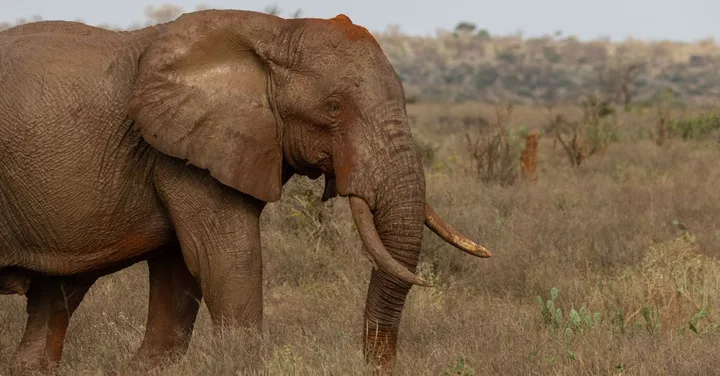
The mist is still clinging to the tea bushes when your jeep rolls out at dawn. The air smells like wet earth and green leaves, and somewhere ahead, through the sal forest, a herd of wild elephants is moving. You can hear the branches snapping before you see anything. Then, suddenly, there they are: eight, maybe ten elephants crossing the track, completely unhurried, completely unbothered by your presence. Your driver cuts the engine. Nobody speaks. This is the Dooars, and it gets under your skin faster than you'd expect.
In This Guide
- Dooars West Bengal for Indian Travellers: What You Actually Get
- Best Time to Visit (Month-by-Month, Honest)
- Top Experiences You Can't Miss
- Safari Sutra Package Options & Prices in INR
- Getting There: Flights from India
- Visa, Vaccinations & Practical Prep
- Frequently Asked Questions
- Plan Your Dooars West Bengal Trip with Safari Sutra
Dooars West Bengal for Indian Travellers: What You Actually Get
The Dooars sits in the northern corner of West Bengal, spreading across the foothills of Bhutan and the Himalayan terai. The name comes from the Bengali and Assamese word for "doors" and that's exactly what this landscape feels like: a gateway between the plains and the mountains, between the cultivated and the wild.
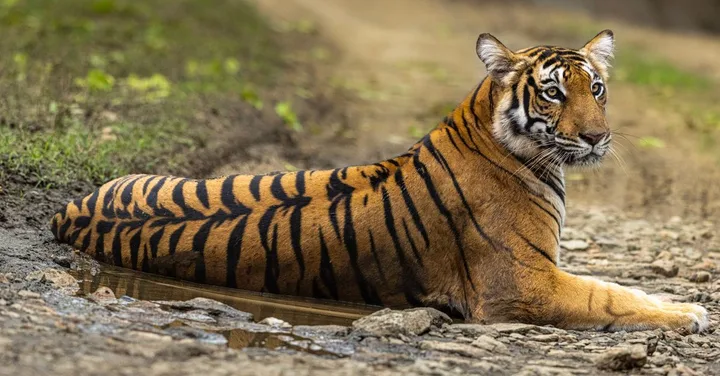
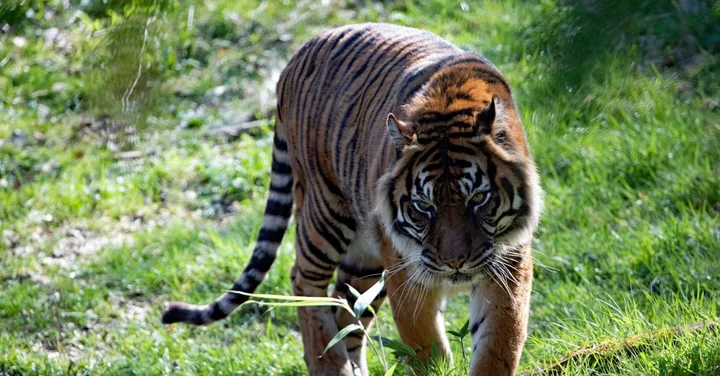
Most Indian travellers have heard of Kaziranga or Jim Corbett. Far fewer have spent a week in the Dooars, which is honestly a bit of a mystery because it delivers things that neither of those parks can. You get a proper jungle with tiger, leopard, elephant, gaur, and rhino all sharing the same landscape. You get the extraordinary contrast of driving through bright green tea gardens one hour and spotting a one-horned rhino the next. And you get it all without the crowds.
The wildlife spine of the Dooars is Gorumara National Park and Jaldapara National Park, with the Buxa Tiger Reserve adding wilder, denser forest to the east. Gorumara is compact and intensely productive for sightings. Jaldapara has the largest population of Indian one-horned rhinos in West Bengal. Buxa is the one for birders and for travellers who want that genuine deep-forest feeling.
Connecting all of it are the tea gardens: thousands of hectares of carefully planted rows rolling across the lower hills, managed by estates that have been producing tea since the British era. Some of the best stays in the Dooars are actually inside these gardens, in heritage bungalows where you wake up to the sound of tea pickers at work and drink your morning chai looking out at the very bushes it came from.
Explore All Destinations, Safari Sutra to see how the Dooars fits into a broader India itinerary, especially if you're planning a longer Northeast or Himalayan circuit.
Best Time to Visit (Month-by-Month, Honest)
October to March is the main season, and for good reason. The forest is drier, the grass shorter, and wildlife sightings are easier. November through February is the sweet spot: cool mornings, warm afternoons, no rain, and excellent visibility in the parks. This is when you want to be here.
November to February specifically is the best time for elephant safaris in Jaldapara and rhino sightings in Gorumara. Early mornings can drop to 8-10°C in January so carry a light jacket, but afternoons are comfortable and pleasant.
March and April are solid shoulder season months. The temperatures start climbing, some of the crowds thin out (most Indian tourist traffic peaks around Christmas and New Year), and there's a brief window of beauty as the forest transitions before the heat arrives.
May and June are warm and humid. Parks are still open for most of this period but the experience is harder work: hotter, less wildlife activity, and the pre-monsoon haze reduces those clean forest views.
July to September is monsoon season. Jaldapara and Gorumara close completely during peak monsoon months (typically around June 15 to September 15, though check current dates through Incredible India for updated park schedules). The tea gardens, though, are spectacular during this time, an intense electric green that you won't see any other time of year. Some travellers come just for the gardens and the Himalayan backdrop during light-monsoon periods in early October.
Top Experiences You Can't Miss
Elephant Safari in Jaldapara
This is the headline act, and it genuinely earns that status. Jaldapara National Park runs elephant safaris at dawn from the Hollong and Chilapata ranges, and riding through the tall elephant grass on the back of a trained elephant while a one-horned rhino grazes forty metres away is the kind of thing that stays with you. Booking must be done through the West Bengal forest department and fills up fast in peak season. Safari Sutra Holidays handles all advance booking as part of your package.
Jeep Safari in Gorumara
Gorumara is smaller than most people expect (80 sq km) but that density makes it productive. Gaur (Indian bison) are almost certain. Rhinos are common near the Murti river area. Leopards are present but typically spotted at dawn and dusk on the forest edges. The watchtowers inside the park, particularly Rhino Point, are worth the climb for elevated views across the grassland.
Walking Through a Tea Garden
Pick a properly immersive experience rather than a quick drive-through. Stay at a tea bungalow and ask your host for a proper garden walk during the picking season (March-November). You'll learn to distinguish first-flush leaves from second, watch the whole process from bush to basket, and drink tea that was picked that morning. The Dooars tea gardens collectively produce some of India's best Darjeeling-adjacent teas, with a slightly different, earthier character that locals swear by.
Birding in Buxa Tiger Reserve
Buxa is underrated among mainstream Indian tourists but extremely well known among serious birders. The reserve sits on an active bird migration route between Bhutan and the Himalayan foothills, and species counts regularly exceed 300 for the area. Rufous-necked hornbill, wreathed hornbill, and the rare Bengal florican have all been recorded here. Even if you're not a dedicated birder, the sheer sound and movement of Buxa's forest canopy at dawn is worth a morning.
River Crossings and Forest Streams
The Murti, Jaldhaka, Raidak, and Torsa rivers cut through the Dooars landscape, and crossing them (or walking along their banks in the right season) is one of the region's quiet pleasures. Riverbed drives in jeeps between October and November, when water levels are manageable but the surrounding forest is still lush, are particularly good for big cats.
Safari Sutra Package Options & Prices in INR
These are realistic figures based on actual bookings for two adults sharing, ex-NJP or Bagdogra:
Base Escape (3 nights, 4 days): From Rs 22,000 per person. Covers a comfortable resort stay near Gorumara, one jeep safari, transport, and daily breakfast. Good for a first trip or a long weekend break from Kolkata or Siliguri.
Classic Dooars (5 nights, 6 days): From Rs 38,000 per person. Splits stays between a jungle lodge near Jaldapara and a tea garden bungalow. Includes two jeep safaris, one elephant safari booking attempt, all meals, and a guided tea walk. This is the most popular choice for families.
Dooars Deep Dive (7 nights, 8 days): From Rs 58,000 per person. Covers Gorumara, Jaldapara, and a night or two in Buxa with a specialist birding guide. Includes all safaris, premium lodge accommodation, and a half-day Bhutan border town visit to Phuentsholing. Best suited for wildlife enthusiasts and photographers.
Luxury Bungalow Edition (5 nights, 6 days): From Rs 75,000 per person. Heritage tea estate accommodation throughout, private jeep for all drives, curated meals featuring local Bengali and Nepali cuisine, and an afternoon tea tasting session with the estate manager. For couples or travellers who want high comfort alongside the wildlife.
Family Dooars (6 nights, 7 days): From Rs 32,000 per person (family of 4). Built specifically for families with children: nature interpretation walks, easy safaris, a night-sky session, and kid-friendly lodges with open grounds. Meals, all transport, and park fees included.
All packages can be customised. Prices exclude flights.
Getting There: Flights from India
The main entry point is Bagdogra Airport (IXB), which connects to Delhi, Mumbai, Kolkata, Bangalore, and Hyderabad. Flight time from Delhi is roughly 2 hours; from Mumbai, around 2.5 hours. Fares from Mumbai and Delhi to Bagdogra range from Rs 4,000 to Rs 10,000 one-way depending on how far ahead you book.
From Bagdogra, it's a 2.5 to 3.5 hour drive to most Dooars destinations. Your Safari Sutra package includes this transfer.
Alternatively, New Jalpaiguri (NJP) railway station is one of India's best-connected rail heads. Overnight trains from Kolkata (Sealdah) get you there in 7-8 hours. From Delhi, the Darjeeling Mail and several other expresses run the route in 20-24 hours. If you enjoy train travel, the NJP route is genuinely pleasant: you wake up in the hills.
Visa, Vaccinations & Practical Prep
The Dooars is domestic India, so there are no visa requirements for Indian nationals. If you're visiting from abroad, you'll need a standard Indian tourist visa, which is available as an e-Visa through the official government portal for most nationalities.
Vaccinations: No specific vaccinations are required for the Dooars. Standard traveller caution applies: carry mosquito repellent (the forests have their moments), and pack any prescription medications you need. If you're travelling June through September, consider a broad-spectrum insect repellent with DEET.
Practical things to carry:
- Neutral colours for safari: khaki, olive, beige. Bright colours disturb wildlife.
- Binoculars. A basic pair makes an enormous difference.
- A good torch or headlamp for early morning departures from your lodge.
- Light layers: even in October, dawn safaris in open jeeps are chilly.
- Cash. ATMs exist in Jalpaiguri and Alipurduar towns but are patchy inside the forest areas.
- Offline maps downloaded before you arrive. Forest areas have limited connectivity.
After 12 years and 15,000+ trips, we've found the biggest difference between an average wildlife trip and a genuinely great one comes down to guide quality and timing your safaris correctly. Dawn drives before the forest heats up consistently produce the best sightings. And a knowledgeable local guide who can read tracks and animal behaviour changes everything. These are the things we get right for every Safari Sutra client from the planning stage, not as an afterthought.
Frequently Asked Questions
Q: Is the Dooars safe for families with young children?
Yes, absolutely. The Dooars is one of the more family-friendly wildlife destinations in India precisely because the experiences are varied: you're not only sitting in a jeep waiting for a big cat, you're walking tea gardens, spotting butterflies, crossing rivers, and eating good food. The lodges tend to have open grounds and a relaxed vibe. Just make sure young children are briefed on safari behaviour (staying quiet, not reaching out) and you're well covered. We've taken families with kids as young as 5 on elephant safaris in Jaldapara.
Q: Is the elephant safari in Jaldapara ethical?
This is a fair question to ask. The elephants used in Jaldapara safaris are government-maintained, working elephants managed by the West Bengal forest department. Mahout welfare and elephant conditions are monitored as part of the national park system. Opinions vary across the wildlife tourism community on captive elephant use, and we respect that. What we can tell you is that this is not a private commercial elephant tourism operation. If this is a concern for you, Gorumara jeep safaris offer equally excellent wildlife sightings.
Q: When is the Dooars best for rhino sightings specifically?
November through February is the most reliable window. The grass is shorter, the rhinos move into open areas to graze and warm up, and visibility in the parks is at its best. Jaldapara has the highest rhino density in West Bengal and most Jaldapara guests see at least one on their first safari.
Q: Can I combine a Dooars trip with Darjeeling?
Yes, and it works really well as a 7-10 day circuit. Most people do Darjeeling first (3-4 nights), then drop down to the Dooars for 4-5 nights before flying home from Bagdogra. Alternatively, go Dooars first and end on the ridge in Darjeeling: the elevation change and shift from jungle to mountain town is a genuinely satisfying way to finish a trip. We design this combo regularly.
Q: What's the difference between Gorumara and Jaldapara? Which should I prioritise?
Go to Jaldapara for rhinos and the elephant safari experience. Go to Gorumara for a more compact, high-density jeep safari feel with strong gaur, rhino, and bird sightings. If you only have 3 nights, Jaldapara is the sharper choice for most Indian travellers. If you have 5+ nights, do both. They have genuinely different characters.
Q: Is there good food in the Dooars?
Better than most people expect. The Bengali influence means fish curries appear even at jungle lodges. Nepali and Tibetan food is widely available, especially momos, thukpa, and churpi (local cheese). The tea garden bungalows tend to serve outstanding home-style meals, often cooked by staff who've been with the estate for decades. This is not the place to eat continental food. Stick to local, and you'll eat extremely well.
Q: How far in advance should I book?
For November through January travel, book at least 2-3 months ahead. The elephant safari slots at Jaldapara especially fill up quickly. Peak dates around Diwali, Christmas, and New Year can sell out 4-5 months in advance. For March-April or September-October travel, 6-8 weeks is usually workable.
Plan Your Dooars West Bengal Trip with Safari Sutra
The Dooars is the kind of place that Indian travellers often add to their list after a friend comes back and won't stop talking about it. The tea gardens, the wildlife, the cool air, the quiet, it's all right there, a short flight from any major Indian city, and yet it feels worlds away from everyday life.
Whether you want a long weekend from Kolkata or a full 8-day deep-forest circuit, Safari Sutra Holidays will put together the right trip for you, not a generic package, but a plan built around what you actually want to see and do.
Ready to Plan Your Trip?
Safari Sutra Holidays — 13 years, 15,000+ trips, zero cookie-cutter itineraries.
Get Your Free Custom Quote →+91 9860415774 | hello@thesafarisutra.com

Safari Sutra Team
Travel curators with 13 years of experience planning Indian and international holidays — from safari adventures to island escapes.
View All Posts