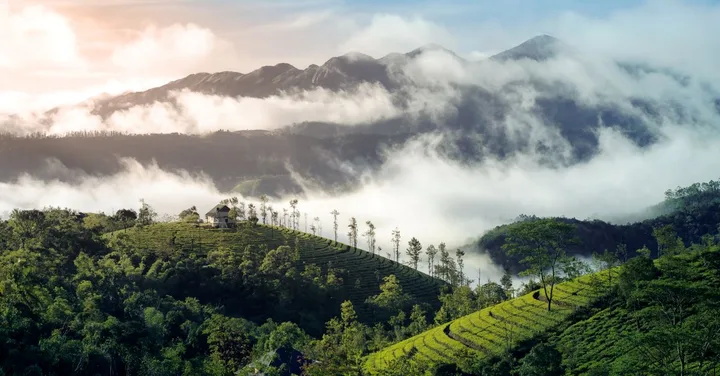
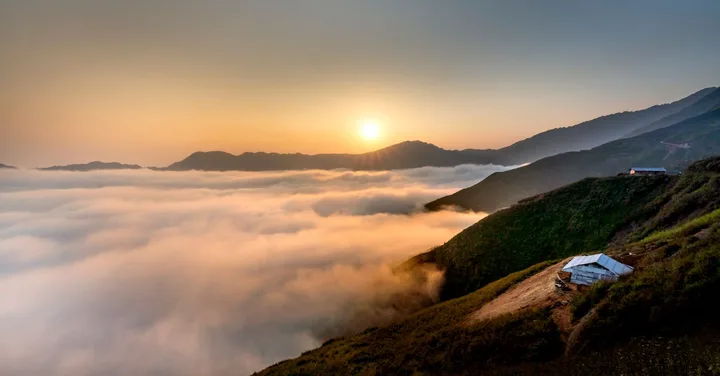
The air hits you differently at 2,100 metres. In Ooty, it carries the sharp sweetness of eucalyptus and fresh-cut grass, rolling in off the Nilgiri plateau in cool, steady waves. In Kodaikanal, that same altitude gives you pine resin and mist so thick it feels like walking through a cloud someone forgot to move. Both towns sit in the same Tamil Nadu sky, separated by about 175 kilometres. But they're not the same place, and they're not for the same traveller. After twelve years of sending families, honeymooners, and solo wanderers up these hills, we can tell you: choosing the wrong one won't ruin your trip, but choosing the right one will make it.
In This Guide
- Ooty vs Kodaikanal for Indian Travellers: What You Actually Get
- Best Time to Visit (Month-by-Month, Honest)
- Top Experiences You Can't Miss
- Safari Sutra Package Options and Prices in INR
- Getting There: Flights from India
- Visa, Vaccinations and Practical Prep
- Frequently Asked Questions
- Plan Your Ooty vs Kodaikanal Trip with Safari Sutra
Ooty vs Kodaikanal for Indian Travellers: What You Actually Get
Let's be honest about what these two hill stations actually are, because travel content tends to romanticise both equally, which helps nobody.
Ooty (officially Udhagamandalam) is bigger, louder, and more developed. It was the summer capital of the Madras Presidency during British rule, and that colonial era left behind broad estates, rose gardens, and a toy train that's now a UNESCO World Heritage route. Today, Ooty pulls enormous crowds, especially during April-May and October. The main bazaar feels genuinely chaotic, in a way that's either charming or exhausting depending on your temperament. The landscape is grand: rolling tea estates, the Doddabetta peak, Pykara Lake. If you want infrastructure, variety, and a place the whole family can agree on, Ooty delivers.
Kodaikanal is quieter, more introverted, and in many ways more beautiful. Sitting in the Palani Hills, it grew as a hill retreat for missionaries and later became popular with South Indian families from Chennai and Coimbatore. The star-shaped Kodaikanal Lake is genuinely lovely at dawn, before the pedal boats arrive. The Silver Cascade waterfall, the Pillar Rocks, the Berijam Lake forest reserve: these feel less commercialised, more genuinely wild. Kodai, as locals call it, rewards travellers who like to walk, sit with a book, and not be rushed anywhere.
For the Indian premium traveller, here's the honest breakdown:
- Families with young kids: Ooty wins on activities, accessibility, and variety
- Honeymooners: Kodaikanal, no competition. The fog, the lake walks, the slower pace
- First-time hill station visitors: Ooty, because it gives you the full, classic hill station experience
- Return visitors looking for something quieter: Kodaikanal, every time
- Nature photographers: Both, but Kodaikanal's forest cover and misty mornings have the edge
- Adventure seekers: Ooty, with trekking, horse riding, and more organised outdoor options
Both connect well by road from Coimbatore, Madurai, and Chennai. Neither requires flying internationally. Both are excellent additions to a larger South India circuit if you're already visiting Kerala or exploring Tamil Nadu's temples.
You can Explore All Destinations on Safari Sutra to see how these hills fit into a broader South or Southwest India trip.
Best Time to Visit (Month-by-Month, Honest)
January to March: This IS the sweet spot, particularly for Kodaikanal. Mornings are cold (8 to 12 degrees Celsius), skies are clear, and crowds haven't arrived yet. Ooty is similar but can get very cold at night in January. If you want clear views of the Nilgiris without fog obscuring everything, February is perfect.
April to June: Peak tourist season, driven by school holidays. Ooty becomes genuinely packed. Hotels book out weeks in advance, road traffic from Coimbatore backs up, and prices jump. Kodaikanal is busy but handles crowds slightly better. The weather is pleasant (15 to 20 degrees), which is why everyone comes. If you must travel in May, book Kodaikanal and stay at least 4 nights so you're not rushing.
July to September: Monsoon. Both stations receive heavy rainfall. The Nilgiris are prone to landslides and road closures during July and August. The landscape turns an electric green that photographs beautifully, but travel logistics get unpredictable. If you're comfortable with that trade-off, this is when you'll have Kodaikanal's pine forests almost to yourself. Ooty's roads are more exposed to landslide risk during this period.
October to December: Second-best season. October and November bring clear weather after the rains, and the tea estates in Ooty look magnificent. December picks up with Christmas and New Year visitors, especially in Ooty. Kodaikanal in November is quietly spectacular: crisp air, clear lake, very manageable crowds.
The Incredible India tourism portal has real-time event calendars for Tamil Nadu that are worth checking, particularly for the Ooty Flower Show in May, which is genuinely worth timing a visit around if you can handle the crowds.
Top Experiences You Can't Miss
In Ooty
The Nilgiri Mountain Railway: The toy train from Mettupalayam to Ooty takes roughly five hours and passes through 16 tunnels and over 250 bridges. It's slow, slightly uncomfortable, and completely worth it. Book well in advance from the IRCTC website, particularly for the heritage steam service.
Doddabetta Peak: At 2,637 metres, this is the highest point in the Nilgiris. Go early, before 9 AM, and you'll get clear views across three states. Go later and you'll mostly see other tourists and cloud.
Tea estate walks: The estates around Ooty, particularly towards Coonoor (about 19 km away), are working plantations where you can walk the rows, learn the picking process, and taste fresh-brewed tea that bears no resemblance to what's in your kitchen cupboard.
Botanical Gardens: 22 hectares of formal gardens established in 1848. The fossilised tree stump (said to be 20 million years old) sits quietly in one corner without enough fanfare.
In Kodaikanal
Coaker's Walk: A kilometre-long promenade along a cliff edge. On a clear morning you can see Madurai in the plains below. On a misty morning, you're walking through cloud. Both versions are worth it.
Berijam Lake: This forest reserve lake requires a permit and is closed on Tuesdays. The drive through the forest to reach it is as good as the lake itself. You'll spot Nilgiri langurs, spotted deer, and if you're patient, a gaur (Indian bison) near the treeline.
Silent Valley View: Less visited than Coaker's Walk, this viewpoint gives you a dramatic drop into the plains on a clear day.
Chocolate and cheese trail: Kodaikanal is famous for its homemade chocolate shops and a surprising local tradition of artisanal cheese, brought by early European missionaries. Both are genuinely good. Budget for more than you intend to buy.
Safari Sutra Package Options and Prices in INR
Prices below are per couple, land package only (flights excluded), based on 4 or 5 night stays. We're transparent about what's included.
Tier 1: Road Trip Essentials (Budget-Smart)
Ooty or Kodaikanal, 4 nights, 3-star heritage hotel, daily breakfast, private cab transfers, all sightseeing listed above.
From INR 28,000 per couple
Tier 2: Hills + Comfort (Most Popular)
5 nights, 4-star boutique or plantation-stay property, all meals, private vehicle for full duration, Nilgiri Railway heritage seat booking, guided estate walk, packed picnic lunch on one day.
From INR 52,000 per couple
Tier 3: Combined Circuit (Ooty + Kodaikanal)
7 nights, moving between both hills with a night in Coonoor en route, mix of 4 and 5-star stays, all meals, private vehicle throughout, curated stops including Berijam Lake permit, Nilgiri Railway, tea estate tour.
From INR 78,000 per couple
Tier 4: Premium Plantation Stay
5 nights in one of the working estate bungalows (converted colonial-era planter's bungalows), all meals including plantation-style dinners, personal naturalist guide for all walks, private vehicle, sundowner evenings on the estate lawn.
From INR 1,10,000 per couple
Tier 5: Family Edition (2 adults + 2 kids)
6 nights Ooty-Coonoor circuit, family rooms, all meals, toy train seats, Botanical Gardens entry, horse riding session for kids, guide for one full-day trek suitable for ages 8+, private 7-seater vehicle.
From INR 95,000 per family of four
All packages are customisable. Dates, hotels, and add-ons can be adjusted when you get in touch.
Getting There: Flights from India
Neither Ooty nor Kodaikanal has an airport. The entry points are:
For Ooty: Coimbatore Airport (CJB) is the closest, about 88 km away (2.5 to 3 hours by road). IndiGo, Air India, and SpiceJet fly direct from Mumbai, Delhi, Bengaluru, and Hyderabad. Flight time from Mumbai is roughly 1 hour 40 minutes. From Coimbatore, a private cab up the Nilgiri ghat roads takes you into Ooty through some seriously dramatic hairpin turns.
For Kodaikanal: Madurai Airport (IXM) is the most practical option, about 120 km away (3 to 3.5 hours by road). Direct flights from Mumbai, Delhi, Chennai, and Bengaluru run regularly. Alternatively, Coimbatore works for Kodaikanal too, adding about 30 minutes to the road journey.
Pro tip: If you're doing the combined Ooty-Kodaikanal circuit, fly into Coimbatore, end in Madurai, and catch your return flight home without backtracking. Much cleaner routing.
Train travellers can reach Mettupalayam (junction for the Nilgiri Mountain Railway to Ooty) from Chennai or Coimbatore. The overnight train from Chennai to Mettupalayam is comfortable and saves a hotel night.
Visa, Vaccinations and Practical Prep
Both Ooty and Kodaikanal are domestic India destinations, so no visa is required for Indian passport holders. International travellers holding valid Indian tourist visas can visit both freely.
For Indian travellers: No specific vaccinations are required. Standard travel insurance covering trip delays and medical emergencies is always worth having, particularly during monsoon when road closures can strand you for a day or two.
Altitude: At around 2,000 to 2,200 metres, neither station causes altitude sickness. You might feel slightly breathless on steep walks if you're coming straight from a coastal city, but there's nothing to prepare medically. Just take the first day slow.
What to pack: Layers are non-negotiable. Even in April, temperatures drop to 10 to 12 degrees at night. Light woollens, a waterproof jacket, and comfortable walking shoes will serve you far better than a single heavy coat. If you're visiting between June and September, pack a proper rain jacket, not an umbrella. The ghat wind makes umbrellas mostly useless.
Road conditions: Ghat roads to both hill stations involve multiple hairpin bends. If you're prone to motion sickness, take medication before the drive up, not during. The Kodaikanal ghat road (via Dindigul) has roughly 40 hairpin bends and is narrower than Ooty's approach.
Money: ATMs exist in both towns but can run out of cash during peak season. Carry sufficient INR. UPI works in most shops and restaurants.
Frequently Asked Questions
Q: Which is better for a honeymoon, Ooty or Kodaikanal?
Kodaikanal is the better honeymoon choice. It's quieter, more atmospheric, and the lake and mist create a mood that Ooty's busier streets can't quite match. Ooty is wonderful, but it's a family hill station at heart. Kodai feels more like a private retreat, especially if you book a plantation bungalow or a property above the town with valley views.
Q: Can we combine both Ooty and Kodaikanal in one trip?
Yes, and it's actually a great way to see Tamil Nadu's hill country properly. The two are connected by road via Palani and Dindigul, a journey of around 5 to 6 hours. Most travellers do 3 nights in one and 3 nights in the other, with a night in Coonoor en route to break the journey. Safari Sutra Holidays does this circuit regularly and it works well for 7 to 8 day trips.
Q: How far is Ooty from Bangalore and is it doable by road?
Ooty is about 270 km from Bengaluru, roughly 5.5 to 6.5 hours by road depending on traffic. Many travellers drive or hire a cab from Bengaluru, making a stop at Masinagudi or Mudumalai Tiger Reserve en route. It's a solid option if you prefer not flying, and the road through Mudumalai is genuinely good for wildlife sightings.
Q: What is the best hotel type for families in Ooty?
For families, look for properties in the Fern Hill or Fernhills Road area, slightly above the main town. These give you space, garden access, and quiet away from the bazaar noise. Service apartments and cottage-style stays also work well for families with young children who need more room than a standard hotel room provides. Our Tier 5 family package covers this in detail.
Q: Is Kodaikanal safe to visit solo, including for women travelling alone?
Kodaikanal is one of South India's safer hill stations for solo travellers, including women. The town is compact and walkable, locals are used to tourists of all kinds, and the vibe is calm rather than chaotic. Standard precautions apply: don't walk the forest viewpoints alone after dark, and always tell your hotel where you're headed. A local guide for the Berijam Lake trip is mandatory anyway (the forest department requires it), which adds a layer of safety and knowledge.
Q: When should we avoid visiting these hill stations entirely?
July and August are the months to think carefully about, particularly for Ooty. The Nilgiris receive very heavy rainfall and landslides on ghat roads are a real possibility. If you have rigid travel dates and can't afford delays or plan changes, avoid peak monsoon. Kodaikanal is slightly less landslide-prone but still unpredictable in August. If a rainy, quiet, green-soaked hill station is your dream, these months are fine, just build flexibility into your itinerary.
Q: How does Safari Sutra Holidays ensure the trip is actually good and not just logistically correct?
This is the right question to ask any travel company. After 12 years and 15,000+ trips, we've found the biggest difference between an average trip and a great one is guide quality and timing. Getting you to Doddabetta before the crowds arrive, booking the Berijam Lake permit in advance, knowing which tea estate actually lets you walk the rows versus which one just sells you a gift pack at the end: these are the details that matter. We get them right for every client, not because we say so, but because repeat bookings and referrals are how we've grown.
Plan Your Ooty vs Kodaikanal Trip with Safari Sutra
If you're still weighing up the ooty vs kodaikanal hill station question, here's the simplest answer: if this is your first Tamil Nadu hills trip, go to Ooty. If you've been before, go to Kodaikanal. If you have 7 nights, do both.
Tamil Nadu's hills are some of the most accessible, genuinely beautiful escapes in India, and they're massively underrated by travellers who look only at Himachal Pradesh or Uttarakhand for their mountain fix. The food alone (Chettinad biryani in Karaikudi on the drive back, fresh nilgiri tea at the estate) makes the journey worth it.
Ready to Plan Your Trip?
Safari Sutra Holidays — 13 years, 15,000+ trips, zero cookie-cutter itineraries.
Get Your Free Custom Quote →+91 9860415774 | hello@thesafarisutra.com

Safari Sutra Team
Travel curators with 13 years of experience planning Indian and international holidays — from safari adventures to island escapes.
View All Posts