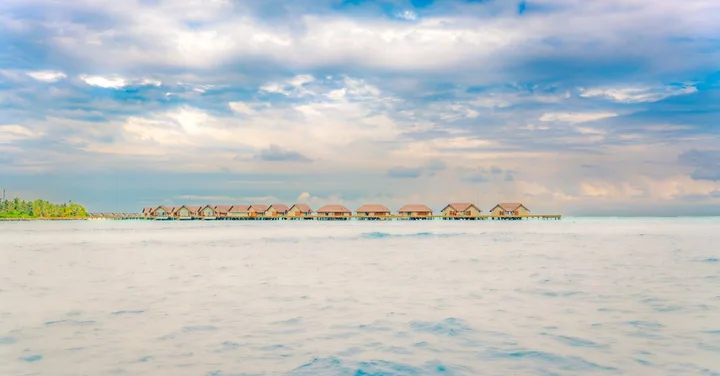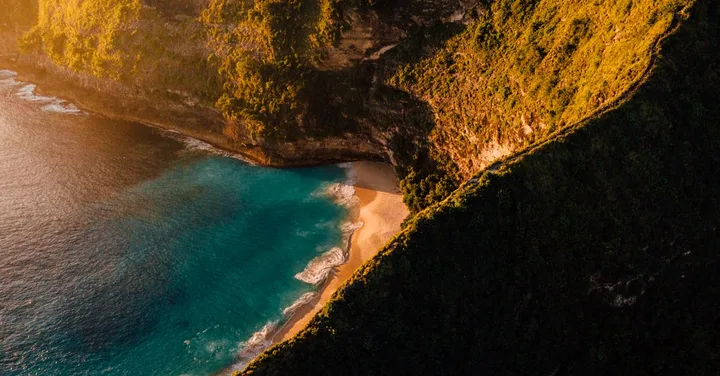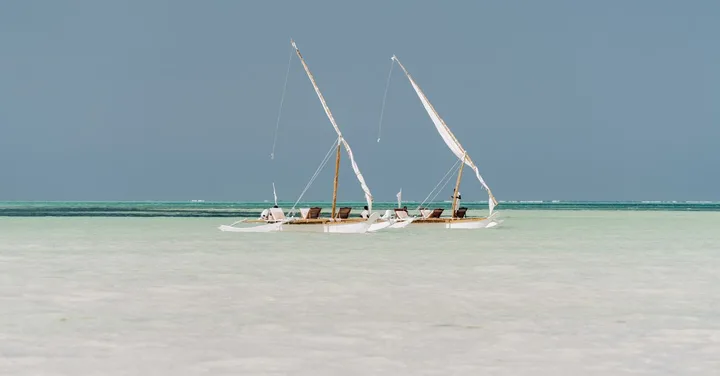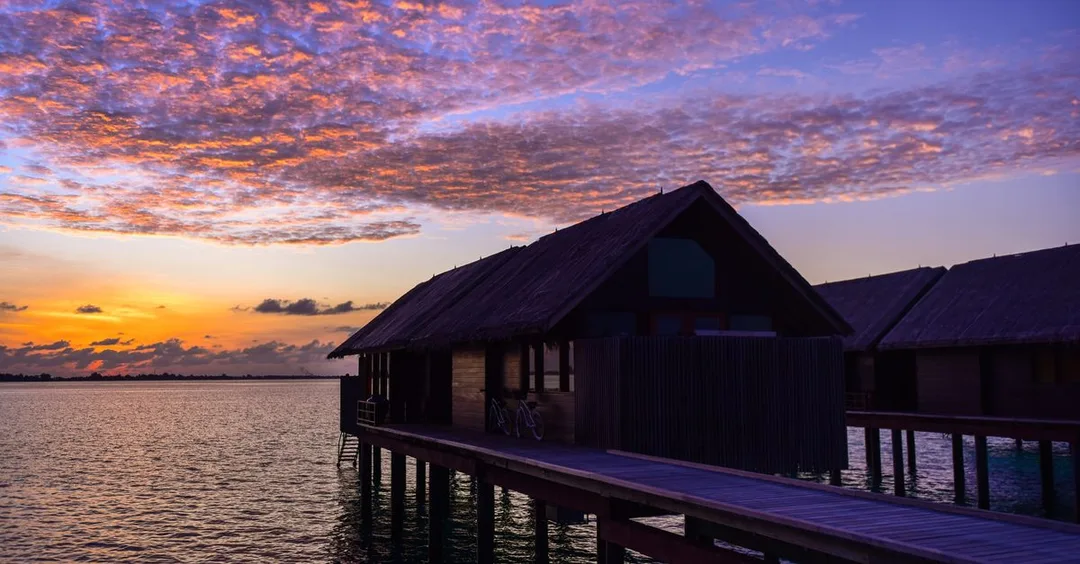
Let's be honest, this is one of the genuinely tricky decisions in travel planning. You've seen the photos, overwater villas with turquoise water below, infinity pools that blur into the horizon, and you're sold on the Maldives. But then someone mentions local islands and suddenly the math looks completely different. Same ocean, same coral reefs, a fraction of the price. So what do you actually give up, and what do you secretly gain?
This isn't a case where one option is obviously better. It depends entirely on what you want from the trip, who you're travelling with, and yes, what your budget looks like. After helping clients through 15,000+ trips across twelve years, the team at Safari Sutra Holidays has seen both choices play out beautifully and occasionally go sideways. This guide lays it out straight, so you can make the call with confidence.
At a Glance: Side-by-Side Comparison
Resort Island (Private Island Resort)
- Full-board or half-board packages, meals included
- Overwater or beach villas, private and exclusive
- Bikini-friendly beaches, alcohol available at the resort
- Speedboat or seaplane transfer from Malé (adds cost)
- Very few other nationalities on your island, extremely private
- Snorkelling and diving right from your villa or beach
- Price range: INR 1,20,000 to INR 5,00,000+ per couple per night
Local Island Stay
- Guesthouses and small boutique hotels
- Shared public beaches, some are bikini-designated
- Local cafes, restaurants, fish markets, street life
- Ferry or budget speedboat from Malé (very affordable)
- Mix of tourists and local Maldivian community
- Easy access to snorkelling spots and day trips
- Price range: INR 8,000 to INR 25,000 per couple per night
The gap is real. But so is the difference in what you experience.
What the Ocean and Landscape Actually Look Like
Here's something most comparison articles skip: the underwater world is largely the same whether you're on a luxury resort island or a local island. The Indian Ocean doesn't charge a premium. The coral reefs around Maafushi or Rasdhoo are genuinely spectacular, and you'll see reef sharks, turtles, eagle rays, and whole neighbourhoods of parrotfish on a local island snorkelling trip that costs you INR 1,500 per person.
What is different is the setting above water. On a private resort island, you're on land that's been completely shaped around your comfort. The beaches are raked every morning. The vegetation is pruned. There's no noise except the water, birdsong, and the occasional thud of a coconut.
On a local island like Maafushi, Dhigurah, or Fulidhoo, you get the Maldives and its people. The call to prayer at dawn. Fishing boats coming in at sunset, loaded with the evening's yellow fin tuna. Kids cycling past your guesthouse. It's real, it's warm, and for many Indian travellers who connect easily with close-knit island communities, it actually feels more alive.
The seaplane transfer to a far-flung resort island is genuinely extraordinary, fifteen minutes over water so clear you can see coral heads from the air. If budget allows, that experience alone is worth factoring in. According to Visit Maldives, there are over 160 resort islands spread across 26 atolls, so the landscape variety between resorts can be dramatic too.
Best Time: When to Choose Each
The Maldives has two broad seasons. The dry season runs from November to April, when you get calm seas, clear skies, and visibility underwater that goes beyond 20 metres. This is peak time for both options.
For resort islands, November to March is ideal because the calm water makes overwater villas genuinely magical. You want still water under that glass floor, not choppy grey waves.
For local islands, May to October (the wet season) is actually workable in a way it isn't for expensive resorts. Why? Because if a day gets rained out at a INR 15,000/night guesthouse, you've lost very little. If you're paying INR 1,50,000/night for an overwater villa and the weather closes in for two days, that stings. Local islands in the wet season are quieter, cheaper, and the diving community actually loves the green season for manta ray sightings.
For Indian travellers, the school holiday windows, April-May, October, and December-January, align well with the dry season shoulder periods. January and February are the sweet spot: excellent weather, rates slightly lower than December peaks, and thinner crowds.
Experience for Indian Travellers: What You Should Know
India is one of the Maldives' largest tourist markets, so you're genuinely welcomed on both types of stays. No cultural awkwardness, no visa drama. Indian passport holders get a free 30-day on-arrival visa, which is one of the smoothest entry processes in the region.
On resort islands, you'll find Hindi-speaking staff at many of the major properties, Indian vegetarian food available on request, and Indian guests are common enough that you won't feel out of place. The staff are trained for it.
On local islands, interactions are more organic. Maldivians are warm, quietly hospitable people. English works everywhere. You won't find much Indian food, but the local cuisine, fresh fish curries, flatbreads called roshi, and the national dish garudhiya (a clear tuna broth) is genuinely delicious and familiar in spirit to South Indian coastal cooking.
One important note for Indian couples travelling to local islands: the Maldives is a Muslim country and local islands follow Islamic guidelines in public spaces. Bikinis are not allowed on public beaches, but most popular local islands now have a designated "bikini beach," usually a sandbar a short boat ride away. This is well-organised and very much worth knowing before you arrive.
Flights are easy from most Indian cities. Direct flights operate from Mumbai, Delhi, Chennai, Bengaluru, and Hyderabad to Malé. The flight time is under three hours from Mumbai, which makes this one of the easiest international trips for Indian travellers. You can check Incredible India for any updated travel advisories before your trip.
Cost Comparison in INR (7 Nights, Couple)
Let's compare the same trip duration, apples to apples, for a couple travelling from Mumbai.
Local Island Trip (7 nights, Maafushi or Rasdhoo)
- Return flights Mumbai-Malé: INR 30,000 to INR 50,000
- Guesthouse accommodation: INR 8,000 to INR 15,000/night = INR 56,000 to INR 1,05,000
- Meals (local cafes, some guesthouse meals): INR 1,500/day = INR 10,500
- Snorkelling and diving trips: INR 8,000 to INR 15,000 total
- Ferry transfers: INR 2,000 to INR 5,000
- Total rough estimate: INR 1,10,000 to INR 1,80,000
Resort Island Trip (7 nights, 4-star resort, half-board)
- Return flights Mumbai-Malé: INR 30,000 to INR 50,000
- Speedboat/seaplane transfer: INR 15,000 to INR 60,000 per couple
- Resort accommodation (4-star, beach villa): INR 40,000 to INR 90,000/night = INR 2,80,000 to INR 6,30,000
- Add-ons: excursions, à la carte meals, spa: INR 20,000 to INR 50,000
- Total rough estimate: INR 3,50,000 to INR 8,00,000
The resort trip costs roughly three to five times more. Whether that gap is worth it depends entirely on what you're prioritising.
There's a smart middle-ground that many Safari Sutra Holidays clients choose: spend four nights on a resort island and three nights on a local island in the same trip. You get the private luxury experience and the cultural, exploratory one, and the total cost sits somewhere between the two extremes.
If you're already weighing options, browsing through our Maldives Holiday Packages gives you a good sense of what different budgets unlock.
One thing to keep in mind about those dreamy overwater villa photos: they're almost always shot in the early morning light. By 9am, the sun is high and the light turns harsh. If you do book an overwater villa, book a west-facing one. The sunset views from your deck in the late afternoon are extraordinary, and that's when those photos you'll actually want to post happen.
Verdict: Which One Should You Book First?
Book a resort island stay if: you're celebrating a honeymoon, anniversary, or a milestone birthday. If privacy and complete switching-off is the goal. If you want to spend most of your time on your deck, in the water, at the spa, and not think about logistics. If budget isn't a hard constraint.
Book a local island stay if: this is your first Maldives trip and you want to understand the place before committing to a big resort budget. If you're a diver or snorkeller who wants to spend every day in the water without paying resort prices for dive packages. If you travel with curiosity and enjoy connecting with local life. If you're travelling in a group or family where cost adds up fast.
Neither option is wrong. They're just different trips.
Frequently Asked Questions
Q: Is the Maldives safe for Indian tourists on local islands?
Completely. The Maldives is one of the safest destinations in Asia for Indian travellers. Local islands have a quiet, community feel and crime is extremely low. Women travelling in pairs or couples report feeling very comfortable. Just be mindful of local customs in public spaces, modest clothing outside the beach areas is appreciated.
Q: Do Indian vegetarians have food options in the Maldives?
On resort islands, yes, almost always. Most international resorts accommodate vegetarian and Jain diets with advance notice. On local islands, it's trickier because Maldivian cuisine is fish-heavy. That said, larger local islands like Maafushi have restaurants that cater to tourists and usually offer egg dishes, pasta, and some vegetarian options. Carrying a few ready-to-eat snacks from home is sensible.
Q: Is a seaplane transfer worth the cost?
If you can swing it, yes. The seaplane flight itself is a genuinely rare experience, low altitude over the atolls with the coral formations visible below. Most seaplane-accessible resorts are also the more remote, more spectacular ones. The catch: seaplanes only fly in daylight, so arrival timing matters for your itinerary.
Q: Can we combine a local island stay with a resort stay in one trip?
Yes, and this is actually a great structure for a 10 to 12 night trip. Start with 3 to 4 nights on a local island to explore freely, then move to a resort for the last 4 to 5 nights to relax fully. Many Indian travellers find this gives them the best of both without feeling like they missed anything.
Q: Which atolls have the best local islands for Indian travellers?
South Malé Atoll (Maafushi, Guraidhoo) is the most accessible from Malé and has the most tourist infrastructure. For a quieter, more authentic experience, Ari Atoll islands like Rasdhoo or Ukulhas are excellent, and they're closer to the best manta ray and whale shark sites.
Q: How far in advance should Indian travellers book?
For resort islands in peak season (December to February), book 3 to 6 months ahead, especially for overwater villas. For local island guesthouses, 4 to 8 weeks is usually enough, though popular spots on Maafushi fill up during Indian school holidays.
Q: Is the Maldives worth it when India has beautiful islands like the Andamans?
Both are genuinely worth your time and they feel different. The Andamans offer lush forests, WWII history, and incredible diving at a fraction of the cost, and they're accessible from Chennai or Kolkata without an international flight. The Maldives is more purely oceanic, flatter, and the underwater biodiversity is different. Think of them as two separate things to do, not competing choices.
Can't Decide? Talk to Safari Sutra
We've sent clients to both. Some came back from a local island and said they'd never do anything else. Others spent five nights on a resort island and said the peace alone was worth every rupee. There's no single right answer, but there is a right answer for you, based on your travel style, travel group, and what you need from this particular trip.
Contact Safari Sutra Holidays and we'll tell you which one suits you better.

Safari Sutra Team
Travel curators with 13 years of experience planning Indian and international holidays — from safari adventures to island escapes.
View All Posts