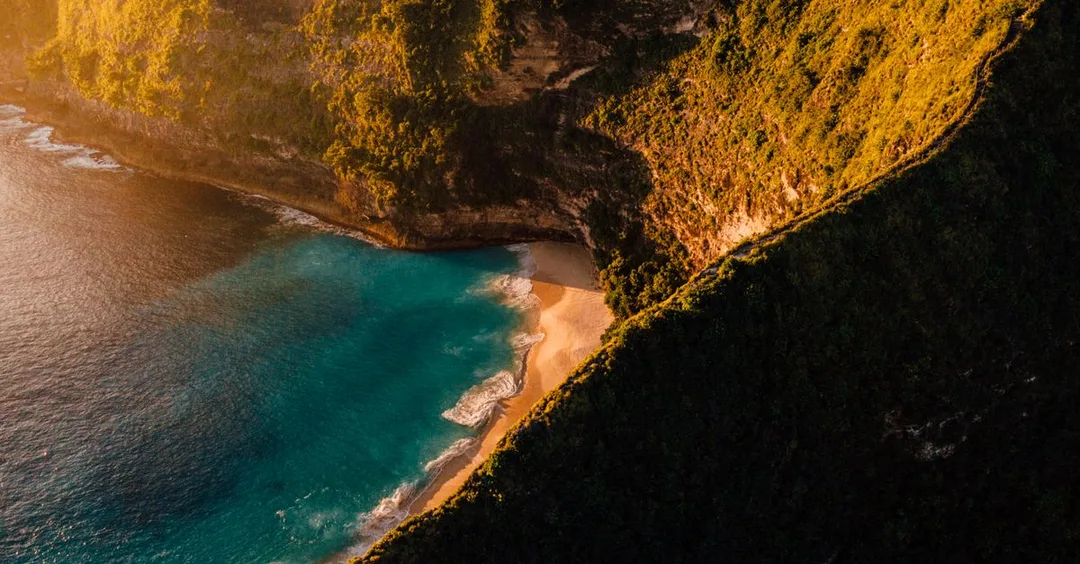
You smell it before you see it. Cloves, heavy and sweet, carried on a warm Indian Ocean breeze as your small propeller plane banks low over a coastline so green it looks almost impossibly lush. Below you, the water shifts from deep navy to turquoise to the palest jade, interrupted by coral reefs you can trace clearly from the air. Zanzibar's famous beaches feel like a memory already. This is Pemba Island, and almost nobody knows it exists.
In This Guide
- Pemba Island Tanzania for Indian Travellers: What You Actually Get
- Best Time to Visit (Month-by-Month, Honest)
- Top Experiences You Can't Miss
- Safari Sutra Package Options & Prices in INR
- Getting There: Flights from India
- Visa, Vaccinations & Practical Prep
- Frequently Asked Questions
- Plan Your Pemba Island Tanzania Trip with Safari Sutra
That's the point.
Pemba Island Tanzania for Indian Travellers: What You Actually Get
Pemba sits about 80 kilometres north of Zanzibar, separated from mainland Tanzania by the Pemba Channel. It's part of the same Tanzanian archipelago, administered by the same government, and yet it feels like a completely different world. Where Zanzibar has beach clubs, party tourists, and a well-worn backpacker trail, Pemba has mangrove forests, dhow harbours where fishermen still weave nets by hand, and dive sites that marine biologists consider among the top twenty in the world.
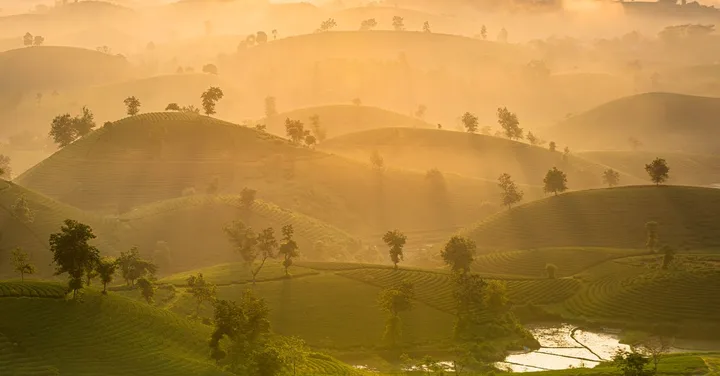
The island is roughly 67 kilometres long and 22 kilometres wide. Most of it is hilly, covered in clove plantations that have been here since the Omani Arab traders brought them in the 19th century. Pemba once produced the majority of the world's clove supply, and the local economy still revolves around these trees. Walk through a village and the scent is extraordinary: earthy, warm, almost medicinal. Children dry cloves on palm-woven mats outside their homes. You'll see more of the real Swahili Coast here than in any Stone Town gift shop.
For Indian travellers, there's a particular resonance to Pemba. The Omani and Indian trading connections to this coastline run centuries deep. You'll notice it in the food (pilau rice, spiced meat stews, coconut curries), in the carved wooden doors on older buildings, and in the warmth with which locals receive visitors from South Asia. Pemba doesn't feel foreign. It feels ancestral in a way that's quietly moving.
The crowd here skews toward serious divers, honeymooners who want absolute privacy, and travellers who've already done Zanzibar and want something raw and real. If you're looking for a beach resort with a swim-up bar, Pemba will disappoint. If you're looking for an island that still feels like a genuine discovery, this is it. For deeper context on how Pemba fits into a broader East Africa trip, the Tanzania Tourist Board has useful background on the archipelago's geography and culture.
Best Time to Visit (Month-by-Month, Honest)
Pemba follows the same seasonal rhythm as Zanzibar, driven by the monsoons, but its hilly terrain and dense forest cover give it a slightly wetter, cooler feel year-round.
June to October is the clearest window. The Kaskazi (northeast monsoon) has passed, the Kusi (southeast monsoon) is easing by September, and you get dry, sunny days with calm seas. Diving visibility peaks here, sometimes exceeding 30 metres. This is when Pemba is at its best for non-divers too: boat trips, mangrove kayaking, village walks are all comfortable.
January to March brings warm, settled weather before the long rains arrive. Seas are generally calm, diving is excellent, and you'll find even fewer tourists than usual. For Indian families travelling during school holidays in January, this actually works well. Prices are lower than peak season, and the island doesn't feel crowded at any time of year anyway.
November and December sit in a short-rain window. Showers are usually brief afternoon affairs rather than all-day downpours, and the island turns extraordinarily green. If you're combining Pemba with a Serengeti safari (a smart pairing, which we'll come to), December works nicely for the beach leg of your trip.
April and May is the heavy rain season. Roads turn difficult, some small guesthouses close entirely, and the sea becomes rough. Skip it.
The honest answer is that June through October gives you the safest bet for first-timers. January is a genuinely good alternative that not many people consider.
Top Experiences You Can't Miss
Diving the Pemba Channel
This is the main event. The Pemba Channel drops sharply to depths of over 800 metres just offshore, creating powerful upwellings that feed extraordinary marine life. Whale sharks pass through seasonally. You'll find walls covered in soft coral that look like something from a David Attenborough set. Hammerhead sharks, Napoleon wrasse, and giant moray eels are common sightings. For Indians who've dived in the Maldives or Andamans, Pemba sits comfortably in the same conversation. It's more dramatic, less developed, and genuinely wilder.
Clove Farm Walks and Spice History
Arrange a walking tour through one of the working clove plantations in the island's interior. A local guide will show you the full process: picking, drying, and sorting. You'll taste fresh cloves straight off the tree (intense), smell nutmeg and cinnamon growing nearby, and understand why the Omani sultans fought hard to control this island. It's an immersive half-day that costs almost nothing and stays with you for years.
Mangrove Forest Kayaking
Pemba has some of East Africa's most extensive mangrove systems. Paddling through them at low tide is genuinely otherworldly: twisted roots arching overhead, crabs scrambling below, the sound of birdsong bouncing off the water. It's calm, meditative, and a good option for non-divers looking for something active.
Dhow Sailing at Sunset
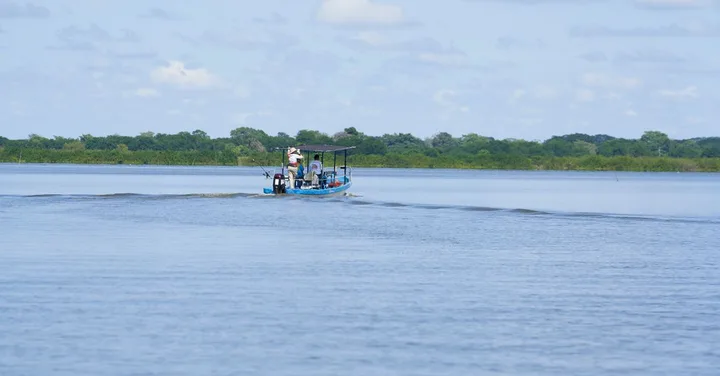
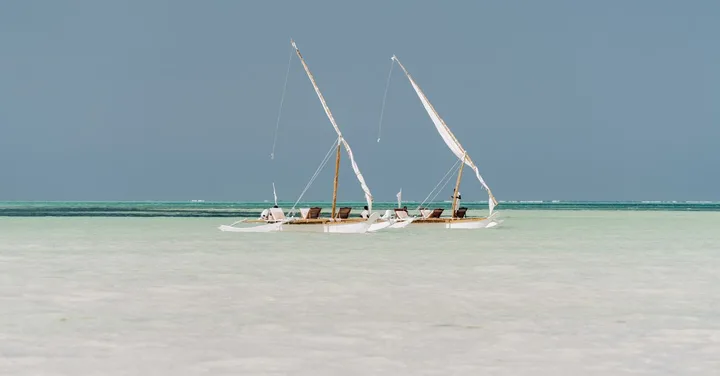
Find a local captain willing to take you out on a traditional wooden dhow for a few hours. These aren't tourist boats with branded cushions. They're working vessels, held together by craftsmanship and habit, and being on one as the sun drops over the channel, with Pemba's green hills behind you, is exactly the kind of travel moment that doesn't translate well to Instagram but stays in your chest for a long time.
Ngezi Forest Reserve
The northern tip of the island protects a rare patch of tropical rainforest. Pemba flying foxes (large fruit bats found nowhere else on earth) roost here in the thousands. The forest is also home to the Pemba sunbird and Pemba white-eye, making it a genuine draw for birdwatchers. It's a short, easy walk through cool shade, and the contrast with the clove-covered hillsides is striking.
Safari Sutra Package Options & Prices in INR
Pemba works best as part of a larger Tanzania or East Africa trip. Here's how we typically build it:
Option 1: Pemba Island Escape (4 nights)
Boutique guesthouse accommodation, daily breakfast, guided clove walk, mangrove kayak session, one boat trip. Flights from Zanzibar included. Starting from approximately Rs. 85,000 per person, twin-share. Good for couples who want a short detox after a Zanzibar leg.
Option 2: Zanzibar + Pemba Combination (8 nights)
Three nights in Stone Town, five nights in Pemba with a focus on diving (two guided dive sessions included). Covers Stone Town heritage walks, spice tour, and all inter-island transfers. Starting from approximately Rs. 1,65,000 per person. Our most popular structure for first-time Indian visitors to the Tanzanian islands.
Option 3: Tanzania Safari + Islands (12 nights)
Four nights on safari covering Serengeti and Ngorongoro Crater, followed by four nights in Zanzibar and four nights in Pemba. This is the complete Tanzania story. Starting from approximately Rs. 3,20,000 per person. Flights from Arusha to Zanzibar included, all inter-island transfers handled. Explore the full range of our Tanzania Safari Packages to see how the safari leg fits in.
Option 4: Honeymooner's Pemba (6 nights)
Private villa or premium eco-lodge, sunset dhow sailing, couples' diving introduction, candlelit beach dinners, and a full-day private boat excursion around the island. Starting from approximately Rs. 2,20,000 per couple. This is not a standard package: we build it specifically for each couple.
All prices are indicative and depend on season, specific property availability, and group size. International flights from India are separate.
Getting There: Flights from India
There's no direct route to Pemba from India. The standard path is:
-
Fly from Mumbai, Delhi, Bengaluru, or Hyderabad to Zanzibar (ZNZ) or Dar es Salaam (DAR). Kenya Airways via Nairobi is typically the most reliable connection, with journey times of around 10 to 12 hours including the layover. Ethiopian Airlines via Addis Ababa is another solid option.
-
From Zanzibar or Dar es Salaam, catch a short propeller-plane flight to Pemba (PMA). Coastal Aviation and Auric Air operate these routes. The flight from Zanzibar is roughly 30 to 40 minutes. Alternatively, a ferry from Zanzibar takes around 4 to 5 hours and is considerably cheaper, though the sea can get rough.
-
We always recommend flying both ways if your budget allows. The sea crossing is an adventure on a calm day and a misery on a rough one.
Book international flights 3 to 4 months in advance for the best fares. June to August tickets from India to East Africa sell out quickly, particularly around Indian school holidays.
Visa, Vaccinations & Practical Prep
Visa: Indian passport holders need a visa for Tanzania. The easiest route is the e-visa, applied for online through the official Tanzania immigration portal. As of 2025, the tourist visa costs USD 50 for single entry. Processing typically takes 3 to 7 working days. Don't leave this to the last week.
Yellow Fever: If you're arriving from a yellow fever-endemic country (or even transiting through one), Tanzania requires a Yellow Fever vaccination certificate. Even if it's not mandatory for your specific routing, get the vaccine anyway. It's valid for life now, and several other East African countries require it. Get it done at a registered travel clinic at least 10 days before departure.
Malaria: Pemba is a malaria zone. Speak to your doctor about prophylaxis. Anti-malarial tablets are commonly prescribed for travel to this region. Carry mosquito repellent with DEET, sleep with nets where provided, and cover up at dusk. The risk is real, not theoretical.
Currency: The Tanzanian Shilling (TZS) is the local currency, though USD is widely accepted in tourist areas. Carry some USD cash in small denominations for tips and smaller transactions. Pemba has very limited ATM infrastructure, so carry cash from Zanzibar or Dar.
Connectivity: Mobile data is patchy on Pemba. Zanzibar is much better connected. Consider this a feature rather than a bug. Most good properties on Pemba have WiFi, but it's not fast or reliable. Tell your family you'll be unreachable for a few days. They'll survive.
Health: Bring a basic medical kit. The nearest well-equipped hospital is in Zanzibar. Travel insurance with medical evacuation cover is not optional for Pemba. Make sure yours is valid for Tanzania.
The Tanzania National Parks website has useful general health and safety guidance for Tanzania visitors, even for the island portions of your trip.
Frequently Asked Questions
Q: Is Pemba Island safe for Indian tourists?
Yes, Pemba is a genuinely safe destination. It's quieter and less developed than Zanzibar, which actually means less petty crime and less hassle for tourists. The island community is small and close-knit. Dress modestly in villages (Pemba is predominantly Muslim), and you'll receive nothing but warmth. Basic common sense applies everywhere.
Q: Can I visit Pemba without being a diver?
Absolutely. Diving is the headline attraction, but Pemba has plenty for non-divers. The clove farm walks, mangrove kayaking, Ngezi Forest, dhow sailing, and simply sitting on a near-empty beach make for a deeply satisfying trip. If you've been thinking about learning to dive, a calm, uncrowded island with excellent visibility is actually a near-perfect place to start.
Q: How does Pemba compare to Zanzibar for a honeymoon?
Pemba wins on privacy and atmosphere. Zanzibar wins on infrastructure, nightlife, and ease. For couples who want a beach honeymoon where they genuinely feel like they've found somewhere private, Pemba is the better choice. For couples who want beach plus Stone Town exploration plus easy restaurant options, Zanzibar is more practical. The ideal honeymoon, honestly, combines both.
Q: What's the best way to combine Pemba with a Tanzania safari?
The classic structure is to do the safari first (Serengeti, Ngorongoro Crater, possibly Tarangire), fly from Arusha to Zanzibar, spend a few days exploring Stone Town and the north beaches, then take a short flight to Pemba for the final leg. It works brilliantly as a two-week trip. Safari Sutra Holidays has built this exact structure for dozens of Indian families and couples over the years, and it never fails to impress.
Q: Is Pemba suitable for families with children?
It depends on the children. Pemba suits older kids (12+) who are curious, self-entertaining, and comfortable with limited screen time and no theme parks. Younger children will find the lack of child-specific infrastructure frustrating, and the malaria risk requires extra caution. For families with younger kids, Zanzibar is the easier, more practical choice.
Q: What should I pack specifically for Pemba?
Pack light, breathable clothing in modest styles (no sleeveless tops for village visits), good reef-safe sunscreen, DEET-based repellent, any prescription medication you need (local pharmacies are limited), a small dry bag for boat trips, and an unlocked phone for a local SIM. Snorkelling gear is worth bringing if you have it: rental quality on Pemba is variable. Underwater cameras or GoPros will see serious use here.
Q: When does Safari Sutra recommend combining the Northern Serengeti with Pemba?
Great question. The Northern Serengeti in October-November is our quiet favourite internally: you catch the tail end of the Great Migration in the north plus the start of calving season in the southern Serengeti, sometimes within the same 7-day safari. Add Pemba immediately after, when the seas are calming and the island receives almost no visitors, and you have a remarkable two-week trip that costs less than you'd expect and delivers more than almost any other combination in East Africa.
Plan Your Pemba Island Tanzania Trip with Safari Sutra
Pemba isn't for everyone, and that's precisely what makes it worth the effort. It's for the traveller who's been to Zanzibar (or who wants to skip the crowds entirely), who values quiet over convenience, and who wants to come home saying they found somewhere real.
Safari Sutra Holidays has been building East Africa trips for Indian travellers for over 12 years, across more than 15,000 trips. We know how to structure the Pemba leg so it's genuinely comfortable rather than just adventurous in theory. We know which properties have reliable generators, which dive operators are actually safe, and how to connect it with a Serengeti safari in a way that flows logically and doesn't leave you exhausted.
Ready to Plan Your Trip?
Safari Sutra Holidays — 13 years, 15,000+ trips, zero cookie-cutter itineraries.
Get Your Free Custom Quote →+91 9860415774 | hello@thesafarisutra.com

Safari Sutra Team
Travel curators with 13 years of experience planning Indian and international holidays — from safari adventures to island escapes.
View All Posts