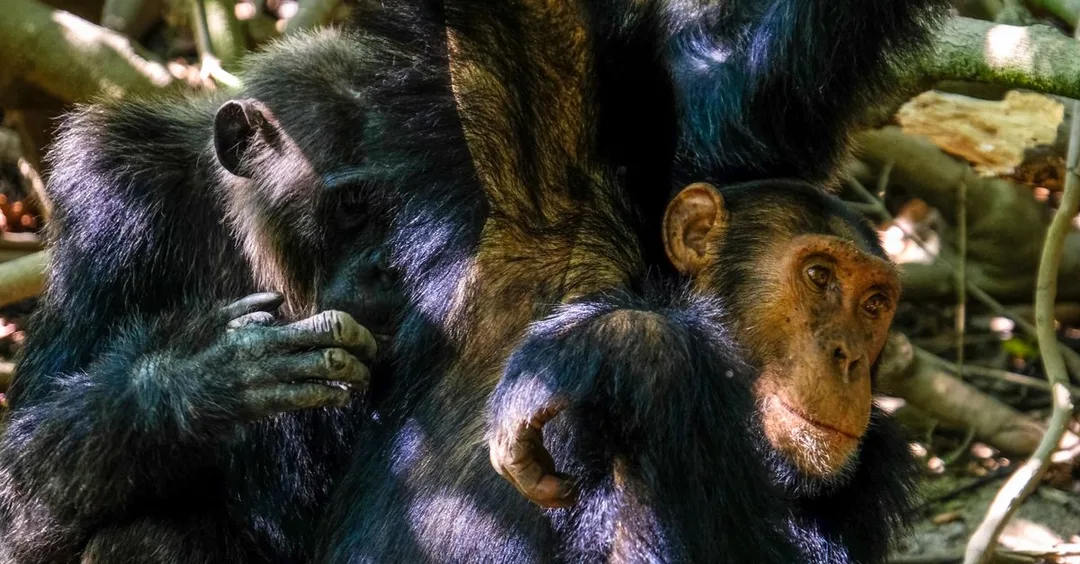
You're standing in dense forest at 1,400 metres, breathing hard, sweat soaking through your shirt. The guide holds up a fist, everyone freezes. Then you hear it: a sound somewhere between a scream and a laugh, impossibly human. Branches crack above you. A chimpanzee drops down to a lower limb, not three metres away, and stares at you with eyes that carry something complicated and ancient. You forget to take a photo. You just stand there, heart hammering, completely floored by the fact that this is real.
In This Guide
- Mahale Mountains Tanzania for Indian Travellers: What You Actually Get
- Best Time to Visit (Month-by-Month, Honest)
- Top Experiences You Can't Miss
- Safari Sutra Package Options & Prices in INR
- Getting There: Flights from India
- Visa, Vaccinations & Practical Prep
- Frequently Asked Questions
- Plan Your Mahale Mountains Tanzania Trip with Safari Sutra
That's Mahale.
Mahale Mountains Tanzania for Indian Travellers: What You Actually Get
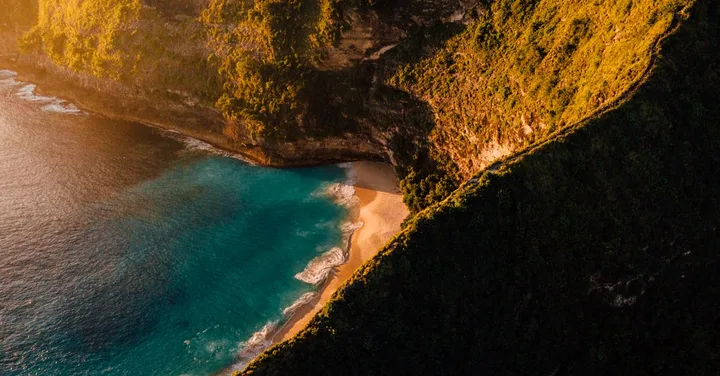
Mahale Mountains National Park sits on the eastern shore of Lake Tanganyika in western Tanzania, and it's one of the most remote wildlife destinations on the African continent. There are no roads into the park. You arrive by boat or light aircraft. The only accommodation options are a handful of high-end camps, and that's exactly the point.
This is not a place you visit because it's convenient. You visit because nowhere else on earth gives you this specific combination: wild chimpanzees habituated to humans, a forest that spills directly onto a freshwater lake so clear it looks like the sea, and a silence so complete that you hear your own breathing.
The star of the show is the Mahale M Group, a community of roughly 60 chimpanzees that researchers from Kyoto University have been studying since the 1960s. Because of that decades-long habituation process, these chimps go about their day largely unbothered by your presence. You might spend an hour watching a young male crack palm nuts while his mother grooms him nearby. You'll see politics, play, tenderness, and the occasional spectacular chase through the canopy.
For Indian travellers, Mahale represents the kind of travel that's genuinely rare: a place where the experience itself is so absorbing that WhatsApp can wait. It pairs beautifully with a Serengeti safari, giving you the full sweep of Tanzania's extraordinary wildlife range, from the open plains to the deep forest. You can browse Safari Sutra's Tanzania Safari Packages to see how we typically combine these destinations into a single trip.
The honest caveat: Mahale is expensive, remote, and physically demanding. Treks can last 3-6 hours depending on where the chimps have moved. You'll be navigating roots, steep slopes, and thick undergrowth. If your idea of wildlife watching is a game drive with a cool drink in hand, that's fine, but Mahale is a different kind of adventure.
Best Time to Visit (Month-by-Month, Honest)
June to October is the best window, full stop. This is the dry season. The forest floor is easier to navigate, the chimps tend to stay at lower elevations where they're easier to find and follow, and the lake is calm and brilliant blue. July and August are peak months for a reason.
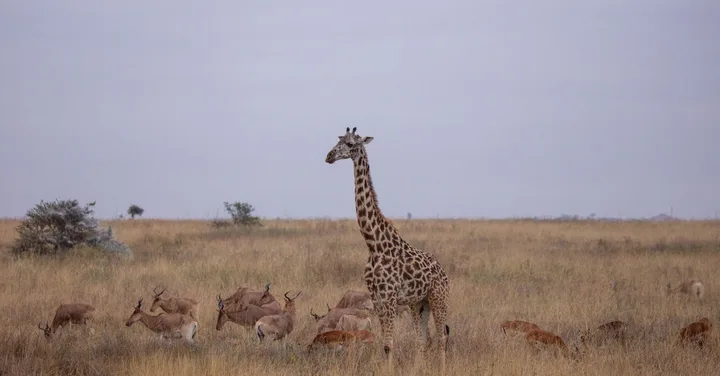
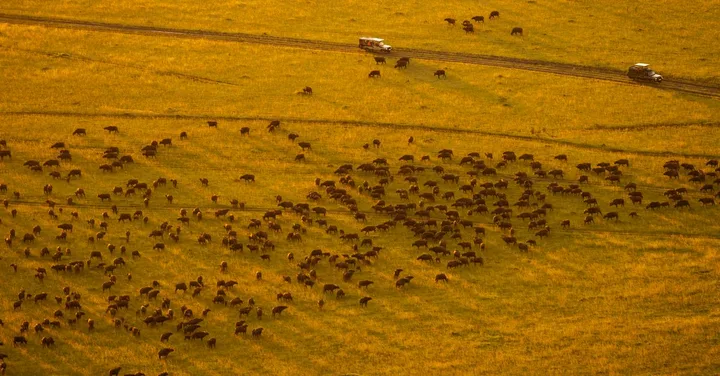
January to March is a secondary good window. The short dry spell makes trekking manageable, and this period coincides with the calving season in the southern Serengeti around Ndutu, so it combines well if you're planning a wider Tanzania circuit.
April and May bring heavy rains to the whole country. The forest trails at Mahale become genuinely treacherous, some camps close entirely, and the logistical complexity goes up sharply. Avoid these months.
November and December see short rains, lighter than April-May. Some years this period is perfectly fine; other years it's muddy and difficult. It's a gamble we don't usually recommend for first-timers.
One insider note from our planning team: the Northern Serengeti in October-November is a quiet favourite for pairing with Mahale. You catch the tail of the migration there, and calving is already starting in the south, which sometimes means extraordinary predator action across both zones in a single 7-day trip.
Top Experiences You Can't Miss
Chimpanzee trekking
This is the entire reason to come. The morning starts early, typically 6:30am, with trackers heading out before you to locate the M Group. When you join, you follow single file through forest that gets denser and steeper as you climb. The minimum trekking age is 15, and you'll spend no more than one hour with the chimps once found, a rule that protects the animals and, honestly, makes the encounter feel more precious.
Swimming and kayaking in Lake Tanganyika
Lake Tanganyika is the second deepest lake in the world and home to hundreds of species of cichlid fish found nowhere else. The water temperature in the dry season sits around 25-27 degrees. You can snorkel over rocky shallows and watch electric-blue fish dart between the stones, or take a kayak out at dusk when the lake turns the colour of a mango. After a hot morning trek, the lake is simply extraordinary.
Sunset dhow cruises
The camps arrange traditional wooden dhow trips along the shoreline as the sun drops behind the Congolese mountains across the water. The scale of the view is hard to convey. You're looking across 50 kilometres of freshwater into the Democratic Republic of Congo, mountains piled behind mountains, the whole scene turning orange and purple.
Forest birds and other primates
Mahale hosts red colobus monkeys, yellow baboons, and a range of forest species rarely seen on classic East African safaris. For birders, the forest holds palm-nut vultures, African fish eagles, and several species of forest kingfisher that are genuinely difficult to see elsewhere in Tanzania. Check the Tanzania National Parks official site for the full wildlife list.
Village visits to Mgamba
Some camps arrange cultural visits to nearby fishing communities, where you can see how people live alongside this extraordinary landscape. The fishing traditions on Tanganyika go back centuries and the smoked fish trade is still a major part of local life. It's low-key and genuine, not a staged performance.
Safari Sutra Package Options & Prices in INR
Mahale is a premium destination, and pricing reflects the remote logistics involved in getting you there and keeping you comfortable once you arrive.
Option 1: Mahale Express, 4 nights
Fly into Mahale via Kigoma, three full trekking days, one beach day. Simple, focused, ideal if you're combining with a longer Serengeti safari elsewhere in the trip. Approximately Rs 2,80,000 to Rs 3,20,000 per person, based on mid-range camp accommodation, including all park fees and internal flights within Tanzania.
Option 2: Mahale + Serengeti, 9 nights
Four nights in Mahale followed by five nights across the Serengeti, with the specific Serengeti zones depending on the time of year. This is our most popular Tanzania combination for travellers who want both primate and plains safari. Approximately Rs 4,80,000 to Rs 5,60,000 per person.
Option 3: Mahale + Serengeti + Zanzibar, 13 nights
The complete Tanzania circuit. Primates, plains, beach. Three completely different ecosystems, zero wasted days. This works beautifully as a honeymoon structure, particularly if you spend the Zanzibar portion at Nungwi in the north. Approximately Rs 6,20,000 to Rs 7,50,000 per person depending on camp and hotel tier.
Option 4: Luxury Mahale, 5 nights
If you're committed to staying at one of the top-tier camps on the lake, the experience goes up several notches: private guides, better food, more comfortable banda design, and a more personal ratio of staff to guests. Approximately Rs 5,50,000 to Rs 6,80,000 per person for Mahale alone. Worth every rupee if budget allows.
Option 5: Family or Small Group Customised
For families or groups of 6 or more, we build entirely custom itineraries that can substantially reduce per-person costs and allow more flexibility on pacing. Talk to Safari Sutra Holidays directly for a tailored quote.
All prices are approximate, cover twin-sharing accommodation, park fees, game drives or treks, and internal Tanzania flights. International flights from India are separate.
Getting There: Flights from India
There's no getting around it: Mahale requires commitment. The journey from India typically goes like this.
Fly from Mumbai or Delhi to Dar es Salaam or Kilimanjaro with Kenyan Airways via Nairobi, Ethiopian Airlines via Addis Ababa, or Qatar Airways via Doha. Flight times are roughly 10-13 hours total including connection. Dar is generally easier for western Tanzania logistics.
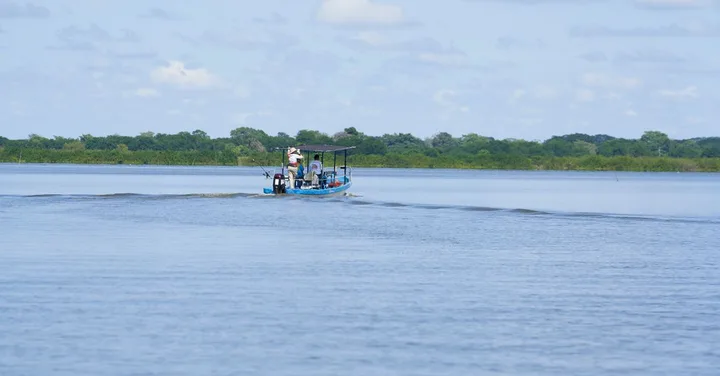
From Dar, you take a domestic flight to Kigoma, the main town on the Tanzanian shore of Tanganyika, roughly 2 hours. From Kigoma, a light charter flight into the park airstrip takes about 30 minutes, or you travel by boat, which takes 4-5 hours depending on conditions.
Some operators run charter flights directly from Arusha or the Serengeti into Mahale, which works cleanly if you're combining both parks on the same trip. This is typically how we structure the Mahale plus Serengeti package.
Budget around Rs 80,000 to Rs 1,20,000 per person for international return flights from India, depending on season and how far in advance you book.
Visa, Vaccinations & Practical Prep
Visa: Indian passport holders need a Tanzania visa. You can apply online through the Tanzania Tourist Board e-visa portal before travel. Cost is around USD 50 for a single entry tourist visa. Processing usually takes 3-5 business days. Always apply at least 2 weeks before departure.
Yellow fever vaccination: This is mandatory for entry into Tanzania if you're arriving from a yellow fever endemic country, and India is on that list. Carry your International Certificate of Vaccination (yellow card) with you. Get this at a government vaccination centre in Mumbai, Delhi, or other major cities.
Malaria: Mahale is a malaria zone. Consult your doctor at least 4-6 weeks before travel about prophylaxis. We also recommend long-sleeved clothing, a good DEET-based repellent, and a mosquito net (camps provide these, but it's worth bringing your own as backup).
Physical fitness: No mountaineering experience needed, but honest fitness matters. Treks can be 3-6 hours on uneven terrain. Walk regularly in the months before your trip. The reward for the effort is proportional, the harder the trek, the more private the chimp encounter tends to be.
What to pack: Muted colours only in the forest, khaki, olive, grey, dark green. Bright colours and white disturb the animals and break tracking etiquette. Bring ankle-support hiking shoes, not sandals. A small daypack, two litres of water, sunscreen, and a hat. Cameras are fine; flash photography is prohibited near the chimps.
Currency: Tanzania uses the Tanzanian Shilling, but USD is widely accepted at camps and for tips. Carry small USD bills. Tipping guides and trackers is standard and genuinely appreciated, budget around USD 20-30 per guide per day.
Frequently Asked Questions
Q: Is Mahale Mountains suitable for first-time safari travellers from India?
Mahale works best as part of a broader Tanzania itinerary rather than a first-ever African trip. If this is your first safari, we'd suggest starting with the Serengeti and Ngorongoro, then returning for Mahale when you're ready to go deeper. That said, if you're reasonably fit, comfortable with remoteness, and genuinely excited about primates over big cats, Mahale can absolutely be a first safari. Just go in with clear expectations about the physical demands.
Q: How certain is it that you'll actually see chimpanzees?
In the dry season (June-October), sighting rates at Mahale are very high, typically above 90% on any given day. The habituated M Group is tracked daily by researchers and camp guides, so by the time you set out in the morning, the trackers usually already know roughly where the chimps spent the night. Bad days happen, the forest is big and chimps move, but Mahale has a much more reliable sighting record than most primate destinations.
Q: Can children trek in Mahale?
The minimum age for chimpanzee trekking is 15 years. This is a park regulation enforced strictly, not a camp preference. Younger children would need to stay at camp during treks, which limits the experience significantly. Mahale works beautifully as a family trip once kids are teens. For younger families, consider a Serengeti plus Zanzibar structure instead.
Q: Is Mahale safe for solo Indian female travellers?
Yes, with the right camp and planning. Because Mahale operates as an all-inclusive, guided environment, you're always with qualified guides in the forest and well looked after at camp. The camps are small (rarely more than 10-16 guests), which creates a close, community feel. We at Safari Sutra Holidays regularly help solo female travellers plan this trip and have had nothing but positive feedback.
Q: How does Mahale compare to gorilla trekking in Rwanda?
They're quite different experiences. Gorilla trekking in Rwanda is more structured, treks are often shorter, the gorillas are considerably larger and more immediately awe-inspiring in a physical sense, and Rwanda as a destination is easier to reach. Mahale chimps feel somehow more relatable because their behaviour is so recognisably human: social dynamics, play, conflict, affection. Rwanda is more dramatic; Mahale is more intimate. Many serious wildlife travellers eventually do both.
Q: What's the accommodation actually like at Mahale?
The camps are small, typically 5-8 bandas (thatched chalets), set directly on the lakeshore. Interiors are simple but genuinely comfortable: proper beds, hot water bucket showers, electricity for a few hours in the evening for charging devices. Meals are served communally and the food is surprisingly good, fresh fish from the lake features heavily. This is not a luxury resort in the city-hotel sense, it's a remote wilderness camp where comfort means clean, quiet, and beautifully situated.
Q: Do we need travel insurance for Mahale?
Absolutely, and make sure your policy covers emergency medical evacuation. The nearest major hospital is in Kigoma, which is a boat and flight away from the park. Evacuation insurance is non-negotiable for remote Tanzania. Your policy should also cover trip cancellation given the significant investment involved.
Plan Your Mahale Mountains Tanzania Trip with Safari Sutra
Mahale is the kind of place that changes what you think travel can be. Sitting on the edge of Lake Tanganyika after a morning trek, listening to chimps call in the forest behind you, the water stretching away to the mountains of Congo, there's nothing else competing for your attention. No notifications, no traffic, no noise except the lake and the birds and your own thoughts finally slowing down.
Getting here takes planning, the right timing, and a good understanding of what you're signing up for. That's where 12 years and 15,000+ trips of experience comes in. We know the camps, we know the seasonal rhythms, and we know how to build a Tanzania itinerary that earns every rupee you put into it.
If you want to understand the full picture of what Tanzania offers beyond Mahale, start with our Tanzania Safari Packages page. It covers the Serengeti, Ngorongoro, Zanzibar, and how we typically combine them with a Mahale leg.
Ready to Plan Your Trip?
Safari Sutra Holidays — 13 years, 15,000+ trips, zero cookie-cutter itineraries.
Get Your Free Custom Quote →+91 9860415774 | hello@thesafarisutra.com

Safari Sutra Team
Travel curators with 13 years of experience planning Indian and international holidays — from safari adventures to island escapes.
View All Posts