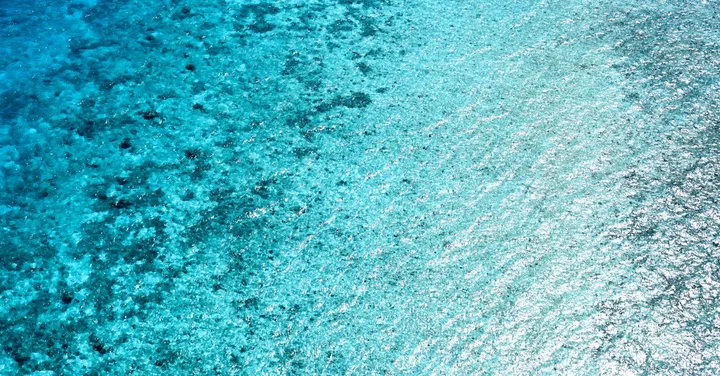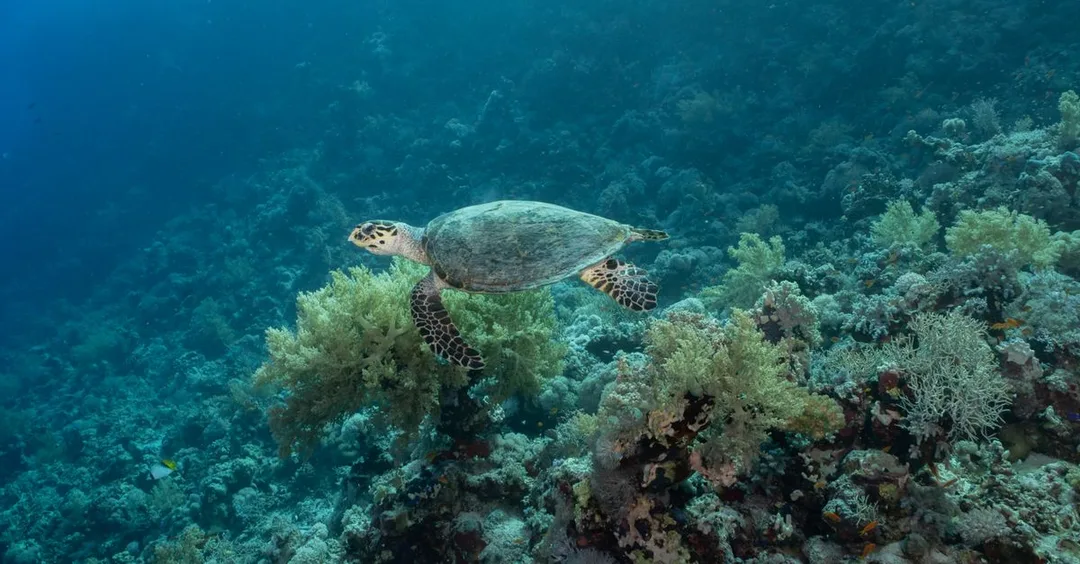
The water is warm, clearer than anything you've seen off India's coasts, and about three metres below you, a green sea turtle is doing absolutely nothing in a hurry. It's drifting over a coral garden the colour of a Rajasthani sunset, completely unbothered by your presence. Somewhere to your left, your snorkel guide taps his tank and points: a whale shark, the size of a school bus, moving through the blue like it owns the place. Because it does. Welcome to Watamu.
In This Guide
- Watamu Marine National Park Kenya for Indian Travellers: What You Actually Get
- Best Time to Visit (Month-by-Month, Honest)
- Top Experiences You Can't Miss
- Safari Sutra Package Options & Prices in INR
- Getting There: Flights from India
- Visa, Vaccinations & Practical Prep
- Frequently Asked Questions
- Plan Your Watamu Marine National Park Kenya Trip with Safari Sutra
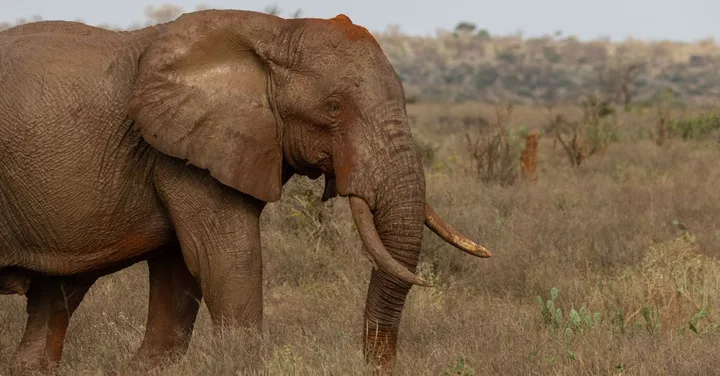
Most Indian travellers who visit Kenya stop at the Masai Mara and call it done. That's a great trip. But the ones who tack on a few days at the coast, specifically at Watamu Marine National Park Kenya, tend to come back saying it was the part nobody warned them about. In the best way possible.
Watamu Marine National Park Kenya for Indian Travellers: What You Actually Get
Watamu sits about 120 kilometres north of Mombasa, on Kenya's Indian Ocean coastline. The marine national park covers roughly 10 square kilometres of protected reef, seagrass beds, and open water, and it connects to the larger Malindi-Watamu Marine Reserve on either side. The Kenya Wildlife Service manages the park, and the protection shows: the reefs here are in genuinely good shape compared to much of the East African coast.
For Indian travellers, this place has a very specific appeal. The ocean here feels familiar in temperature and colour, but the marine life is on a completely different level from anything you'd find off Goa or the Andamans without serious diving credentials. You don't need those credentials at Watamu. Snorkelling here is accessible, family-friendly, and genuinely rewarding even for complete beginners.
What you'll actually find in the water: healthy hard and soft corals, green and hawksbill turtles (reliably, not rarely), moray eels, octopus, lionfish, parrotfish, and large schools of tropical reef fish. The whale sharks are seasonal, but when they're around, they are the main event. The area around Watamu is one of the few places in Africa where you can snorkel with whale sharks in relatively shallow, calm water.
On land, Watamu village is small, low-key, and refreshingly uncommercialised compared to Diani or Malindi. The accommodation options range from simple beach cottages to proper boutique lodges with infinity pools. The food scene is a mix of fresh seafood, Swahili cuisine, and the occasional wood-fired pizza at a beachside café. It's not a party town. It's a place for people who want to actually be by the ocean, not just near it.
As Magical Kenya highlights, the entire Watamu area is also a UNESCO Biosphere Reserve, which means the conservation ethic runs deeper than just the marine park boundaries. The turtle conservation programs here are world-class, and visiting them is one of the better wildlife experiences on the Kenyan coast.
Best Time to Visit (Month-by-Month, Honest)
Kenya's coast runs on different weather rhythms from the interior, so the best time for Watamu doesn't always match what you'd read in a general Kenya guide.
October to March is the sweet spot. Dry, sunny, calm seas, and water visibility that can reach 20-plus metres on good days. Whale sharks are most reliably seen between October and February. Sea turtle nesting peaks between October and March. If you're combining this with a Masai Mara safari, the November-December window works well for both: good wildlife in the Mara and perfect beach conditions on the coast.
January and February specifically are excellent. Fewer international tourists, calving season on the savannah, and whale shark season in full swing on the coast. Prices also dip slightly after the Christmas peak.
April and May bring the long rains. Visibility in the water drops, sea conditions get rougher, and some operators scale back their boat trips. Not ideal for snorkelling. Skip it if the ocean is your main reason for coming.
June and July are transitional. The rains ease off, conditions improve, and by late July you're back in solid territory. Water visibility is good, the whale sharks may still be around in early June.
August and September are reliable coast months, though it's worth knowing these are peak Masai Mara months. If you're doing a safari-and-beach combo, you'll be paying peak prices for both simultaneously. Budget accordingly.
Top Experiences You Can't Miss
Snorkelling the Coral Gardens
The three main snorkel sites inside the marine park, Turtle Bay, the Blue Lagoon, and the outer reef, are all accessible by short boat ride from the beach. Turtle Bay lives up to its name: you will see turtles here. The coral coverage is dense, the fish life is rich, and the water is shallow enough in places that you can pause and just float with your face in the water for a while without burning through energy. Half-day snorkel trips with a guide and equipment run around $25-40 per person through reputable local operators.
Swimming with Whale Sharks
This is the headline act from October through February. Whale sharks come to feed on plankton-rich waters off Watamu, and because they're filter feeders, they're completely harmless. The experience is basically: boat takes you out, spotter finds the shark, you slip into the water quietly, and then you swim alongside the largest fish on the planet for as long as it tolerates you. Ten minutes. Fifteen if you're lucky. Long enough to completely change your relationship with the ocean.
The Watamu Turtle Watch Program
Local conservation organisation Local Ocean Conservation runs a turtle monitoring and release program at the beach. You can visit their hatchery, learn about the nesting cycle of green and hawksbill turtles, and sometimes participate in early morning nest monitoring. This is one of those genuinely good conservation programs, not greenwashing. The work they've done to reduce bycatch from local fishing nets has measurably increased turtle populations in the bay.
Mida Creek
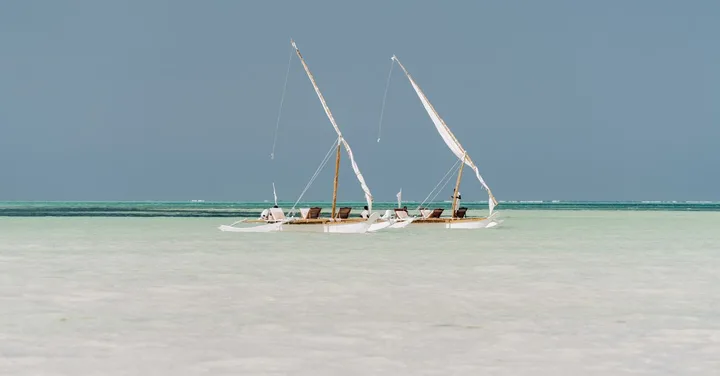
Just south of Watamu, Mida Creek is a large mangrove-lined tidal inlet that's part of the biosphere reserve. Kayaking or taking a dhow through the mangroves at sunset is a completely different experience from the reef snorkelling, quieter, more meditative, and beautiful in a way that's hard to photograph but easy to feel. Bird watchers will have a field day here: over 300 species have been recorded in the area.
Day Trip to Gede Ruins
About six kilometres from Watamu, the Gede Ruins are the remains of a Swahili-Arab trading town that dates back to the 13th century. Walking through the coral-stone walls and mosque foundations under a canopy of dense forest is genuinely atmospheric. It's a good half-day add-on, especially if you have kids who need some variety between beach days.
Safari Sutra Package Options & Prices in INR
Watamu pairs best with a Kenya safari. Here's how Safari Sutra Holidays typically structures it, though all packages are customisable.
Beach-Only Watamu Escape (4 nights)
Boutique beachside lodge, snorkelling excursions, turtle watch visit, Mida Creek kayak. Starting from approximately Rs. 55,000 per person, twin sharing, excluding flights. Good for a standalone beach trip or a bolt-on after a Mombasa arrival.
Masai Mara + Watamu Coast Combo (9 nights)
The classic. Three to four nights on safari in the Mara, fly to Mombasa, transfer to Watamu for four to five nights on the coast. This is the trip that gives you the full Kenya picture, savannah in the morning, coral reef in the afternoon. Starting from approximately Rs. 1,90,000 per person, twin sharing, excluding international flights. Check our full Kenya Wildlife Safari Packages for current itinerary details.
Premium Kenya Complete (12 nights)
Masai Mara with a private camp, Amboseli for the elephant-and-Kilimanjaro shots, then Watamu for five nights at a higher-end lodge with a private plunge pool. Whale shark snorkelling, sunset dhow on Mida Creek, all included. Starting from approximately Rs. 3,20,000 per person, twin sharing.
Family Kenya (10 nights, 2 adults + 2 children)
Designed for families with kids aged eight and up. Child-friendly safari camps, a dedicated marine park guide for the snorkelling days, turtle hatchery visit built in. Starting from approximately Rs. 3,60,000 for the family of four, excluding flights.
Honeymoon Kenya Coast (6 nights)
Watamu and Diani Beach combined, boutique lodges, private snorkel trip, a sunset dhow dinner on Mida Creek. Starting from approximately Rs. 1,40,000 per couple, excluding flights.
All packages are fully customisable. Tell us your travel dates, who you're travelling with, and we'll build from there.
Getting There: Flights from India
There's no direct flight from India to Mombasa (the closest major airport to Watamu). The most practical routing is Mumbai or Delhi to Nairobi on Kenya Airways, then a connecting domestic flight to Mombasa. Total travel time from Mumbai is around 10-11 hours with a short layover.
Ethiopian Airlines via Addis Ababa is another reliable option, with good connectivity from multiple Indian cities including Chennai, Bengaluru, and Hyderabad.
From Mombasa airport, Watamu is roughly a two-hour drive north on a reasonable road. Some travellers fly into Malindi instead (there are charter connections from Nairobi), which cuts the transfer to 30 minutes.
If you're combining Watamu with a Masai Mara safari, the most efficient routing is fly into Nairobi, do the safari, then take a domestic flight from Nairobi to Mombasa or Malindi to finish on the coast.
Visa, Vaccinations & Practical Prep
Visa: Kenya moved to an Electronic Travel Authorisation (eTA) system in 2024. Indian passport holders apply online at Magical Kenya or the official eTA portal. Processing usually takes 72 hours. Cost is $30 USD. Apply at least a week before departure to be safe.
Yellow Fever: Not mandatory for Kenya unless you're arriving from a yellow fever endemic country. But if you're combining with other East African destinations, check requirements carefully. We recommend speaking to a travel medicine clinic before any Africa trip.
Malaria: Watamu is a malaria-risk area. Consult your doctor about prophylaxis. Practical measures: long sleeves at dusk, a good repellent (DEET-based), and sleeping in air-conditioned or well-screened rooms. The risk is real but manageable.
Money: Kenya runs on Kenyan shillings, but USD is widely accepted at tourist-facing businesses. Cards work at lodges and some restaurants. Carry some cash for local boat operators and smaller excursions.
What to pack: Reef-safe sunscreen (regular sunscreen damages coral and is discouraged in the marine park), a rash guard for sun protection while snorkelling, lightweight linen for evenings, and a basic first aid kit. The water is warm enough that you don't need a wetsuit.
Frequently Asked Questions
Q: Is Watamu safe for Indian tourists?
Watamu is consistently regarded as one of the safer parts of the Kenyan coast. It's a small, close-knit community where tourism is the main economy, and operators have strong incentive to maintain a good reputation. Standard urban-travel precautions apply, don't walk alone on deserted beaches at night, keep valuables in the hotel safe, but the general atmosphere is relaxed and welcoming. We've sent many families and solo travellers here without incident.
Q: Can non-swimmers or nervous swimmers enjoy Watamu?
Yes, genuinely. Much of the best snorkelling in Turtle Bay is in water shallow enough to stand in. Life jackets are available on all guided snorkel trips. If you're comfortable floating face-down in a hotel pool, you can handle the snorkelling here. The whale shark experience does require being comfortable in open water, so discuss this honestly with your guide before going out.
Q: How does Watamu compare to the Maldives or Andamans?
The Maldives has more dramatic overwater infrastructure and marketing. The Andamans have excellent coral in protected areas. But Watamu has something both lack: large marine megafauna you can actually swim with in accessible conditions. The whale sharks, the turtles, the chance of seeing manta rays, it's a different category of marine experience. The accommodation is more rustic than the Maldives, but the wildlife interaction is harder to find elsewhere.
Q: What's the best way to combine a Watamu trip with a Masai Mara safari?
The standard and most satisfying approach is safari first, beach second. Fly into Nairobi, head straight to the Mara, do three to four nights on the savannah, then fly to the coast for your beach time. This gives you a natural gear change, from early morning game drives to afternoons in the water. We've done this circuit hundreds of times and the sequencing just works. One tip we've learned from running 400+ groups to Kenya since 2013: if you're visiting the Mara in July or August, book your river crossing game drives for the weekday mornings. Weekend sightings can draw 50-plus vehicles. One week either side of the absolute peak gives you the migration with significantly less crowd pressure.
Q: Do I need to be a diver to get the most out of Watamu?
Not at all. Snorkelling covers the main highlights: reef life, turtles, and whale sharks. Scuba diving is available for certified divers and opens up the deeper reef sections, but the snorkelling here is genuinely satisfying on its own. If you've always wanted to try scuba, Watamu is a good place to do a beginner Discover Scuba session in calm, warm, clear water.
Q: When exactly are whale sharks at Watamu?
Peak season is October through February, with November, December, and January typically the most reliable months. Sightings aren't guaranteed (they're wild animals, not a scheduled show), but Watamu has one of the highest whale shark encounter rates in East Africa during this window. March and September can also produce sightings. Avoid expecting them in May and June.
Q: Is this a good trip for families with young children?
For kids aged eight and above, yes, strongly. For younger children, it depends on their comfort in water. The beach itself is safe and calm. The snorkel trips are better suited to kids who are confident swimmers. The turtle hatchery visit is brilliant for any age and is often the highlight for younger kids. Gede Ruins works well for curious children aged six and up.
Plan Your Watamu Marine National Park Kenya Trip with Safari Sutra
Watamu doesn't appear in most India-to-Kenya itineraries by default. Most packages default to Nairobi, Masai Mara, done. Adding the coast, specifically this stretch of it, takes a little more planning, but it's the difference between a great Kenya trip and a complete one.
Safari Sutra Holidays has been building Kenya itineraries since 2013, and the Masai Mara plus Watamu combination has quietly become one of our most-loved Africa trips. The people who do it once tend to plan their return before they've even landed back in India.
If you're considering the Masai Mara and want to understand all your Kenya options, start with our Kenya Wildlife Safari Packages for the full picture on safari options, camps, and timing.
For the coast specifically, tell us your dates, your group, and what matters most to you, whether that's whale sharks, turtle conservation, or just a good beachside lodge with honest seafood. We'll put together something that actually fits.
Ready to Plan Your Trip?
Safari Sutra Holidays — 13 years, 15,000+ trips, zero cookie-cutter itineraries.
Get Your Free Custom Quote →+91 9860415774 | hello@thesafarisutra.com

Safari Sutra Team
Travel curators with 13 years of experience planning Indian and international holidays — from safari adventures to island escapes.
View All Posts