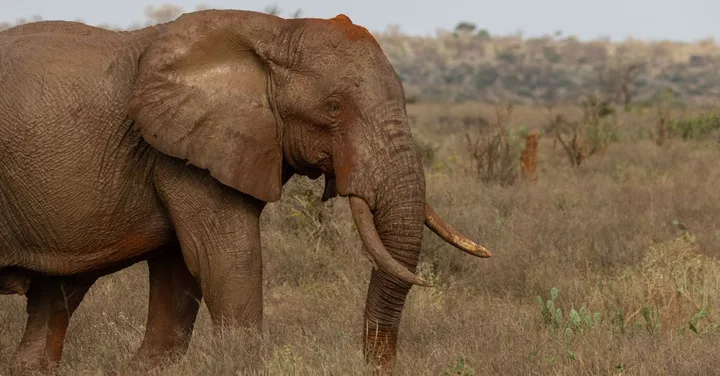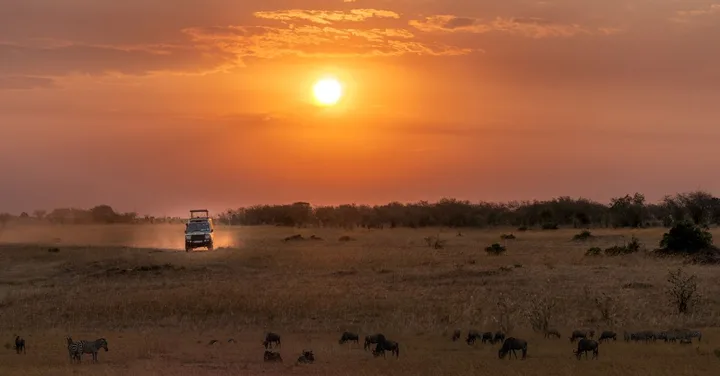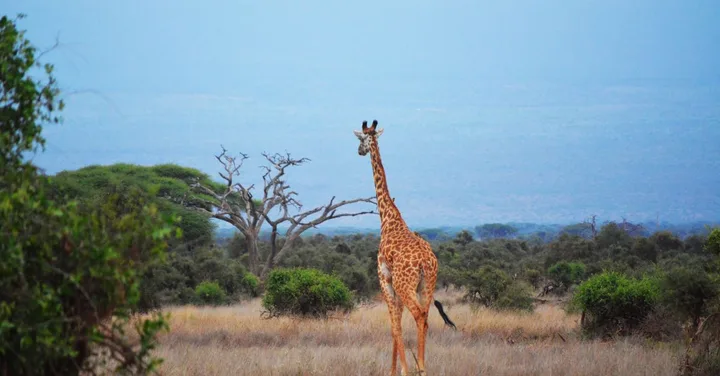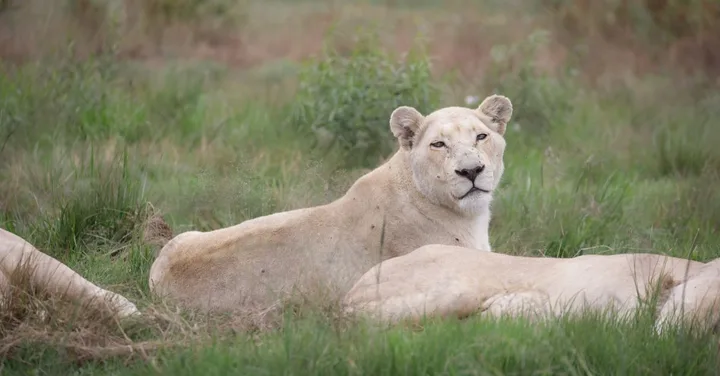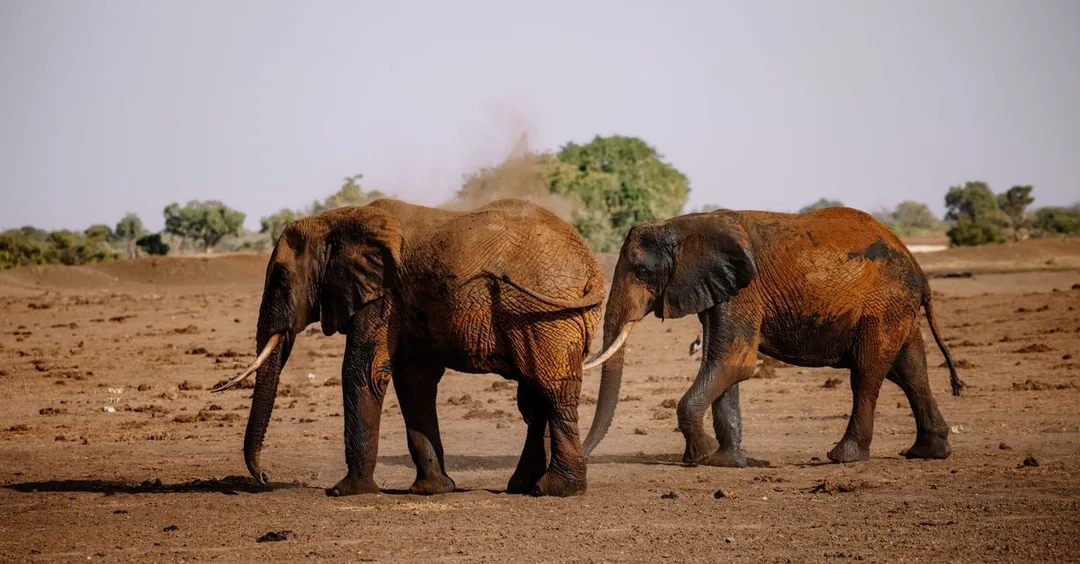
Imagine standing on the roof of your Land Cruiser at dawn, the air carrying that particular mix of red dust and wild grass that you won't find anywhere else on earth. A herd of 200 elephants moves slowly toward the Galana River, their skin stained brick-red from the volcanic soil. There's no sound except low rumbles between them and the distant cry of a fish eagle. No other jeeps. No one jostling for position. Just you, your guide, and a scene so unhurried it feels like the planet forgot to check its schedule. This is Tsavo East National Park, and it's the Kenya most Indian travellers have never heard of.
In This Guide
- Tsavo East National Park for Indian Travellers: What You Actually Get
- Best Time to Visit (Month-by-Month, Honest)
- Top Experiences You Can't Miss
- Safari Sutra Package Options & Prices in INR
- Getting There: Flights from India
- Visa, Vaccinations & Practical Prep
- Frequently Asked Questions
- Plan Your Tsavo East National Park Trip with Safari Sutra
Tsavo East National Park for Indian Travellers: What You Actually Get
Tsavo East is Kenya's largest national park, covering over 13,700 square kilometres of open savannah, ancient lava flows, and riverine forest along the Galana River. To put that in perspective, it's bigger than the entire state of Goa, roughly six times over. According to the Kenya Wildlife Service, the Tsavo ecosystem as a whole protects the largest elephant population in Kenya, numbering in the thousands.
For Indian travellers, the appeal is straightforward. You're not fighting peak-season crowds like you would in the Masai Mara during July and August. The landscape is rawer, more open, more cinematic. And the signature experience, spotting those red elephants caked in terracotta-coloured dust, is genuinely unlike anything else in Africa.
This isn't a "beginner safari" destination, exactly. It rewards travellers who have either done Kenya before or who want something more off-track from the start. The roads are rougher, the distances longer, the camps fewer. But that's precisely the point. If you want the Mara's reliable Big Five density, go there. If you want space, silence, and the feeling of having actually discovered something, Tsavo East delivers.
It pairs beautifully with Amboseli (for the Kilimanjaro elephant shots) or with a Diani Beach extension for a classic safari-to-sea finish. When clients ask us about Kenya wildlife safari packages that go beyond the standard Mara itinerary, Tsavo East is often the first thing we bring up.
The red elephants deserve their own paragraph. The iron-rich red soil of Tsavo coats the elephants' skin when they dust-bathe, giving them that extraordinary rust-coloured look. It's not a different species, it's just Tsavo's own brand of drama. For Indian photographers especially, that colour against the golden grass in late afternoon light is the kind of shot you spend years chasing.
Best Time to Visit (Month-by-Month, Honest)
January and February are excellent. Dry, warm, good game-viewing along the Galana River. This is actually one of the best-value windows for the whole Kenya circuit, with fewer international tourists and lower camp rates than peak season.
March through May brings the long rains. Tsavo's murram roads turn slippery and some tracks become impassable. Camps don't close the way they do in some parts of Kenya, but game drives get harder and less predictable. Skip this window if it's your first time.
June through October is peak season across Kenya. For Tsavo East, July to September is the sweet spot: dry, cool mornings, elephant herds concentrating around water sources, and the best all-round game-viewing. Prices go up, but you're getting the best conditions. One practical note: while Tsavo East never gets the jeep traffic of the Mara, do book your camps early if you're targeting July-August.
We've taken 400+ groups to the Masai Mara since 2013, and the most common mistake we see is booking peak July-August without knowing that river crossings can draw 50 or more jeeps per sighting. One week either side gives you the migration with far less crowd pressure. The same principle applies in Tsavo: the window of late October through November (as the short rains begin) is genuinely underrated. The bush turns green almost overnight, elephants are everywhere, and you'll often have a waterhole entirely to yourself.
November and December bring short rains, usually brief afternoon showers. The landscape turns lush and green. Birdwatching goes up several notches. Prices drop. If your travel dates are flexible and you don't need guaranteed dry-season conditions, this is genuinely good value.
Magical Kenya publishes detailed monthly wildlife calendars that are worth checking when you're firming up dates.
Top Experiences You Can't Miss
The red elephants at Voi River: Position yourself at one of the Galana or Voi River crossings in the late afternoon and wait. The elephants arrive in waves, sometimes hundreds at a time. It's not dramatic the way a Mara River crossing is. It's slow and magnificent.
Mudanda Rock: A natural dam that acts as a water magnet during dry season. Herds of elephant, zebra, and buffalo converge here. You can park above the waterline and watch from an elevated vantage point. There's something deeply satisfying about wildlife coming to you.
Night game drives (where permitted): Tsavo East allows night drives from certain private conservancies and camps on the park's borders. Aardvarks, genets, porcupines, honey badgers. The nocturnal Tsavo is a completely different park.
Lugard Falls: Where the Galana River squeezes through ancient volcanic rock into a series of pools. It's not a dramatic waterfall, more like a sculpture garden made by water over millions of years. The crocodiles lounging on the banks are enormous.
Birding: Over 500 species recorded. Lilac-breasted rollers, carmine bee-eaters, yellow-necked spurfowl. If you haven't paid much attention to birds on previous wildlife trips, Tsavo East has a way of converting you.
Safari Sutra Package Options & Prices in INR
All prices are per person on a twin-sharing basis and include flights from Mumbai unless stated otherwise.
Classic Tsavo East (4 nights)
Ideal for: First-timers adding Tsavo to a longer Kenya itinerary. Stays at a mid-range tented camp, two game drives daily, all meals in camp.
From approximately Rs 95,000 per person (land only)
Tsavo East + Amboseli Combo (7 nights)
The best intro to southern Kenya's two most distinct landscapes. Kilimanjaro views in Amboseli, red elephants in Tsavo.
From approximately Rs 1,75,000 per person (including flights from Mumbai)
Tsavo East + Diani Beach (8 nights)
Classic safari-to-sea. Three nights Tsavo East, five nights Diani Beach on a boutique property. Transfers by domestic flight.
From approximately Rs 2,10,000 per person (including international flights)
Tsavo + Masai Mara + Beach (12 nights)
Our most comprehensive southern Kenya circuit. Covers Tsavo, the Mara, and either Diani or Zanzibar. Built for serious wildlife enthusiasts who want the full picture.
From approximately Rs 3,20,000 per person (including flights)
Premium Tsavo (5 nights, luxury tents)
Stays at a premium private conservancy camp on the Tsavo East border. Private vehicle included. Butler-service tents, sundowner setups, chef-prepared dinners under acacia trees.
From approximately Rs 2,80,000 per person (land only)
All packages are customisable. Reach out to Plan Your Trip with Safari Sutra to get an itinerary built around your specific dates and group size.
Getting There: Flights from India
Ready to Plan Your Trip?
Safari Sutra Holidays — 13 years, 15,000+ trips, zero cookie-cutter itineraries.
Get Your Free Custom Quote →+91 9860415774 | hello@thesafarisutra.com

Safari Sutra Team
Travel curators with 13 years of experience planning Indian and international holidays — from safari adventures to island escapes.
View All Posts