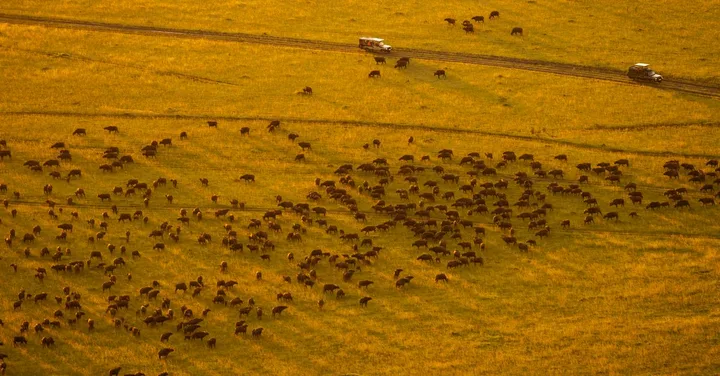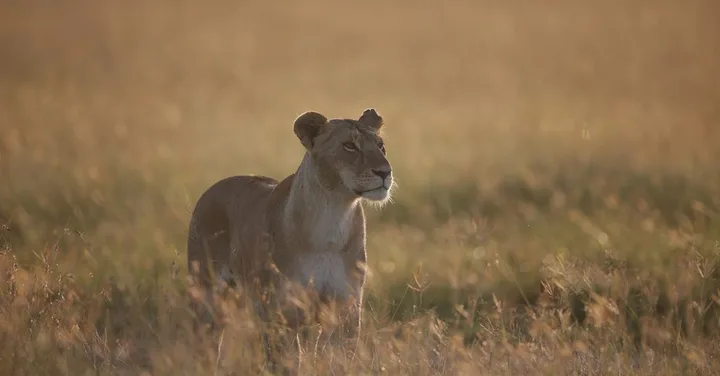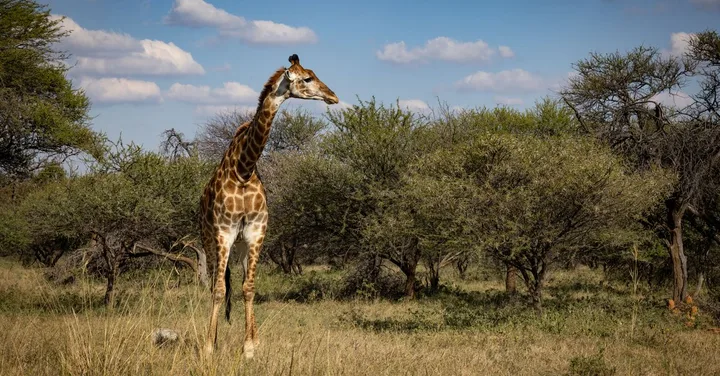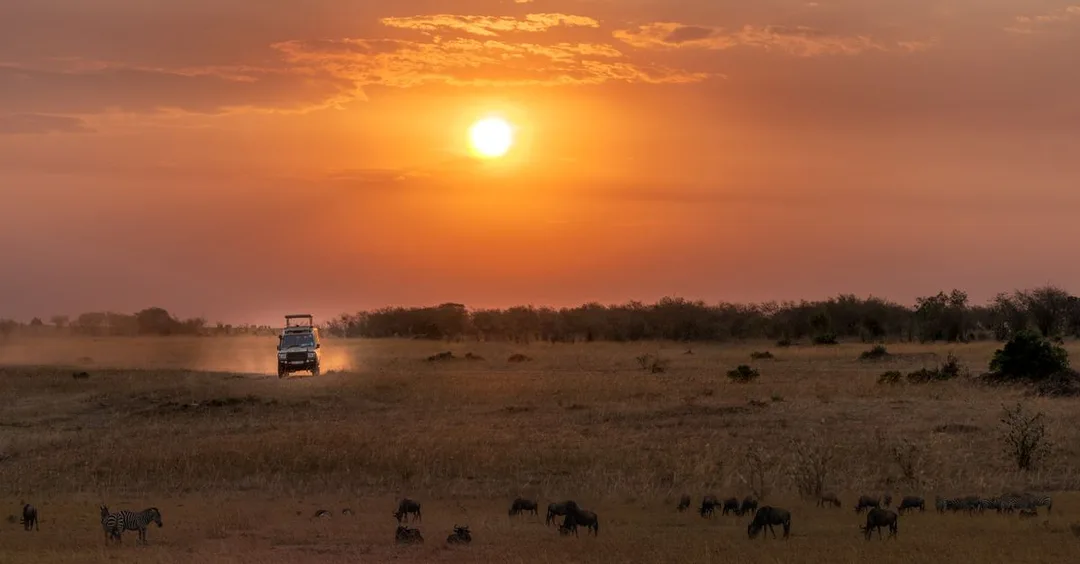
You're standing at the edge of the Mara River at dawn. The air smells of wet grass and something wild you can't quite name. A herd of wildebeest, maybe ten thousand strong, is massing on the opposite bank. They're nervous, shuffling, grunting. Then one jumps in, and chaos erupts. Crocodiles cut through the water like shadows. The whole thing is over in four minutes, and you're standing there with your mouth open, heart hammering, wondering how any screen in the world could ever come close to this.
That's Kenya. And whether you get that exact scene depends almost entirely on when you go.
This guide breaks it down honestly, month by month, with no fluff. Because Kenya isn't a destination where "any time is a good time." Some months are genuinely spectacular. Others are beautiful but rainy. And a couple are best avoided if the Great Migration is what you're after.
Why Kenya Is Perfect for Indian Travellers
Let's be honest: East Africa has been on the Indian traveller's radar for a while now, but Kenya specifically keeps rising to the top, and for good reason.
Flights from Mumbai, Delhi, and Bengaluru to Nairobi are well-connected, with Kenya Airways flying direct from Mumbai and multiple one-stop options via Addis Ababa, Doha, or Dubai. Travel time is roughly 7 to 9 hours, which is shorter than flying to many European destinations.
Kenya is also one of the most accessible African safari countries for Indian passport holders. You can get a visa on arrival, or apply for an eVisa through the official portal, making the paperwork side genuinely painless. The Kenya Wildlife Service manages a network of national parks and conservancies that range from the famous Maasai Mara to the lesser-known but equally gorgeous Samburu and Amboseli.
The food? You'll find Indian restaurants in Nairobi, and Kenyan coastal cuisine along the Mombasa stretch has strong South Asian influence from centuries of trade routes. The spiced rice, samosas, and chai will feel oddly like home in the best possible way.
And for families with kids, Kenya works brilliantly. Game drives are exciting without being physically demanding. Most lodges cater well to families. And seeing a leopard draped over an acacia tree at sunset is the kind of thing your kids will talk about for decades.
If you're putting together your first African safari trip, Kenya is genuinely the best starting point. Check out our Kenya Wildlife Safari Packages to see what's possible across different budgets and travel styles.
Best Time to Visit Kenya Safari: Month by Month, Honestly
January and February
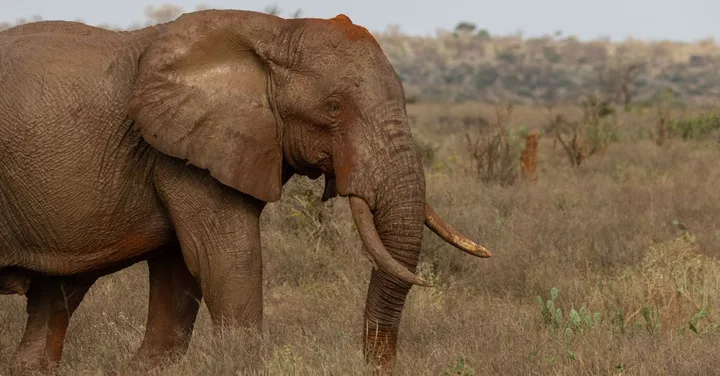
These are excellent months. The weather is dry, warm, and sunny. Crowds are lower than the peak July-October window, and game viewing in parks like Amboseli, Samburu, and the Laikipia plateau is superb. Elephants are easy to spot near Mount Kilimanjaro's backdrop in Amboseli. Migration herds are in Tanzania during this period, so don't go to the Mara expecting the river crossings. Go for everything else, which is still extraordinary.
March, April, and May
This is the long rainy season, called the "long rains" locally. Roads in some parks get muddy and impassable. Some smaller lodges close. That said, the landscape turns emerald green, prices drop significantly, and the crowds thin out almost entirely. Birding is phenomenal. If you're a photographer who wants dramatic skies and green savannah without sharing sightings with twelve other vehicles, this window has a certain quiet magic to it. Just go in with realistic expectations.
June
The rains start to clear and the wildebeest migration begins its northward push from Tanzania toward the Mara. Game starts concentrating as the dry season sets in and water sources shrink. June is a genuinely underrated month, less crowded than July and August, with good sightings and reasonable prices. This is the sweet spot for value-focused travellers.
July, August, and September
This is peak season, and for good reason. The Great Migration river crossings happen in the Masai Mara during this window, typically between late July and October. It's also the driest period, so game concentrates around waterholes and rivers, making sightings easier and more dramatic. Expect higher prices and busy camps. Book at least six to eight months in advance if you're targeting this window, especially for mid-range and luxury lodges in the Mara. Every rupee you spend here in peak season is justified.
October
The crossings start winding down as wildebeest begin moving back south. But October is still excellent for big cat sightings in the Mara, and the park isn't as congested as August. It's also a good month for Amboseli and Tsavo if you want to mix your parks.
November and December
The short rains arrive in November, usually lighter and less disruptive than the long rains. Game viewing continues, parks stay open, and the Christmas-New Year period sees a spike in travellers and prices. Families and couples who want a December safari should book early and budget for the holiday premium. The festive atmosphere at lodges is genuinely warm, and some camps do beautiful Christmas setups.
In one line: The best time for the Great Migration is July to October. The best time for value and crowd-free game viewing is June or November. The best overall months if you're flexible are June, September, and October.
What's Included in Kenya Safari Packages
A good Kenya safari package typically covers more than just game drives. When you book through Safari Sutra Holidays, here's what a well-built Kenya package should include:
- Return international airfare from India (or land package without flights)
- Airport transfers in Nairobi
- Domestic flights between parks (Nairobi to Masai Mara, for example)
- Accommodation at safari lodges or tented camps on a full board basis
- Two to three game drives daily, including morning and evening drives
- Expert Kenyan naturalist guides
- Park entry fees and conservancy fees
- Some packages include a Nairobi city tour or visit to the Giraffe Centre and David Sheldrick Wildlife Trust
- Travel insurance is sometimes included; always confirm
What's usually not included: international flight taxes and surcharges, personal expenses, spa services, premium alcohol, optional balloon safaris (which are spectacular and worth budgeting for separately), and tips for guides and camp staff.
Package Options and Prices in INR
Here's an honest look at what different budgets get you on a Kenya safari from India. These are approximate all-inclusive per-person prices on twin sharing for a 7 to 8 night trip:
Essential Kenya Safari - from INR 1,75,000 per person
Covers Nairobi, Amboseli or Tsavo, and the Masai Mara. Mid-range lodges, group game drives, return flights included. Perfect for first-time safari travellers who want the real experience without stretching the budget.
Classic Kenya Safari - from INR 2,50,000 per person
A step up in accommodation quality, covering two or three parks including the Mara. Private game drives, better-located camps, more flexibility in scheduling. The most popular choice for couples and small families.
Premium Kenya Safari - from INR 3,50,000 per person
Top-tier lodges and tented camps within private conservancies adjacent to the Mara. Private vehicle on all game drives, sundowners in the bush, and the kind of exclusivity that makes sightings feel personal.
Luxury Kenya Safari - from INR 5,00,000 and above per person
Think Angama Mara, Mahali Mzuri, or Sanctuary Olonana. These are iconic properties with spectacular views, butler service, private guides, and experiences designed around your preferences. Ideal for honeymoons, milestone anniversaries, or anyone who simply refuses to compromise.
Kenya + Zanzibar Combo - from INR 3,00,000 per person
End your safari with four to five nights on the white sand beaches of Zanzibar. This combination is increasingly popular with Indian travellers and makes for a genuinely well-rounded East Africa trip.
For a detailed breakdown tailored to your travel dates and group size, visit our Best Kenya Safari Packages from India 2026 page.
Practical Travel Tips
Visa: Indian passport holders can apply for a Kenya eVisa online before travel. The process is straightforward, typically takes two to four working days, and costs around USD 50. You can also get a visa on arrival at Nairobi's Jomo Kenyatta International Airport, but the online process is smoother. Check the Magical Kenya official tourism site for updated entry requirements.
Flights: Kenya Airways flies direct from Mumbai to Nairobi four to five times a week. From Delhi, you'll connect via Nairobi through Addis Ababa (Ethiopian Airlines) or Doha (Qatar Airways). Total travel time ranges from 8 to 11 hours depending on your routing.
Health: Yellow fever vaccination is required if you're arriving from a yellow fever endemic country. Malaria prophylaxis is strongly recommended for safari destinations. Consult your doctor at least four weeks before departure. Pack sunscreen, insect repellent (DEET-based), and a basic first aid kit.
Currency: The Kenyan Shilling is the local currency, but USD is widely accepted at lodges and camps. Carry some small USD denominations for tips. INR is not accepted, so either convert to USD before you leave India or withdraw from Nairobi ATMs.
Packing: Neutral colours only for safari, khaki, olive, beige, brown. Avoid white (dusty roads will ruin it) and bright colours (they disturb wildlife). Lightweight layers are essential because mornings in the Mara can be genuinely cold while afternoons are warm.
Connectivity: Most lodges have Wi-Fi in common areas. In the bush, expect it to be slow or inconsistent. That's part of the experience. Let go of the group chats for a few days. Yaar, you deserve it.
Frequently Asked Questions
Q: Is Kenya safe for Indian tourists?
Kenya is generally safe for tourists in the parks and major tourism zones. Nairobi, like any large city, requires standard urban awareness. Avoid walking alone at night in certain city areas. The tourism corridors, the Mara, Amboseli, Samburu, and the coast, are well-established and see thousands of international visitors every year without incident. Use reputable operators and lodge transfers, and you'll be absolutely fine.
Q: Can I do Kenya with young children?
Yes, and it works better than most people expect. Many lodges in the Mara and Amboseli welcome children above the age of 5 or 7 (age restrictions vary by property). Kids on their first game drive, spotting a lion with cubs or a herd of elephants at close range, tend to be completely captivated. Just pick family-friendly lodges, book private vehicle game drives, and keep early morning drives optional for little ones.
Q: How many days do I need for a Kenya safari?
A minimum of 6 nights gives you a meaningful experience across two parks. Seven to ten nights is the sweet spot for most Indian travellers, especially if you're combining two or three areas plus a beach extension. Anything under five nights feels rushed unless you're focusing on a single destination.
Q: Do I need to book in advance for peak season?
For July, August, and September, yes, absolutely. Good lodges in the Mara fill up six to eight months in advance. If you're planning a peak season trip, don't wait. For the shoulder months (June, October, November), three to four months is usually sufficient, but earlier is always better for better availability and pricing.
Q: What's a balloon safari and is it worth it?
A balloon safari is an early morning hot air balloon flight over the Masai Mara, followed by a champagne bush breakfast. It typically costs USD 450 to 550 per person. It's not cheap, but watching the plains spread out below you at sunrise, with herds moving through the golden light, is genuinely something else. If it fits your budget, do it.
Q: Is Kenya better than Tanzania for a first safari?
Both are spectacular, and this question comes up a lot. Kenya's Masai Mara and Tanzania's Serengeti are essentially the same ecosystem split by a border. Kenya generally has better flight connectivity from India, slightly more accessible parks for first-timers, and a well-established tourism infrastructure. Tanzania's parks are larger and in some areas more remote. For a first African safari from India, Kenya is the more practical and equally rewarding choice.
Q: What's the tipping etiquette in Kenya?
Tipping is expected and appreciated. A general guide: USD 10 to 15 per day per person for your game drive guide, USD 5 to 10 per day for camp staff collectively. Some lodges have a communal tipping box; others prefer individual tips. Carry small USD bills specifically for this purpose.
Plan Your Trip with Safari Sutra Holidays
With 12+ years of experience and over 15,000 trips planned across Africa, Asia, and beyond, Safari Sutra Holidays knows what separates a good Kenya trip from a great one. It's the right timing, the right camps, and having someone in your corner who has actually been there, not just read about it.
Whether you're planning a solo adventure, a family safari, a romantic honeymoon, or a group trip with your people, we'll build something that fits you, not a generic itinerary from a catalogue.
The Mara is calling. The wildebeest won't wait, and neither should you.
Ready to plan your trip? Contact Safari Sutra Holidays today.

Safari Sutra Team
Travel curators with 13 years of experience planning Indian and international holidays — from safari adventures to island escapes.
View All Posts