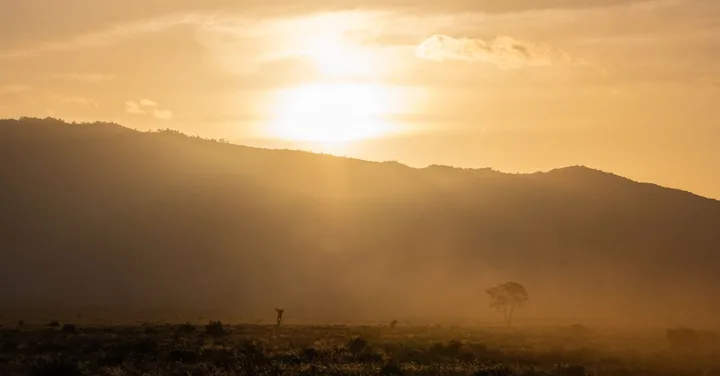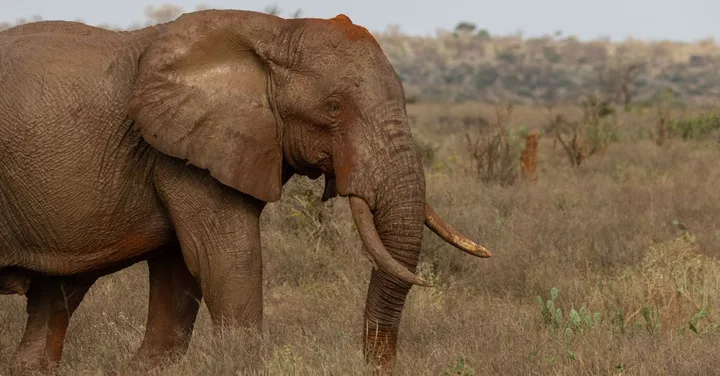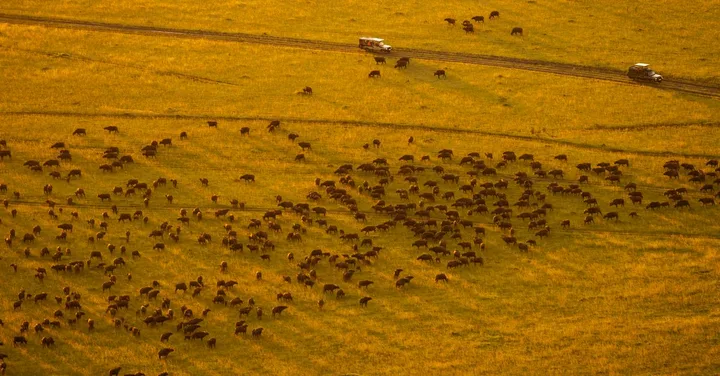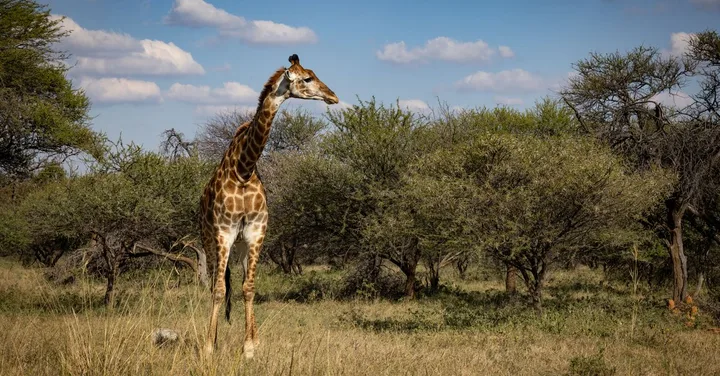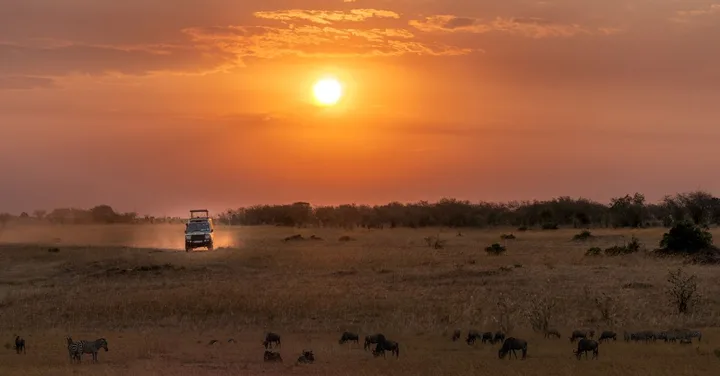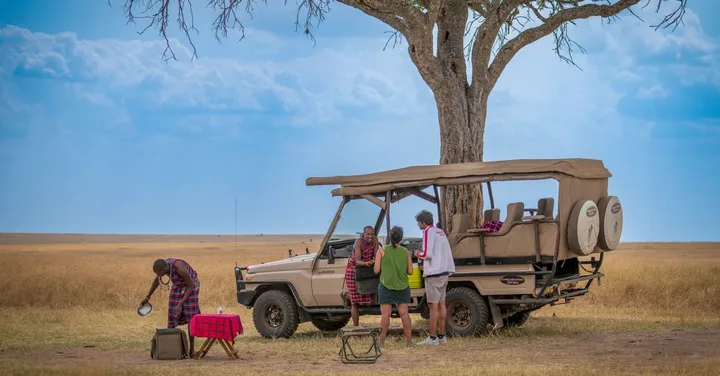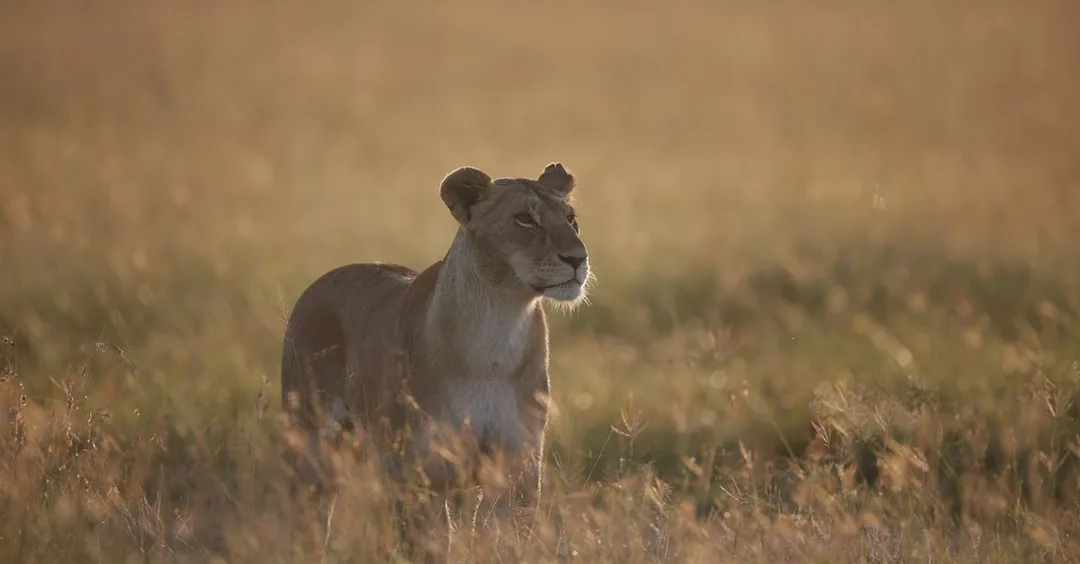
Picture this: your eight-year-old is pressed against the window of a Land Cruiser, whispering "Papa, it's moving" as a cheetah crouches thirty metres away in the golden grass. No screen. No Wi-Fi. Just pure, wide-eyed wonder. That moment, right there, is why thousands of Indian families have made Kenya their most talked-about holiday. Not just by the adults, yaar. By the kids.
Kenya has a way of doing that to children. The animals are real and close. The skies are enormous. The stories they come home with last longer than any theme park memory ever could.
If you've been thinking about a Kenya safari with your family, this guide walks you through everything, from the best time to go, to what the kids actually need to pack, to honest prices in INR so you can plan without surprises.
Why Kenya Is Perfect for Indian Travellers
Let's start with the most practical reason: Kenya is genuinely one of the easiest long-haul destinations for Indian families to pull off.
Direct and one-stop flights are affordable and frequent. Nairobi's Jomo Kenyatta International Airport is well-connected from Mumbai, Delhi, and Bengaluru, with carriers like Kenya Airways, Ethiopian Airlines, and Emirates offering convenient routings. Most flights clock in at nine to twelve hours, which is very manageable with kids compared to, say, a Southern Africa trip.
The time difference is small. Kenya runs on East Africa Time, which is 2.5 hours behind India. No brutal jet lag to recover from, which means your kids are awake and energetic from day one. That matters when game drives start at 6 AM.
Indian families travel in groups, and Kenya is built for it. Whether it's a nuclear family of four or a joint family of twelve, Kenyan safari lodges and camps are comfortable with mixed-age groups. Many properties have family tents or interconnected rooms, and the larger vehicles accommodate a full dadi-nana-parents-kids configuration without squeezing anyone.
The Maasai Mara is world-famous, but Kenya's depth goes way beyond it. You've got Amboseli for Kilimanjaro views and massive elephant herds, Samburu for rare northern species, Lake Nakuru for flamingos, and Tsavo for a genuine sense of wilderness. A well-planned trip can combine two or three parks and feel like a completely different world each time.
Vegetarian travellers, you won't go hungry. Most lodges now cater thoughtfully to Indian dietary preferences. Let your camp know in advance, and you'll have dal and rice alongside your bush breakfast more often than you'd expect. It always surprises first-time visitors.
Children specifically love the experience. Kenya's national parks are open vehicles and open landscapes, which means kids can stand up (carefully), point, and be part of the moment, not just watching through glass. According to the Kenya Wildlife Service, the country's protected areas cover over 8% of its land, meaning wildlife densities remain genuinely high. Animals don't hide here. They perform.
For more context on planning your trip, the Best Kenya Safari Packages from India 2026 guide covers the full picture in detail.
Best Time to Visit (Month by Month, Honest)
Kenya's seasons are different from India's, and understanding them helps you make a smarter decision, especially when kids' school holidays are your constraint.
January and February: Dry, warm, and fantastic for game viewing. Amboseli is particularly beautiful at this time, with clear Kilimanjaro sightings in the early mornings. Crowds are moderate. This is an underrated window for families.
March and April: The long rains begin. Some camps in the Mara close or go into low season. Roads can get muddy, and bush is thick, making it harder to spot game. Prices drop significantly, but we'd suggest avoiding this window unless budget is the overriding factor.
May: Still rains, but lightening up towards the end. Photography-wise, the landscape is green and lush, which some travellers love. Not ideal for young children who might find cancelled drives frustrating.
June: Things dry out fast. The Mara starts buzzing again. Excellent game viewing returns, and this is when the wildebeest migration begins moving into Kenya from Tanzania. If your kids have a May or June school break, early June works well.
July, August, and September: This is the peak of the Great Migration, when over a million wildebeest and zebra cross the Mara River in dramatic, chaotic, awe-inspiring fashion. It IS the best time to witness the migration. Prices are at their highest and camps get booked months in advance. Book early. Very early.
October: Migration winds down, but game viewing stays excellent. Fewer tourists, better prices, and the landscape is still dry. A strong shoulder-season choice for families.
November: Short rains arrive. Similar logic to March-April, but usually shorter and less intense. Some families travel here specifically for the lower costs.
December: A favourite for Indian families because of school holidays and Christmas. Dry weather returns, parks are beautiful, and the festive atmosphere at lodges is lovely. It does get busy and pricey, but it's a genuinely wonderful time to go.
The bottom line? July to October is prime. January-February and December are excellent alternatives. Plan around these windows and you'll have a smooth trip.
What's Included in Kenya Safari Packages
When you look at a Kenya safari package and see the price, it can seem high. But understanding what's actually inside the number makes it easier to evaluate.
Most full Kenya safari packages from India include:
- Return international airfare from your city of departure (Mumbai, Delhi, Bengaluru, or Hyderabad)
- Airport transfers in Nairobi and at each park
- Accommodation at safari camps or lodges (typically on a full-board basis)
- All game drives, usually two per day in a 4x4 with a trained guide-driver
- Park entry fees for each reserve visited
- Domestic bush flights between parks (on premium packages)
- Visa on arrival or eVisa assistance
What's usually NOT included: alcohol, tips for guides and camp staff (budget this as USD 10-15 per day), travel insurance, and optional activities like hot air balloon safaris over the Mara.
For families, the all-inclusive structure is genuinely convenient. Once you land, you're rarely reaching for your wallet inside the camp. Kids can eat, swim at the lodge pool, and go on as many drives as they want without running a tab. It removes the mental load of a holiday with children.
You can explore the full range of options on Safari Sutra's Kenya Wildlife Safari Packages page, which breaks down itineraries by interest and group size.
Package Options and Prices in INR
Here's an honest breakdown of what Kenya safari packages cost for Indian families. These are per-person prices for adults in double/twin occupancy, based on typical 7-10 night itineraries from India.
Tier 1: Value Safari (Tented Camps, Shared Drives)
Price range: INR 1,40,000 to INR 1,80,000 per person
Covers Maasai Mara and one additional park (often Lake Nakuru or Amboseli). You'll stay at well-run tented camps with en-suite bathrooms and hot water, on shared game drives with up to six people per vehicle. Flights are economy class. No domestic bush flights included; road transfers between parks are used instead.
Great for families who want the real Kenya experience without over-spending. Kids under 12 often get significant discounts.
Tier 2: Mid-Range Safari (Lodges + Some Private Drives)
Price range: INR 2,10,000 to INR 2,80,000 per person
Comfortable lodges with swimming pools, slightly smaller vehicle groups, and one or two private game drives included. Typically covers Maasai Mara, Amboseli, and sometimes a bush flight. Better for families with younger children who benefit from a more structured, comfortable base.
Tier 3: Premium Safari (Luxury Camps, Private Drives, Bush Flights)
Price range: INR 3,20,000 to INR 4,50,000 per person
This tier uses well-known luxury camps in the Mara, private vehicles for all drives, bush flights between parks, and sometimes a night at a boutique Nairobi property at the start or end. Guides are outstanding and attentive. For families who want flexibility, privacy, and the best possible sightings, this level is worth it.
Tier 4: Ultra-Luxury Private Conservancies
Price range: INR 5,50,000 and above per person
Think private conservancy camps outside the main Mara, night game drives (not permitted in the national reserve), walking safaris, and rates that include everything including your drinks. These camps are exceptional for families wanting zero compromise. Child policies vary, so check minimum age requirements.
Tier 5: Family Group Packages (8-12 People)
Price range: INR 1,20,000 to INR 1,60,000 per person (group discounts apply)
Joint-family and friend-group packages are often the best value. Private vehicle hire, combined rooms, and group-specific itineraries make this a fantastic option for multi-generational travel. Safari Sutra Holidays has planned over 15,000 trips, including many for large Indian family groups, and can structure these very well.
Child pricing: children aged 2-11 typically pay 50-70% of adult rates. Infants under 2 often travel free or at minimal cost.
Practical Travel Tips
Visa and Documents
Indian passport holders need a visa to enter Kenya. The good news is Kenya's eVisa system is simple and fully online. Apply at least two weeks before travel through the official portal. The single-entry tourist visa costs approximately USD 50. Children also need their own visa, and if they're travelling without one parent, carry a notarised consent letter from the absent parent.
Flights
Most convenient routings for Indian travellers are via Nairobi's Jomo Kenyatta International Airport. Kenya Airways flies direct from Mumbai. Ethiopian Airlines via Addis Ababa and Emirates via Dubai are popular options from Delhi and other cities. Book early for July-September travel, as seats fill up fast.
Health and Vaccinations
Yellow Fever vaccination is required if you're arriving from or transiting through a Yellow Fever endemic country. Even if it's not technically mandatory on your routing, carry the certificate. Malaria prophylaxis is recommended; speak to your doctor about options like Malarone or Doxycycline. Carry a basic first-aid kit, insect repellent with DEET, and any prescription medicines in original packaging.
For kids specifically: sunscreen (SPF 50 minimum), anti-allergy tablets, oral rehydration salts, and a favourite snack stash for long vehicle rides. The Mara can mean two to three hours in a Land Cruiser between sightings, and a hungry eight-year-old changes the safari atmosphere considerably.
What to Pack for Kids
- Neutral-coloured clothing (khaki, beige, olive green) - bright colours disturb animals
- A warm fleece or jacket - early morning drives in June-October can be genuinely cold
- Binoculars sized for small hands (a big shift for kids)
- A wildlife journal or notebook - kids who draw and record animals love this
- Light rain jacket for unpredictable evenings
- Comfortable closed shoes for lodge walks
Money and Connectivity
USD cash is widely accepted at camps and for tips. Carry some USD in small denominations. Kenyan Shillings (KES) are useful for Nairobi. Mobile data works well in Nairobi and inside most lodges. Out in the bush, expect limited connectivity, which, honestly, is the whole point.
Magical Kenya, Kenya's official tourism board, has an updated and well-maintained resource for family travel planning, health advisories, and park information.
Frequently Asked Questions
Q: What is the minimum age for children on a Kenya safari?
Most safari camps and lodges welcome children aged five and above on game drives. Some luxury camps in private conservancies set the minimum at eight or ten, particularly if night drives or walking safaris are part of the programme. Always check the specific property's child policy when booking. Younger children can absolutely stay at a lodge with a parent while other family members go on drives, and many camps have resident staff who are wonderful with toddlers.
Q: Is a Kenya safari safe for Indian families?
Kenya's national parks and private conservancies are well-managed and have strong safety records for visitors. You're always in a vehicle on game drives, never wandering on foot in open wilderness without a trained guide. Nairobi requires the same urban awareness you'd apply in any large city. Stick to reputable camps, use organised transfers, and don't wander into unfamiliar areas at night. Thousands of Indian families travel to Kenya safely every year.
Q: Will my kids find it boring if there are no big animal sightings?
This is a real question, and a fair one. The honest answer is that Kenya, especially the Maasai Mara, has consistently high game density. Even on a "quiet" drive, you'll see zebra, giraffe, elephants, wildebeest, and various antelope. Big cats are regularly spotted. The secret weapon is a good guide who keeps kids engaged by explaining animal behaviour, tracking, and bird calls. Brief kids before the trip: it's not a zoo with guaranteed showings. The searching is part of the adventure.
Q: How do I manage vegetarian food for my family?
Tell your travel agent and lodge well in advance. Most established camps in Kenya have experience with Indian dietary preferences and will arrange vegetarian options for all meals. It's wise to carry dry snacks from home (dal makhana, roasted nuts, chakli, whatever your family loves) for long drives or early mornings. Don't rely entirely on the lodge for every snack moment.
Q: Should I book a group tour or go private as a family?
For families with children, a private safari is almost always worth the extra cost. You control your schedule, you can ask the guide to spend longer with a leopard in a tree, and you don't have to coordinate nap times or bathroom stops around strangers. Group tours work well for solo travellers or couples. With kids in tow, private is the smarter call.
Q: How many days does a proper Kenya safari need?
A minimum of seven nights is the sweet spot for families coming from India. This gives you time to recover from travel, cover two to three parks at a relaxed pace, and actually experience camp life rather than rushing through it. Eight to ten nights is ideal. Shorter trips of four to five nights work if you're focusing on just the Mara, but you'll feel the rush.
Q: Is the Great Migration worth the higher cost and crowds?
Yes. If you can align your trip with July to September and have flexibility on budget, the migration is worth experiencing at least once. The river crossings are genuinely dramatic in a way that no documentary fully captures. The sound, the dust, the chaos of thousands of animals moving together is something kids remember for years. Just book your camp early, ideally eight to twelve months ahead for peak dates.
Plan Your Trip with Safari Sutra Holidays
A Kenya safari with your family isn't just a holiday. It's the trip your kids will describe to their own children someday.
Getting it right comes down to timing, the right camps, a well-planned itinerary, and a team that understands how Indian families actually travel. At Safari Sutra Holidays, we've spent over twelve years doing exactly this, with more than 15,000 trips planned across Africa, Asia, and beyond. We know which Mara camps welcome noisy, curious children with warmth. We know which bush flights work best for a family with grandparents. We know that you want the dal option, not just the continental breakfast.
Whether you're considering your first safari or returning for a deeper Kenya experience, we're here to help you plan it properly, not just sell you a package.
Plan Your Trip with Safari Sutra Holidays and tell us who's travelling, when you want to go, and what matters most to your family. We'll take it from there.
Ready to plan your trip? Contact Safari Sutra Holidays today.

Safari Sutra Team
Travel curators with 13 years of experience planning Indian and international holidays — from safari adventures to island escapes.
View All Posts