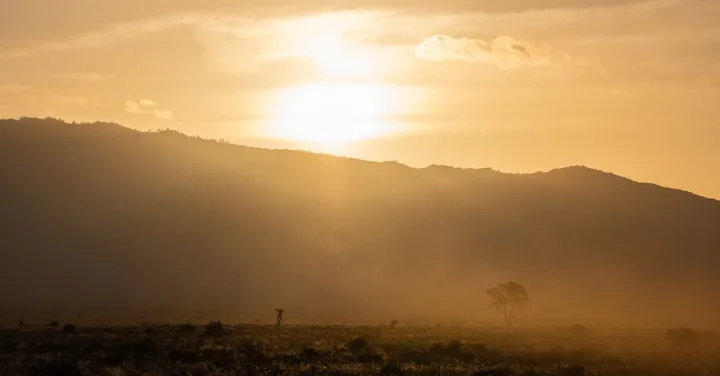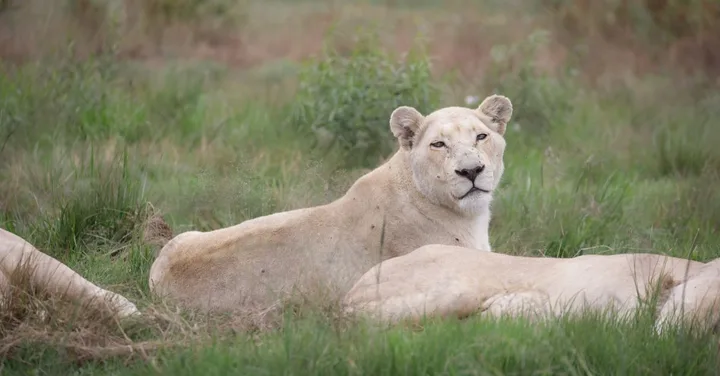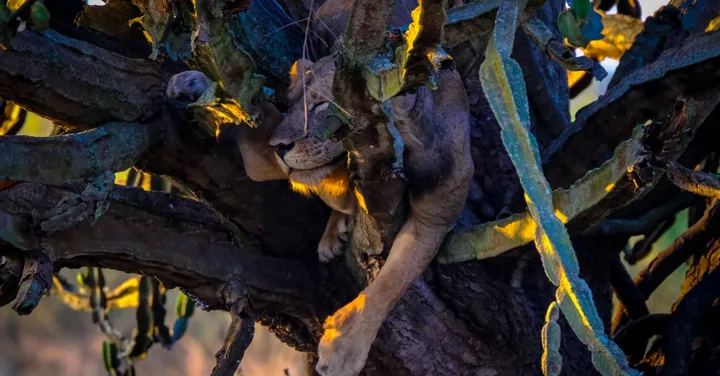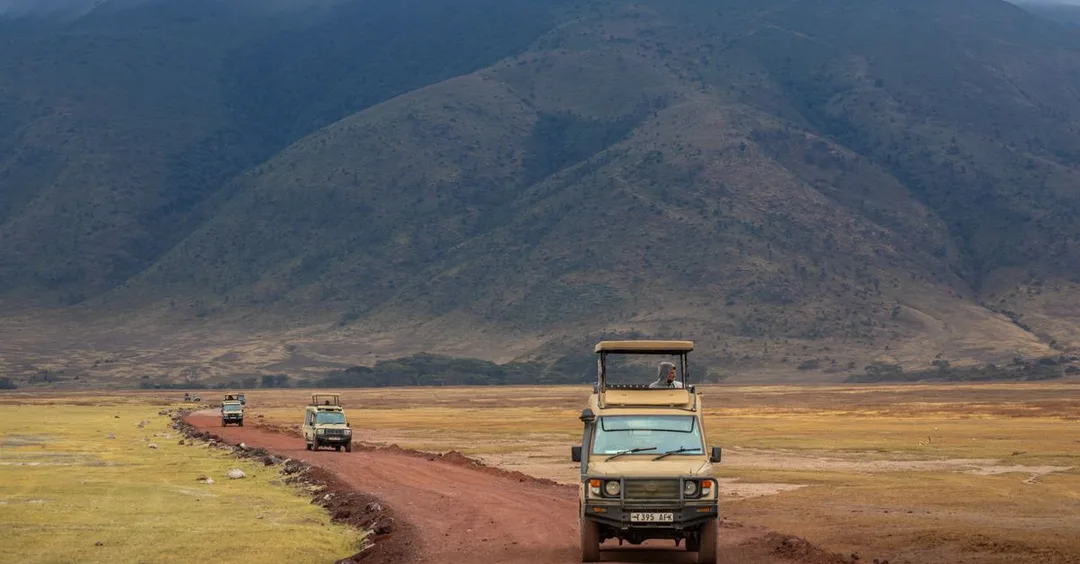
You're standing on the rim of a collapsed volcano, 600 metres above a world that seems to have frozen in time. Below you, a flat green floor stretches out like a bowl of life: elephants moving in slow columns, flamingos painting the soda lake pink, and a black-maned lion sleeping in the shade of an acacia. You can see all of this before your jeep has even descended. That's the Ngorongoro Crater for you. There's nowhere else on earth where you get this much wildlife this concentrated in this small a space. It's essentially nature doing all the work so you don't have to.
For Indian travellers who want the full East Africa experience without spending three weeks on the road, the crater is the single most efficient wildlife destination on the continent. And once you understand the logistics from India, planning it is far simpler than you'd think.
Why Ngorongoro Crater Is Perfect for Indian Travellers
Let's be honest: most Indian travellers doing a first Africa trip are nervous about one thing. Will we actually see animals? No one wants to pay big money and come home with photos of empty grass.
The Ngorongoro Crater solves that problem completely. It's a 260 square kilometre caldera with walls so steep that most animals simply don't leave. Around 25,000 large mammals live inside it permanently: lions, elephants, hippos, hyenas, zebras, wildebeest, black rhinos (one of the best places left to spot them), and flamingos by the thousands along Lake Magadi. Your chances of seeing the Big Five within a single day are genuinely very high. Most people do.
Beyond the wildlife, the cultural side of Ngorongoro is something Indian travellers connect with deeply. The Maasai people have herded cattle inside the crater conservation area for generations. Their relationship with wildlife, their community structure, their sense of land ownership and tradition, it all resonates with Indian sensibilities about coexistence and heritage. A visit to a Maasai boma near the crater rim is not a performance for tourists. It's a real community that has negotiated its place alongside some of the world's most spectacular wildlife.
The food situation has also improved dramatically. Most lodges and camps now cater to vegetarian preferences, and if you book through a specialist like Safari Sutra Holidays, your dietary requirements are communicated in advance so you're not surviving on bread and salad for a week.
Combine the crater with a few days in the Serengeti, and you have an Africa trip that covers the entire spectrum of savanna wildlife in one sweep. The two parks share a border. It's a natural double.
Explore our Tanzania Safari Packages to see how Ngorongoro typically fits into a broader Tanzania itinerary.
Best Time to Visit
The crater is good pretty much year-round because of that enclosed geography, but the experience changes month to month. Here's the honest breakdown:
January and February are excellent. The short dry spell after the rains means lush green landscapes, fewer tourists than peak season, and newborn animals (which brings predators close). Calving season on the adjacent Serengeti plains is in full swing. Prices are mid-range.
March and April bring the long rains. The crater floor gets muddy, some tracks become difficult, and visibility can drop. Prices are lowest here and crowds are thin. If budget is a priority and you don't mind occasional rain, this works fine. The crater stays operational and wildlife is still abundant.
May is the tail end of the rains. It's a shoulder month: conditions improving, prices still on the lower side, and the green of the landscape is extraordinary.
June through October is peak season, and for good reason. Dry conditions mean animals cluster around water sources, making sightings concentrated and dramatic. The Great Migration in the adjacent Serengeti is at its most spectacular, particularly the Mara River crossings from July onwards. Expect higher lodge prices and more vehicles at popular sighting spots. Book six to eight months in advance if you're travelling during this window.
November and December see the short rains arrive, usually brief afternoon showers that clear quickly. Migratory birds arrive, birdwatching is superb, and Christmas-New Year sees a spike in prices and Indian family groups. It's a genuinely good time to go if you plan ahead.
For Indian travellers specifically, October is something of a sweet spot. School holidays align with Dussehra and Diwali, the peak season is winding down, prices begin to soften, and conditions are still dry enough for excellent game viewing. Ekdum mast timing.
What's Included in Ngorongoro Crater Safari Packages
What's actually in the package matters as much as the headline price. Here's what a solid Ngorongoro safari package from India typically covers:
- Return international flights from Mumbai, Delhi, Bengaluru, or Hyderabad (usually via Nairobi or Kilimanjaro)
- Tanzania visa on arrival or e-visa processing support
- Accommodation ranging from tented camps to luxury crater rim lodges
- All meals at the lodge or camp, from arrival dinner to departure breakfast
- 4WD safari vehicle with a professional guide for all game drives
- Ngorongoro Crater Conservation Area fees (these are significant and often buried in fine print if you book elsewhere)
- Airport transfers in Arusha
- Internal flight from Arusha to Kilimanjaro or between parks if applicable
What's usually not included: tips for guides and lodge staff, personal purchases, travel insurance, and optional add-ons like hot air balloons over the Serengeti or walking safaris.
One thing to ask every operator explicitly: are the crater descent fees included? These are charged per vehicle per visit and can add up fast if you're doing multiple days.
Package Options and Prices in INR
Prices below are approximate ranges per person for a 7-night Tanzania itinerary that includes Ngorongoro and the Serengeti, flying from Delhi or Mumbai. Prices shift with season, room category, and group size.
Budget Safari (Mid-Range Tented Camps)
INR 2,50,000 to 3,20,000 per person
This gets you comfortable tented accommodation just outside the crater rim or in the Serengeti, shared 4WD game drives, all meals, and a solid local guide. You'll be in camps with basic but clean facilities. No frills, but the wildlife is identical to what the luxury guests see.
Comfort Safari (4-Star Lodges and Premium Camps)
INR 3,50,000 to 5,00,000 per person
You're now looking at lodges on the crater rim with views that stop you mid-sentence, better room quality, more attentive service, and often a private vehicle for your group. This is the sweet spot for most Indian families and couples. You get the experience without the luxury tax.
Premium Safari (5-Star Crater Rim Lodges)
INR 5,50,000 to 8,00,000 per person
Properties like the Ngorongoro Crater Lodge sit on the rim with butler service, freestanding suites with crater views, and intimate hosting. If you're celebrating an anniversary or simply want to go all-in, this is extraordinary. Meals are proper affairs, guides are exceptionally experienced, and the ratio of guests to staff is remarkable.
Luxury Private Safari
INR 8,00,000 to 14,00,000+ per person
Full private vehicle throughout, fly-in options between parks, exclusive-use camps, Maasai cultural experiences arranged specifically for your group. This is for the traveller who wants complete control over the pace and no compromises. Families with older members who prefer comfort, or anyone who simply doesn't want to share a vehicle with strangers.
Family Group Package (6-12 people)
INR 2,20,000 to 3,80,000 per person
Travelling as a large family group genuinely reduces per-person costs. You fill a private vehicle, split lodge costs differently, and have far more flexibility with meal customisation and pace. Indian families travelling with grandparents or young children often find group packages make the most financial and logistical sense.
Connect with Safari Sutra Holidays to get a custom quote based on your travel dates and group size.
Practical Travel Tips
Flights and Getting There
There's no direct flight from India to Tanzania. Your two main routing options are via Nairobi (Kenya Airways, Air India, IndiGo codeshares) or via Addis Ababa (Ethiopian Airlines, which is excellent and competitively priced). From Mumbai or Delhi, total travel time to Kilimanjaro International Airport is roughly 12 to 16 hours with a single stopover. Kilimanjaro Airport is the most convenient entry point for Ngorongoro and the Serengeti. Nairobi routes work too, but add a border crossing by road or an additional internal flight.
Book flights at least three to four months ahead for peak season travel.
Visa
Indian passport holders need a Tanzania visa. The e-visa process is straightforward via the official government portal and costs around USD 50. Apply at least three weeks before travel. Tanzania also participates in the East Africa Tourist Visa (USD 100) which covers Kenya, Uganda, and Tanzania, useful if you're combining destinations.
Your operator should walk you through the exact process, but the application itself is something you handle personally online.
Vaccinations and Health
Yellow fever vaccination is required if you're arriving from a yellow fever-endemic country. Even if not mandatory for your routing, carry your yellow card. Malaria prophylaxis is strongly recommended for Tanzania. Speak to a travel medicine specialist or your doctor at least four to six weeks before departure. Ngorongoro crater rim sits at around 2,300 metres altitude, so evenings are genuinely cold. Serengeti drives in open vehicles can feel surprisingly chilly at dawn.
Packing
- Neutral colours: khaki, olive, grey, beige. No white (dust) and avoid blue (attracts tsetse flies).
- Layers for cold crater rim mornings and warm afternoon drives.
- Quality binoculars make an enormous difference. Rent or borrow if you don't own a pair.
- Sunscreen, a wide-brimmed hat, and a dust-proof bag for your camera or phone.
- Small backpack for day drives with water, snacks, and wipes.
- Plug adaptor: Tanzania uses Type G sockets (same as the UK).
Currency and Connectivity
The Tanzanian Shilling is the local currency but USD is widely accepted and often preferred for tips and small purchases. Carry USD in small denominations. Cards work at major lodges but not in remote areas. Mobile data via a local SIM (Vodacom or Airtel Tanzania) works reasonably in towns and at lodge reception areas; inside the crater and deep in the parks, connectivity is limited or absent. Tell your family you'll be unreachable for stretches. They'll survive.
Frequently Asked Questions
Q: Is Ngorongoro safe for Indian tourists?
Tanzania is one of the more politically stable countries in East Africa and has been welcoming international tourists for decades. Crime targeting tourists is low, and within a safari context you're in a vehicle with a guide throughout. Standard travel precautions apply: don't flash valuables, stay alert in busy town areas, and stick to your itinerary. The parks and conservation areas themselves are very safe.
Q: Can vegetarians and vegans eat well on a Ngorongoro safari?
Yes, if you communicate your requirements clearly when booking. Indian vegetarians travel to Tanzania regularly and most lodges now accommodate this without fuss. Daal and rice won't always be on the menu, but you'll eat well on eggs, grilled vegetables, salads, local grains, and fresh fruit. If you book through an experienced operator who flags your dietary needs in advance, the lodge kitchen is usually well-prepared by the time you arrive.
Q: How physically demanding is a crater safari?
Not demanding at all. Game drives involve sitting in a 4WD vehicle on tracks that range from smooth to bumpy. You don't hike in or out of the crater; vehicles descend and ascend on designated roads. The biggest physical challenge is the early morning wake-up call (most drives start around 6am) and managing the altitude on the crater rim, which can cause mild breathlessness in some people on day one. It's suitable for older travellers and young children.
Q: Do I need to combine Ngorongoro with the Serengeti or can I visit alone?
You can visit the crater as a standalone destination but very few people do, and here's why: they're practically adjacent, the same visa and flights cover both, and the Serengeti adds an entirely different wildlife experience (open plains, the migration, cheetah hunts) that complements the crater perfectly. A 7-night itinerary covering both is the standard structure, and it's the one we recommend at Safari Sutra Holidays based on 12+ years of planning Africa trips for Indian travellers.
Q: What's the best way to see black rhinos in Ngorongoro?
Black rhinos are critically endangered and the crater has one of the last viable wild populations, roughly 20 to 30 individuals. Your guide will know where they've been recently sighted. Early morning drives give you the best odds before the heat builds and rhinos retreat to shade. Patience matters. Many visitors spot them; some don't. Having a knowledgeable guide who knows the crater well is the single biggest factor.
Q: How many days should I spend specifically at the crater?
One full day on the crater floor is the minimum. Two days allows you to go at a more relaxed pace, spend longer at sightings, and increase your chances of seeing the rhino. If your overall itinerary is 7 nights, two nights at a crater rim property with one or two full days of game drives works well. Any longer and you risk repeating the same drives; the crater is spectacular but geographically small.
Q: What's the ideal month for an Indian family with school-going children?
May, October, and December-January work best around Indian school holidays. October is our top recommendation: dry conditions, excellent wildlife, and the post-peak season means lodges are less crowded. December is great but lodges near the crater fill up for Christmas and New Year, so book four to six months ahead. May is affordable and lush, though a little wetter.
Plan Your Trip with Safari Sutra Holidays
The Ngorongoro Crater is the kind of place that changes how you think about the natural world. You leave with a specific image in your head, not a vague memory of "animals in Africa." Maybe it's the lion lying flat on a kopje with the whole crater floor behind him. Maybe it's the flamingos lifting off the lake in a single pink wave. Whatever it is, it stays with you.
With over 15,000 trips planned and 12 years of working with Indian travellers specifically, the team at Safari Sutra Holidays knows exactly which lodges deliver on their promises, which routing saves you time and money, and how to build an itinerary around your family's pace and preferences.
We're not pushing a fixed package on you. We're building your trip around what actually matters to you.
Browse our Tanzania Safari Packages to start getting a feel for the options, then reach out when you're ready to talk specifics.
Ready to plan your trip? Contact Safari Sutra Holidays today.

Safari Sutra Team
Travel curators with 13 years of experience planning Indian and international holidays — from safari adventures to island escapes.
View All Posts