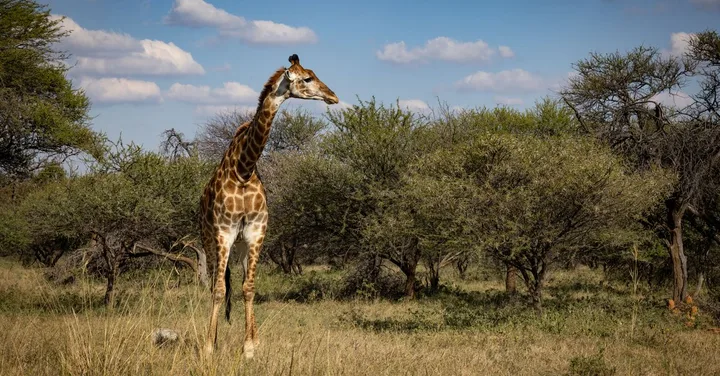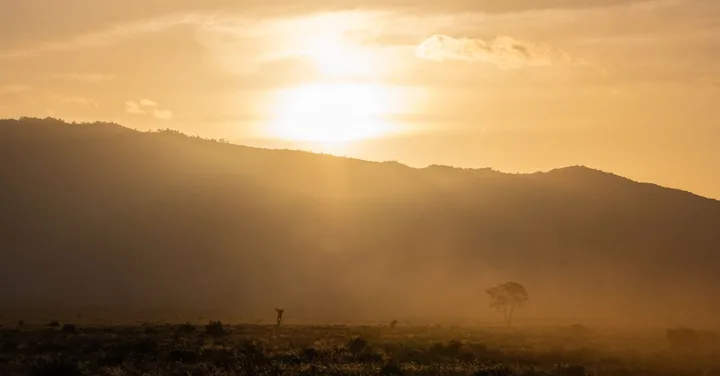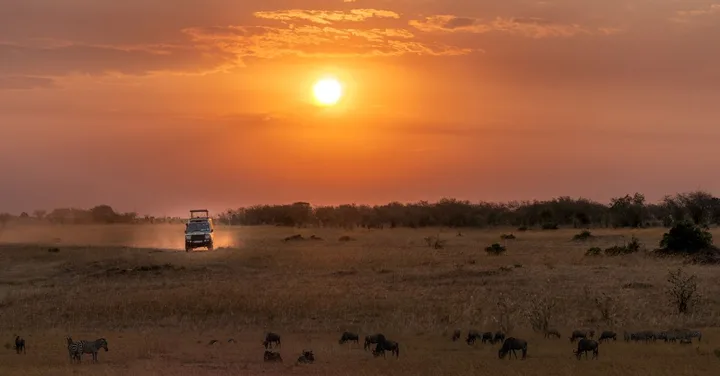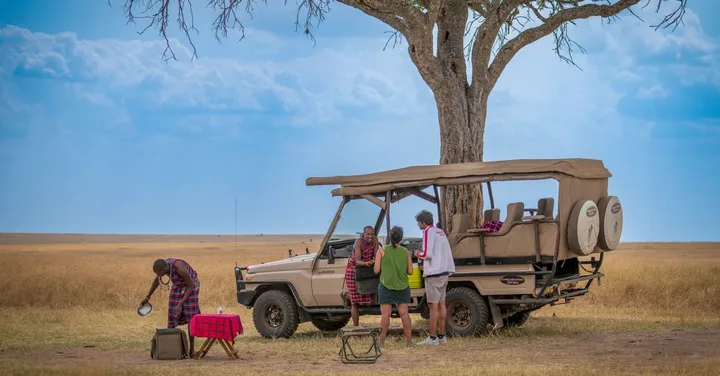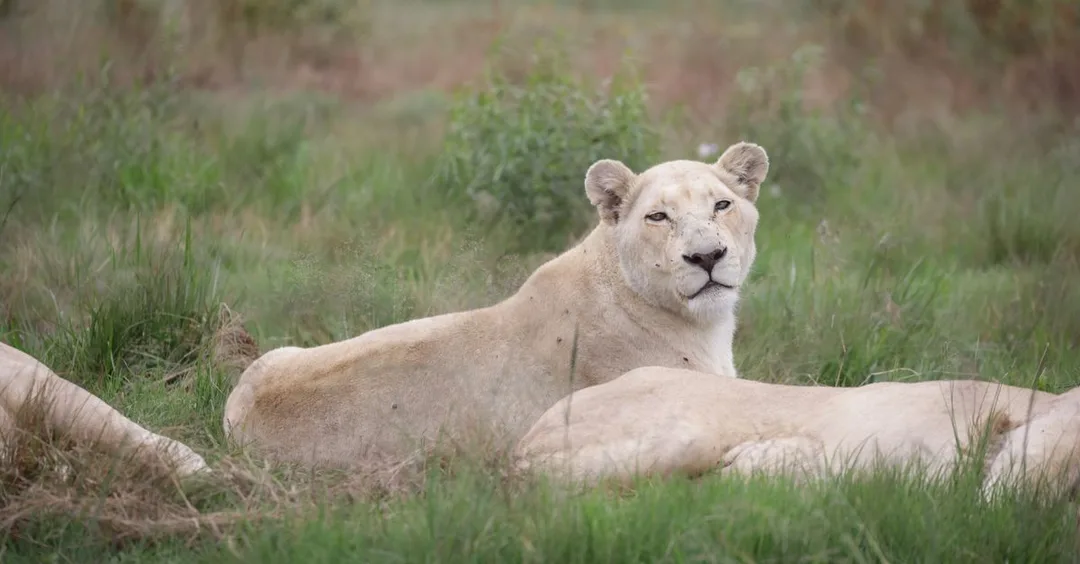
You're standing in an open 4x4, the Mara breeze cool against your face, when a lioness walks so close you can hear her breathing. She doesn't even glance at you. Behind her, three cubs tumble over each other in the tall grass. Your camera is forgotten. You're just... Present. That's the Masai Mara doing what it does best, and it's the kind of moment that changes how you see the world.
Kenya is one of those destinations that lives up to every expectation and then quietly exceeds it. And for Indian travellers, it's closer, easier, and more accessible than you probably think.
Why Kenya Is Perfect for Indian Travellers
Kenya has a surprisingly warm relationship with India, and it goes back centuries. Indian traders shaped the Swahili Coast long before tourism was a thing, and today you'll find echoes of that connection everywhere, from the spice markets of Mombasa to the Indian-run businesses in Nairobi. When you land, there's a familiarity underneath the adventure.
Here are the practical reasons Kenya clicks so well for us:
- Short travel time. Nairobi is roughly 6 to 8 hours from Mumbai and about 7 to 9 hours from Delhi with connecting flights. No brutal 14-hour journeys. You arrive ready to go.
- Visa on arrival. Indian passport holders get a visa on arrival at Jomo Kenyatta International Airport. No embassy queues, no advance appointment. (More on this below.)
- The wildlife density is real. Kenya's national parks and conservancies have some of the highest concentrations of game on the continent. The Masai Mara, Amboseli, Samburu, Lake Nakuru, Tsavo, each one is a completely different ecosystem.
- English is widely spoken. Menus, safari guides, hotel staff, communication is smooth and comfortable throughout.
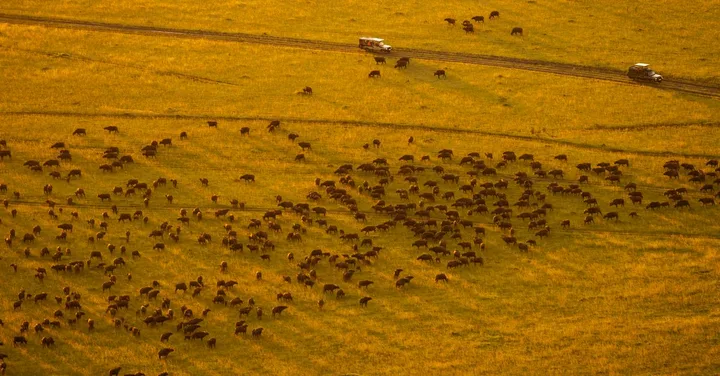
- The Great Migration. Kenya hosts the most dramatic act of the Great Migration, when over 1.5 million wildebeest and zebra cross the Mara River with crocodiles waiting. This happens in Kenya, and it's the greatest wildlife spectacle on earth.
- It's not just a safari. You can combine the Masai Mara with the white beaches of Diani, the cool hills of Nanyuki, or a cultural visit with a Maasai community. Kenya has range.
- Value for money is excellent. Compared to a European holiday at similar price points, what you get in Kenya, space, wildlife, sky, silence, is incomparable.
After more than 12 years and 15,000+ trips, Safari Sutra Holidays knows that the travellers who love Kenya most are the ones who weren't sure they were "safari people." Kenya converts you fast.
Best Time to Visit (Month by Month)
The honest answer is that Kenya has no truly bad month. But some months are significantly better for specific experiences, so here's the real picture.
January and February
Dry season. Excellent game viewing across most parks. Amboseli is especially good right now, with the elephants moving freely and Kilimanjaro visible on clear mornings. Prices are at their most reasonable. This is genuinely one of the best times to visit, and it's underrated by most people.
March and April
The long rains start in April and last through May. March is still decent. April and May see fewer visitors, lodges drop their rates significantly, and the landscape turns a lush green. If you don't mind occasional rain and prefer the parks without crowds, this is excellent value. Game is harder to spot in thick grass, but serious wildlife lovers often enjoy this season.
May
Still long rains. Quieter parks, lower prices, beautiful light. Not ideal if you want guaranteed sightings, but perfectly fine if you're flexible and budget-conscious.
June
The dry season begins again. Vegetation starts thinning, animals concentrate around water sources, and game viewing improves quickly. The Great Migration herds begin gathering in the north of the Masai Mara by late June. This is a good time to travel without peak-season crowds.
July, August, and September
This IS the peak season, and with very good reason. The Mara River crossings happen between July and October. Witnessing thousands of wildebeest hurling themselves across a crocodile-filled river is chaotic, primal, and absolutely extraordinary. July to September is when this spectacle is most intense. Book early, sometimes 6 to 12 months in advance, because lodges in the Mara fill completely.
October and November
October is still excellent for the Migration. Short rains arrive in November, but they're often afternoon showers rather than all-day rainfall. Game viewing stays strong. Prices ease after the peak, and the parks feel calmer.
December
A busy holiday season, especially around Christmas and New Year. Prices spike again but the weather is good, the atmosphere is festive, and Kenyan beaches are at their best. A perfect India-to-Kenya trip for a December-January holiday.
For most Indian travellers, the sweet spots are January-February, June-July if you want Migration action without paying peak-August prices, and October-November for a quieter end to the season.
What's Included in Kenya Safari Packages
This is where people get confused because not all Kenya packages are built the same. Here's what a properly put-together Kenya safari package from India typically covers.
Flights
Most packages are quoted with international flights from Mumbai or Delhi included. Some budget tiers quote land-only prices. Always check what's included. Connecting flights via Nairobi to the Masai Mara (the short 45-minute bush flight) should also be in the package.
Accommodation
This ranges from comfortable tented camps at the mid-range level to full luxury lodges with private plunge pools and butler service. "Tented camp" sounds basic but often means proper beds, hot showers, and gourmet meals. Inside the tent. In the bush. It's special.
Game Drives
Most Masai Mara lodges and camps run twice-daily game drives in 4x4 vehicles with a resident naturalist guide. Morning and evening drives are standard. Full-day drives with a packed lunch can be arranged separately.
Meals
Almost all bush lodges and camps operate on full board, meaning all meals are included. Many also include bush breakfasts, sundowners, and dinner under the stars. This is part of the experience, not a courtesy extra.
Park Fees
These are sometimes included, sometimes not. Always ask specifically. Masai Mara conservancy fees can be USD 100 to 200 per person per night on top of lodge costs, so this matters.
Visa Assistance
Good operators will walk you through the Kenya eVisa process. Safari Sutra Holidays handles all pre-departure paperwork as part of the booking.
What's Usually NOT Included
- Travel insurance (always get this separately)
- Tips and gratuities for guides and camp staff
- Laundry
- Premium alcohol
- Hot air balloon rides (a magical add-on but charged separately)
Package Options & Prices in INR
Here's a realistic picture of what different Kenya safari packages from India cost in 2026. These are approximate per-person costs based on double occupancy, including international flights from Delhi or Mumbai.
Tier 1: Essential Kenya Safari (5 Nights / 6 Days)
Approximate cost: INR 1,50,000 to 1,90,000 per person
A classic introduction to Kenya. Typically 2 nights in the Masai Mara and 2 nights in Amboseli, with comfortable mid-range tented camps, daily game drives, all meals, and a shared 4x4. Works well for first-timers who want to cover maximum ground. Flights via Nairobi with one internal bush flight.
Tier 2: Classic Kenya Safari (7 Nights / 8 Days)
Approximate cost: INR 2,10,000 to 2,70,000 per person
More time, fewer parks but deeper experiences. Usually 3 nights in the Masai Mara, 2 nights in Amboseli or Samburu, and 1 night in Nairobi. Better-quality camps, private game drives possible, more flexibility. Great for couples and families who don't want to feel rushed.
Tier 3: Kenya Wildlife and Beach Combo (10 Nights / 11 Days)
Approximate cost: INR 2,80,000 to 3,60,000 per person
Three nights in the Masai Mara, two nights in Amboseli or Lake Nakuru, plus four nights on the Kenyan coast at Diani Beach or Watamu. You go from watching elephants walk under Kilimanjaro to lying on white sand with a fresh lime soda. This is the trip most families and couples fall in love with.
Tier 4: Premium Mara Migration Safari (7 Nights / 8 Days)
Approximate cost: INR 3,80,000 to 5,00,000 per person
This one is designed specifically around the Great Migration (July to October travel). You stay inside a private Mara conservancy where you can do night drives and off-road tracking, things not permitted in the main reserve. Premium lodges, private vehicle, a hot air balloon flight over the Mara at sunrise, and a specialist guide who lives for this stuff. A truly elevated experience.
Tier 5: Luxury Kenya (10 Nights / 11 Days)
Approximate cost: INR 5,50,000 to 8,00,000 per person
Private lodges, private vehicles, chef-prepared meals, helicopter transfers between parks if you prefer, beach stays at a top-end resort. For travellers who want the full Kenya experience with zero compromise. Prices vary based on lodge selection, but this tier includes names like Angama Mara, Mahali Mzuri, and Governors' Camp.
Practical Travel Tips
Visa
Indian passport holders can apply online via the Kenya eDvisa portal (evisa.go.ke) or get a visa on arrival at Nairobi airport. The online route is smoother and recommended. A single-entry visa costs USD 50, a transit visa is USD 20. Your passport needs at least 6 months validity.
Flights
There's no direct flight from India to Kenya currently. The most common routes are:
- Mumbai or Delhi to Nairobi via Emirates (Dubai), Kenya Airways (Nairobi via Addis Ababa through Ethiopian Airlines codeshare), Ethiopian Airways, or Qatar Airways.
- Budget roughly INR 35,000 to 60,000 for return economy tickets, depending on season and how early you book.
- Internal Kenya flights (Nairobi to Masai Mara) are about USD 150 to 250 each way and are far more comfortable than a 5-hour road drive.
Health
Yellow fever vaccination is recommended (and sometimes required if you've been to certain countries). Malaria prophylaxis is strongly advised for game park areas. Carry basic medication, sunscreen, and insect repellent. Kenya has good private hospitals in Nairobi, but travel insurance with medical coverage is non-negotiable.
Packing
Keep it simple. Khaki, olive, brown, beige tones for safari. No white or bright colours on game drives. Layers are essential because early morning drives at 6am in the Mara can be cold. One small duffel bag per person for internal flights (most bush planes have strict 15kg baggage limits).
- Sunglasses and a wide-brimmed hat
- Binoculars (game drive essential)
- Camera with a long lens if you're serious about photography
- Power bank and universal adapter
- Light rain jacket for green season travel
Currency and Payments
The Kenyan Shilling (KES) is the local currency. Most lodges and camps quote in USD. Cards are widely accepted at lodges, but carry USD cash for tips, smaller purchases, and market shopping. INR is not useful locally, so convert to USD before or at Nairobi airport.
Frequently Asked Questions
Q: Is Kenya safe for Indian tourists?
Kenya is a popular destination for travellers from all over the world, and the main tourist areas, including Nairobi's tourist districts, the Masai Mara, Amboseli, and the coast, are well-travelled and considered safe. Take standard precautions in Nairobi's city centre, avoid walking with valuables at night, and follow your lodge or guide's advice on movement. The safari parks themselves are very safe environments.
Q: Can I see the Great Migration in 2026 if I travel in July or August?
Yes. The Mara River crossings typically happen between July and October, with peak activity in August and September. The exact timing varies year to year depending on rainfall patterns in Tanzania's Serengeti, where the herds come from. Travelling in late July through September gives you the best statistical odds of witnessing a crossing. Book your lodges at least 6 months in advance for this period.
Q: Is Kenya good for families with kids?
Absolutely yes. Kenya is one of the most family-friendly safari destinations in Africa. Children typically love the game drives, and seeing elephants, giraffes, and lions in the wild is an education no classroom matches. Most lodges in Kenya accept children (some upscale lodges have a minimum age of 8 or 12 for conservation reasons, so check in advance). Amboseli is particularly good for families because of its open plains and excellent elephant sightings.
Q: What is the difference between staying in the Masai Mara Reserve versus a private conservancy?
The Masai Mara National Reserve is the main protected area with set rules: no off-road driving, game drives only in official vehicles, no night drives. Private conservancies surround the reserve and are run in partnership with Maasai landowners. In conservancies, you can go off-road, do night drives, walk with a guide, and see far fewer vehicles. They cost more but offer a richer, more exclusive experience. For the Migration, conservancies on the Mara's western edge often have incredible river crossing access.
Q: Do I need a specialist travel agent or can I book Kenya independently?
You can book independently, but Kenya safari logistics are genuinely complex. Internal flights, lodge transfers, park fees, conservancy fees, guide arrangements, and timing everything around the Migration, it adds up to a lot of moving parts. Working with specialists like Safari Sutra Holidays means you're not piecing this together from ten different websites. You get a complete package, expert advice on timing and lodge selection, and someone to call if something changes on the ground.
Q: How many days do I need for a Kenya safari?
Seven nights is the sweet spot for most travellers. It gives you enough time in two or three parks without feeling like you're in a race. If you're adding a beach extension, ten nights works well. Five nights is the minimum for a meaningful experience in one park, typically the Masai Mara. Anything shorter than five nights doesn't do Kenya justice.
Q: What is a hot air balloon safari and should I add it?
A hot air balloon flight over the Masai Mara is one of the most extraordinary ways to see the landscape, floating silently at dawn over the plains while animals move below. Flights typically last about an hour and end with a champagne bush breakfast. It costs approximately USD 450 to 550 per person and is worth every rupee if your budget allows. Book it in advance because spaces fill quickly during peak season.
Plan Your Trip with Safari Sutra Holidays
Kenya in 2026 is booking out fast, especially for the July-to-October Migration season. If you've been thinking about this trip, now is genuinely the right time to lock in your dates.
Safari Sutra Holidays has been building East African safaris for Indian travellers for over 12 years. We know which lodges put you closest to the action, which guides are the real experts, and how to put together a Kenya trip that fits your budget, your timeline, and your travel style. Whether you want a compact 6-day introduction or a full 11-day safari-plus-beach holiday, we'll build it around you, not around a template.
Here's how to get started:
- Tell us your preferred travel dates and who you're travelling with
- Share your rough budget (land-only or including flights)
- Let us know if there's a specific experience you're chasing, the Migration, elephants at Amboseli, the Kenyan coast
- We'll come back with a detailed itinerary and honest pricing within 48 hours
No pressure, no vague quotes, no runaround. Just good advice from people who've done this hundreds of times.
Ready to plan your trip? Contact Safari Sutra Holidays today.

Safari Sutra Team
Travel curators with 13 years of experience planning Indian and international holidays — from safari adventures to island escapes.
View All Posts