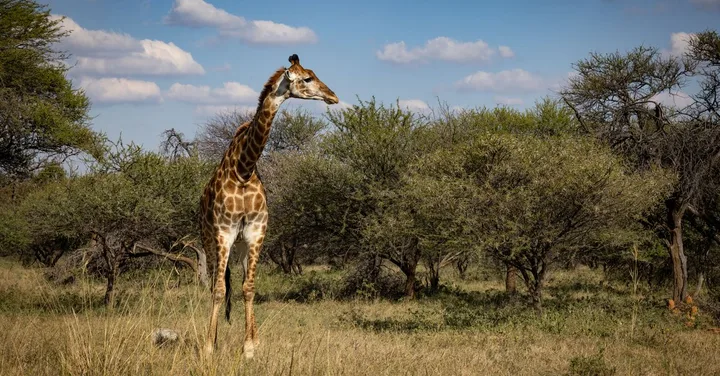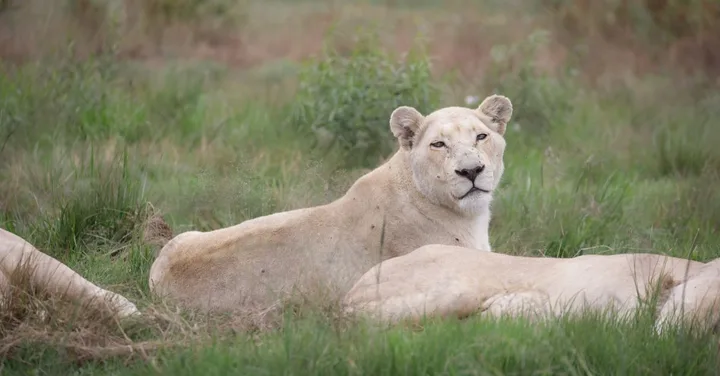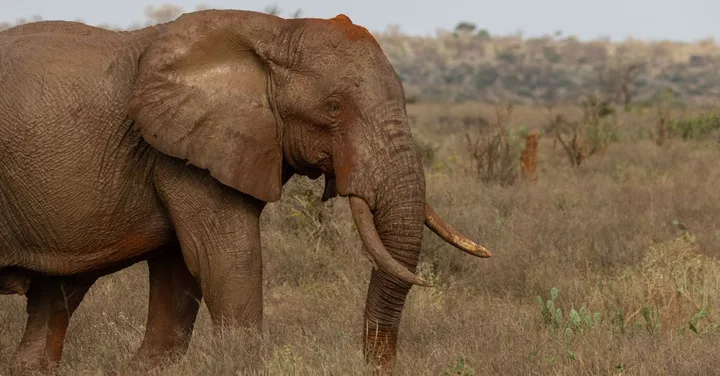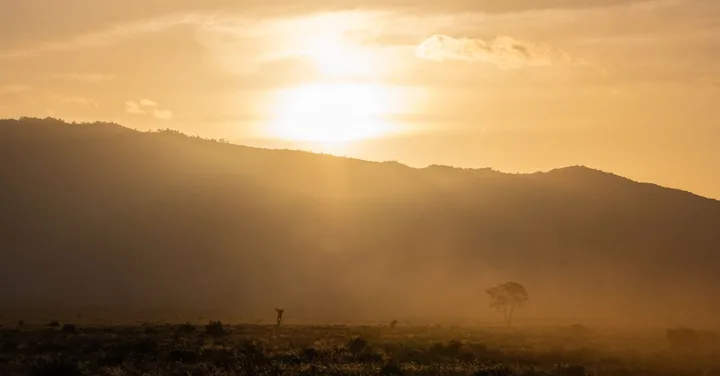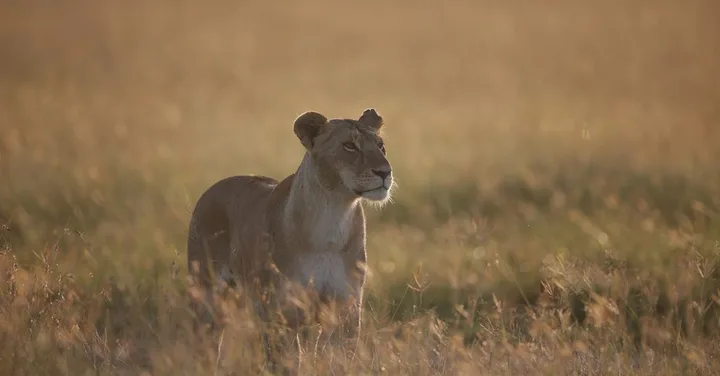
You're watching a lioness drag her kill through the golden grass of the Masai Mara at dawn, the acacia trees silhouetted against a sky turning from purple to orange. Three days later, you're standing at the rim of Ngorongoro Crater, looking down at 600 square kilometres of wildlife-packed caldera like you're peering into a snow globe that someone filled with elephants and flamingos instead of snow. This is what a Kenya Tanzania combined safari from India actually feels like. Not two separate trips stitched together awkwardly, but one continuous, almost overwhelming wildlife experience that builds on itself, day by day, until you're back home and every nature documentary on TV makes you quietly ache to return.
Why a Kenya Tanzania Combined Safari Is Perfect for Indian Travellers
Let's be honest: most Indian travellers who go to East Africa go once, and then they go again. There's something about the scale of the landscape and the rawness of watching animals live their actual lives (not the curated version) that hits different from any other travel experience.
A Kenya Tanzania combined safari works especially well for Indian travellers for a few specific reasons.
First, the flight connections. Nairobi's Jomo Kenyatta International Airport is well-served from Mumbai and Delhi, with direct or single-stop options on Kenya Airways, Ethiopian Airlines, and Air India. You fly into Nairobi, do your Kenya leg, cross into Tanzania by charter flight or road, and fly home from Kilimanjaro International or Julius Nyerere International in Dar es Salaam. The routing makes geographic sense.
Second, the value equation. East Africa isn't cheap, but a combined two-week trip delivers extraordinary return on your travel investment. You're covering two of the most famous wildlife destinations on the planet in one go, sharing your long-haul flight cost across 14 days instead of seven.
Third, Indian travellers have a deep appreciation for family, for group experiences, and for travel that generates stories worth telling. A Kenya Tanzania safari delivers all three. Whether you're travelling as a couple, with your parents, or with teenage kids who are surgically attached to their phones, you will all be staring out of the safari vehicle window with the same open-mouthed expression by day two.
The parks work beautifully together because they're complementary, not repetitive. Kenya's Masai Mara is about open savannah drama, big cat sightings, and the electric atmosphere of the Great Migration (if your timing is right). Tanzania adds depth: the Serengeti's vast herds, Ngorongoro's dense predator activity, and if you're adding a day trip, the pink lakes of Natron or the baobab-dotted landscapes of Tarangire. You can check out Kenya Wildlife Safari Packages to understand the Kenya leg better before planning the combined route.
At Safari Sutra Holidays, we've planned and run over 15,000 trips across 12+ years, and East Africa remains the destination that generates the most "we're going back" calls from clients. That should tell you something.
Best Time to Visit for a Kenya Tanzania Combined Safari
There's no bad time to visit East Africa, but there is a best time, and it depends on what you're chasing.
July to October: The peak season, and for good reason
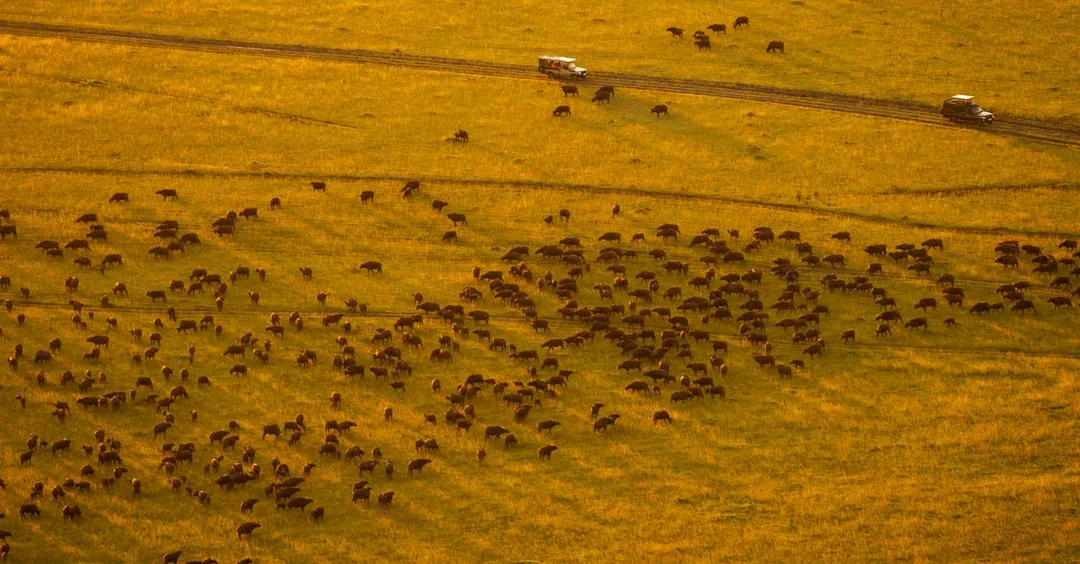
This is when the Great Migration's river crossings happen in the Masai Mara. Thousands of wildebeest and zebra pile up on the Mara River banks, watching crocodiles, and then, when something triggers the collective madness, they jump. It's chaotic, primal, and unlike anything else in the natural world. July and August are the sweet spot. The weather is dry, cool (sweater-weather in the mornings), and game viewing is superb across both Kenya and Tanzania. Prices are highest in this window, and you'll need to book 6-8 months in advance for quality camps.
January to March: The underrated choice for Indian travellers
This is actually a superb time for Indian travellers to visit, and it's less talked about. The short dry season runs January through March in Tanzania's Serengeti, which is when the wildebeest calving season happens (late January through February). Thousands of calves are born in the southern Serengeti, and the predator activity is extraordinary as a result. Fewer crowds, slightly lower prices, and spectacular wildlife action. The Ngorongoro Crater is good year-round. In Kenya, the Mara is quieter but still excellent for big cats.
April to June: Honest warning
These are the long rains in much of East Africa. Some camps partially close. Roads in the Mara can become genuinely difficult. The landscapes are lush and green, which is photographically beautiful, but game viewing can be tougher. If you're budget-conscious and flexible, the shoulder months of May-June offer good discounts. But for a first-time safari, we'd steer you toward the dry season.
November to December: Shoulder season value
Short rains fall November through December but are often brief afternoon showers rather than all-day downpours. It's a reasonable time to travel, prices are moderate, and the landscapes are fresh and green. The southern Serengeti starts seeing wildebeest movement in December.
The Indian travel calendar note: Indian holidays cluster around Dussehra, Diwali, and Christmas-New Year. If you're planning around a school break, October and late December are popular. October is genuinely excellent for the Mara, though the very peak Migration is winding down. December is solid in Tanzania. Book early if you're targeting these windows.
What's Included in Kenya Tanzania Combined Safari Packages
A well-structured combined safari package covers more than you'd initially think. Here's what a good package from an India-based operator like Safari Sutra Holidays should include:
Flights and airport transfers
- Return international flights from your Indian city (Mumbai, Delhi, Bengaluru, or Hyderabad) to Nairobi
- Internal charter flights or road transfers between parks and across the Kenya-Tanzania border
- Airport and airstrip transfers in 4WD safari vehicles
Accommodation
- Safari lodges or tented camps at each park (typically 2-3 nights per location)
- All meals included at the camps (full board is standard for safari properties)
- Tea, coffee, and drinking water throughout
Safari activities
- Twice-daily game drives in open-roof 4WD vehicles with a professional guide
- Sundowners (evening drinks in the bush) at many camps
- Bush walks where the park rules allow
- Ngorongoro Crater descent (included as a full-day game drive)
Extras that good operators include
- All park fees and conservation levies (these add up significantly, especially in Tanzania)
- Masai village visit option
- Hot air balloon safari over the Masai Mara or Serengeti (this is usually at additional cost, but some premium packages include it)
What's typically NOT included
- Tips for guides and camp staff (budget approximately USD 15-20 per person per day combined)
- Personal travel insurance (get this - it's non-negotiable for a safari)
- Drinks beyond water and tea (alcohol and soft drinks are extra at most camps)
- Visa fees
Package Options and Prices in INR
Prices vary based on accommodation level, travel season, and group size. All prices below are per person on double sharing and cover a 13-night, 14-day Kenya Tanzania combined safari. These are indicative ranges for 2025 departures.
Classic Safari (Budget-Friendly Lodges)
Best for: First-time safari travellers on a value-focused plan
- 3 nights Masai Mara (lodge accommodation)
- 2 nights Amboseli
- 3 nights Serengeti (tented lodge)
- 2 nights Ngorongoro
- Price range: INR 2,10,000 to 2,60,000 per person (land only, excluding international flights)
Premium Safari (Quality Tented Camps)
Best for: Travellers who want the full safari atmosphere with better locations inside the parks
- 3 nights Masai Mara (premium camp inside the conservancy)
- 2 nights Lake Nakuru or Amboseli
- 3 nights Central Serengeti (quality tented camp)
- 2 nights Ngorongoro Crater rim lodge
- Price range: INR 3,40,000 to 4,20,000 per person (land only)
Luxury Safari (Top-Tier Camps)
Best for: Honeymoon couples, milestone travellers, or those who simply want the best
- 3 nights Masai Mara (exclusive conservancy camp with private game drives)
- 2 nights Amboseli with Kilimanjaro views
- 3 nights Serengeti (luxury camp with pool and exceptional guides)
- 2 nights Ngorongoro (crater-view luxury lodge)
- Price range: INR 5,50,000 to 7,50,000 per person (land only)
Family Safari (4 pax: 2 adults + 2 children)
Best for: Families with kids aged 8 and above
- Child discounts apply at most camps for ages 3-12
- Includes family-friendly guides who slow things down for younger travellers
- Price range: INR 9,50,000 to 12,00,000 for the family of four (land only, Classic tier)
Honeymoon Safari Add-On
Many couples add a 3-night beach extension in Zanzibar after the safari circuit. Zanzibar's Stone Town, the turquoise sea, and the extraordinary seafood make it a perfect slow-down after the intensity of the bush. Adding Zanzibar typically adds INR 45,000 to 80,000 per person depending on the resort category.
International flights from India to Nairobi generally run INR 55,000 to 95,000 return per person depending on the airline, season, and how far in advance you book. Ethiopian Airlines and Kenya Airways are the most consistent options with reasonable connection times.
For a customised quote based on your exact dates and preferences, Plan Your Trip with Safari Sutra Holidays and one of our East Africa specialists will put together something specific to your group.
Practical Travel Tips
Visa requirements for Indian passport holders
Kenya has a convenient e-visa system. Indian passport holders can apply online at the official portal before travel. Kenya also participates in the East Africa Tourist Visa, which covers Kenya, Uganda, and Rwanda for USD 100 - useful if you're extending the trip. Tanzania requires a separate visa; you can get it on arrival or apply online. Budget USD 50 for the Tanzania visa. As visa rules change periodically, always check the latest on Magical Kenya and the Tanzania Tourist Board official sites before you travel.
Flights from India
The best routing from Mumbai and Delhi is via Nairobi (NBO). Ethiopian Airlines via Addis Ababa is a popular and cost-effective option. Kenya Airways has a direct flight from Mumbai to Nairobi which is the cleanest routing if the schedule works. From Chennai or Bengaluru, Ethiopian Airlines usually offers the most competitive fares.
Health and vaccinations
Yellow Fever vaccination is required if you're arriving from a Yellow Fever-endemic country (India is on this list for some purposes). Get the Yellow Fever jab at an approved government centre at least 10 days before travel and keep your certificate with your passport. You'll need it at immigration. Malaria prophylaxis is strongly recommended for the safari regions. Speak to your doctor about options (Doxycycline or Malarone are common), and start the course before you leave India. The Kenya Wildlife Service has good health guidance for park visitors on their site.
What to pack
Safari packing is specific and worth getting right.
- Clothing in neutral colours: khaki, olive, grey, beige. Avoid bright colours and white (dust).
- Layers are essential. Mornings in the Mara and Ngorongoro can be genuinely cold (12-15°C). Afternoons hit 28-30°C.
- A good pair of binoculars. This is not optional if you want to fully enjoy the experience.
- High-SPF sunscreen, a wide-brim hat, and UV-protection sunglasses for game drives.
- A headlamp for walking between tents at camp at night.
- Dust-proof camera bag if you're carrying serious camera equipment.
- Lightweight but warm fleece or jacket.
Money
US Dollars are the practical currency for East Africa. Most camps, guides, and shops in tourist areas accept USD. Carry small denomination bills (USD 1, 5, 10) for tips. ATMs are available in Nairobi and Arusha but unreliable in the parks. Inform your bank before travel.
Tanzania National Parks update park fees periodically. You can check the current rates on the Tanzania National Parks official website.
Frequently Asked Questions
Q: Is a combined Kenya Tanzania safari safe for Indian travellers, including families?
East Africa is a very well-established safari destination and the infrastructure for international tourism is solid. The parks themselves are remote and wild, but you're always with professional guides in secure vehicles. Major cities like Nairobi have areas that require the usual urban awareness (as you'd apply in any large Indian metro), but the safari circuits are safe. Families with kids travel here regularly. The main health precautions (yellow fever jab, malaria tablets) are the primary things to sort before you go.
Q: How physically demanding is a safari? Can elderly parents or grandparents join?
A standard game drive safari is remarkably accessible. You're seated in a 4WD vehicle for most of it. The main physical demands are the early morning starts (5:30 AM wake-ups are common) and occasionally bumpy tracks. Bush walks are optional and can be skipped. Many clients bring parents in their 60s and 70s without issue. If mobility is a specific concern, mention it when planning so we can choose camps with good access and avoid unnecessarily rough transfer routes.
Q: Do we need both Kenya and Tanzania, or can we do just one?
You can absolutely do either country solo in 7-10 days. But if you have 12-15 days to spare, the combined trip is worth it. Kenya and Tanzania each have distinct highlights that complement each other. The Masai Mara and the Serengeti are part of the same ecosystem (the Mara-Serengeti), and seeing both sides of that landscape adds real depth to the experience. Ngorongoro is genuinely unique and not replicated anywhere in Kenya. The combined trip is a bigger investment, but it rarely leaves anyone feeling like it was too much.
Q: What's the best way to travel between Kenya and Tanzania?
There are two main options. A charter flight between Nairobi or the Mara airstrip and the Serengeti or Kilimanjaro is the smoothest and most common option for a 14-day package. It costs more but saves a full day of road travel. Alternatively, a road crossing at the Namanga border (Nairobi to Arusha) takes around 5-6 hours and is commonly used for budget packages. Both work well; it depends on your pace preference and budget.
Q: What should we realistically budget per person for a combined Kenya Tanzania safari from India?
For a solid mid-range experience (good quality camps, internal charter flights, all meals, park fees, and return international airfare from Mumbai or Delhi), budget INR 5,00,000 to 6,50,000 per person. This is not a cheap trip, but it covers two countries, 14 days of full-board accommodation in some remarkable locations, and all the logistics. When you break it down per day, it compares favourably to a European holiday at similar quality levels.
Q: Is the Great Migration guaranteed to happen when we visit?
The Migration is a continuous circular movement of wildebeest and zebra between the Serengeti and Masai Mara, and it's happening somewhere in this ecosystem every month of the year. The famous Mara River crossings happen approximately July to October. Calving in the southern Serengeti happens January to February. But wildlife doesn't follow a fixed timetable. You can be in the Mara in August and wait three days without a crossing, or be there in early July and see one on day one. Your guide's knowledge and positioning matters enormously. That's why the quality of your operator makes a real difference.
Q: Can we add a Zanzibar beach extension, and is it worth it?
Absolutely, and yes. After 10-12 days of early mornings, bumpy tracks, and intense wildlife watching, Zanzibar is the perfect exhale. Stone Town is fascinating (the architecture and spice market alone are worth an afternoon), and the east coast beaches around Paje and Nungwi are genuinely beautiful. Three to four nights in Zanzibar makes the whole East Africa trip feel complete. It's easy to organise as an add-on, and flights from Kilimanjaro or Dar es Salaam to Zanzibar are short hops.
Plan Your Trip with Safari Sutra Holidays
A Kenya Tanzania combined safari is one of those travel decisions that, once made, feels almost obvious in hindsight. The planning, the anticipation, the flights, the dust, the cold mornings, the game drives that stretch into golden afternoons - it adds up to something you'll keep returning to in your memory long after the photos have been uploaded and the Instagram post has been written.
Safari Sutra Holidays has been planning East Africa trips for Indian travellers for over 12 years, with more than 15,000 trips behind us. We know which camps have the best guides, which months deliver which wildlife moments, and how to design a two-week itinerary that flows naturally without feeling rushed. We handle the visas guidance, the internal charter logistics, the park fee complexities, and all the small details that would otherwise take you weeks of research to figure out on your own.
Whether you're a family of four trying to figure out if your 10-year-old is old enough for a safari (she is, yaar), a couple planning a milestone trip, or a group of friends who've been talking about East Africa for three years and finally want to make it real, we'll design something that actually fits how you travel.
Ready to plan your trip? Contact Safari Sutra Holidays today.

Safari Sutra Team
Travel curators with 13 years of experience planning Indian and international holidays — from safari adventures to island escapes.
View All Posts