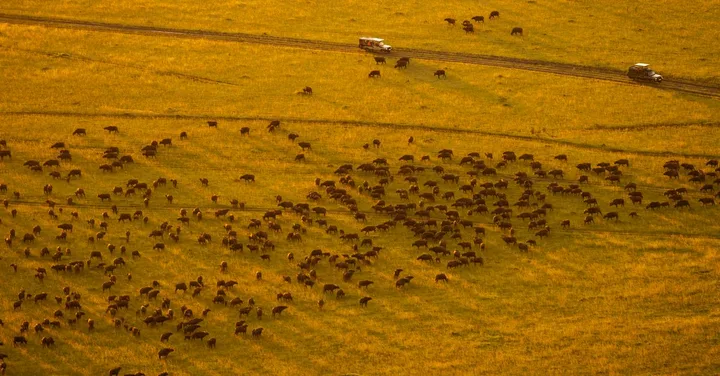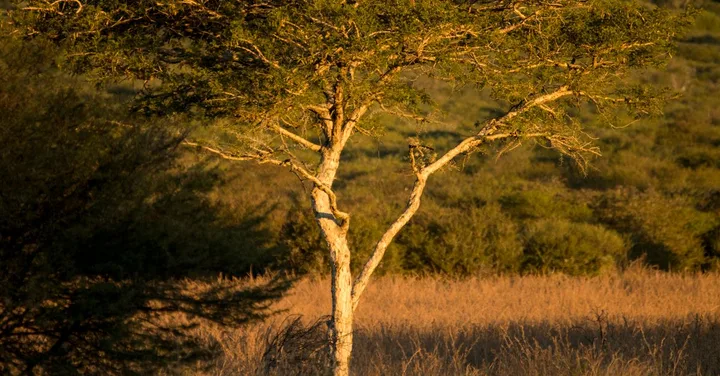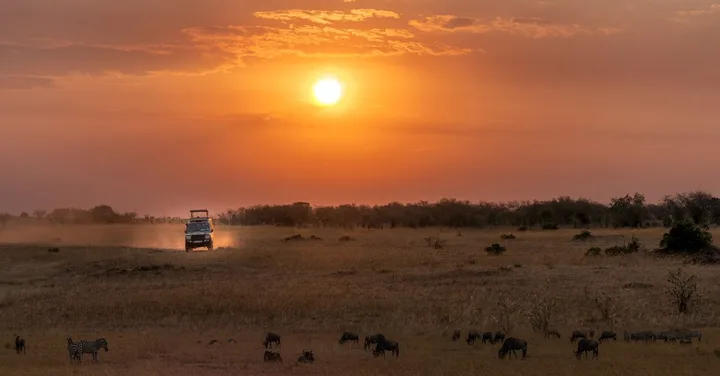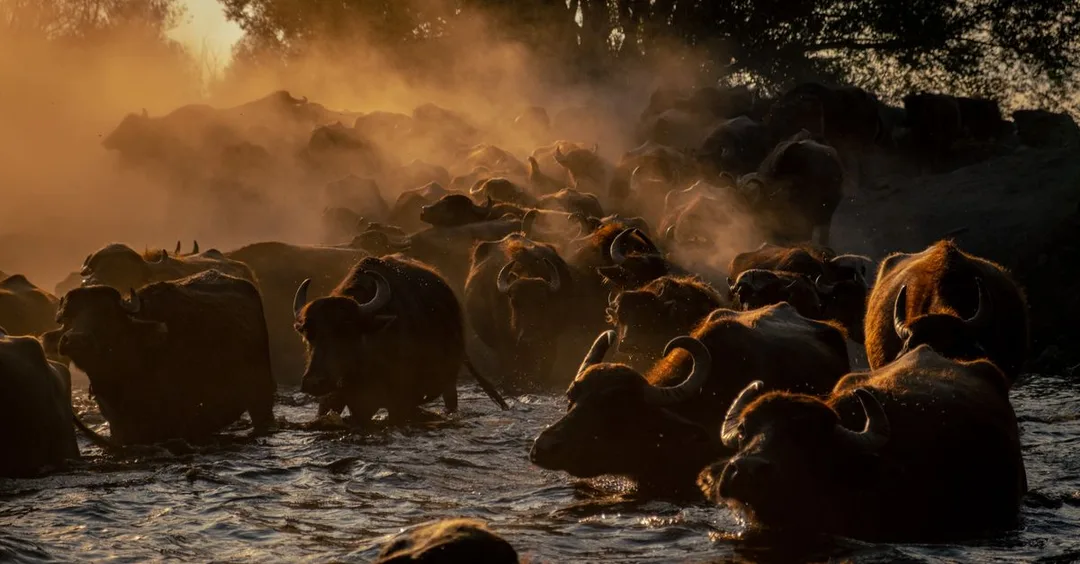
Picture this. You're sitting in an open Land Cruiser, engine off, morning mist still hanging over the Mara River. A herd of wildebeest, a hundred thousand strong, stands at the bank, jostling, nervous, waiting for that one brave animal to jump. And then it happens. They all go at once, hooves thundering, water crashing, crocodiles lunging from below. Your heart is hammering. You forgot to breathe. No Nat Geo filter, no David Attenborough voiceover. Just you, completely present, watching the oldest animal show on earth play out in real time.
That's the Great Migration. And 2026 is shaping up to be a perfect year to finally go.
Why the Masai Mara Is Perfect for Indian Travellers
Let's be honest: Kenya is not India's most obvious holiday destination. Thailand, Europe, Dubai, maybe Maldives for the honeymoon, that's the usual rotation. But the Indian traveller who has done all that? They're curious now. They want the real stuff.
The Masai Mara delivers exactly that.
The distances from India work well. Nairobi is roughly 6 to 8 hours from Mumbai or Delhi, with good connections via Ethiopian Airlines through Addis Ababa, Kenya Airways direct, or Emirates through Dubai. No brutal 14-hour long haul. You can land in Nairobi in the morning, catch a short charter flight to the Mara, and be on a game drive by evening.
The food situation, something every Indian traveller quietly worries about, is far better than you'd expect. Most mid-range and premium camps understand Indian palates and can arrange vegetarian meals, Indian-style breakfasts, even a decent dal if you ask nicely. The bigger lodges that see regular Indian guests have this sorted completely.
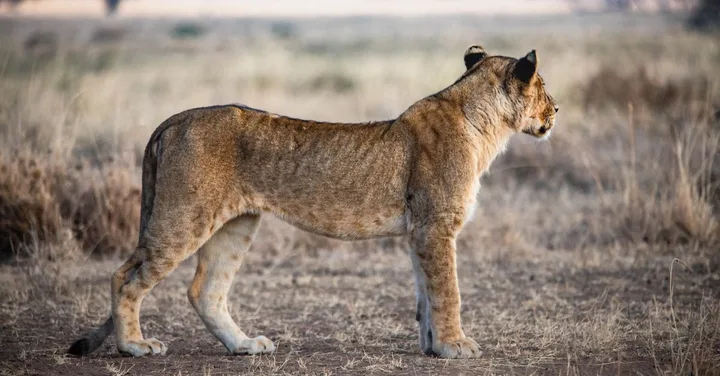
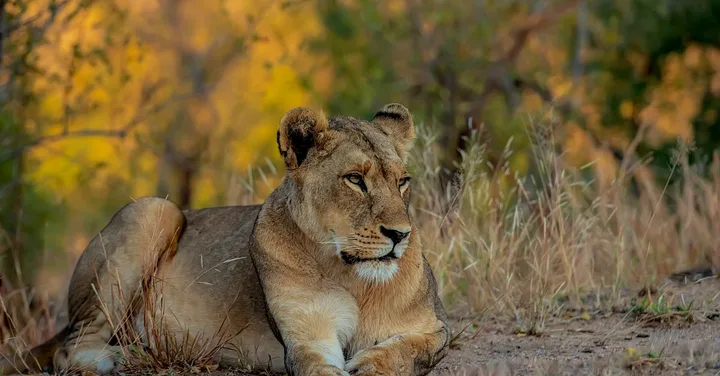
The wildlife density is unlike anything else. You won't spend hours scanning empty bush hoping to spot something. The Mara's ecosystem is so rich that even on a quiet day you'll see lions lazing in the sun, elephants crossing the road, and giraffe silhouettes against a pink sunset. On a good day, with the migration in full swing, it's almost overwhelming.
And then there's the emotional access. Safari, for many Indian families, feels intimidating or very "firangi." But once you're there, the Maasai guides, warm, funny, deeply knowledgeable, make you feel like you belong completely. This is welcoming territory.
For Indian premium travellers who want something beyond a resort holiday, who want a story to tell for years, the Masai Mara is it.
Best Time to Visit (Month by Month, Honest)
The Great Migration doesn't follow a single event calendar. It's a continuous loop of 1.5 million wildebeest (plus zebra and gazelle) moving through Kenya and Tanzania in search of grass. Here's an honest breakdown for 2026:
January to March
The herds are in Tanzania's Serengeti. The Mara is quieter, greener, and significantly cheaper. Excellent for general game viewing and predator activity. Not the river crossing season. If budget matters and you're okay skipping the dramatic crossings, this is smart value travel.
April to May
Short rains hit. Some camps close for maintenance. Not recommended unless you're specifically looking for low-season solitude at very reduced rates. The roads get muddy and some areas become inaccessible.
June
The migration starts moving north. The herds begin entering Kenya around mid to late June. Game drives get exciting quickly. Fewer tourists than peak season, prices are still reasonable. June is genuinely underrated for the Mara.
July to August
This is peak crossing season. The wildebeest are fully in the Mara ecosystem, crossing the Mara River repeatedly, sometimes daily. Crocodiles wait. Lions hunt. The drama is relentless. This is when you want to be here. Camps are full, prices are at their highest, but there's a reason for that. Book these months at least 10 to 12 months in advance. For 2026, that means locking in by August or September 2025.
September
Still excellent. Some crossing action continues into mid-September. The crowds thin slightly compared to August. If you can travel in September, you often get a better experience than August with slightly more breathing room at river crossings.
October
The herds start returning south to Tanzania. The season winds down quickly after early October. Still a decent time for general wildlife, just not the crossing spectacle.
November to December
Green season. Beautiful landscapes, baby animals everywhere (wildebeest calving begins in Tanzania). Birding is exceptional. Rain is possible but dramatic skies make for incredible photography. A completely different Mara experience, equally valid.
Bottom line for 2026: If you're coming specifically for the Great Migration river crossings, book July or August. If you want value without sacrificing wildlife quality, June or September are your best bets.
What's Included in Masai Mara Packages
Understanding what's actually in your package prevents nasty surprises at check-out time. Here's what a well-structured Kenya safari typically covers:
Included in most good packages:
- Return flights from India to Nairobi (or land package only, your choice)
- Charter flight from Nairobi's Wilson Airport to Masai Mara airstrip
- Full board accommodation at the camp or lodge
- All game drives (usually morning and evening, sometimes night drives depending on the conservancy)
- Park fees and conservancy fees (these can be substantial, so confirm they're included)
- An experienced guide and vehicle
- Airport transfers in Nairobi
- Basic travel insurance (always check what's actually covered)
Often not included (and worth budgeting for):
- Visa fees (Kenya e-Visa is around $50 per person)
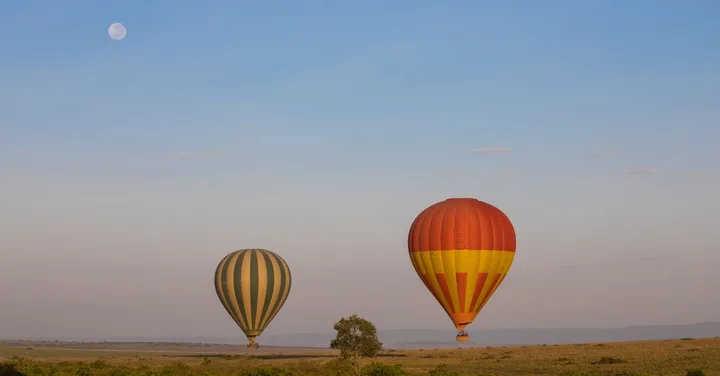
- Balloon safari over the Mara (a genuinely magical addition, roughly $500 to $600 per person)
- Tips for guides and camp staff (budget around $15 to $20 per guide per day)
- Premium alcohol and special beverages
- Laundry at some camps
- Any pre or post extensions to Nairobi, Amboseli, or Zanzibar
Our Kenya Wildlife Safari Packages page breaks down exactly what each tier includes so there's no guesswork when you're comparing options.
Package Options & Prices in INR
Prices vary considerably depending on the camp category, travel dates, group size, and whether flights are included. Below are realistic ranges based on 2026 season pricing, per person in double occupancy:
Tier 1: Value Safari (Mid-Range Camp, Shared Vehicle)
Approximate cost: INR 1,40,000 to INR 1,80,000 per person
This covers a 5-night stay at a solid mid-range tented camp inside or adjacent to the Mara. Shared game drive vehicles with 6 to 8 passengers. Good food, comfortable tents, proper bathrooms. You'll see everything you came for. Ideal for first-timers, young couples, or families watching the budget. Flights typically separate for this tier.
Tier 2: Premium Safari (Luxury Lodge, Private or Semi-Private Vehicle)
Approximate cost: INR 2,80,000 to INR 3,80,000 per person
A step up in accommodation quality, private or semi-private vehicles (4 to 6 passengers), better guide-to-guest ratios, and access to conservancy areas outside the main national reserve. These conservancy areas allow off-road driving and walking safaris, which changes the experience completely. Often includes return flights from India and the Nairobi-Mara charter.
Tier 3: Ultra-Luxury (Exclusive Conservancy Camp, Private Vehicle)
Approximate cost: INR 5,50,000 to INR 8,00,000 per person
Think Angama Mara, Cottar's 1920s Camp, or similar. Private vehicle and guide exclusively for your group, fewer guests in camp (sometimes just 8 to 10), exceptional food, sundowners in the bush, bush breakfasts at the river. This is the version that makes you want to cancel your flight home. All-inclusive including premium drinks, typically.
Tier 4: Family Group Package (6 to 10 Pax, Custom)
Approximate cost: INR 2,20,000 to INR 3,50,000 per person
Group travel changes the economics. When Safari Sutra Holidays designs a custom group itinerary, the per-person cost drops significantly while the experience quality stays high. Private vehicles, custom meal planning, flexible game drive timings. Great for extended family trips or friend groups.
Tier 5: Honeymoon / Couple Safari (Add-ons Included)
Approximate cost: INR 3,20,000 to INR 4,50,000 per person
Romance and safari work beautifully together. Bush candlelit dinners, sundowner experiences, room decorations, a balloon safari inclusion. Several camps specifically design couples experiences that feel genuinely intimate rather than staged. This tier typically covers 6 to 7 nights with 2 or 3 conservancy areas.
All prices are indicative and fluctuate based on travel dates, dollar exchange rate, and camp availability. July and August will sit at the higher end of these ranges.
Practical Travel Tips
Visa
Kenya introduced the Electronic Travel Authorisation (ETA) in 2024, replacing the old e-Visa system. Indian passport holders need to apply online at the official Kenya ETA portal before travel. Cost is around $30 to $50 per person. Processing is usually 72 hours. Do this at least 2 weeks before departure to avoid stress.
Flights
The most popular routing from India is via Nairobi's Jomo Kenyatta International Airport. Ethiopian Airlines has excellent connectivity from Mumbai and Delhi via Addis Ababa. Kenya Airways flies direct from Mumbai. Emirates connects through Dubai. For 2026 peak season (July-August), book flights by October or November 2025 at the latest. Prices jump significantly closer to travel dates.
From Nairobi, you'll take a 45-minute charter flight to the Mara airstrip. The view of the Rift Valley from that little Cessna is worth the journey alone.
What to Pack
The Mara has two temperatures: chilly early mornings and warm afternoons. Pack layers. Neutral colours work best on safari (khaki, olive, beige). Avoid bright colours and white. A good pair of binoculars makes an enormous difference. Sunscreen, lip balm, a wide-brimmed hat, and a good camera (even a recent iPhone does well). Dust is real in the dry season, so a light scarf or buff for your face on game drives is practical, not dramatic.
Health
No specific vaccinations are mandatory for Kenya from India, but Yellow Fever vaccination is recommended if you're coming via certain countries. Malaria prophylaxis is strongly advised, consult your doctor 4 to 6 weeks before travel. Carry a basic medical kit. The camps and lodges have first aid facilities, and Nairobi has good hospitals. Drink only bottled or filtered water.
Money
The Kenyan Shilling is the local currency, but USD is widely accepted at camps and lodges. Carry USD in small denominations for tips. Most Nairobi establishments take cards. Camps are usually fully cashless within their billing system.
Frequently Asked Questions
Q: Is the Great Migration guaranteed every year, or could we miss it?
The migration itself happens every year without fail. What's never guaranteed is seeing a river crossing on any specific day. Wildebeest are unpredictable. They might cross three times in a day or make you wait three days. The best strategy is to stay at least 4 to 5 nights in the Mara and be patient. Your guide will position you at the right crossings based on herd movements. Most travellers who stay long enough do witness a crossing.
Q: Is Kenya safe for Indian tourists, especially families with children?
Nairobi city requires the usual urban awareness, but the safari ecosystem is genuinely safe. The camps are in protected areas with Maasai guides and rangers. Children from age 6 or 7 upwards generally do very well on safari - many camps have family-specific vehicles and guides who are wonderful with kids. Wildlife doesn't pose danger inside a vehicle as long as you follow basic instructions (stay seated, don't make loud noises, listen to your guide).
Q: Can vegetarians and people with dietary restrictions manage in the Mara?
Much better than you'd think. Premium and luxury camps are used to catering to international guests and will accommodate vegetarian, Jain, and other dietary requirements with advance notice. Some camps even have Indian chefs or can arrange Indian-style meals. Just communicate clearly when booking through Safari Sutra Holidays so requirements are flagged to the camp before arrival.
Q: What's the difference between staying inside the National Reserve versus a private conservancy?
The National Reserve is open to all licensed vehicles and can get busy at popular crossing points. Private conservancies bordering the Mara have fewer vehicles, permit off-road driving, allow walking safaris and night drives, and generally offer a more exclusive feel. If budget allows, staying in a conservancy (like Olare Motorogi, Ol Kinyei, or Mara North) elevates the experience noticeably.
Q: How physically demanding is a safari? Can older travellers or those with limited mobility manage?
Safari is one of the most accessible forms of adventure travel. You spend most of your time seated in a vehicle. The tented camps and lodges are designed for comfort. The biggest physical demand is the early wake-up (often 5:30 or 6 AM for morning drives). For travellers with specific mobility concerns, communicate in advance and we can identify camps with the most suitable facilities.
Q: When should I book for July-August 2026?
Yesterday, ideally. Seriously though, the best camps for peak migration season fill up fast. Having planned over 15,000 trips across 12 years, we see peak Mara availability disappear for Indian families by the time October or November rolls around. If you're reading this and thinking about July or August 2026, the time to lock in your spot is now.
Q: Can I combine the Mara with other destinations?
Absolutely. Kenya pairs brilliantly with Zanzibar (beach after bush is the classic combo, usually 3 to 4 nights each), Amboseli for Kilimanjaro views and big elephant herds, or even a short stop in Nairobi for the David Sheldrick Elephant Orphanage. Rwanda gorilla trekking is also increasingly popular as an add-on for premium travellers. A well-planned 10 to 14 day East Africa trip can cover all of this without feeling rushed.
Plan Your Trip with Safari Sutra Holidays
The Great Migration in 2026 is absolutely bookable right now, and the travellers who lock in early will have their pick of the best camps, the best conservancies, and the best dates. Those who wait until March or April 2026 will be choosing from what's left.
With 12 years of experience and over 15,000 trips planned, Safari Sutra Holidays knows this region the way you know your own city. We know which camps have guides who genuinely love what they do, which conservancies give you elbow room during peak season, and how to build an itinerary that feels personal rather than packaged. We also understand the Indian traveller specifically: the visa questions, the food preferences, the flight routing from Mumbai and Delhi, the family dynamics, the budget conversations.
You can explore our Kenya Wildlife Safari Packages to get a sense of what's possible, or skip straight to a conversation if you already know you want to go.
We'll match you with the right camp, the right dates, and a price that makes sense. No pressure, just good travel advice from people who've actually stood at the Mara River at dawn and felt their heart stop.
Ready to plan your trip? Contact Safari Sutra Holidays today.

Safari Sutra Team
Travel curators with 13 years of experience planning Indian and international holidays — from safari adventures to island escapes.
View All Posts