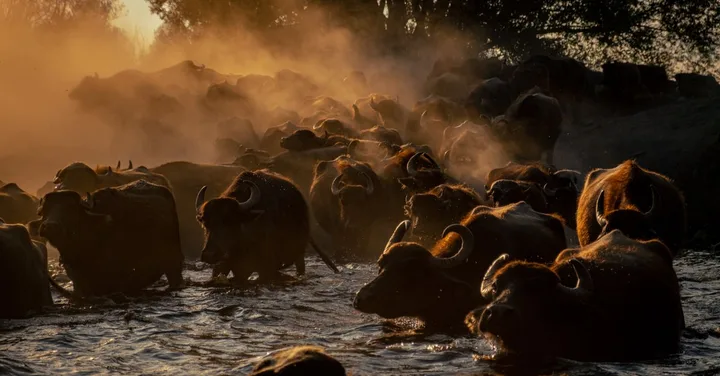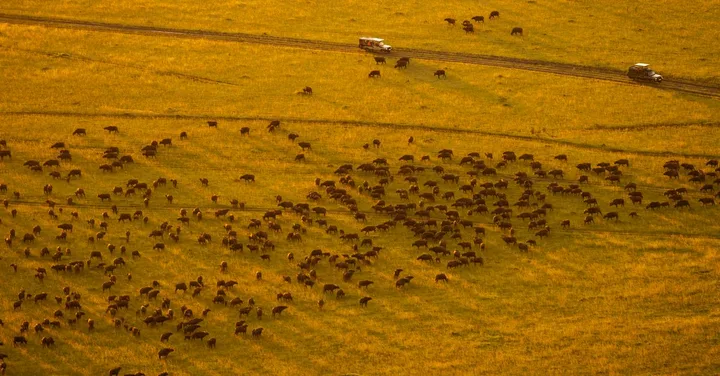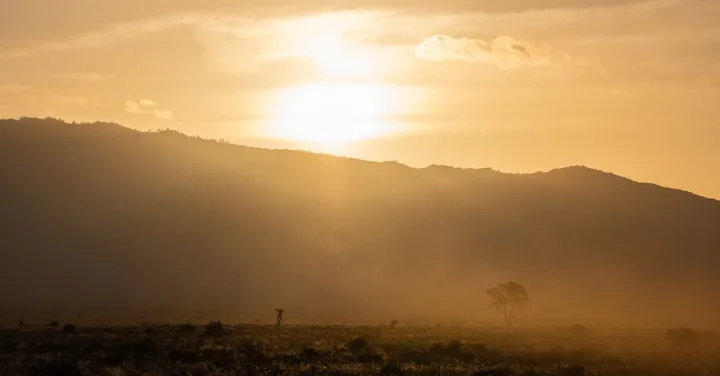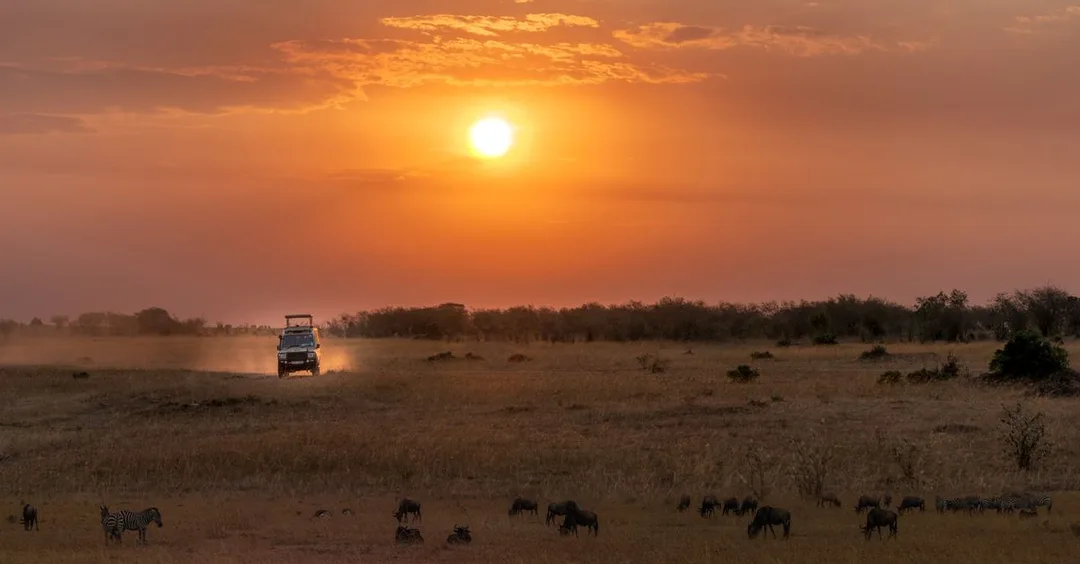
Picture this: you're sitting in an open 4x4, engine off, completely silent. Across the Mara River, a wall of wildebeest stretches as far as you can see. Half a million animals, shoulder to shoulder, stamping and grunting, working up the nerve to cross water that holds crocodiles the size of a dining table. Then the first one jumps. And the whole world seems to move at once.
That moment is the Serengeti Great Migration. And in 2026, it's waiting for you.
This isn't a highlight reel you watch on a screen. This is dust in your mouth, the smell of wet grass after rain, the sound of hooves on hard earth. If you've been dreaming about Africa, the migration is the reason to finally go. And knowing exactly when to go is everything.
Why the Serengeti Is Perfect for Indian Travellers
There's a reason more and more Indian travellers are trading beach holidays for the plains of Tanzania. The Serengeti delivers something that no resort, no cruise, no European city break can offer: complete wildness. No fences. No feeding times. Just nature doing exactly what it's been doing for two million years.
For Indian families, the Serengeti also works beautifully with school holiday calendars. The December-January window lines up with winter break, the April-May long rains are budget-friendly for couples, and the peak July-September season falls right when kids are free post-exams. You can plan around real life, not just ideal conditions.
Tanzania is also one of the more welcoming African countries for Indian passport holders. The e-visa process is straightforward, direct flights from Mumbai and Delhi connect via Nairobi or Addis Ababa (Ethiopian Airlines and Kenya Airways both run reliable routes), and the time zone difference is only 2.5 hours from IST. You land reasonably fresh, which matters when you're up at 5:30 AM for your first game drive.
The Serengeti ecosystem itself is massive, 30,000 square kilometres, which means no two trips feel the same. Whether you're a first-timer or coming back for a second or third time, the landscape and the animal behaviour shift with each season. Our team at Safari Sutra Holidays has been putting Indian travellers into the Serengeti for over 12 years, and the feedback is always the same: people wish they'd come sooner and stayed longer.
You can browse our Tanzania Safari Packages to get a sense of the range of experiences we build for different travel styles and budgets.
Best Time to Visit: Month by Month for Serengeti Migration 2026 Timing
The Great Migration is a year-round event. The herd doesn't stop moving. But what you see and where you need to be shifts dramatically by month. Here's the honest breakdown for serengeti migration 2026 timing:
January and February: Calving Season in the Southern Serengeti
The southern Serengeti and Ndutu area are where it all begins. Up to 8,000 calves are born every single day in January and February. It sounds gentle, but this is predator paradise. Lions, cheetahs, and hyenas are everywhere, and the action is relentless. This is one of the best windows for big cat sightings of the entire year. The grass is short after the rains, visibility is excellent, and the light is golden.
Best for: Families with kids (dramatic but not gory), photographers, big cat lovers.
March and April: The Long Rains Begin
The herd starts moving northwest. Rain comes in heavy afternoon showers, the landscape turns lush and deeply green, and the crowds thin out dramatically. This is low season, which means better lodge rates and fewer vehicles at sightings. March is still very good for game viewing. By mid-April, it gets wetter and some roads become difficult.
Best for: Budget-conscious travellers, honeymooners wanting privacy.
May and June: The Gathering Builds
By May, the herds are in the central and western Serengeti. The long rains ease and a genuinely dramatic build-up begins. The western corridor holds the Grumeti River, where the first river crossings of the year happen. These are smaller than the famous Mara crossings but spectacular in their own right. Crocodiles the size of logs wait in still water. This is massively underrated timing.
Best for: Travellers who want river crossings without peak-season prices or crowds.
July, August, and September: The Mara River Crossings (Peak Season)
This is it. The northern Serengeti and Kenya's Maasai Mara are where the famous crossings happen. The wildebeest need to cross the Mara River to reach fresh grass in Kenya, then cross back again. Each crossing is chaotic, dangerous, and completely electric. Crocodiles launch from the water. Calves get separated. The drama is real and raw.
July to September is peak season for a reason. Game drives are extraordinary every single day, not just during crossings. Big cats are well-fed and visible. The weather is dry and cool. And the landscape is a deep gold that makes every photo look like a film still.
Book early for this window. Lodges in the northern Serengeti sell out 12 to 18 months ahead for July and August 2026.
Best for: First-timers, anyone who wants the full migration spectacle.
October and November: The Short Rains and the Return South
The herd starts its journey back south. October is still very good for game viewing in the north. By November, the short rains arrive and the ecosystem freshens again. This is one of the most overlooked windows, particularly for birdwatching, as migratory birds arrive from Europe and Central Asia.
Best for: Birders, second-time visitors, travellers flexible on dates.
December: Back to the South
The cycle completes. The herds are in the southern Serengeti again, the short rains are easing, and lodges are buzzing with year-end travellers. December works well with Indian winter holidays. Book well ahead for Christmas and New Year dates specifically.
Best for: Families on school holidays, year-end travellers.
What's Included in Serengeti Safari Packages
A well-built Serengeti package takes the thinking out of it so you can focus on actually being there. Across our Africa Safari Packages, a typical Tanzania migration itinerary includes:
- Return international flights from Delhi or Mumbai (some packages include, others quote separately)
- Airport transfers in Dar es Salaam or Kilimanjaro, plus domestic charter or scheduled flights into Seronera or Kogatende airstrip
- All accommodation, from tented camps to luxury lodges, on a full-board basis
- All game drives with a dedicated English-speaking guide and 4x4 safari vehicle
- Park entry fees, which in Tanzania are significant and often excluded by operators who quote low headline prices
- Flying Doctors emergency evacuation insurance, standard on quality Tanzania packages
- Tanzania e-visa assistance and pre-departure documentation support
- A personalised pre-trip briefing from our safari team
What's usually not included: personal travel insurance, tips for guides and camp staff (budget roughly $10 to $15 per person per day), souvenirs, and alcohol beyond what's served at meals in some camps.
Package Options and Prices in INR
Prices below are per person in INR for a 7-night Tanzania migration safari, based on double occupancy. International flights are quoted separately unless noted.
Essential Migration Safari (7 nights) - from ₹1,85,000 per person
Central Serengeti tented camps, shared game drives, good guiding, solid food. Great for first-timers who want the real experience without paying for décor.
Classic Migration Safari (7 nights) - from ₹2,80,000 per person
Mix of central and northern Serengeti, private game drives, quality permanent camps, full-board with decent wine list. The sweet spot for most of our travellers.
Premium Migration Safari (8 nights) - from ₹4,20,000 per person
Fly-in itinerary, northern Serengeti river crossing position in peak season, private guide throughout, well-regarded camps with plunge pools and great food. This is the one people come back and say was worth every rupee.
Luxury Migration Safari (9 nights) - from ₹6,50,000 per person
Top-tier camps like Singita or andBeyond, private vehicle always, balloon safari over the Serengeti at sunrise, and a Zanzibar beach extension. If you're going to go, go properly.
Family Migration Safari (8 nights) - from ₹3,40,000 per person
Two connecting tents or family rooms, child-friendly guiding, slightly adjusted game drive timings, and camps that genuinely welcome kids rather than just tolerate them.
All prices are indicative and vary by season. Peak July-September pricing is 20 to 30% higher than shoulder months. Contact Safari Sutra Holidays for a custom quote based on your travel dates and group size.
Practical Travel Tips
Visa
Indian passport holders need a Tanzania tourist visa. The e-visa is available online and costs USD 50. Apply at least two weeks before travel. Processing is usually 3 to 5 business days but can take longer. If you're combining with Kenya for the Maasai Mara, you'll need a separate Kenya e-visa (USD 50). An East Africa Tourist Visa (USD 100) covers Tanzania, Kenya, and Uganda in one application, which is worth considering if your itinerary spans borders.
Flights
No direct Mumbai or Delhi to Dar es Salaam or Kilimanjaro nonstop exists currently. Ethiopian Airlines via Addis Ababa and Kenya Airways via Nairobi are the most popular options. Total travel time is roughly 10 to 13 hours including connection. RwandAir via Kigali is another clean option with good service. Fares from India to Tanzania typically range from ₹65,000 to ₹1,10,000 return in economy depending on season and how far in advance you book.
Health and Vaccinations
Yellow fever vaccination is required if you're travelling from or via a yellow fever-endemic country (which includes several African transit points). Check the WHO Yellow Fever guidelines before confirming your itinerary. Malaria prophylaxis is strongly recommended for Tanzania. Speak with a travel medicine clinic in India at least 6 weeks before departure. Hepatitis A, typhoid, and routine vaccinations should be current.
Packing
The Serengeti is not a fashion show. Khaki, olive, beige, and brown are practical for game drives (bright colours disturb animals). Layers matter: mornings in the northern Serengeti in July are genuinely cold (around 15°C), afternoons hit 28°C. Good walking shoes, a wide-brim hat, quality sunscreen (SPF 50+), and a dust-proof camera bag are non-negotiable. Binoculars make the experience ten times better. Bring a 150mm or longer lens if you're shooting.
Money
Most lodges and camps operate on cashless all-inclusive billing. Carry some USD cash for tips, souvenirs at village markets, and any smaller purchases. ATMs in Arusha and Dar es Salaam are reliable. Card acceptance in the bush is patchy at best.
Frequently Asked Questions
Q: Is the Serengeti migration guaranteed in July and August 2026?
The Mara River crossings are most likely to happen between late July and early September, but "guaranteed" doesn't exist in wildlife. The herd follows rainfall and grass, not a calendar. In most years, July and August deliver multiple crossings in the northern Serengeti. You can wait at the river for several hours and see nothing, then have three crossings in one afternoon. That uncertainty is actually part of what makes it so thrilling.
Q: How many days do I need in the Serengeti?
A minimum of 5 nights in the Serengeti gives you enough time to cover different zones and settle into the rhythm. Seven nights is ideal. Shorter trips exist, but you'll spend a significant proportion of a 3-night trip just arriving and departing. If you're spending the money to get there from India, give it the time it deserves.
Q: Can Indian vegetarians eat well on safari?
Much better than you'd expect. Quality camps always accommodate dietary requirements when notified in advance. Dal, rice, vegetable curries, and local Tanzanian dishes featuring plantain, cassava, and beans appear regularly. Freshly baked bread, good salads, and fruit are breakfast staples. It's not South Indian tiffin, but you won't go hungry or bored.
Q: Is it safe to travel to Tanzania?
Tanzania is considered one of the most politically stable countries in East Africa and has a long history of welcoming international tourists. The Serengeti and Arusha corridor are very well-established travel routes. Standard city precautions apply in Dar es Salaam and Arusha, but the national park areas are safe. Our team monitors FCO, MEA, and local advisories continuously.
Q: What's the difference between the Serengeti and Kenya's Maasai Mara?
They're the same ecosystem divided by a political border. The migration crosses between both. The Serengeti is larger, less crowded in most areas, and generally more affordable. The Mara is smaller but concentrated, with excellent game density and the famous river crossing points at Mara Triangle. Many travellers do a combination itinerary, 5 nights Serengeti plus 3 nights Mara, to cover both sides of the crossing.
Q: When should I book for peak season 2026?
For July and August 2026, book by September or October 2025 at the latest. The best camps in the northern Serengeti at Kogatende (the prime crossing location) sell out well over a year in advance. Waiting until January 2026 for a July 2026 trip is risky. If you've decided you're going, lock in the dates now.
Q: Is a Serengeti safari worth it for families with young children?
Absolutely yes, with the right planning. Kids aged 6 and above generally handle game drives well. Calving season (January-February) and dry season game drives (July-September) are the most engaging for children. Choose camps that genuinely cater to families, with connecting tents, flexible meal timings, and guides who know how to talk to kids. The Serengeti has a way of switching off screens and switching on genuine curiosity. Parents always thank us for that.
Plan Your Trip with Safari Sutra Holidays
The Great Migration is one of those things that genuinely changes how you see the natural world. You come back different. A little quieter, a little more in awe of how much was here before us and will be here after us.
Getting the timing right, picking the right camps, understanding how to piece together a Serengeti itinerary that actually delivers, that's where 12 years and 15,000+ trips of experience makes a real difference. We've seen the mistakes people make when they book on price alone, and we've seen the joy on faces when everything lines up exactly right.
Whether you're planning a honeymoon, a family milestone trip, or just decided it's finally time to go, we'll build something that fits your dates, your budget, and the kind of traveller you are. No generic packages, no upselling for the sake of it.
Ready to plan your trip? Contact Safari Sutra Holidays today.

Safari Sutra Team
Travel curators with 13 years of experience planning Indian and international holidays — from safari adventures to island escapes.
View All Posts