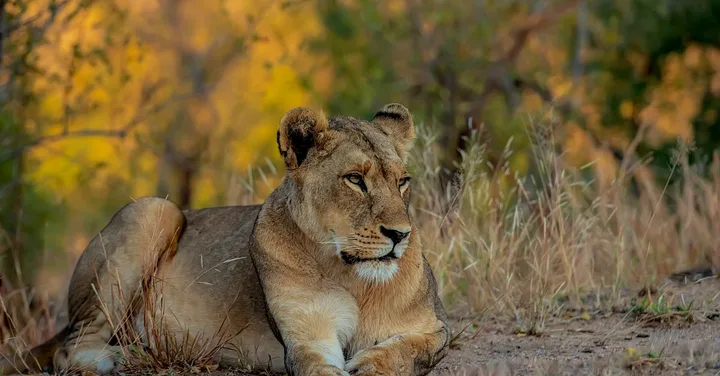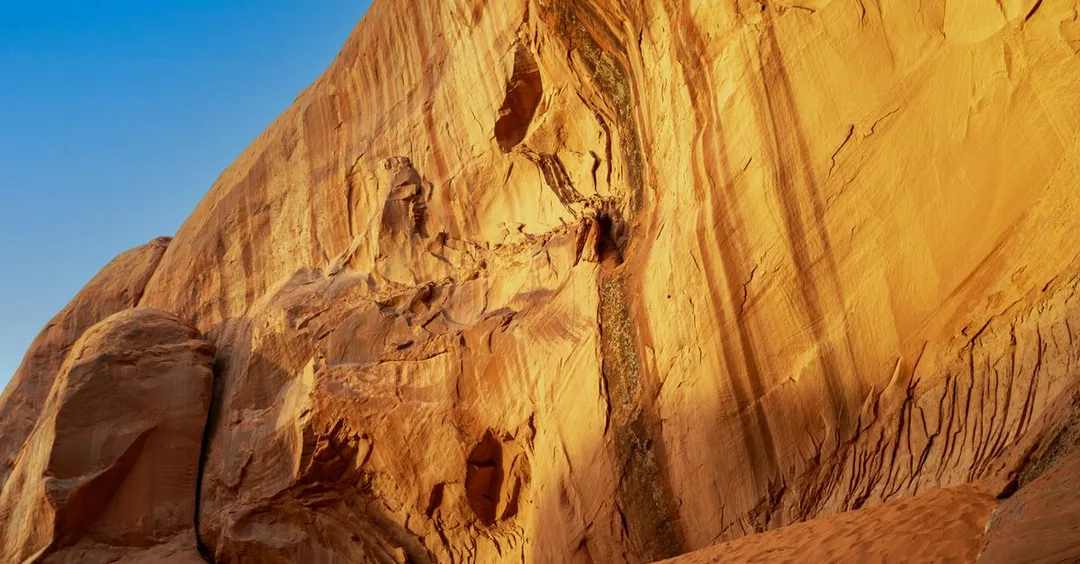
Picture this: you're sitting in an open-sided Land Cruiser at dawn, the air sharp and cool against your face, when a reticulated giraffe, its geometric markings crisp as a hand-painted mosaic, leans its long neck over a low acacia tree just twenty metres away. No other vehicle in sight. No other sound except the dry rustle of wind through the scrub and the soft creak of your seat as you lean forward to look. This is Samburu, and moments like this happen here before breakfast.
While most India-based travellers know the Maasai Mara by name, Samburu Reserve sits in Kenya's arid north, quieter, wilder, and in many ways more rewarding for those who've done the basics and want something that genuinely feels like discovery. After 12+ years and 15,000+ trips, we'd say this is one of the most underrated wildlife experiences on the planet.
Why Samburu Reserve Kenya Is Perfect for Indian Travellers
The first reason is simple: exclusivity. Samburu receives a fraction of the visitors the Mara gets, which means you're often the only vehicle at a sighting. If you've dreamed of Africa without the convoy of tourist vans all jostling for the same lion shot, this is where you come.
The second reason is the wildlife itself. Samburu is home to what guides here call the Samburu Special Five, animals found in this semi-arid north that you simply won't see anywhere else in Kenya. The reticulated giraffe has a sharper, cleaner pattern than the common Masai giraffe. The Grevy's zebra is larger, with thinner stripes and enormous rounded ears. The Beisa oryx carries long straight horns like a medieval lance. The Somali ostrich has steel-blue legs rather than pink. And the gerenuk, that long-necked antelope that stands on its hind legs to browse, looks like something from a wildlife illustrator's imagination.
For Indian travellers, there's a cultural warmth here too. The Samburu people, a Nilotic community closely related to the Maasai, are genuinely hospitable and curious. Many lodges offer village visits where you'll share chai (yes, they drink chai too), watch traditional dances, and speak with elders. It doesn't feel staged. It feels like being invited somewhere real.
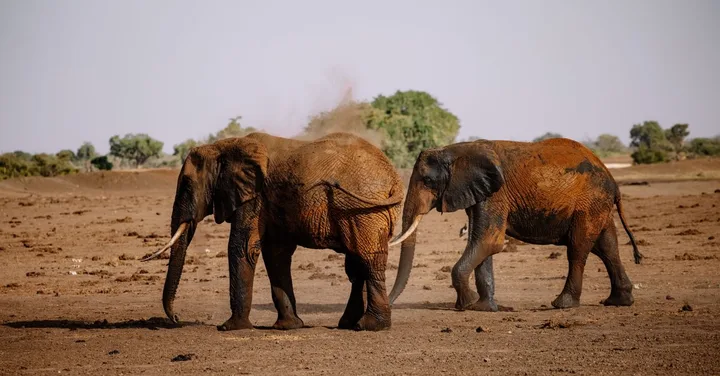
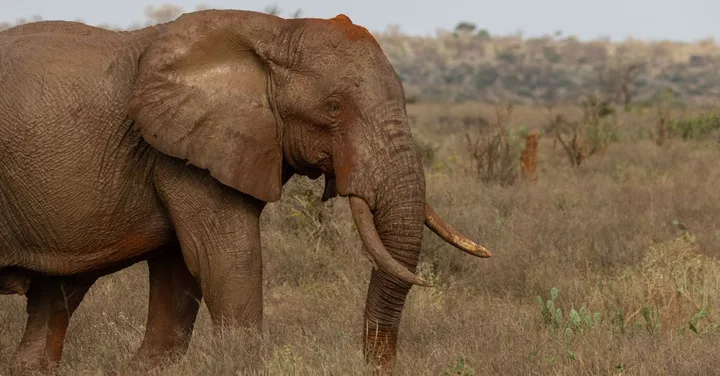
The Ewaso Ng'iro river cuts through the reserve and brings elephants, leopards, and lions to the water's edge every day, sometimes twice. You'll watch breeding herds of 30 or 40 elephants file down to drink at golden hour while fish eagles call overhead. That sound, that sharp, carrying cry, becomes the soundtrack of Samburu.
For families travelling from Mumbai or Delhi, Samburu pairs beautifully with a Nairobi stop (David Sheldrick's elephant orphanage is extraordinary with kids) or a Mara extension if you want the classic Big Five experience too. You get the best of both Kenyas in one trip. Check out the full range of Kenya Wildlife Safari Packages to see how these combinations work.
Best Time to Visit
January and February are excellent. Hot and dry, game viewing is sharp because animals concentrate around the river. The landscape has a raw, bleached beauty. Fewer clouds mean cleaner morning light for photography.
March and April bring the long rains. The bush turns green quickly, which looks beautiful but means thicker vegetation and slightly harder game spotting. Roads can get tricky after heavy downpours. Not the ideal first choice unless you want lower prices and are comfortable with some unpredictability.
May is the tail end of the rains and a shoulder month. Lodges offer better rates, the landscape is lush, and bird life explodes. A solid option for the budget-conscious traveller who doesn't mind occasional showers.
June through October is the prime season. This is dry, cool, and the best game viewing of the year. The Ewaso Ng'iro river drops in level, concentrating animals along the banks. Elephant sightings are almost daily. Predator activity is high. This is when Samburu is at its most compelling and prices reflect that.
November is a short rain month. Similar logic to March, but the rains are usually lighter and more predictable. Some excellent deals available.
December brings everything alive again, and many Indian families take holidays around Christmas and New Year. The parks are quieter than the Mara at this time of year, the weather is warm and mostly dry, and the festive mood at the lodges is genuine. This is one of the best months for Indian travellers who can travel during school holidays.
The honest short version: June to October is the best for pure game viewing. January, February, and December work brilliantly for Indian holiday calendars and still deliver excellent wildlife.
What's Included in Samburu Packages
A well-structured Samburu package should cover more than just the lodge. Here's what a proper trip includes:
- Return international flights from Mumbai, Delhi, Bengaluru, or Chennai to Nairobi (usually on Kenya Airways, Air India, or Emirates)
- Domestic flight from Nairobi's Wilson Airport to Samburu airstrip, because road transfer from Nairobi takes 5-6 hours and the flight is 45 minutes
- Full-board accommodation at your chosen lodge or tented camp, including all meals
- Game drives twice daily, morning and evening, in open 4x4 vehicles with a trained guide
- Park entry fees to Samburu National Reserve, paid to the Kenya Wildlife Service
- All internal transfers between the airstrip, lodge, and any additional parks on your itinerary
- Bush breakfast or sundowner experiences on selected days
- Cultural village visit to a Samburu community (in most premium packages)
- Visa on arrival fee for Indian passport holders (USD 50 per person)
Some packages also include a Nairobi night before departure, which we strongly recommend. It removes the stress of a tight connection and gives you an evening to settle, sleep, and arrive at Samburu rested and ready.
What's typically not included: travel insurance (mandatory, please), personal shopping, tips for guides and camp staff (budget around USD 10-15 per person per day), and alcohol unless you're at an all-inclusive property.
Package Options and Prices in INR
Prices below are per person, based on double occupancy, and include flights from Delhi or Mumbai. They will vary by season, lodge category, and group size. These are indicative figures for planning purposes.
Tier 1 - Classic Samburu (4 Nights / 5 Days)
Mid-range tented camp, 8 game drives, all meals, domestic flight included.
Approximately INR 1,85,000 to INR 2,20,000 per person
Good for: First-time Africa travellers who want a solid experience at a fair price.
Tier 2 - Samburu Plus Nairobi (5 Nights / 6 Days)
One night in Nairobi with elephant orphanage visit, 4 nights at a premium tented camp in Samburu, all inclusions as above.
Approximately INR 2,40,000 to INR 2,90,000 per person
Good for: Families with kids, or anyone wanting a more rounded Kenya experience.
Tier 3 - Samburu and Masai Mara Combo (8 Nights / 9 Days)
4 nights Samburu, 3 nights Mara, 1 Nairobi night. Covers both the Special Five and the classic Big Five.
Approximately INR 3,40,000 to INR 4,10,000 per person
Good for: Travellers who want the full Kenya story and have the time.
Tier 4 - Premium Samburu Lodge Experience (5 Nights / 6 Days)
Luxury lodge accommodation (think river-facing rooms, private plunge pools, bush spa treatments), private vehicle for game drives, sundowner setups, premium dining.
Approximately INR 4,50,000 to INR 5,80,000 per person
Good for: Honeymoons, anniversaries, or the traveller who doesn't compromise on comfort.
Tier 5 - Full Northern Kenya Expedition (10 Nights / 11 Days)
Samburu plus Laikipia Plateau (Ol Pejeta Conservancy for rhinos) plus Mara. Private vehicle. Premium lodges throughout.
Approximately INR 6,50,000 to INR 8,00,000 per person
Good for: Serious wildlife travellers and photographers who want Kenya done properly.
For exact pricing tailored to your travel dates and group, Plan Your Trip with Safari Sutra Holidays and we'll build it out for you.
Practical Travel Tips
Visa: Indian passport holders get a visa on arrival at Jomo Kenyatta International Airport in Nairobi. Cost is USD 50 per person and you pay at the immigration counter. Have USD cash or a card ready. Kenya also accepts the East Africa Tourist Visa (USD 100), which covers Kenya, Uganda, and Rwanda, worth considering if you're extending your trip.
Flights: Kenya Airways flies direct from Mumbai and Nairobi daily. Flight time is roughly 5 hours, which is genuinely comfortable. Emirates, Ethiopian Airlines, and Air India also offer good connections with one stop. Book early for December and July departures as seats on the Nairobi route fill fast.
Health: Yellow fever vaccination is not required for most Indian travellers entering Kenya, but check the latest advisory from your doctor before departure. Malaria prophylaxis is recommended for Samburu. Pack your prescription and start it before departure as directed. Sunscreen, a good hat, and lip balm are non-negotiable in this dry heat.
Packing: Samburu mornings are cool (sometimes 14-16 degrees Celsius), afternoons are hot (32-35 degrees). Layer up. Safari colours work well: khaki, olive, sand, brown. Leave the white shirts at home. Dust is part of the terrain. Good walking shoes, sunglasses, and a lightweight jacket are essential. A quality pair of binoculars transforms your game drives.
Photography: Bring a zoom lens if you have one. The light in Samburu at golden hour is exceptional. Keep your camera accessible in the vehicle, not buried in a bag.
Currency: USD is widely accepted at lodges, tips, and curio shops. Carry smaller denominations (USD 5, 10, 20). Your INR will need to be converted before departure.
Communication: Most lodges have Wi-Fi in common areas. It's not always strong. Tell family you'll check in at meal times and actually enjoy being offline for a few days. It's worth it.
Frequently Asked Questions
Q: Is Samburu safe for Indian travellers?
Yes. Samburu National Reserve is a well-managed, established wildlife destination with a good safety record. The lodges within the reserve have 24-hour security, and game drives are conducted only in designated areas with trained guides. Kenya's tourism infrastructure is solid and the Magical Kenya tourism board maintains updated safety and travel information for visitors. Exercise normal caution in Nairobi city, just as you would in any large urban centre.
Q: How different is Samburu from the Maasai Mara?
Very different, and that's the point. The Mara is iconic grassland, famous for the Great Migration and big cat density. Samburu is dry bush country with a completely different ecosystem, different animals (the Special Five you won't see in the Mara), and far fewer tourists. If you've already done the Mara, Samburu is the logical next chapter. If you're choosing between them for a first Africa trip, combine both.
Q: Can I take children to Samburu?
Absolutely, and kids often love it more than adults do because the Samburu guides are brilliant with young visitors, patient and full of stories. Most lodges welcome children aged 6 and above on game drives. Some premium lodges have age restrictions of 8 or 12 for open vehicle drives, so check when booking. The Nairobi elephant orphanage visit, which pairs perfectly with Samburu, is a guaranteed crowd-pleaser for kids.
Q: What's the food like at Samburu lodges?
Better than you'd expect, honestly. Most premium lodges serve a mix of continental, international, and East African cuisine. You'll find dal and rice at several camps, particularly those used to Indian guests. Freshly baked bread, local honey, Kenyan coffee, and beautifully grilled meats are standard. If you have specific dietary requirements, halal or vegetarian, let us know at booking and it's sorted. Kenyan hospitality takes food seriously.
Q: How many days should I spend in Samburu?
Minimum three nights, ideally four. The first morning game drive you're absorbing it all. By day two you're reading the landscape, recognising individual animals, knowing which riverbank the elephants prefer. By day three you're genuinely invested, and the magic feels personal. Four nights gives you time for a community visit without rushing, and a bush breakfast out in the wild that you'll talk about for years.
Q: Can I combine Samburu with other Kenya destinations?
Yes, and we'd encourage it. Samburu plus Masai Mara is the classic combination and covers both ecosystems beautifully. Samburu plus Laikipia Plateau (home to some of Kenya's last remaining black rhinos at Ol Pejeta) is superb for serious wildlife lovers. Adding a Nairobi night at the start is something we recommend for every itinerary as it gives you a buffer day and the chance to visit the elephant orphanage or Giraffe Centre.
Q: How do I book a Samburu trip from India and what's the process?
Simple. Reach out to Safari Sutra Holidays with your travel dates, group size, and rough budget. We'll share a few tailored options, you pick the one that feels right, we handle the flights, lodges, park fees, visa documentation, and pre-trip briefing. Most Indian travellers find the booking process takes 2-3 conversations and a couple of weeks to finalise, especially if international flights are involved. Book at least 3-4 months ahead for peak season (July-October) and December.
Plan Your Trip with Safari Sutra Holidays
Samburu is the kind of place that changes how you think about travel. Not the version you see on a nature documentary, cleaned up and narrated. The actual version: dusty and golden and alive, where gerenuk stand on tiptoe in the thornbush and elephants rumble low to their calves at the river's edge. It's wild in the best, most specific sense of the word.
Safari Sutra Holidays has been putting Indian travellers into exactly these moments for over 12 years. We know which lodges genuinely deliver on their promise, which Samburu guides are exceptional (yaar, the difference a great guide makes is everything), and how to build a Kenya trip that fits your budget, your timeline, and your idea of a good holiday. Whether you're a family looking for a school holiday adventure, a couple celebrating something big, or a solo traveller ready to see Africa properly, we've done this enough times to get it right.
Ekdum mast trip planning starts with one conversation.
Ready to plan your trip? Contact Safari Sutra Holidays today.

Safari Sutra Team
Travel curators with 13 years of experience planning Indian and international holidays — from safari adventures to island escapes.
View All Posts