Step off a flight into Jaipur in May. The air hits you first, dry and heavy, somewhere around 43°C. The Pink City's streets are quieter than you'd expect. The Amber Fort glows a deeper amber in the harsh afternoon light. Your hotel pool looks extremely inviting. And the rate you paid? About 40% less than what your colleague paid for the same room in January.
In This Guide
- Why Rajasthan in Summer 2026 Is Worth Planning For
- Wildlife and Nature: What You'll Actually See
- Weather in Summer: Honest Conditions
- Best Activities and Experiences for This Time of Year
- How Prices and Availability Change in This Season
- What to Pack
- Frequently Asked Questions
- Book Your Summer Rajasthan 2026 Trip Now
That's the honest version of Rajasthan in summer. It's not for everyone. But for the right traveller, with the right plan, it's actually a fascinating way to see one of India's greatest destinations with far fewer crowds, significantly lower costs, and a certain raw, elemental quality that the pleasant October rush simply doesn't give you.
So let's be straight with you: should you go? Here's everything you need to know before you decide.
Why Rajasthan in Summer 2026 Is Worth Planning For
First, the counterintuitive truth. Rajasthan's forts and palaces were literally built for summer. The Maharajas who constructed Mehrangarh in Jodhpur and the City Palace in Udaipur weren't designing for tourists in fleece jackets. These structures have thick sandstone walls, shaded courtyards, underground rooms, and jharokha windows designed to catch the slightest breeze. Walk through them in May and you'll experience exactly what they were built to do.
Summer 2026 also brings a specific kind of opportunity: Ranthambore National Park stays open through May (it typically closes mid-June for monsoon), and this is when big male tigers are most active around waterholes. If tiger sightings are your goal, late April and May are genuinely excellent months.
For Indian travellers flying from Mumbai or Delhi, summer is also when Rajasthan becomes a practical option for a long weekend. Flight prices are low, hotels are negotiable, and the whole experience of "royal Rajasthan" feels more intimate when you're not jostling with 800 other tourists at every monument.
Our advice, based on planning well over 15,000 trips across India: if you're visiting purely for sightseeing and photography, October to November is objectively the better season. But if Ranthambore tigers or simple budget-consciousness are driving your plan, summer 2026 has a real case.
Wildlife and Nature: What You'll Actually See
Ranthambore is the headline act for summer wildlife in Rajasthan, and it genuinely delivers. The dry summer forces tigers, leopards, sloth bears, and sambar deer to concentrate around waterholes, which makes sightings far more predictable than the monsoon season when animals spread out through thick vegetation. Tiger pugmarks are easier to track on parched, dusty trails. Your naturalist guide has a much better idea of where the cats will be between 6am and 9am.
If you're visiting in April or May, book the early morning game drives without compromise. The 6am slot in 30°C weather is manageable. The afternoon slots in 44°C are not enjoyable, and most experienced Ranthambore guides will tell you the same.
Birding picks up significantly at waterholes too. Painted storks, kingfishers, and Indian rollers are active early morning around the park's lakes, and the light at that hour is genuinely beautiful for photography.
Away from Ranthambore, Keoladeo Ghana National Park near Bharatpur sees reduced bird activity compared to winter (it's one of the world's best winter birding sites), but it's still worth a few hours if you're passing through.
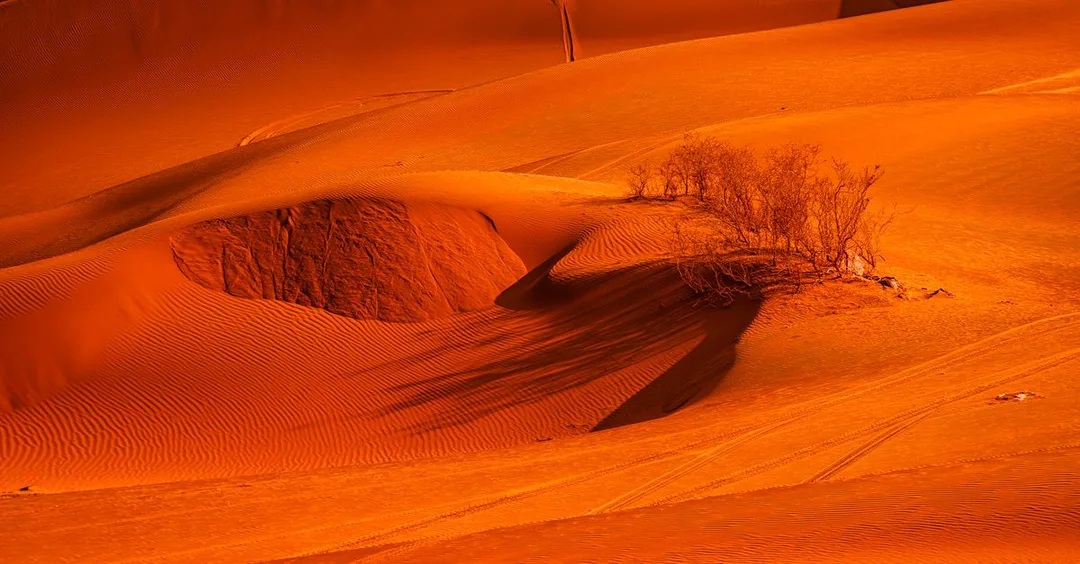
Desert wildlife around Jaisalmer, including great Indian bustards and desert foxes, is actually more visible in summer mornings when the dunes are quiet and the light is extraordinary.
Weather in Summer: Honest Conditions
Let's not dress this up. Rajasthan in summer is hot. Here's what each month actually feels like:
April: Daytime temperatures range from 35°C to 40°C. Mornings are pleasant until about 9am. Evenings cool slightly. This is the most manageable summer month and the one we'd recommend if you're heat-sensitive but still want the summer experience.
May: 40°C to 45°C is standard. The Thar Desert around Jaisalmer regularly crosses 48°C. Dry heat, meaning no humidity, but that offers limited comfort when you're standing in direct sun at the Amber Fort. Outdoor sightseeing between 11am and 4pm should genuinely be avoided. Mornings and evenings are your windows.
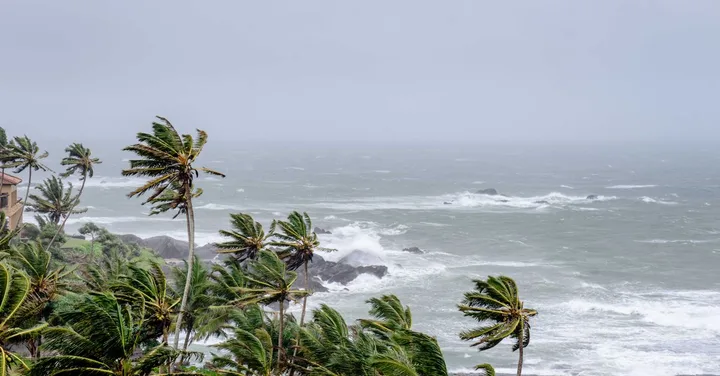
June: The heat continues until the monsoon breaks, usually arriving in mid-to-late June. Pre-monsoon thunderstorms bring dramatic skies and brief relief but also dust storms (locally called andhi). If you're a photographer, these are actually spectacular. For general tourists, they're an inconvenience.
July to September: Monsoon Rajasthan gets less rain than most Indian states, but the Aravallis around Udaipur receive enough to turn green and lush. Udaipur in late July and August has a particular beauty that very few people see. Jaisalmer, however, stays largely dry even through monsoon and remains uncomfortably hot.
The honest summary: plan your itinerary around the heat, not against it. Early starts, midday retreat to your hotel (preferably one with a serious pool), late afternoon sightseeing, and evenings in the bazaars. That rhythm works well.
Best Activities and Experiences for This Time of Year
Ranthambore Tiger Safari
Book through a licensed operator with strong naturalist relationships. Explore our Rajasthan Heritage Tour Packages which include Ranthambore options alongside heritage stays. Morning Zone 1-5 drives book out quickly even in summer.
Fort Photography at Golden Hour
Jaisalmer's golden sandstone fort at 6am in May is genuinely something. The light, the quiet, the warmth already building in the air. There are maybe thirty people there instead of three hundred. Bring a good camera and start walking before the rest of the city wakes up.
Overnight Desert Camp in Jaisalmer
Yes, even in summer. The logic is simple: the desert cools dramatically after sundown. A proper camp operator will give you an air-cooled or air-conditioned tent, camel ride at dusk, dinner under stars, and a morning that feels like something from another century. The key is choosing a camp with actual cooling, not just fans.
Udaipur by Boat
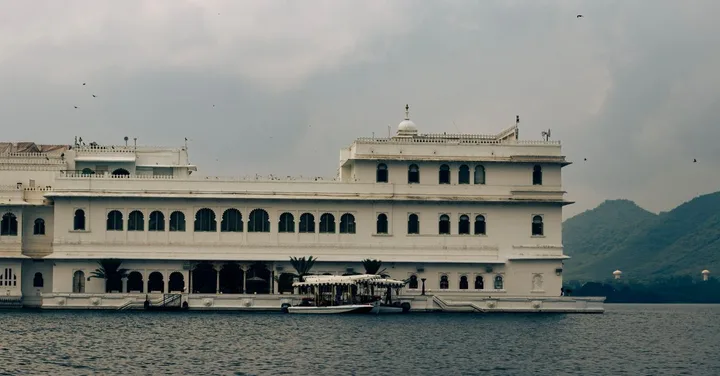
Lake Pichola in summer has a different mood, quieter and more reflective. The boat ride to the Lake Palace hotel (even if you're not staying there) is worth doing at either 7am or 6pm. The heat makes the water feel genuinely significant in a way it doesn't when the weather is mild.
Palace Hotel Pools
This might sound frivolous, but hear us out. Spending a summer afternoon at the pool of a heritage palace hotel, the kind where the architecture is genuinely beautiful around you, is its own kind of travel experience. The Incredible India campaign has long positioned Rajasthan's palace hotels as a unique global offering, and in summer these properties go out of their way with summer-specific hospitality to justify your visit.
Cooking Classes and Indoor Experiences
Summer naturally pushes you toward indoor discoveries: dal baati churma cooking classes in Jodhpur, block printing workshops in Jaipur's artisan districts, or a session with a miniature painting master in Udaipur's old city. These are the experiences that get skipped in peak season because everyone's rushing from fort to fort.
How Prices and Availability Change in This Season
This is where summer Rajasthan genuinely surprises. Here's the practical breakdown:
-
Palace hotels and heritage properties: Rates drop 35% to 50% from peak season. A room that costs Rs 25,000-30,000 per night in December is often available at Rs 12,000-16,000 in May. The properties are the same, the service is equally good, and sometimes better because staff aren't stretched.
-
Flights: Delhi to Jaipur or Jodhpur in summer is reliably affordable. Fares from Mumbai are similarly low. You have your pick of timings.
-
Ranthambore permits: Easier to book but still require advance planning, particularly for Zone 1 and 2 which hold the best tiger territories.
-
Crowd levels: Jaipur's Amber Fort in January has queue times of 45 minutes minimum. In May, you walk straight in. That's not a small thing.
One thing doesn't go on sale: quality desert camp experiences in Jaisalmer. The best operators maintain their pricing because their costs (especially cooling infrastructure) actually increase in summer. Pay the rate for a good camp. The cheap ones become genuinely uncomfortable after midnight.
What to Pack
Specific to Rajasthan in summer, not a generic list:
- Light cotton kurtas or linen shirts: Synthetic fabrics in 44°C are genuinely unpleasant. Cotton breathes. Pick up a well-made cotton kurta in Jaipur's Johari Bazaar if you haven't packed one already.
- Wide-brim hat or good cotton scarf: A dupatta or stole pulled across your face during dust storms is practical, not just aesthetic.
- Electrolyte sachets: Pack Enerzal or Electral powder. Dehydration happens faster than you'd expect in dry heat, even if you're drinking water.
- SPF 50+ sunscreen: Apply it before you leave the hotel. Every day.
- Lightweight sneakers or closed shoes with socks: Fort walking means a lot of stone and gravel. Sandals get very hot from the ground surface.
- Power bank: Your phone works harder in heat and the camera will be out constantly. A 20,000 mAh bank is not overkill.
- Packable light down or warm layer: Desert nights, even in summer, drop to 25-28°C at the camp, which feels cold relative to the day. Take something light.
- Sunglasses with UV400 protection: Non-negotiable. The Rajasthan light is intense.
Frequently Asked Questions
Q: Is Rajasthan in summer really worth visiting or should I just wait for winter?
Honestly, if you have total flexibility, October to November is the better season overall. Cool enough to sightsee comfortably all day, the major festivals like Diwali and various local melas are in full swing, and the whole landscape looks its best. February is the other popular choice but it gets crowded. October-November is actually our top pick at Safari Sutra Holidays because the weather is good, festivals are on, and you completely sidestep the January school-holiday crowds. That said, summer has specific advantages: lower prices, Ranthambore tigers, and a more personal experience at major sites.
Q: Can children handle Rajasthan in summer?
With the right precautions, yes. Keep outdoor time to mornings (6am to 10am) and late evenings. Ensure kids are constantly hydrated with water and electrolytes. Choose hotels with proper pools. Ranthambore at this time is actually fantastic for older children who are serious about wildlife. Toddlers in 44°C heat is a harder sell.
Q: Which Rajasthan city is most manageable in summer?
Udaipur is the most comfortable because it's in the Aravalli hills at higher elevation than Jaipur or Jodhpur. Temperatures average 3-5°C lower than the desert cities. If you're heat-sensitive and want a summer visit, Udaipur is the place to base yourself.
Q: Are Rajasthan heritage hotels worth booking in summer?
Absolutely. The heritage hotels like the Taj Lake Palace, Umaid Bhawan, and SUJAN properties maintain full service through summer and often have their most attentive staff presence when they're running at lower occupancy. For a luxury stay at significantly reduced rates, summer is genuinely the smart season.
Q: Will Ranthambore be open in summer 2026?
The park typically stays open through mid-June, closing for monsoon. April and May 2026 should be fully operational, though always confirm specific dates with your operator before booking, as monsoon arrival can vary by a week or two each year.
Q: Is Jaisalmer desert camping safe in summer heat?
Safe with the right operator. A reputable camp with air-cooled or air-conditioned tents, proper food hygiene (summer food safety is important), and structured timing for outdoor activities is fine. The camel ride at dusk and stargazing after 9pm are the experiences that make the camp, and both happen in much cooler conditions than the afternoon.
Q: What's the best Rajasthan summer itinerary structure?
A week works well as follows: one to two nights in Jaipur (early morning Amber Fort, afternoon in the cool interiors of City Palace), two nights at Ranthambore (two morning safaris), two nights in Udaipur (boat on the lake, old city exploration in the evenings), and if time allows, one night in Jodhpur for Mehrangarh at dawn. This structure keeps outdoor exposure during the coolest hours and uses the midday heat for travel or rest.
Book Your Summer Rajasthan 2026 Trip Now
Summer Rajasthan rewards travellers who plan properly. The combination of Ranthambore tiger safaris, palace hotel deals, and crowd-free mornings at India's greatest forts is a genuinely compelling case for going against the obvious season.
Ready to Plan Your Trip?
Safari Sutra Holidays — 13 years, 15,000+ trips, zero cookie-cutter itineraries.
Get Your Free Custom Quote →+91 9860415774 | hello@thesafarisutra.com

Safari Sutra Team
Travel curators with 13 years of experience planning Indian and international holidays — from safari adventures to island escapes.
View All Posts