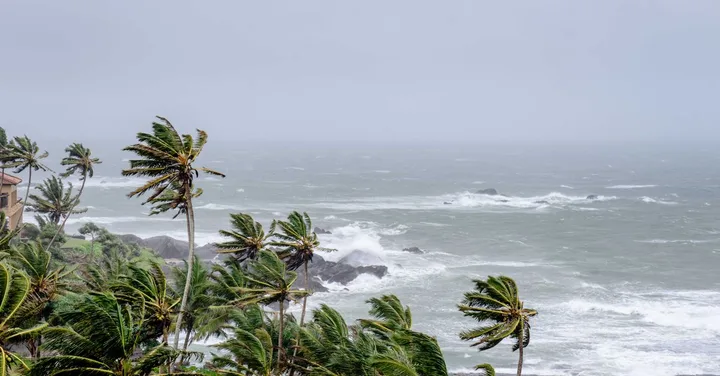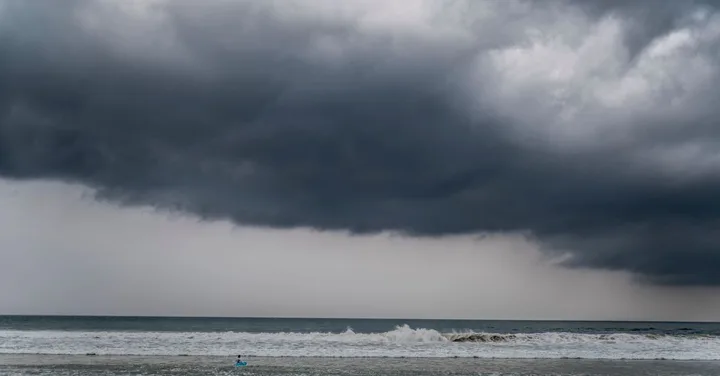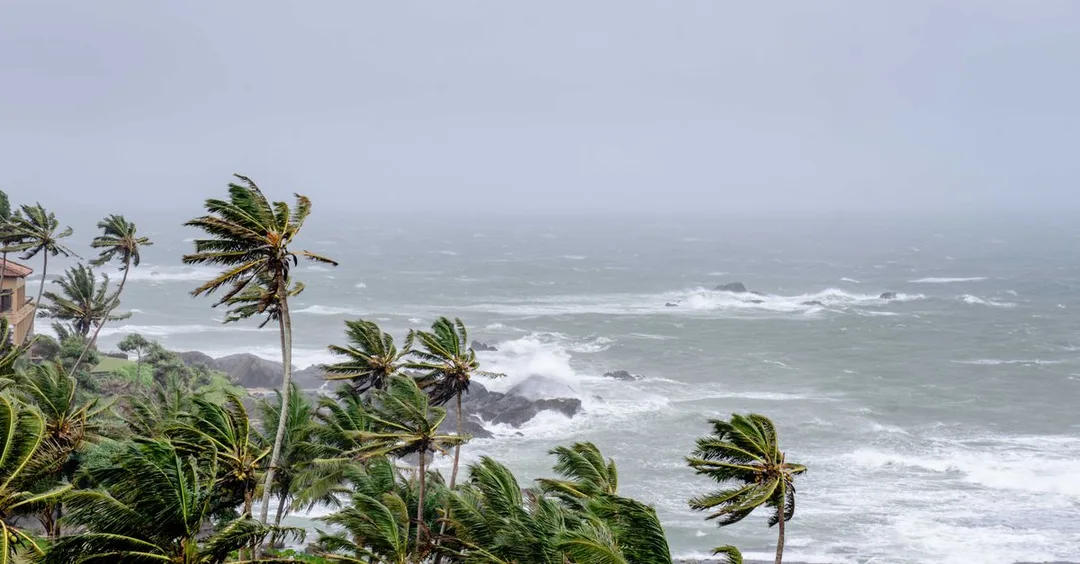
The moment you step off the Madgaon train in July, the smell hits you first. Wet earth, frangipani, and something faintly smoky from a kitchen somewhere nearby. The roads are slick and green, the coconut palms are doing that dramatic swaying thing, and the whole state looks like someone turned the saturation up to eleven. Goa in monsoon is nothing like what your Instagram feed has prepared you for. And honestly? That's exactly why you should go.
Why Goa Is Perfect for Indian Travellers
Let's get the obvious out of the way: Goa in peak season (November to February) is brilliant, but it's also crowded, expensive, and loud. The shacks are packed, the beer costs twice as much, and finding a quiet beach to breathe on feels like a competitive sport.
Monsoon Goa is a completely different proposition, and Indian travellers are increasingly catching on to why it works so well.
First, the price difference is real. Hotel rates in South Goa can drop by 40 to 60 percent between June and September. That boutique property in Assagao that quotes you ₹18,000 a night in December? You'll find it at ₹7,000 in August. Same pool, same breakfast, same four-poster bed.
Second, Goa in the rains is genuinely beautiful in a way that has nothing to do with beach holidays. The Western Ghats, which form Goa's eastern boundary, turn lush and almost impossibly green. Waterfalls that are dry streams in April come alive. The spice plantations smell incredible. And the food, especially the local Goan Catholic and Hindu home cooking, is at its seasonal best with fresh catch and local produce.
Third, it's a short trip for most Indian families. Flights from Mumbai to Goa can take under an hour. Delhi takes about two and a half hours. For a long weekend or a 4-night break, Goa remains one of the easiest, most rewarding options in the country.
The key is going in with the right expectations. Monsoon Goa is not a beach holiday. It's a mood holiday. And if you're open to that, you'll love it.
Best Time to Visit (Month by Month, Honest)
Not all monsoon months are equal. Here's the honest breakdown:
June: The rains arrive with drama. Heavy showers, rough seas, and a lot of the beach shacks are still closed or just reopening in limited form. The landscapes are gorgeous but it can feel a bit deserted. Good for very budget-conscious travellers or those who want total solitude. Some restaurants in Panaji and Margao stay open year-round.
July: This is peak monsoon and arguably the best month if you want the full green Goa experience. Waterfalls are at their strongest, the Sao Joao festival (where locals jump into flooded wells) happens in late June but spills into July. The rains are consistent but not constant; you'll get clear windows of a few hours each day.
August: Slightly less intense than July. You get a good mix of greenery, occasional sunshine, and more restaurants and smaller properties are open. The Bonderam festival on Divar Island happens in August and is genuinely one of the more charming local festivals in Goa.
September: The rains ease noticeably in the second half. This is arguably the sweet spot for monsoon travel. You get the green landscapes, cooler temperatures, lower prices, and the beaches start becoming walkable again even if swimming is still inadvisable in many spots due to currents.
October: Technically post-monsoon but the greenery lingers. Some properties still offer shoulder-season pricing until mid-October. The sea calms down considerably and you can start enjoying beach walks again. A lot of travellers visiting for Dussehra or long weekends hit this window.
According to Goa Tourism, the state's official tourism body, the monsoon season officially runs from June to September, with July and August recording the heaviest rainfall.
What's Included in Goa Monsoon Packages
A good monsoon package should be built differently from a standard beach holiday package. Because the itinerary itself shifts, the inclusions matter more.
When you book a monsoon Goa package through Safari Sutra Holidays, you're typically looking at:
- Accommodation at a boutique property or heritage villa with breakfast included
- Airport or station transfers (the roads can be tricky in heavy rain; having a reliable driver matters)
- Waterfall day trips - Dudhsagar, Tambdi Surla, and Netravali are the big three
- Spice plantation visit with a home-style Goan lunch
- Old Goa heritage walk covering the Basilica of Bom Jesus and Se Cathedral
- Goa by bike or scooter tour for the more adventurous (includes a guide)
- Sunset river cruise on the Mandovi, which is especially beautiful during monsoon
- One cooking class learning to make Goa's fish curry rice, prawn balchão, or bebinca
What's usually excluded: beach club entry fees, spa treatments, meals beyond breakfast, and optional boat trips to islands (most of which are suspended June to August due to sea conditions).
You can explore the full range of options on our Goa Beach Holiday Packages page, including monsoon-specific itineraries.
Package Options & Prices in INR
These are realistic 2026 price estimates for two adults, including accommodation, transfers, and the inclusions listed above. All packages are built around a 4-night, 5-day stay.
1. Weekend Escape (Budget) - ₹28,000 to ₹35,000 per couple
3-star guesthouse or OYO Heritage property, shared transfers, one guided tour included. Good for a quick getaway without frills.
2. Classic Monsoon Break - ₹48,000 to ₹65,000 per couple
4-star boutique hotel in South Goa or Assagao, private transfers, waterfall day trip, spice plantation visit, and one river cruise. This is our most popular tier.
3. Premium Green Goa Experience - ₹80,000 to ₹1,10,000 per couple
Boutique pool villa or heritage property (think places like Ahilya by the Sea or similar), private car for the duration, all tours included, cooking class, and an Old Goa heritage walk with a historian guide. Breakfast and one dinner included.
4. Family of Four Package - ₹1,10,000 to ₹1,40,000
Two-bedroom villa or adjoining rooms at a 4-star resort, private vehicle, kid-friendly itinerary with nature walks, waterfall hike, and a Goa culture trail. Includes breakfast daily.
5. Solo Traveller / Digital Nomad Special - ₹18,000 to ₹25,000
4 nights in a well-reviewed hostel or studio guesthouse, scooter rental for the stay, one group tour. No frills, maximum freedom.
Prices vary based on specific travel dates, property availability, and whether you're travelling during a long weekend or festival period. A quick call with us will get you an exact quote within 24 hours.
Practical Travel Tips
Getting there: Goa's Manohar International Airport (Dabolim is now largely replaced or supplemented by the new Mopa airport in North Goa) has good connectivity. From Mumbai, you'll find direct flights from ₹2,500 to ₹6,000 one-way if you book 6 to 8 weeks in advance. From Delhi, budget ₹4,500 to ₹9,000. The Konkan Railway is a genuinely scenic option if you have time, especially the Mumbai-Madgaon route.
Visa: No visa needed for Indian citizens. Carry your Aadhaar or any government ID.
What to pack:
- Light waterproof jacket or poncho (not an umbrella; it's windy)
- Quick-dry clothes; cotton stays damp too long
- Waterproof sandals or old sneakers you don't mind getting soaked
- Mosquito repellent, especially for waterfall hikes and plantation visits
- A power bank; monsoon means occasional power cuts in smaller guesthouses
Health: Drink bottled or filtered water. Be a little careful with street food during peak monsoon. Carry basic ORS sachets and an antihistamine. If you're prone to motion sickness, the roads to Dudhsagar can be bumpy.
Safety in water: This is non-negotiable. The Arabian Sea during monsoon has strong undercurrents and several beaches will have red flags. Do not swim at flagged beaches. Stick to rivers, waterfalls, and pools.
Money: Most places accept UPI now, but carry some cash for local markets, small restaurants, and autorickshaws.
If you want help planning the logistics, reach out to the Safari Sutra Holidays team and we'll handle the nitty-gritty.
Frequently Asked Questions
Q: Is Goa actually enjoyable in the monsoon or is it just hype?
It's genuinely enjoyable, but only if you reset your expectations. If you want to lie on a beach with a cocktail, go in December. If you want green landscapes, lower prices, great food, cultural experiences, and fewer crowds, monsoon Goa is the real deal. Over 15,000+ trips and 12+ years of planning travel for Indian families, the Safari Sutra team has seen monsoon Goa convert plenty of sceptics.
Q: Are the beaches completely off-limits in monsoon?
Not completely. You can walk on most beaches; you just shouldn't swim at the ones with red flags or rough surf. Palolem and Patnem in South Goa tend to be calmer than the north. Beaches like Butterfly Beach and Cola Beach are best accessed by boat, which won't operate in monsoon. Think of the beaches as scenic walks rather than swimming spots.
Q: Which waterfalls are worth visiting and when?
Dudhsagar is the most dramatic and best reached in July and August when the flow is at its peak. The jeep safari from Kulem is the classic approach. Tambdi Surla waterfall is smaller but beautiful and is near Goa's oldest temple of the same name. Netravali is quieter and great for birdwatching. All three are best visited in July, August, and early September.
Q: Are restaurants and hotels open during monsoon?
More than people assume. The big beach shacks may be closed, but Panaji, Margao, Calangute, and Assagao have plenty of year-round restaurants doing excellent Goan food. Most good hotels stay open; it's mainly the seasonal beach properties that shut down. Booking in advance is still recommended because inventory is lower with many properties doing maintenance.
Q: Is monsoon Goa suitable for families with young kids?
Yes, with some adjustments. Skip the waterfall hikes with children under 6 as the paths can be slippery. Older kids love the jeep safari to Dudhsagar, the spice plantation (there are often animals to see), and the cultural trail through Old Goa. A private villa with a pool is a great base for families.
Q: What's the best area to stay in, North Goa or South Goa, during monsoon?
South Goa is generally the better call during monsoon. It's quieter even in peak season, and the roads tend to be less chaotic. Areas like Benaulim, Colva, and Agonda are lovely. If you want nightlife and restaurant variety, North Goa around Assagao and Siolim has some excellent all-year spots and the vibe is more village-like during off-season.
Q: How far in advance should I book for monsoon 2026?
For June and July 2026, you can book as late as April or May and still get good rates. But if you want a specific boutique villa, a long weekend during Independence Day (August 15), or you're travelling as a group, book by February or March 2026 to lock in the best properties at the best prices.
Plan Your Trip with Safari Sutra Holidays
Monsoon Goa is one of those trips that rewards the traveller who does a little homework and goes in prepared. The colours are richer, the crowds are thinner, the prices are kinder, and you'll see a version of Goa that most tourists simply never experience.
Whether you want a quiet 3-night solo retreat, a family-of-four adventure with waterfall hikes and temple visits, or a romantic villa stay with all the details sorted, we've got you covered. With 12+ years of crafting travel experiences for Indian travellers across every budget and travel style, we know what works and, equally importantly, what doesn't.
Check out our Goa Beach Holiday Packages to see what we're currently offering for 2026, or just tell us what you have in mind and we'll build something around your dates, budget, and travel style.
Ready to plan your trip? Contact Safari Sutra Holidays today.

Safari Sutra Team
Travel curators with 13 years of experience planning Indian and international holidays — from safari adventures to island escapes.
View All Posts