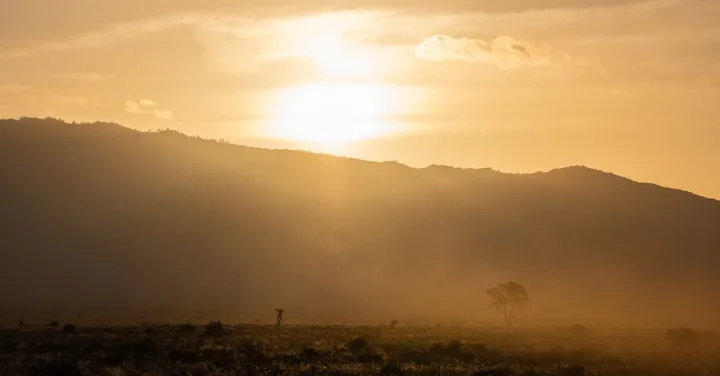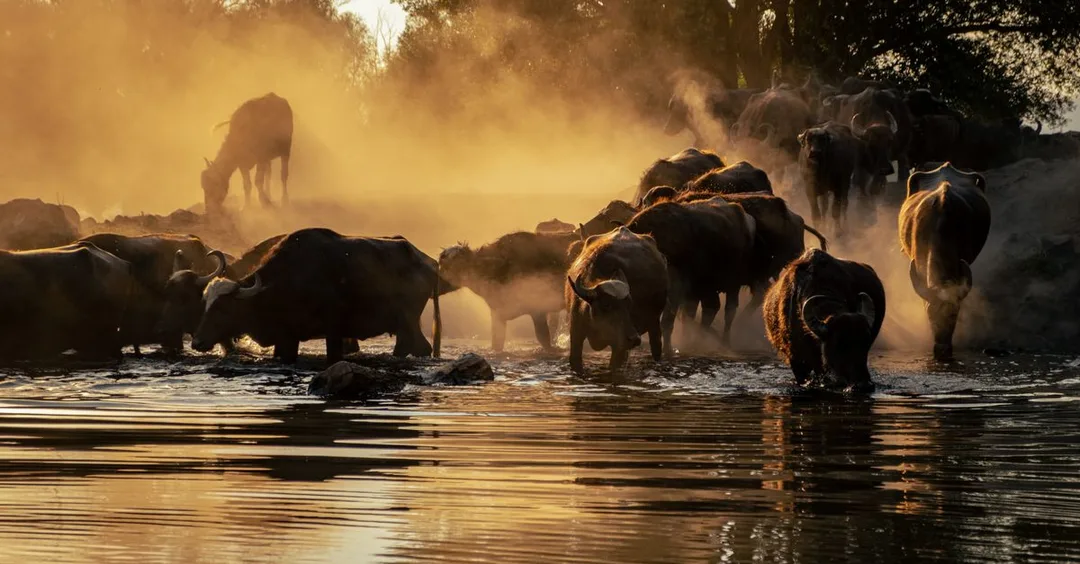
You're sitting in an open game vehicle at dawn, watching a pride of fourteen lions drag a buffalo through golden grass, and there isn't another vehicle in sight. No radio chatter about "where the lions are." No convoy of minivans. Just you, your guide, and this raw, ancient wilderness doing exactly what it has done for thousands of years. That is Ruaha. It doesn't need your Instagram approval. It's been the real thing long before anyone thought to hashtag it.
In This Guide
- Ruaha National Park Tanzania for Indian Travellers: What You Actually Get
- Best Time to Visit (Month-by-Month, Honest)
- Top Experiences You Can't Miss
- Safari Sutra Package Options & Prices in INR
- Getting There: Flights from India
- Visa, Vaccinations & Practical Prep
- Frequently Asked Questions
- Plan Your Ruaha National Park Tanzania Trip with Safari Sutra
Ruaha National Park Tanzania for Indian Travellers: What You Actually Get
Most Indian travellers land in Tanzania with Serengeti and Ngorongoro already circled on their map. Ruaha doesn't even make the conversation, which is precisely why it should.
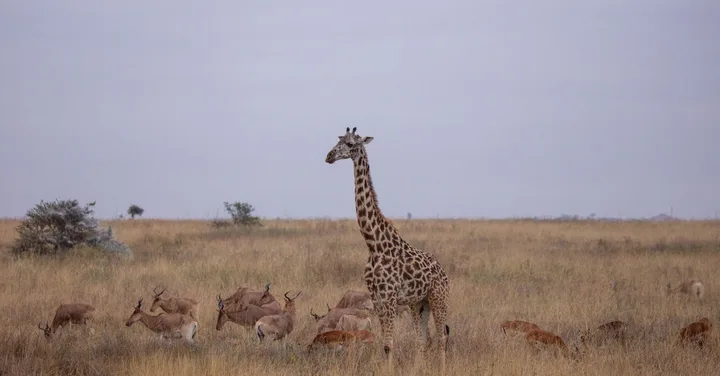
Ruaha National Park is Tanzania's largest national park, covering over 20,000 square kilometres of dramatic, semi-arid wilderness in the country's south. It's larger than some European countries. The Tanzania National Parks authority considers it one of Africa's most biologically significant protected areas, and the wildlife numbers back that claim up hard: Ruaha holds Tanzania's largest lion population, one of Africa's biggest elephant concentrations (over 10,000 individuals), and predator density that regularly stops experienced guides mid-sentence.
The landscape here is nothing like the flat, open Serengeti plains most people picture when they think "Tanzania safari." Ruaha is baobab country. Ancient, cathedral-like trees dot the hillsides and flood plains of the Great Ruaha River, which forms the park's lifeline during the dry season. The terrain is rocky, varied, and genuinely wild-feeling. You'll find yourself on ridgelines looking down into valleys full of elephants, or parked beside the river watching crocodiles, hippos, and lions all compete for the same stretch of water.
For Indian premium travellers who have "done" Masai Mara or Serengeti and want something that feels less like a stage-managed wildlife show and more like the Africa of old documentaries, Ruaha delivers. It also pairs exceptionally well with a broader Tanzania circuit. Browse Tanzania Safari Packages from Safari Sutra Holidays to see how Ruaha fits into a 10 to 14-night itinerary.
The crowds here are thin by African safari standards. You might see one other vehicle at a sighting. On a quiet day in June or July, you might see none. That exclusivity, in the Serengeti, would cost you twice the price.
Best Time to Visit (Month-by-Month, Honest)
Ruaha has two distinct seasons, and the difference is significant enough that your month of travel genuinely changes your experience.
June to October: Peak dry season, peak wildlife. This is the best time to visit, full stop. The Great Ruaha River shrinks to pools and channels, forcing every animal in the park to drink in predictable spots. You watch elephants arriving in family herds of forty. Lions sit in the open because the shade is limited. Wild dogs, one of Africa's most endangered predators (Ruaha has one of the healthiest populations anywhere), den here between June and August and are reliably sightable. Temperatures sit between 18 and 28 degrees Celsius, the vegetation is low and visibility is excellent, and the roads are dry and accessible throughout the park. If you're travelling from India during summer school holidays (late May through June), the timing aligns perfectly.
July and August are the most popular months. Expect slightly fuller camps but still nothing like the Serengeti in peak season.
September and October are arguably the sweet spot: the dry season is well advanced, wildlife congregates even more intensely around shrinking water sources, and the occasional hot afternoon adds atmosphere without being uncomfortable.
November to December: The short rains arrive. The park greens up fast, the river starts flowing, and many animals disperse. Wildlife is harder to find but the landscape is genuinely beautiful, photography light improves dramatically, and rates drop. If you're a serious photographer or want value, this window works.
January to March: These months are quieter and warm. Some rain falls. Wildlife is dispersed but present, and birdlife absolutely explodes. Ruaha has over 570 recorded bird species, making it one of East Africa's great birding destinations. January to March is when birders from around the world quietly descend on it.
April and May: Avoid. The long rains turn the park's murram roads into impassable mud, and many camps close completely.
Top Experiences You Can't Miss
River drives along the Great Ruaha. Most camps run morning and evening game drives that hug the riverbanks. During dry season, these are extraordinary. You'll find elephant families crossing, crocodiles basking, and hippo pools where the animals are practically shoulder to shoulder. The light on the water at 6am is soft gold. Bring your best camera lens.
Walking safaris. Ruaha is one of the few places in Tanzania where you can genuinely walk with an armed ranger into the bush and track game on foot. This isn't a short village walk. You might spend three hours following lion tracks through thick combretum scrub. Your heart rate will tell you this is real. Walking safaris need to be booked specifically and are typically an add-on to a standard fly-in package.
Night drives. Unlike some Tanzanian parks with strict after-dark rules, Ruaha permits night game drives from certain camps. Leopards become active, civets trot across vehicle paths, and if you're lucky, honey badgers (possibly the most stubborn animals on earth) do exactly what they want regardless of your presence.
Wild dog sightings. Ruaha is one of the last strongholds for African wild dogs. The packs here can number 20 or more animals. A wild dog hunt at dawn, with the whole pack in coordinated pursuit, is something that stays with you. Ask your Safari Sutra Holidays consultant specifically about the best camps for wild dog access when planning your trip.
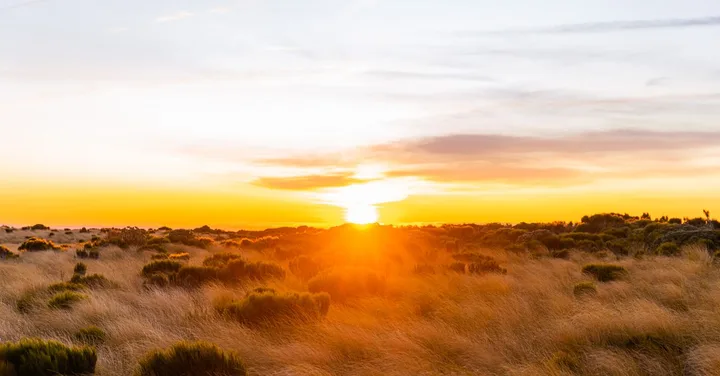
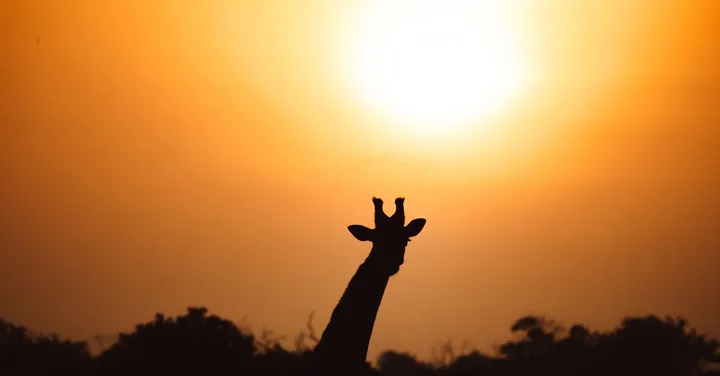
Sundowners on a kopje. Most good camps in Ruaha drive you to a rocky outcrop in the late afternoon for drinks as the sun drops. The silence is complete, the horizon stretches for 200 kilometres, and the baobabs turn amber. It's the kind of moment that makes you rethink what evening actually means.
Safari Sutra Package Options & Prices in INR
We've structured Ruaha into a few clear tiers so you can decide what level of luxury makes sense for your trip.
Ruaha Short Escape (4 nights)
Fly-in from Dar es Salaam, 4 nights at a solid mid-range camp with river frontage, all meals and game drives included. Starting from approximately Rs. 1.6 lakh per person. Best for: first-timers who want a focused, no-frills Ruaha experience before continuing to Zanzibar.
Classic Ruaha Safari (6 nights)
Fly-in from Dar es Salaam or Arusha, 6 nights split between two camps in different Ruaha zones for varied habitats, walking safari included, night drives on three evenings. Starting from approximately Rs. 2.4 lakh per person. Best for: serious wildlife travellers, photographers, couples.
Ruaha and Selous Combination (9 nights)
Ruaha (5 nights) combined with the Nyerere National Park / Selous (4 nights), covering Tanzania's two great southern circuit parks back to back. Boat safaris on the Rufiji River added in Selous. Starting from approximately Rs. 3.2 lakh per person. Best for: travellers who have done northern Tanzania and want genuine wilderness.
Southern Tanzania Premium (12 nights)
Ruaha, Selous, and a Zanzibar wind-down to close the trip. Top-tier camps throughout, private vehicle upgrade available, airport transfers fully managed. Starting from approximately Rs. 4.2 lakh per person. Best for: premium honeymoons, milestone celebrations, and anyone who doesn't want to think about logistics once they land.
Grand Tanzania Circuit (14 nights)
Northern circuit (Serengeti, Ngorongoro, Tarangire) combined with Ruaha in the south. Two completely different Tanzanias in one trip. Starting from approximately Rs. 5.5 lakh per person. Best for: travellers coming to Tanzania once and wanting the full picture.
All packages include international return flights estimate guidance, Tanzanian park fees, and visa support. Prices are per person based on double occupancy and subject to season.
Getting There: Flights from India
There's no direct flight from India to the Ruaha area, but the connections are manageable.
The main routing is Mumbai or Delhi to Dar es Salaam, with a connection in Addis Ababa (Ethiopian Airlines), Nairobi (Kenya Airways), or Dubai (Emirates/flydubai). Flight time from Mumbai is roughly 9 to 11 hours including the connection. Dar es Salaam is your international arrival point for the southern circuit.
From Dar es Salaam, Ruaha is reached by a small charter flight (roughly 1.5 to 2 hours) to Msembe airstrip inside the park, or to Jongomero airstrip depending on your camp. These flights are typically arranged through your camp or operator and are included in fly-in packages. The overland alternative (driving from Iringa) is possible but takes 5 to 6 hours on rough roads and adds a full day of travel each way. Most travellers flying from India choose the charter option.
Ethiopian Airlines currently offers some of the best connections and fares from both Mumbai and Delhi. Book your international legs at least 3 to 4 months ahead for peak season travel.
Visa, Vaccinations & Practical Prep
Visa: Indian passport holders need a visa to enter Tanzania. The Tanzania e-visa is available online through the Tanzania Tourist Board portal and takes 3 to 10 working days to process. Single-entry tourist visas are priced at USD 50. Apply at least 3 weeks before travel. Approval is generally smooth for Indian applicants with a confirmed itinerary and return ticket.
Yellow fever: Tanzania requires proof of yellow fever vaccination if you're arriving from a yellow-fever-endemic country. India is on that list. Carry your yellow card (the physical vaccination certificate) without fail. Get vaccinated at least 10 days before departure. Most government hospitals and many private travel clinics in Indian metros offer this.
Malaria: Ruaha is a malaria area. Consult your doctor about anti-malarial prophylaxis at least 2 weeks before travel. Most travellers take either Malarone (atovaquone-proguanil) or doxycycline. In addition to medication, long-sleeved clothing at dawn and dusk, quality insect repellent with DEET, and the mosquito nets provided at all reputable camps are your practical defences.
Currency: The Tanzanian Shilling is the local currency, but USD is widely accepted at camps and for tipping. Carry crisp USD 50 and USD 100 bills. Avoid crumpled or pre-2009 notes as some businesses won't accept them. Tips for guides range from USD 15 to 30 per day, and camp staff tipping boxes are standard.
Connectivity: Expect limited or no mobile data in Ruaha. This is a feature, not a problem. Most camps have WiFi in the main lodge area, usually slow but functional for messaging. Tell your family before you go.
Packing: Neutral tones (khaki, olive, sand), light layers for cold mornings, a proper sun hat, and quality binoculars. A 100-400mm lens or a good bridge camera will serve you far better than a phone for wildlife photography at Ruaha's distances.
Frequently Asked Questions
Q: Is Ruaha safe for Indian families with young children?
Ruaha is a wild, remote park and most camps have a minimum age policy of 8 or 12 years for game drives, depending on the property. Walking safaris are generally adults-only. If you're travelling with younger children, look at camps that have specific family-friendly policies and offer daytime activities beyond drives. It's a brilliant destination for older kids who are genuinely interested in wildlife, the remoteness will make a huge impression on them.
Q: How does Ruaha compare to Serengeti for first-time safari travellers?
Serengeti is more accessible, has more infrastructure, and offers the famous Great Migration spectacle. Ruaha is harder to reach, wilder in feel, and significantly less crowded. For a first-time safari traveller from India who wants the classic Big Five experience with a recognisable name to tell relatives about, Serengeti is fine. For someone who has already done Serengeti or Masai Mara and wants something genuinely different, Ruaha is the better call. It rewards travellers who want depth over spectacle.
Q: What is the best way to combine Ruaha with other Tanzania destinations?
The most natural combinations are Ruaha with Selous/Nyerere (both on the southern circuit, accessible by small charter flights), or Ruaha with Zanzibar as a beach finish. Combining Ruaha with Serengeti in a single trip is possible but involves a fair bit of flying time and adds cost. It works best on a 12 to 14-night trip where you don't want to feel rushed.
Q: Does Safari Sutra handle the domestic charter flights within Tanzania?
Yes. When you book a Ruaha package with Safari Sutra Holidays, the domestic charter flights between Dar es Salaam and Ruaha airstrips are organised as part of the package. You won't need to arrange these separately or navigate Tanzanian domestic aviation on your own.
Q: Is Ruaha expensive compared to northern Tanzania?
Ruaha camp rates can be slightly higher per night than mid-range Serengeti properties because the logistics of operating in a remote southern park are more complex. However, because you're not adding Migration season premiums or paying for the brand premium that Serengeti commands, the overall trip cost for a comparable quality experience often comes out similar or lower. The value-to-experience ratio in Ruaha is genuinely good.
Q: What's the food like in Ruaha camps?
Better than you might expect for such a remote location. Most established camps serve three full meals a day, with menus that range from continental breakfast spreads to grilled meats and salads at lunch and multi-course dinners in the evening. Dietary requirements including vegetarian and Jain diets can typically be accommodated with advance notice. If you have specific requirements, flag them when booking.
Q: Can you see the Big Five in Ruaha?
Yes. Lions, leopards, elephants, buffalo, and African wild dogs are all reliably sighted. Rhinos are the one gap: black rhinos were historically present in Ruaha but are extremely rare now. If a complete Big Five tick-list including rhinos is important to you, pair Ruaha with Ngorongoro Crater, where rhino sightings are more reliable, on a combined Tanzania itinerary.
Plan Your Ruaha National Park Tanzania Trip with Safari Sutra
Here's something we tell our travellers after 12 years and 15,000 trips: the best safaris aren't always the most famous ones. Ruaha is proof. The lodge you've never seen on your Instagram feed, in the park most Indian travellers haven't heard of, is where you'll have the game drive story you repeat at every dinner party for the next decade.
The Northern Serengeti in October-November is our quiet favourite on the classic circuit, partly because you catch the tail of the migration and the beginning of calving season in the south, often within the same 7-day trip. But Ruaha in late June or September sits in the same category: a window, a place, and a combination of conditions that comes together in a way that makes experienced safari travellers say "this is the one."
If you're considering Tanzania, don't limit yourself to the northern circuit everyone else is booking. The southern wilderness, anchored by Ruaha, is where Tanzania keeps its best secret. And we'd genuinely love to help you find it.
Ready to Plan Your Trip?
Safari Sutra Holidays — 13 years, 15,000+ trips, zero cookie-cutter itineraries.
Get Your Free Custom Quote →+91 9860415774 | hello@thesafarisutra.com

Safari Sutra Team
Travel curators with 13 years of experience planning Indian and international holidays — from safari adventures to island escapes.
View All Posts