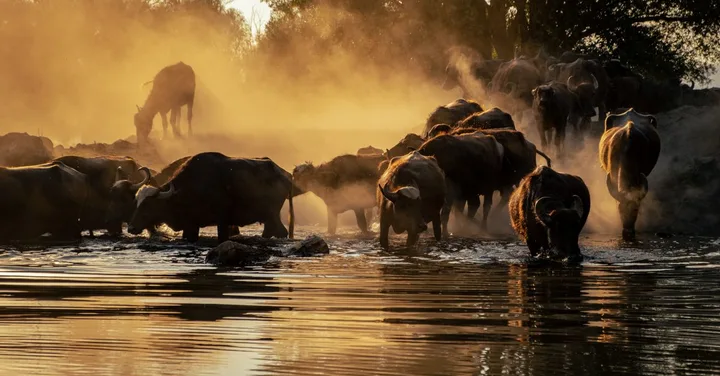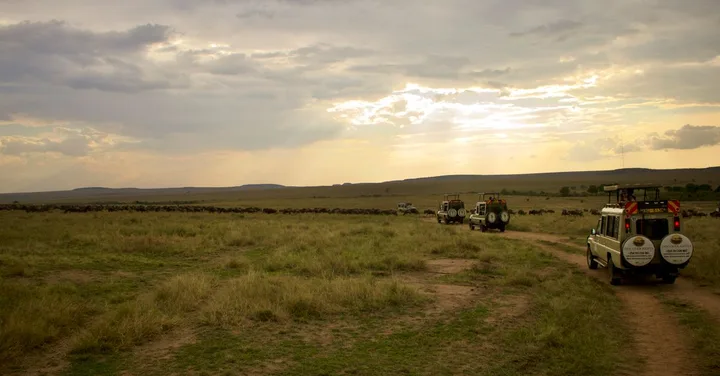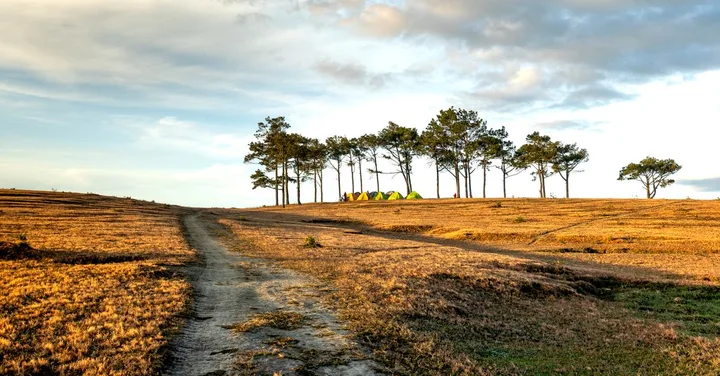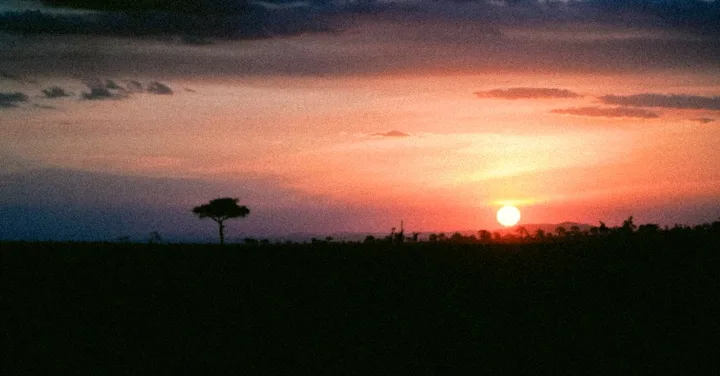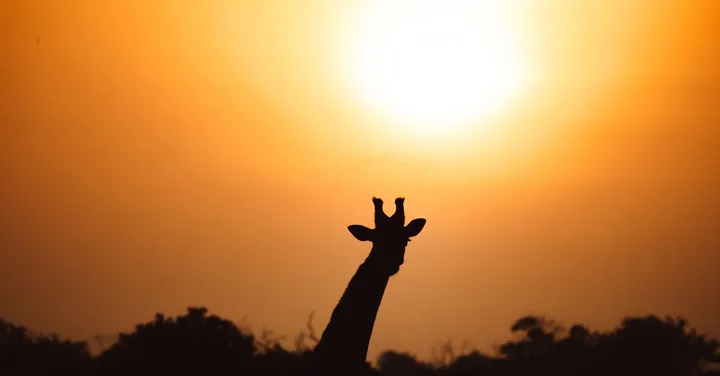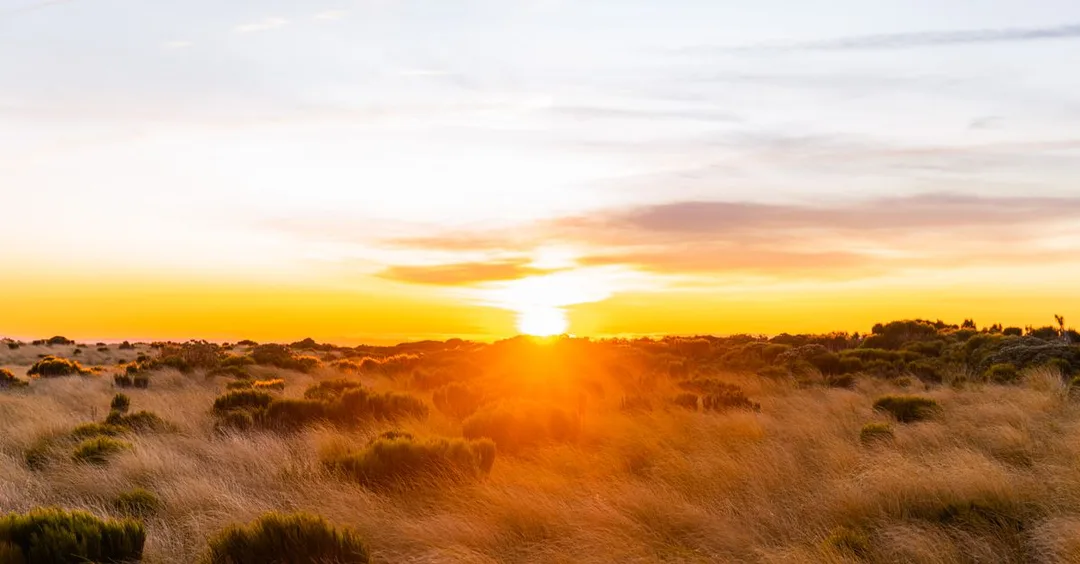
Picture this: you're sitting in an open jeep at dawn, a hot cup of chai warming your hands (yes, the camps actually make chai), and a herd of elephants is crossing the river thirty metres in front of you. No other vehicles. No crowds. Just the sound of water, birdsong, and your own heartbeat. This is Botswana, and this is exactly why Indian travellers who discover it never stop talking about it.
While Kenya and South Africa get all the attention, Botswana quietly delivers the kind of Africa that wildlife documentaries are made of. Fewer tourists, bigger wilderness, and wildlife encounters so raw they'll reset something in your brain. If you've been thinking about a botswana safari from india, this is your complete guide to making it happen.
Why Botswana Is Perfect for Indian Travellers
Let's start with the most important thing: exclusivity without the pretension.
Botswana made a very deliberate choice decades ago. Instead of chasing high tourist volumes, the government decided to protect its ecosystems by allowing fewer visitors, charging premium prices, and keeping the land as wild as possible. The Okavango Delta, one of the world's largest inland deltas, receives a fraction of the visitors that the Masai Mara or Kruger gets, which means you get Africa almost entirely to yourself.
For the Indian traveller, this matters a lot. We've all done the Taj Mahal at peak hour. We know what it feels like to experience something extraordinary through a hundred selfie sticks. Botswana is the opposite of that.
Practical reasons it works well for Indian travellers:
- No language barrier. English is the official language of Botswana, and the hospitality industry is fluent and warm.
- Indian food options exist. Major lodges and camps in Maun and Kasane often carry vegetarian meal options. If you communicate dietary needs in advance (which Safari Sutra Holidays helps you do), you'll eat well.
- Direct connectivity from India is improving. While there's no non-stop flight yet, convenient one-stop connections exist through Dubai, Nairobi, Johannesburg, and Addis Ababa.
- Family and group travel works beautifully. Many camps offer family suites and private vehicle options, which Indian families tend to prefer.
- The wildlife density is extraordinary. Chobe National Park has the highest concentration of elephants in Africa. The Okavango Delta offers both land and water safaris. The Makgadikgadi Pans turn into a flamingo paradise in the wet season.
The only honest caveat: Botswana is not a budget destination. But when you compare the experience per rupee spent, it's genuinely hard to beat. You're not just paying for a game drive. You're paying for an uncrowded wilderness, expert naturalist guides, and some of the most beautifully designed lodges on the African continent.
Best Time to Visit
The honest answer is: most of the year is good, but some months are significantly better than others.
May to October (Dry Season) - The Prime Safari Window
This is when Botswana is at its best for wildlife. As water sources dry up across the Kalahari and Delta, animals concentrate around rivers and permanent waterholes. Game viewing in Chobe and the Moremi Game Reserve becomes extraordinary. The Okavango Delta is flooded (paradoxically, from Angola's rains months earlier), so mokoro canoe rides and boat safaris are at their most spectacular.
May and June are particularly beautiful. The air is crisp, vegetation is thinning, and the crowds haven't peaked yet.
July and August are peak season. Wildlife viewing is excellent but prices are highest and camp availability gets tight. Book at least six months ahead.
September and October are hot but absolutely worth it. Animals cluster desperately around water. Predator action increases. Elephant breeding herds come down to the Chobe River in their thousands.
November to April (Green Season)
November to March brings rains and transforms Botswana into lush, cinematic green. The Makgadikgadi Pans flood and host massive flamingo gatherings. Birdwatching becomes spectacular, with migratory species arriving from Europe and Asia. Baby animals appear everywhere.
The trade-off: thicker vegetation makes spotting some wildlife harder, and some camps close or reduce services in the deepest wet months (January-February). Prices drop noticeably though, which opens up Botswana's luxury camps to a wider range of budgets.
Avoid: There's no truly bad time, but if you're coming for the classic Big Five safari experience, January and February in remote areas can be challenging due to road conditions and accessibility.
What's Included in Botswana Packages
A good Botswana safari package isn't just accommodation and flights stitched together. Here's what you should expect from a well-structured trip:
International flights: Usually return flights from Delhi or Mumbai to Maun or Kasane, routed through Johannesburg, Dubai, or Nairobi. Flight costs are typically quoted separately or as an add-on.
Internal charter flights: This is a non-negotiable part of most Okavango Delta packages. Many camps are only accessible by small bush plane. These short flights are actually a highlight in themselves, as you'll see the Delta's channel systems from above.
Accommodation: Tented camps and lodges in Botswana range from comfortable to genuinely luxurious. Most packages in the premium segment include en-suite bathrooms, hot showers, and electricity. Don't let the word "tented" fool you.
Game drives: Morning and evening game drives in open 4x4 vehicles, led by expert guides. Most camps do two per day, each lasting three to four hours.
All meals and selected beverages: Full board (three meals plus afternoon tea) is standard at most camps. Alcoholic beverages are included at most luxury and ultra-luxury properties.
Park fees and conservation levies: Botswana charges substantial daily fees to enter national parks and conservancies. These should be included in your package. Ask specifically.
Specialist activities by region: Mokoro rides (Delta), boat safaris (Chobe, Delta), walking safaris (selected camps), night drives, and cultural visits to local villages.
Visa support: A reputable operator will brief you on the visa process. Indian passport holders get visa-free access to Botswana for up to 30 days. Yes, you read that right.
To explore specific package combinations, take a look at Botswana Safari Packages to understand what suits your travel style and group size.
Package Options & Prices in INR
Botswana works well across a spectrum of premium budgets. Here are realistic tiers based on current market pricing, including land costs but excluding international airfare unless specified. These are per person estimates for a 7-10 night trip.
Tier 1: Classic Botswana Safari (7 nights)
Approx. INR 3,50,000 to 4,50,000 per person
Covers a mix of Chobe and one Delta camp, staying at mid-range lodges with shared game drives. Good for first-timers who want the full experience without going ultra-luxury. Best value in the green season (Nov-March).
Tier 2: Premium Safari (8 nights)
Approx. INR 5,00,000 to 7,00,000 per person
Includes one or two premium tented camps in Moremi or the private concessions, internal charter flights, private game drives available on request, and better meal quality. Ideal for couples and small groups.
Tier 3: Luxury Multi-Destination (10 nights)
Approx. INR 8,00,000 to 12,00,000 per person
Three camps across the Okavango Delta, Chobe, and potentially the Linyanti or Savuti regions. Fully private vehicle, premium lodges with plunge pools, curated tracking experiences for specific wildlife. This is the benchmark Botswana safari.
Tier 4: Ultra-Luxury Private Safari (10-12 nights)
Approx. INR 14,00,000 to 20,00,000+ per person
Private island camps, exclusive-use properties for families or groups, private chefs accommodating Indian dietary preferences, dedicated naturalist guides for your group only. The per-night cost at some of Botswana's iconic properties alone can be USD 1,500 to 3,000. For the right traveller, it's genuinely worth it.
Tier 5: Family Package (10 nights, 2 adults + 2 children)
Approx. INR 18,00,000 to 25,00,000 for the group
Family-friendly camps with age-appropriate activities, spacious suites, junior ranger programmes, and flexibility around meal times and activity schedules. Camps in Kasane near Chobe are particularly good for families with younger kids.
All prices are indicative and vary by season. Reach out to Safari Sutra Holidays for a customised quote once you have your dates and group size in mind.
Practical Travel Tips
Visa
Indian passport holders do not need a visa for Botswana for stays up to 30 days. This is a genuinely rare and brilliant advantage. You'll still need a valid Indian passport with at least six months validity and proof of onward travel.
Flights from India
There are no direct flights from India to Botswana. The most common routes are:
- Mumbai or Delhi via Johannesburg (South African Airways, Air India codeshare, Emirates via Dubai): Johannesburg to Maun or Kasane is then a two-hour connecting flight.
- Via Nairobi (Kenya Airways or Ethiopian Airlines): Works well, especially from South India.
- Via Dubai (Emirates, flydubai): Dubai to Johannesburg and then onward. Slightly longer but very reliable.
Total travel time from India door-to-camp is typically 18 to 26 hours depending on the route and layover.
Packing
- Neutral colours only: Khaki, olive, beige, grey. No white (dust), no blue (attracts tsetse flies), no bright colours.
- Layers: Mornings on game drives in dry season can be genuinely cold, even if afternoons are warm.
- Binoculars: Non-negotiable. Your camp may lend a pair but bring your own.
- Power banks and camera batteries: Camps charge devices but outlets may be limited.
- Sunscreen, insect repellent, and a hat: Essential.
Health
Botswana requires no vaccinations for Indian travellers unless you're arriving from a yellow fever zone. However, malaria prophylaxis is strongly recommended for most safari areas, particularly the Delta and Chobe. Consult your doctor at least four weeks before travel. Hepatitis A and Typhoid vaccinations are a sensible precaution.
Carry a basic medical kit and travel insurance that covers medical evacuation. Hospitals in remote areas are limited, but reputable camps have first aid facilities and evacuation protocols.
Currency and Connectivity
The local currency is the Botswana Pula (BWP). Most lodges operate on a cashless basis once you've paid your package. Carry some USD or ZAR for tips, which are customary and genuinely appreciated. Budget roughly USD 15 to 20 per person per day across all camp staff.
Connectivity in remote camps is limited by design, and honestly, that's half the point.
Frequently Asked Questions
Q: Is Botswana safe for Indian tourists?
Botswana is one of Africa's most politically stable and safe countries. It has a strong rule of law, a functional democracy, and very low crime in tourist areas. The camp and lodge environment adds another layer of security. Most travellers from India who visit rate it as one of the most hassle-free international destinations they've been to.
Q: Can vegetarians eat well on a Botswana safari?
You can, provided you communicate your dietary requirements when booking. Most premium and luxury camps are highly experienced with international guests and will prepare vegetarian meals. Strict vegans may find it slightly more challenging in remote areas, but it's manageable with advance notice. Safari Sutra Holidays makes sure your dietary preferences are flagged to every property before you arrive.
Q: How is Botswana different from Kenya or South Africa?
Kenya offers excellent game viewing and cultural richness through the Masai experience, and South Africa is more accessible and budget-flexible. Botswana sits in a different league for wilderness exclusivity. Visitor numbers are deliberately kept low, which means better wildlife encounters, less traffic at sightings, and a more intimate experience overall. It's generally pricier, but the trade-off in quality is real.
Q: Is the Okavango Delta worth the extra cost and internal flights?
Absolutely yes. The Delta is one of the most ecologically unique places on Earth, a UNESCO World Heritage Site where the only way to truly experience it is by mokoro canoe or small plane. The experience of poling silently through lily-covered channels with hippos grunting nearby is completely different from a standard game drive. If your budget allows, include at least one Delta camp.
Q: What's the best combination for a first-time Botswana visitor?
A three to four camp combination works well: start in Kasane (Chobe area) for elephant and river action, then fly into the Okavango Delta for water and land experiences, and optionally add the Makgadikgadi Pans or Savuti for predators and open landscapes. Seven to ten nights is the ideal duration to cover this without rushing.
Q: Can I combine Botswana with another African country?
Yes, and many Indian travellers do. Victoria Falls in Zimbabwe or Zambia is a natural add-on, just three to four hours from Kasane by road. South Africa's Cape Town combines beautifully at the end for those who want a city-and-wine experience after the bush. Botswana also shares borders with Namibia, and the Etosha National Park pairing is gaining popularity.
Q: When should I book for peak season travel?
For July to September travel, book at least six months in advance. Some of the most sought-after camps like Mombo or Duba Plains run extremely limited capacity and fill up a year ahead. Don't leave it to three months before and expect your first-choice properties to be available. If you're flexible on dates, shoulder season (May, June, October) offers excellent wildlife and better availability.
Plan Your Trip with Safari Sutra Holidays
With over 12 years of experience and 15,000+ trips across Africa and the world, Safari Sutra Holidays knows what works for Indian travellers in Botswana. We understand that you want honesty over hype, that you value your time as much as your money, and that you'd rather have someone who has actually been there, done the research, and can tell you which camp to skip and which one will blow your mind.
Botswana isn't for everyone who travels. It's for everyone who truly wants to travel. If you're ready to trade the crowds for silence, the tourist trail for wilderness, and the generic for the genuinely extraordinary, this is your destination.
Browse our Botswana Safari Packages to get a sense of the options, then let's talk specifics.
Ready to plan your trip? Contact Safari Sutra Holidays today.

Safari Sutra Team
Travel curators with 13 years of experience planning Indian and international holidays — from safari adventures to island escapes.
View All Posts