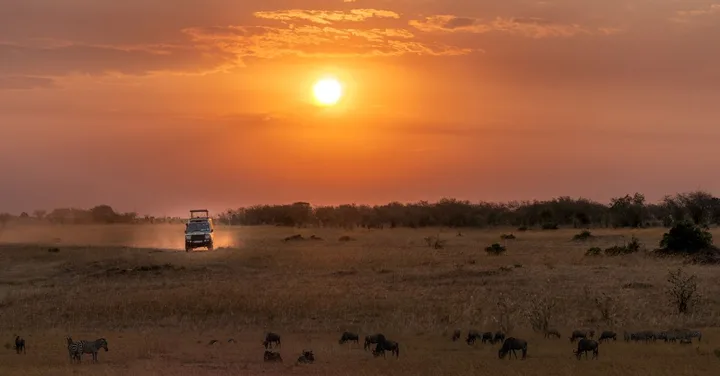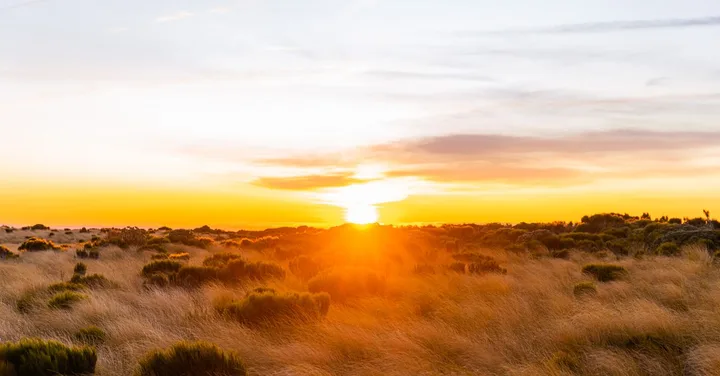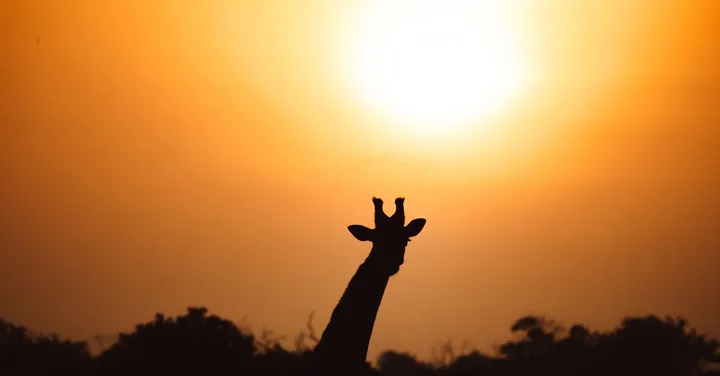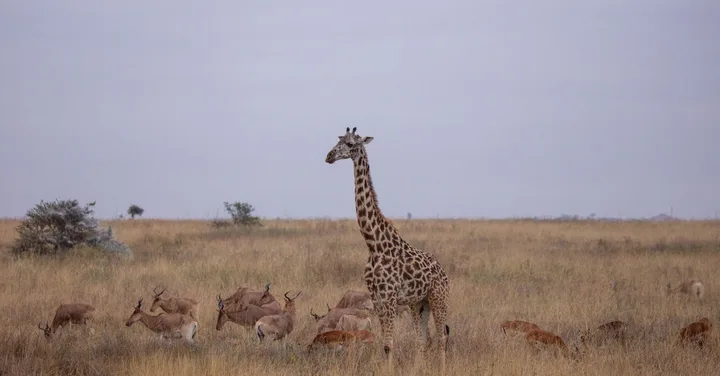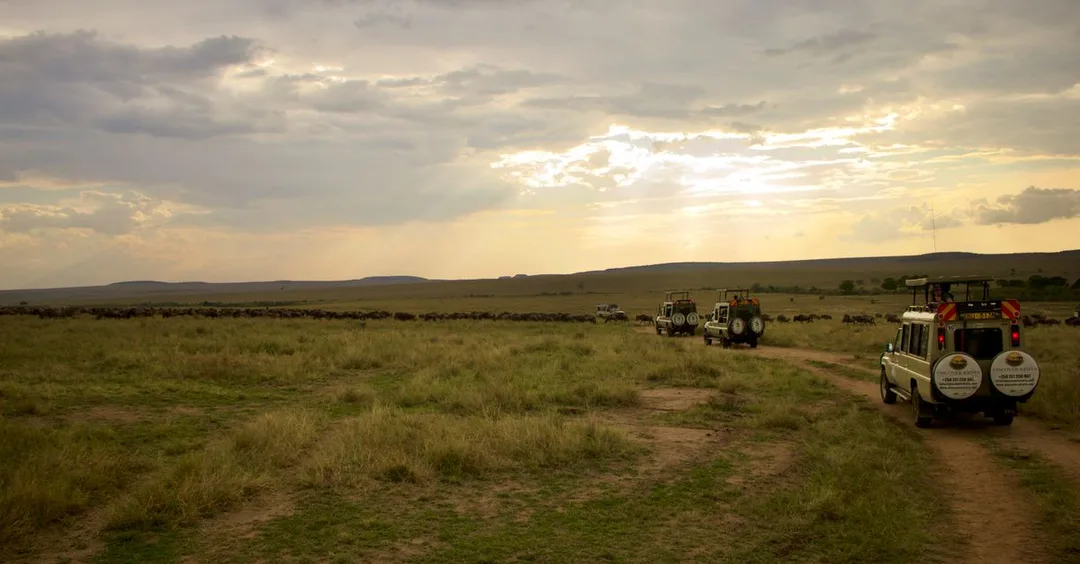
You're standing in an open-top jeep at dawn. The air smells of red dust and wild sage. Fifty metres ahead, a lion is drinking from a waterhole, completely unbothered by your presence. Your guide cuts the engine. Nobody speaks. You can hear your own heartbeat. This is the Maasai Mara at first light, and it is nothing like anything you've seen on National Geographic. It's louder, rawer, and somehow more beautiful than you imagined. If you've been dreaming about an Africa safari but kept putting it off, wondering if it's "too complicated" or "too expensive" for an Indian traveller, this guide is written specifically for you.
Why Africa Safari Is Perfect for Indian Travellers
The honest answer is that Indian travellers are genuinely well-suited for the safari experience. We travel in families, we appreciate value, we love good food, we're curious about other cultures, and we don't mind early mornings when the reward is worth it. Africa, particularly East Africa, delivers on all of these.
Kenya and Tanzania are the two most popular safari destinations for first-time Indian visitors, and for good reason. The wildlife density is extraordinary, the infrastructure for tourism is well-developed, and both countries have large South Asian communities, which means you'll find Indian-friendly food options, Hindi-speaking tour staff in some lodges, and a general familiarity with Indian travellers' preferences.
The Maasai Mara in Kenya and the Serengeti in Tanzania share the same ecosystem. Millions of wildebeest, zebra, and gazelle move between these two parks in what is called the Great Migration, one of the most dramatic wildlife events on earth. Timing your trip around this is one of the best decisions you can make for a first safari.
Beyond the wildlife, there's the cultural connection. East Africa's Swahili coast has centuries of trade history with India. You'll hear echoes of it in the food, the architecture of Zanzibar's Stone Town, and even in certain Swahili words. As an Indian traveller, you're not a stranger here, and that feeling matters.
If you want to explore all safari and international destinations before narrowing your choice, do that first. But if East Africa keeps calling your name, read on.
Best Time to Visit (Month by Month)
Getting the timing right makes a huge difference on safari. Here's an honest, month-by-month breakdown for Kenya and Tanzania.
January and February: Excellent. Dry weather, fewer tourists than peak season, and the calving season in Tanzania's Serengeti happens around this time. Baby wildebeest attract predators, which means incredible big-cat sightings. This is a hidden gem of a window.
March and April: Long rains begin, especially in Kenya. Wildlife is harder to spot in thick vegetation, and some smaller lodges close. Prices drop significantly. Good for photographers who love moody, green landscapes. Not ideal for first-timers.
May: Still rainy, but clearing toward the end of the month. Low season pricing continues. If budget is a priority and you can tolerate some wet days, you'll have parks almost to yourself.
June: The dry season begins. The Great Migration herds start moving north from Tanzania into Kenya. Game viewing picks up sharply. This is when you want to book.
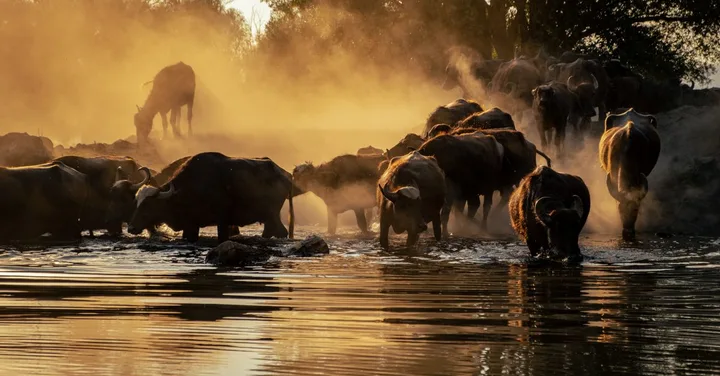
July and August: Peak season, full stop. The Mara River crossings happen here, when thousands of wildebeest plunge into crocodile-filled water in chaotic, dramatic waves. If you can only go once, go now. Prices are highest, and lodges fill up months in advance. Book early.
September and October: Migration continues, rains haven't started, wildlife is concentrated around waterholes and rivers. Slightly cheaper than July-August, and still spectacular. This is the sweet spot for Indian travellers who miss the school holiday rush.
November and December: Short rains arrive in November. December sees prices rise again for Christmas-New Year travel. The Serengeti is beautiful and green. Wildlife is present but more spread out. Good for a festive holiday with game drives.
The bottom line: June through October is the best window for a first-time Africa safari from India.
What's Included in Africa Safari Packages
Understanding what a standard safari package covers will save you from nasty surprises at the lodge. Here's what a quality East Africa safari typically includes.
Accommodation: This ranges from comfortable tented camps to luxury lodges. For a first-time safari, a mid-range tented camp, where you sleep with canvas walls and hear the sounds of the bush at night, is genuinely the best experience. It's safe, it's magical, and it hits differently than a hotel room.
Game drives: Most packages include two game drives per day, usually early morning and late afternoon. These are in 4x4 safari vehicles with pop-up roofs, led by trained naturalist guides.
All meals: Breakfast, lunch, dinner, and often afternoon tea are included. Quality varies by camp, but most lodges are surprisingly good. Indian vegetarian options are available at most tourist-grade camps if you request in advance.
Park entry fees: These are bundled into the package. They're not cheap (Maasai Mara charges around USD 200 per person per day for non-residents), so seeing this included matters.
Airport and airstrip transfers: Internal flights within Kenya or Tanzania between parks and final city transfers are often included in higher-tier packages.
What's usually NOT included: International flights from India, visa fees, tips for guides and camp staff (budget USD 10-15 per guide per day), laundry, alcoholic beverages at some camps, and personal shopping.
Always ask your travel specialist exactly what is and isn't covered before you sign anything.
Package Options and Prices in INR
Prices below are indicative per person for a 7-night Kenya (Maasai Mara plus Amboseli) safari, double occupancy, excluding international flights from India. All-inclusive of meals, park fees, and game drives unless noted.
Essential Safari - From INR 1,75,000 per person
A solid entry point. You stay in mid-range tented camps and permanent lodges with en-suite bathrooms. Game drives twice daily. Good guiding. This is where most Indian first-timers land, and it delivers everything you need for a genuine safari experience without paying for extras you won't use.
Classic Safari - From INR 2,80,000 per person
Better-located camps, often inside or on the edge of the reserve rather than outside the park boundary. This matters enormously for early morning game drives. Smaller group sizes, more personalised attention, and usually better food. Some camps at this level offer night game drives, which are electric.
Premium Safari - From INR 4,20,000 per person
Small boutique camps, often with a conservancy fee that gives you access to private land around national parks. You get off-road driving (not permitted in national parks), walking safaris, and bush breakfasts. The guide-to-guest ratio is tighter, and the wildlife sightings are often better because you're away from the main tourist vehicles.
Luxury Safari - From INR 6,50,000 per person
The top-tier camps, where you have a private plunge pool, a dedicated butler, and sometimes a private vehicle and guide. Think Singita, &Beyond, or similar. This is genuinely worth it for a honeymoon or a significant milestone trip. The level of detail at these camps is remarkable.
Family Safari (4 people including 2 children) - From INR 9,00,000 total
Structured for families with dedicated family rooms or twin tents, child-friendly activities, and guides experienced with younger guests. Kenya's Amboseli, with its open plains and elephant herds under Kilimanjaro, is particularly good for first-time family safaris.
These prices shift with season, lodge availability, and how far in advance you book. Plan your trip with Safari Sutra Holidays to get an accurate quote matched to your dates and preferences.
Practical Travel Tips
Visa and Documents
Indian passport holders need a visa for both Kenya and Tanzania. The good news is that Kenya now offers a straightforward e-visa (apply at evisa.go.ke), and East Africa's East African Tourist Visa covers Kenya, Uganda, and Rwanda for USD 100. Tanzania has its own e-visa process. Apply at least 3-4 weeks before travel, though approvals often come faster.
Carry your yellow fever vaccination certificate. It is required if you're arriving from certain countries or travelling between countries in the region. Get vaccinated at a government-approved travel clinic in India before departure.
Flights from India
There are no direct flights from India to Nairobi or Dar es Salaam. The most common routes are via Dubai (Emirates), Addis Ababa (Ethiopian Airlines, which has excellent East Africa connections), or Doha (Qatar Airways). Flight time is roughly 8-10 hours with one stop. Flying from Mumbai or Delhi, expect to pay INR 60,000 to INR 95,000 per person return, depending on the season and how early you book.
Packing Essentials
- Neutral colours only: khaki, olive, grey, tan. Avoid blue and black, which attract tsetse flies. Avoid bright white and red, which can startle wildlife.
- Layers: Mornings are cold, afternoons are warm. A light fleece and a windproof jacket are non-negotiable.
- Quality binoculars: Your guide will have spotting scopes, but your own binoculars change the game.
- Sunscreen SPF 50+ and a wide-brimmed hat: The African sun at altitude is brutal.
- A dust cover for your camera or phone: Red dust gets everywhere.
Health Precautions
Malaria is present in most safari regions. Speak to your doctor about prophylaxis (Malarone is commonly prescribed). Use DEET-based insecticide and sleep in properly netted rooms, which all reputable camps provide. Carry oral rehydration sachets and a basic travel medical kit. Most good lodges have a first aid kit and can arrange medical evacuation if needed.
The Incredible India travel advisory pages are a useful reference for general international travel health prep for Indian passport holders.
Frequently Asked Questions
Q: Is an Africa safari safe for Indian travellers?
Yes, when booked through a reputable operator. Safari lodges are in controlled wildlife reserves, and game drives follow strict safety protocols. Your guide will brief you thoroughly. The areas around lodges in Kenya and Tanzania have long been developed for international tourism, and millions of travellers visit safely each year. The key is working with an experienced travel company, not booking random packages on discount aggregator sites.
Q: How many days do I need for a first safari?
Seven nights is the sweet spot. It gives you enough time to settle in, recover from jet lag, and actually absorb the experience rather than rushing through it. If you have ten days, add Zanzibar for a beach finish. If you only have five days, it's still worth going, but you'll leave wanting more.
Q: Can I get Indian vegetarian food on safari?
Most mid-range to luxury lodges cater to dietary requirements if you inform them in advance. You'll likely get vegetarian options at every meal, though the variety might not match what you're used to. Carry some snacks from home, including dry roasted chana, mixture, or energy bars, to keep yourself going between meals. Some lodges with Indian clientele have Indian chefs or Indian menu nights.
Q: Is it worth adding Zanzibar to the itinerary?
Yes, absolutely. Zanzibar is a 45-minute flight from Dar es Salaam and works as a perfect ending to a Tanzania safari. The beaches are beautiful, the seafood is fresh, and Stone Town, a UNESCO World Heritage site, has a fascinating history that Indians will find particularly interesting given the old trading connections. Two to three nights is plenty.
Q: How physically demanding is a safari?
Less than you might think. Most of the safari involves sitting in a vehicle, so it's accessible for older travellers and people with mobility considerations. Walking safaris require reasonable fitness and a fair bit of walking, sometimes across uneven terrain. For a standard jeep safari, you need to be comfortable with early morning starts (4:30-5 AM) and sitting for 3-4 hours at a stretch.
Q: What currency should I carry?
US dollars are the most useful currency across East Africa. Carry crisp USD notes printed after 2013 (older notes are often refused). Most lodges take credit cards for extras, but tips should always be in cash. Change a small amount to Kenyan Shillings or Tanzanian Shillings for local markets and small purchases. You don't need large amounts of local currency.
Q: When should I book for peak season travel?
For July and August travel, book 6 to 9 months in advance. The best mid-range and premium camps sell out early, and prices go up as availability drops. Safari Sutra Holidays has been helping Indian travellers plan these trips for 12+ years, and the single biggest piece of advice our team gives is: don't wait until April to plan a July trip. You will be disappointed by limited options.
Plan Your Trip with Safari Sutra Holidays
If you've read this far, you're not just casually curious. You're ready to make this happen.
With 15,000+ trips planned and over 12 years of working specifically with Indian travellers, Safari Sutra Holidays knows exactly what you need for your first Africa safari: the right camp in the right location at the right time, with none of the guesswork.
We'll match your dates, your budget, and your travel style, whether you're planning a honeymoon, a family trip, or a long-overdue solo adventure with your best friends. We handle the visas, the internal flights, the dietary requests, the lodge choices, and all the details in between. You show up, and Africa does the rest.
You can also explore all safari and Africa travel packages on our website to get a feel for what's possible before we talk.
Ready to plan your trip? Contact Safari Sutra Holidays today.

Safari Sutra Team
Travel curators with 13 years of experience planning Indian and international holidays — from safari adventures to island escapes.
View All Posts