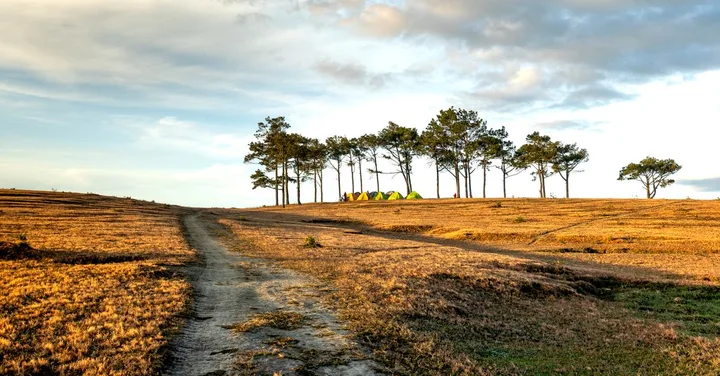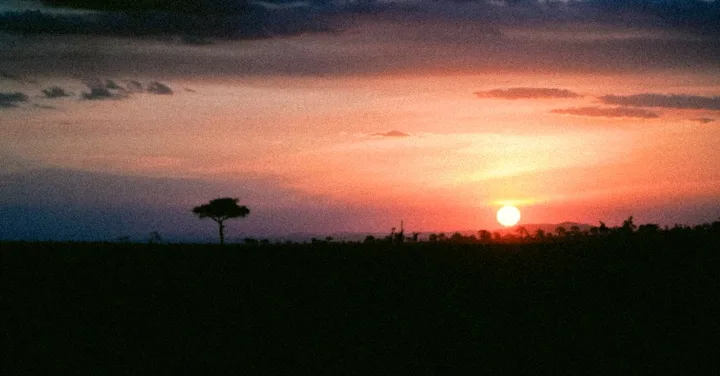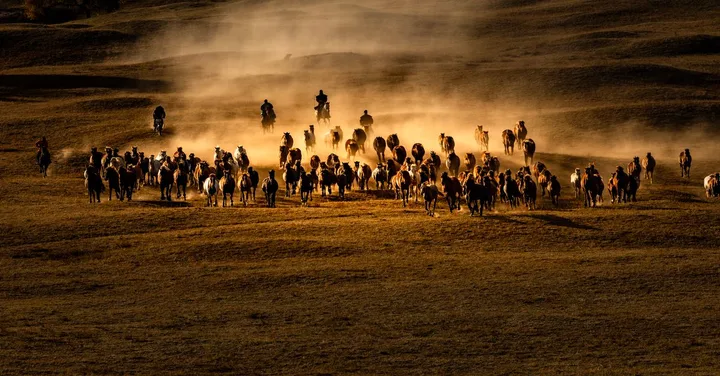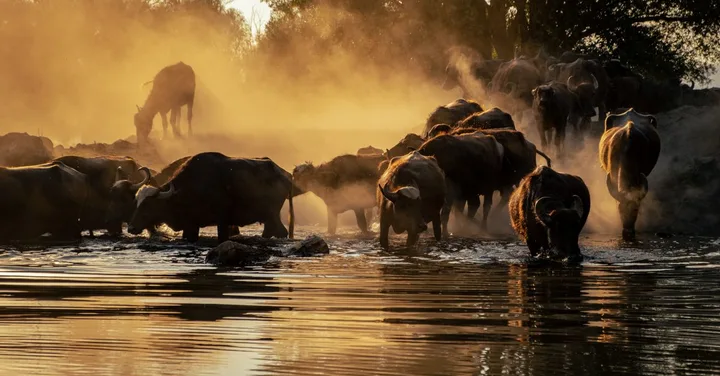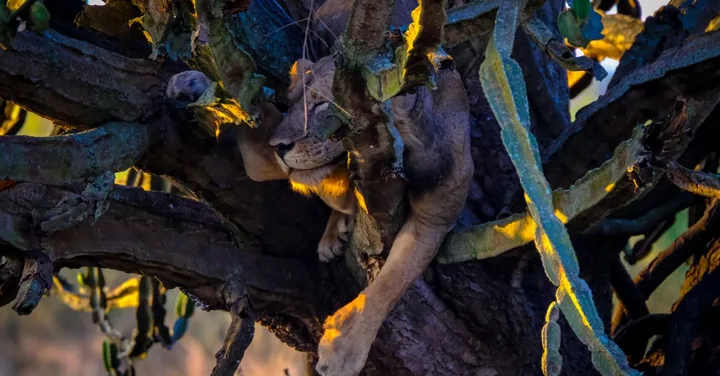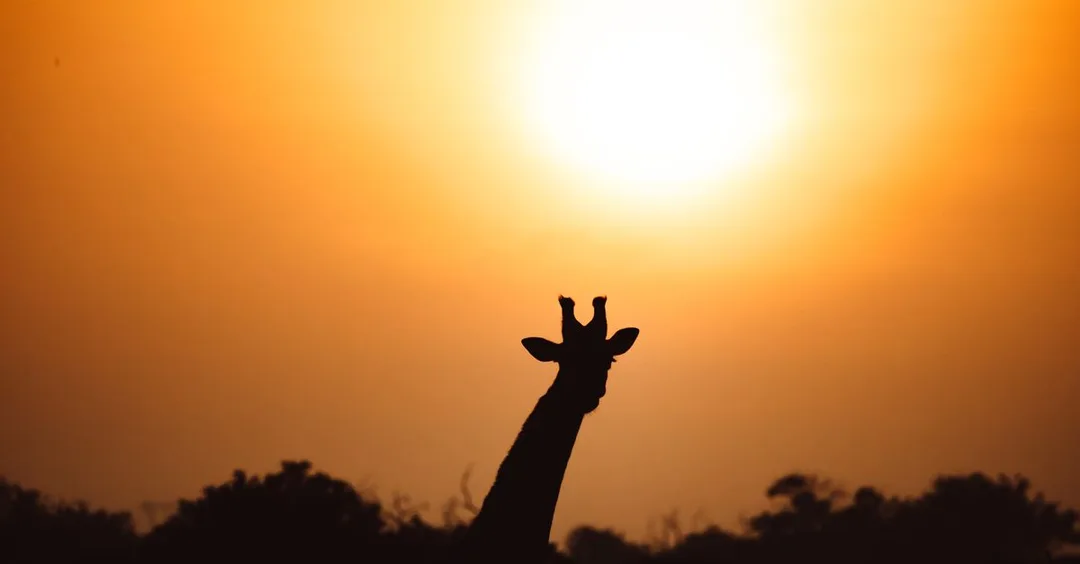
Picture this: it's 6 AM, the air smells of dry grass and something wild, and your open game vehicle is moving silently through the golden light of a Kruger morning. A bull elephant crosses the track ten metres ahead. Your guide cuts the engine. Nobody speaks. And then, from somewhere deep in the bush, a lion answers another with a low, rolling grunt that you feel in your chest more than hear.
That's Kruger National Park at dawn. No filter needed. No tour commentary. Just you and the oldest wildlife show on Earth.
South Africa has been quietly stealing the hearts of Indian travellers for years now, and 2026 is shaping up to be a brilliant year to finally go. Direct flights are better connected than ever, visa processing has become more straightforward, the rand works strongly in your favour, and the country packs an extraordinary amount of variety into a single trip: safari, wine country, ocean, mountains, history, and food that will genuinely surprise you.
If you've been thinking about it, stop thinking. Let's plan this properly.
Why South Africa Is Perfect for Indian Travellers
South Africa sits in a sweet spot that few destinations can match, especially for Indian travellers who want real value without roughing it.
The South African rand is one of the most favourable currencies for Indians right now. Your rupees go a long way. A meal at a good restaurant in Cape Town costs what you'd pay at a mid-range place in Mumbai. Game drives at private lodges, which feel impossibly luxurious, are genuinely more affordable than their equivalents in East Africa or Botswana.
The infrastructure is world-class in the best sense: roads are well-maintained, airports are modern, and most lodges run with a professionalism that rivals the best hotels anywhere. You won't be roughing it.
For Indian families specifically, South Africa is exceptionally warm and welcoming. The country has a significant Indian-origin community, particularly in Durban and KwaZulu-Natal, so you'll find familiar food, familiar faces, and a cultural ease that can be rare on an international trip. Vegetarian food is widely available, and most lodges can accommodate dietary requirements without any drama.
The country also offers a rare combination of Big Five safari, Cape Winelands, and ocean on a single trip. Cape Town is one of the most dramatically beautiful cities in the world, Table Mountain rising straight out of the city like a benediction. The Garden Route connects it all with a coastal road that genuinely has no bad views. And then there's the Winelands, Stellenbosch and Franschhoek, where you can spend an afternoon moving between cellars, tasting wines that compete with Bordeaux, eating food that belongs in a Michelin guide.
After 12+ years and 15,000+ trips, the team at Safari Sutra Holidays consistently hears the same feedback from clients who've done South Africa: "We didn't expect it to be this good." South Africa tends to exceed expectations at every turn.
You can explore the full range of South Africa Tour Packages we offer, from pure safari to Cape Town extensions, to get a sense of what's possible.
Best Time to Visit
South Africa doesn't really have a bad season, but the experience changes significantly depending on when you go. Here's what each period actually delivers.
May to September: The Safari Sweet Spot
This is winter in South Africa, dry season, and the best time for wildlife viewing in Kruger and the private reserves. Vegetation is thin, water sources are scarce, and animals congregate around waterholes and rivers. You'll see more game in a single morning drive than some people see in a week during the wet season.
Temperatures are comfortable during the day, around 20 to 25 degrees Celsius, though nights and early mornings can get cold, especially in July and August. Pack a good fleece. The skies are clear and brilliantly blue, which makes photography fantastic.
May and June are particularly good: peak season crowds haven't fully arrived yet, prices are slightly lower, and the bush is still green enough to look beautiful.
October and November: Transition Season
The rains start to come in November, but October is still largely dry and can be excellent for safari. Temperatures start rising, migratory birds begin returning, and there's a freshness in the air. Great white shark sightings off the Cape are generally better in spring too.
This is also when baby animals start appearing in the bush. If you have children or want that kind of magic, October and November deliver.
December to February: Summer and Shoulder Season
It's hot, it can rain in the afternoons in the north, and the bush is lush and green. Wildlife is harder to spot because the vegetation is thick and animals are spread across a larger area. That said, it's a perfectly good time to visit Cape Town and the Garden Route, which are at their most gorgeous in summer. Beaches are warm, the Winelands are in full swing, and the energy in Cape Town is electric.
December is peak season, so prices are higher and you'll share popular spots with more tourists. Book early if this is your window.
March and April: The Hidden Gem
Honest advice: March and April are underrated. The rains are ending in the north, the bush is still green and dramatic, prices drop as peak season ends, and Cape Town is still warm. Fewer tourists, better rates, and perfectly good conditions. Indian families travelling during the school break often find April to be excellent value.
What's Included in South Africa Packages
A well-structured South Africa safari package should cover far more than just a lodge and a game drive. Here's what to look for and what a good package from India should include.
International flights: Return airfare from major Indian cities, typically routed through Johannesburg with direct options from Mumbai and Delhi. Most good packages will include flights or at least manage the booking to ensure optimal connections.
Internal transfers and flights: South Africa is large. Getting from Johannesburg to Kruger involves either a short domestic flight to Hoedspruit or Skukuza, or a 4-5 hour road transfer. Cape Town is a 2-hour flight from Johannesburg. A proper package handles all of this.
Accommodation: Ranging from comfortable lodges in national parks to luxury tented camps in private reserves, to good hotels in Cape Town. The accommodation tier largely determines the price, but even mid-range options in South Africa are genuinely good.
Game drives: In Kruger and the Sabi Sands or similar reserves, you'll typically get twice-daily game drives: a morning drive starting around 5:30 AM and an evening drive at 4 PM, often concluding with a sundowner in the bush. Some lodges in private reserves also include guided bush walks.
Meals: Most safari lodges operate on a full-board or all-inclusive basis, which keeps things simple. City hotels and guesthouses in Cape Town usually serve breakfast only.
Guided experiences: Beyond game drives, these might include a Cape Town city tour, a trip to Boulders Beach to see African penguins, a Winelands tour, and a visit to Cape Point.
Visa assistance: A good operator will handle your South African visa application documentation. More on this in the practical tips section.
Plan Your Trip with Safari Sutra Holidays and our team will walk you through exactly what's included for your specific travel dates and group size.
Package Options and Prices in INR
Prices below are indicative for 2026, based on per person costs in double sharing, including return flights from Delhi or Mumbai. Prices shift based on season, specific lodges, and group size. Think of these as realistic starting points.
Tier 1: Classic Kruger + Cape Town, 10 Nights
INR 1,85,000 to 2,20,000 per person
The most popular starting point for first-time visitors. Three nights at a well-run Kruger rest camp or bushveld camp (SANParks-managed properties like Skukuza or Satara are solid choices), then four nights in a comfortable Cape Town hotel with Table Mountain views, and two nights on the Garden Route or in Hermanus for whale watching.
This tier gives you the full South Africa story: bush, city, coast. It's honest value and you'll come back thoroughly satisfied.
Tier 2: Private Reserve + Cape Town + Winelands, 12 Nights
INR 2,80,000 to 3,50,000 per person
Step up from a national park to a private game reserve bordering Kruger, places like Sabi Sands, Timbavati, or Thornybush. The difference is significant: smaller vehicles, highly trained private rangers, off-road capability, and night drives (not permitted in the national park itself). You'll see leopards at night, track lions on foot with a qualified guide, and experience genuine wilderness.
Four nights in a private lodge, followed by Cape Town and a day in Stellenbosch tasting Pinotage in a centuries-old cellar. This is the package that converts first-timers into repeat travellers.
Tier 3: Luxury Safari and Coastal, 14 Nights
INR 4,50,000 to 6,00,000 per person
Premium lodges in exclusive private reserves, properties with private plunge pools and rangers who go by your first name. You might add a night or two in the Kruger itself, combine a Garden Route self-drive, and stay at a boutique wine estate in Franschhoek.
This tier is not just about the safari. It's about a pace of travel where nothing is rushed, every meal is an event, and the landscape is as much part of the experience as the wildlife.
Tier 4: Honeymoon South Africa, 12 Nights
INR 5,00,000 to 7,50,000 per person (couple package)
Designed specifically for honeymooners: a private villa in a luxury lodge, sunset game drives followed by bush dinners under the stars, a day at a Winelands spa, and a stay at one of Cape Town's iconic boutique hotels on the Atlantic Seaboard. Private beach time, private everything. Ekdum mast way to start a marriage.
Tier 5: Family South Africa, 12 Nights (2 Adults + 2 Children)
INR 5,00,000 to 6,50,000 for the family
Family-friendly lodges that welcome children, with junior ranger programmes and child-appropriate game drives. Combine Kruger with Cape Town, add an afternoon at Boulder's Beach for the kids to meet penguins, and a boat trip out of Hermanus during whale season. Children over 6 are typically accepted at most lodges; some premium lodges require guests to be 12 or older, so it's worth checking upfront.
Practical Travel Tips
Visa for South Africa
Indian passport holders need a visa to visit South Africa. The good news is the process is fairly manageable. Applications go through the South African embassy in New Delhi or the consulate in Mumbai. Processing typically takes 10-15 working days, so apply at least 4-6 weeks before travel.
You'll need your passport, a completed application form, bank statements, a confirmed hotel/lodge itinerary, and return flight tickets. South Africa Tourism has updated requirements and a helpful overview of the application process. Your Safari Sutra Holidays travel specialist will prepare your documentation checklist as part of the trip planning.
Flights from India
The most direct routing is from Mumbai or Delhi to Johannesburg on South African Airways, Air India, or Emirates (via Dubai). Total travel time runs around 12-14 hours depending on the connection. Flying into Cape Town directly is possible via Dubai and Johannesburg, though the transfer in Johannesburg adds time.
Book flights 3-4 months ahead for 2026 travel, especially for May to August, which is peak season and fills quickly from India.
Health and Vaccinations
Kruger National Park and most of the Limpopo region are malaria areas. Talk to a travel medicine doctor about prophylactics before you go. Yellow fever vaccination is required if you're transiting through certain African countries; check your specific routing. No vaccinations are required to enter South Africa directly from India, but taking reasonable precautions is sensible.
Pack sunscreen (the southern African sun is fierce), insect repellent with DEET, and comfortable, neutral-coloured clothing for game drives. Bright colours and white clothing are not ideal in the bush.
Money and Payments
The South African rand (ZAR) is the currency. Cards are widely accepted in Cape Town, Johannesburg, and at lodges. Carry some rand cash for smaller towns and roadside stops. Exchange rupees at major Indian airports or once in South Africa; airport exchange rates in Johannesburg are reasonable.
The rand-to-rupee conversion rate has been consistently favourable for Indian travellers. Check rates close to your travel date, but as a guide, 1 ZAR has generally been trading between 4.5 and 5 INR.
Frequently Asked Questions
Q: Is South Africa safe for Indian tourists?
Safety is a genuine concern in South Africa, and it deserves an honest answer. Like most countries, South Africa has areas that are completely safe and areas that require caution. Cape Town's tourist areas, the Winelands, the Garden Route, and all reputable game lodges are safe. You'll be with guides, in well-run properties, on organised itineraries. The issues that affect South Africa's crime statistics are concentrated in specific urban areas and townships that your itinerary won't take you through. Travelling with a well-organised operator is the simplest way to stay in the right places and move between them safely.
Q: How many days do I need for a South Africa trip?
Ten nights is the practical minimum to do justice to the country, combining safari with Cape Town. Twelve to fourteen nights is more comfortable and allows you to add the Winelands, the Garden Route, or Hermanus without feeling rushed. If you're coming only for safari, seven or eight nights in and around Kruger and a private reserve can be deeply satisfying.
Q: What's the difference between staying in Kruger National Park and staying in a private reserve?
Staying inside Kruger at a SANParks rest camp gives you access to the national park's 20,000 square kilometres. It's excellent value and the wildlife is phenomenal. Private reserves bordering Kruger, like Sabi Sands, offer a more intimate experience: smaller vehicles, your own dedicated ranger and tracker, off-road driving capability, and night drives. You're more likely to spend an hour watching a leopard at close range in a private reserve. The tradeoff is cost; private reserve lodges are significantly more expensive than national park accommodations.
Q: Can vegetarians eat well in South Africa?
Yes. South Africa's food scene is more sophisticated than many Indian travellers expect. Cape Town in particular has excellent vegetarian options across all price ranges. Safari lodges will always accommodate vegetarian requirements if you mention them at booking, and most are well-practised at it. Indian food is widely available in Durban and Johannesburg. You won't be surviving on salads.
Q: What's the best South Africa itinerary for a first-time visitor from India?
A classic ten to twelve night itinerary works best: arrive in Johannesburg, fly directly to a Kruger gateway for three to four nights of safari, then fly to Cape Town for four to five nights covering the city, Cape Point, Boulders Beach, and a day in the Winelands. Add a night or two in Hermanus for whale watching if the season aligns. This structure gives you the full range without spending too much time in transit.
Q: When should I book my 2026 South Africa trip?
Book your travel for May through August 2026 as early as possible, ideally between October and December 2025. The best private lodges and most popular Kruger rest camps fill up months in advance, and flight prices rise significantly as travel dates approach. The earlier you confirm, the better the availability and often the better the price.
Q: Does Safari Sutra Holidays handle everything, or do I need to sort visas and flights separately?
Safari Sutra Holidays handles the complete package: flights, all accommodation, transfers, game drives, guided tours, visa documentation support, and pre-trip briefings. You don't need to piece things together from different sources. The team has arranged over 15,000 trips and the South Africa itineraries in particular have been refined over many years. You'll know exactly what to expect before you board your first flight.
Plan Your Trip with Safari Sutra Holidays
South Africa in 2026 is genuinely worth doing properly. The country rewards travellers who plan ahead, choose the right lodges, and give themselves enough time to let the place breathe.
Safari Sutra Holidays has been building South Africa trips for Indian travellers for over 12 years. The team knows which lodges welcome families, which Winelands estates are worth the detour, when to be in the Sabi Sands for the best leopard sightings, and how to put together a trip that delivers the full South Africa experience at a price that makes sense.
Whether you're planning a family trip, a honeymoon, a milestone birthday, or a solo adventure, the approach starts the same way: understanding what matters to you, what your timeline looks like, and then building an itinerary around that. No off-the-shelf packages forced onto your life. Just good travel, planned well.
The South Africa Tour Packages page gives you a strong starting overview, but the real conversation happens one-on-one.
Ready to plan your trip? Contact Safari Sutra Holidays today.

Safari Sutra Team
Travel curators with 13 years of experience planning Indian and international holidays — from safari adventures to island escapes.
View All Posts